Author

trinity

Browsing

Love Your Lakes is a community science and engagement program hosted by A Greener Future each summer. Through litter clean-ups, data collection, and education, we empower volunteers to join alongside other like-minded love lovers.

Clean Ups As a Catalyst

Combating plastic pollution requires a multi-pronged attack, and clean-up events are the frontline warriors in this fight. More than just a feel-good activity, these events offer a chance to experience the plastic problem firsthand, fostering a collective understanding of its scope. By participating, we make a real difference in our local communities, capturing litre before it pollutes our waterways and harms wildlife.

Clean up events also serve as a platform for raising awareness, inspiring action, and building momentum for a multi-pronged approach to tackling the plastic crisis. This approach includes holding industries accountable, pushing for systemic solutions and improving recycling infrastructure.

Its true, that clean up events alone wont solve the plastic problem entirely. However, they are vital for building a strong community, raising awareness and tackling the exciting mess until we can turn down the plastic tap.

Become a Lake Lover!

A Greener Future is hosting a series of clean-up events this Summer. Sign up today and be a part of the solution!

Upcoming Burlington and Oakville Events:

July 9, Burlington Beach, 1 pm to 3 pm, *Plastic Free July Presentation
July 16, Bronte Beach Park, Burlington, 1 pm to 3 pm
July 17, Burloak Park, Burlington, 6 pm to 8 pm
July 18, Coronation park, Oakville, 10 am to 12 pm
July 23, South Shell Park, 6 pm to 7:30 pm
August 6, Lake Side Park, Oakville, 1 pm to 3 pm
August 8, Bronte Heritage Waterfront Park, Oakville, 6 pm to 8 pm

More Event Listings & To Sign Up Visit:

www.agreenerfuture.ca/events-page

Press Contact:

Katherine Roesler, Public relations Manager
katherine@agreenerfuture.ca
416-892-4187

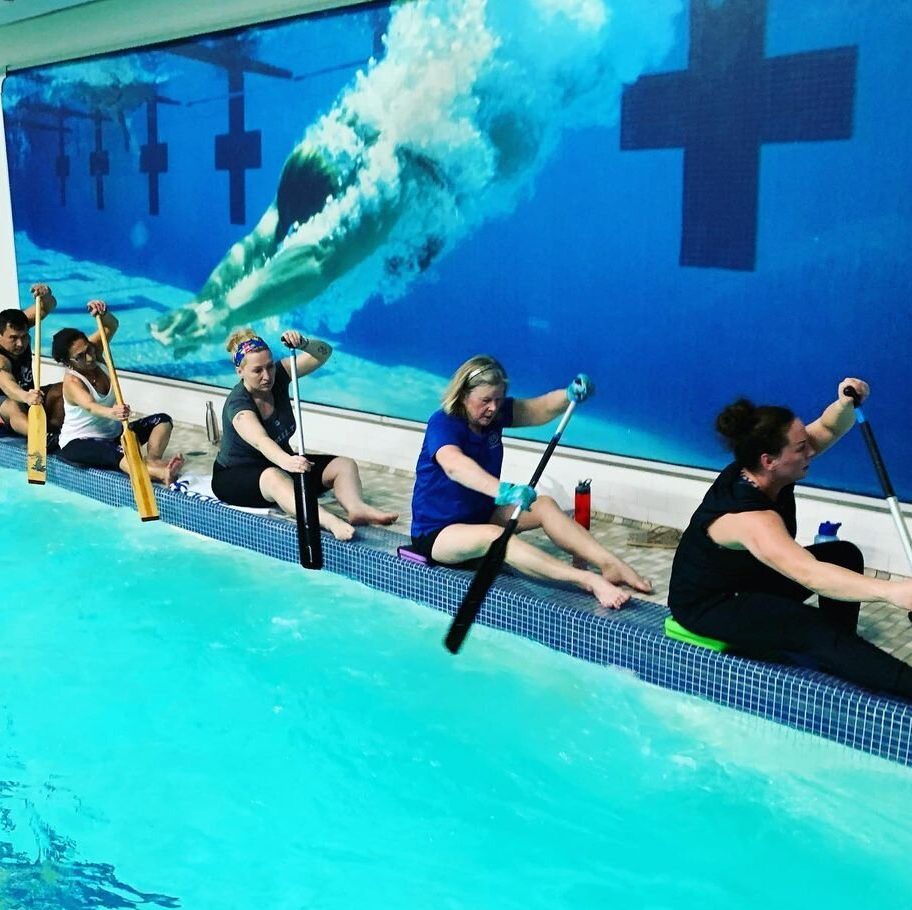
Anyone who craves being part of a team may experience a pang of envy when a sleek boat full of rowers whizzes by in the pink sunrise. Rowing and dragon boating are two popular water sports that grace Lake Ontario all summer long. They’re fun, fantastic for team spirit and morale, and have tremendous fitness benefits. They’re also very different in many ways. Want to know more? Here’s a primer.

DIFFERENCES BETWEEN ROWING AND DRAGON BOATING

Origins: The first representation of a rowing boat, according to the World Rowing Association, was discovered in Finland and dates back to 5800 BC. The earliest rowing regatta was held in the year 1274 in Venice, Italy.

The historical roots of dragon boating can be traced back to China, going back more than 2,000 years. According to legend it commemorates poet and politician Qu Yuan, who was accused of treason and drowned himself in the river. Fishermen raced in an attempt to retrieve his body before he could be eaten by fish.

The Boat: In rowing, the boat is called a “shell.” It’s a sleek, lightweight, carbon fibre boat built for speed. The shell has 1, 2, 4 or 8 rowers.

A dragon boat is a long, narrow, wooden or fibreglass canoe that seats up to 20 paddlers in 10 rows. It has a drummer at the front – who beats the drum in competitions – and a steersperson who navigates the back. During competitions, a dragon head at the front of the boat and a dragon tail at the back are on display.

Propulsion: In rowing, you sit facing the back of the boat and pull an oar to move forward. There are two types of rowing. In sculling, each rower holds two oars, one in each hand. In sweep rowing, each rower holds one oar with both hands. Precision and technique are vital. Rowers strive for synchronization and efficient strokes.

In a dragon boat you face forward and operate the paddle as you would in a canoe.

How competitive? Rowers from the Don Rowing Club (Mississauga) and Leander Boat Club (Hamilton) have a long history of competing in the Olympics and other world championships. These longstanding clubs really strive for excellence and have world-class coaches.

Lively Dragon, Hamilton

Dragon boaters also compete on an international level. Some clubs, however, don’t necessarily require racing at all. Lively Dragon, Hamilton offers programs for both competitive and non-competitive boating. “Dragon boating is for everyone,” says Jackie Taggart, who co-owns the establishment with husband Ramsay Drummond-Young. “It’s for different fitness levels, and for people of all ages. Some choose not to race and just want to be on the water with friends.”

SIMILARITIES

Full body workout. Rowing and dragon boating both use muscles in every part of the body. Both are a powerful way to build strength, agility, stability, and endurance. Training land happens (with both weights, on rowing machines, circuit training, and exercises for core stability) and
on water.

Self awareness. Both water sports require coordination, and the ability to be in sync with teammates. Focus and concentration are key.

Lively Dragon, Hamilton

Paddlers use bursts of energy to move the boat. Strokes are synchronized, but each is punctuated by the beat of a drum. Dragon boat strokes are broader and shorter, with emphasis on raw power and endurance.

Teamwork. Rowing and dragon boating are not about being the MVP or scoring the most touchdowns. Individual strength matters, but so does collective harmony. Rowers and paddlers aim to move as one. “The team aspect is so wonderful,” Taggart says. “It makes you accountable and you make lifetime friends.”

A feeling like no other. An invigorating workout on a pristine lake. Playing a key role on a team. Challenging yourself to be your very best. What could be more fulfilling?

By Michelle Morra

Local Links

Burloak Canoe Club,
160 Water Street, Oakville
www.burloakcanoeclub.com

Lively Dragon 200
Harbour Front Drive, Hamilton

lively-dragon.com

Don Rowing Club Of Mississauga
35 Front Street North, Mississauga

donrowingclub.ca

Leander Boat Club
50 Leander Drive, Hamilton

leanderboatclubofhamilton.com

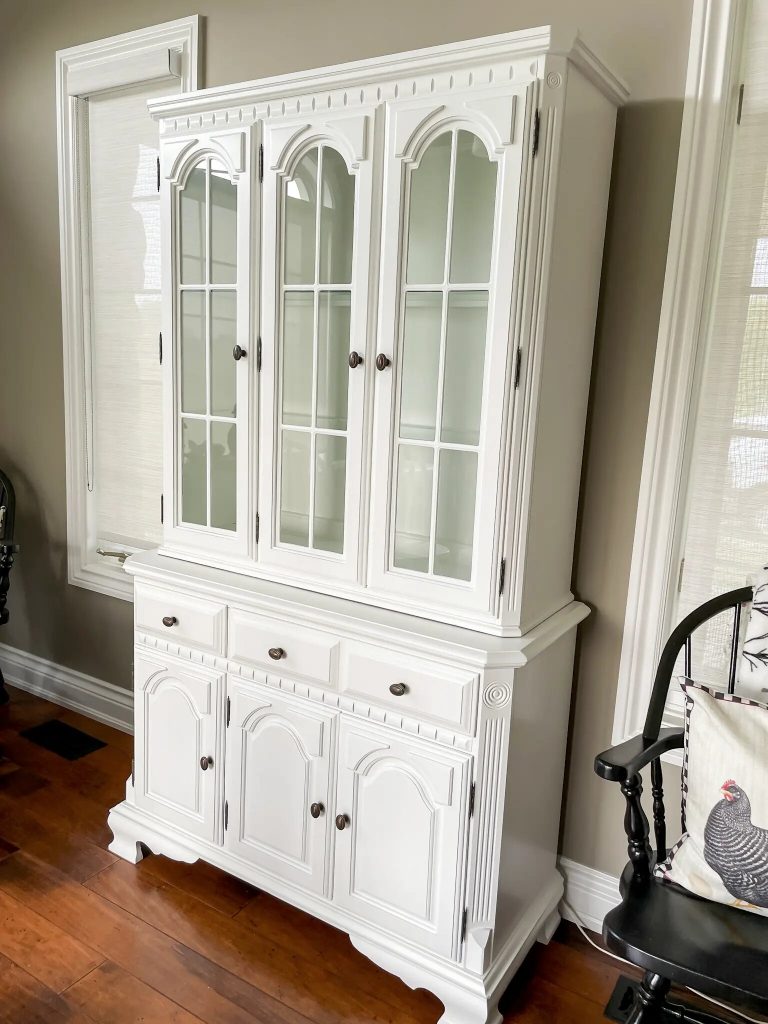
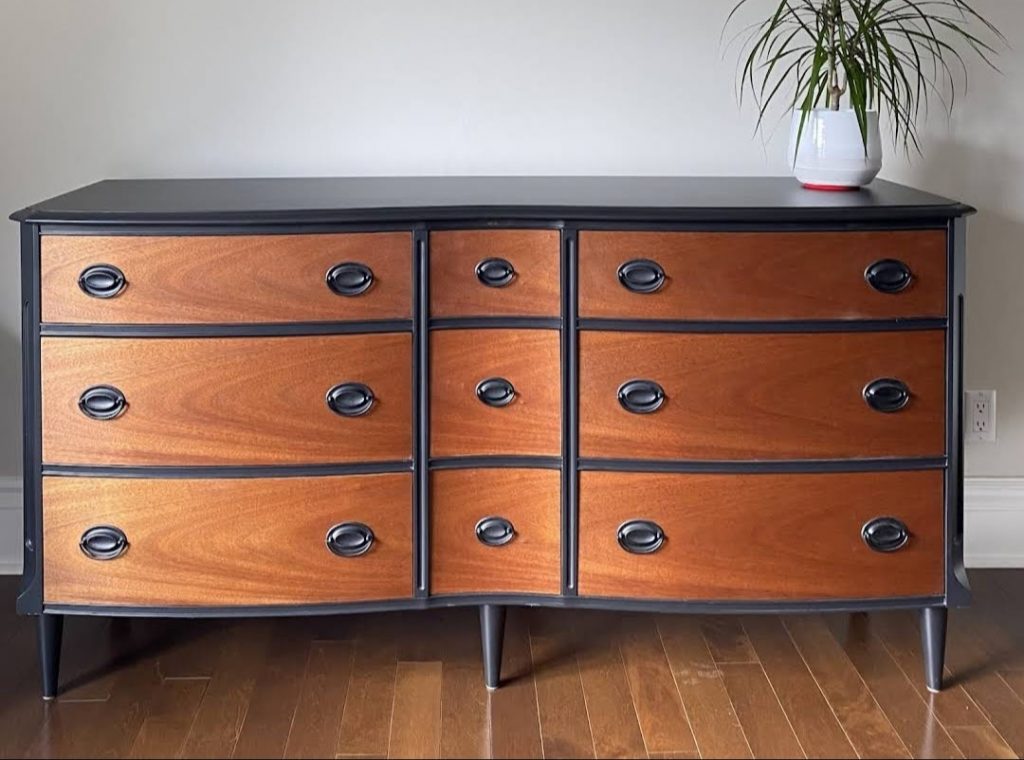
Bringing new life to an older piece of furniture gives DIY (do it yourself) thrill-seekers a fulfilling and creative hobby. Whether you’re an avid antique hunter, love to bargain hunt online, or have inherited a family heirloom, restoration is a cost-effective way to personalize and modernize the pieces you’ve collected over the years.

Sometimes it’s hard to see the potential of a piece of furniture under layers of dust, paint, or veneer, but that can be half the fun. No task offers quite as much satisfaction as returning a weathered wooden gem to its former splendour.

“Most solid wood furniture is worth refinishing,” says Umar Ahmed, Owner of Howard’s Second Generation. “Look for things like dovetail drawers, finger joints, solid wood frames, maker’s marks, or unique designs and shapes to know if a piece is worthwhile.”

Griffin Vintage Furniture & Gifts

“Dressers, end tables, and sideboards are always popular pieces to refinish,” explains Rose Khara, Owner of Griffin Vintage Furniture & Gifts. “We find sixty percent of our customers are working on a DIY project and 40 percent are looking for help with professional
furniture painting.”

Take time to prep

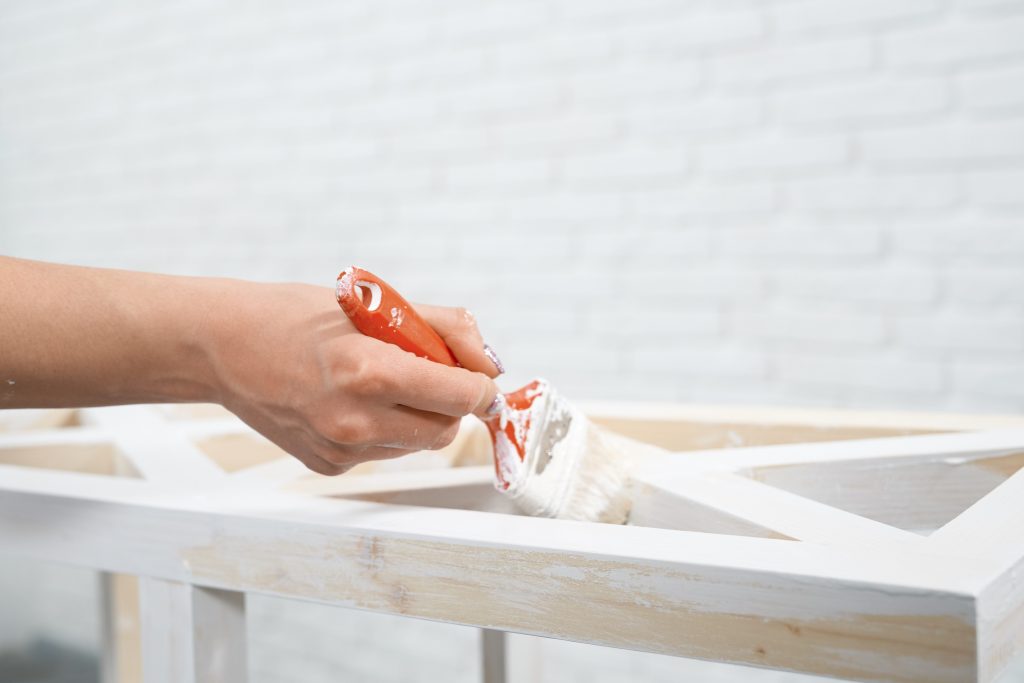
Preparation is key to restoring wood furniture yourself. The better you plan your setup, the smoother your project will go. The first step is to ensure you have the right personal protective equipment for the job so you’re working in a safe environment. Next, start your prep by removing the existing hardware, cleaning the piece, and using 220 grit sandpaper to prepare the wood.

“Properly tape off areas that you don’t want to touch and sand thoroughly and evenly,” says Ahmed. “Keep your work area tidy because that can be the difference between a good looking piece of furniture and a stunning piece of furniture!” When you’ve finished sanding, wipe your piece with a cloth before priming and painting or staining.

Enjoy the transformation

Kaza Refinishing

As for selecting a paint colour, Ahmed and Khara agree the grey tones that dominated home décor over the past few years are no longer trending. “This year, the most popular dark colours selling in the Fusion Mineral Paint line are Coal Black and Cast Iron,” says Khara. “In the lighter range, Victorian Lace and the warmer tone of Raw Silk are popular. We’ve moved to painting in a satin or pearl finish and away from a high gloss finish.”

If you’re opting for a natural stain, you’re in luck. “The feeling of the wood grain is very popular,” explains Ahmed. “For natural wood finishes, people are choosing zero VOC and natural oils.”

VOC stands for volatile organic compounds – chemicals that are released into the air during application. Zero VOC wood stains help maintain healthy indoor air quality while giving your project the desired finish.

Howard’s Second Generation

Complete your project with some revamped hardware. You can entirely change the look by spraying handles and knobs a new colour or purchasing new hardware in a different style.

Consider hiring a pro

If you’re not in your element with sandpaper, stains and paints, a professional furniture refinisher in your neighbourhood would be pleased to handle the job. They’ll know what kind of wood you’re dealing with and can offer suggestions or make your own
vision come to life.

Many benefits factor into the wood furniture restoration industry, including the joy it brings to DIY enthusiasts. “I love the interpersonal interaction with clients and working on unique pieces,” says Ahmed. “Every time we show the finished piece, the oohs and aahs, and sometimes hugs and tears, are priceless.”

“I love to discover the history of a vintage piece because every piece of furniture can tell a story,” says Khara. “Focusing on the idea of reduce, reuse, recycle and showing people you can have beautiful furniture and save money at the same time is an important message.”

By Nicole Hilton

LOCAL LINKS

Griffin Vintage Furniture & Gifts,
Ltd 7 Griffin Street, Waterdown

griffinvintage.com

Howard’s Second Generation,
2-1244 Speers Road, Oakville
Howardssecondgeneration

A Perfect Touch
perfecttouchfurniture.com

Kaza Refinishing,
247 Barton Street, Hamilton

kazarefinishing.ca

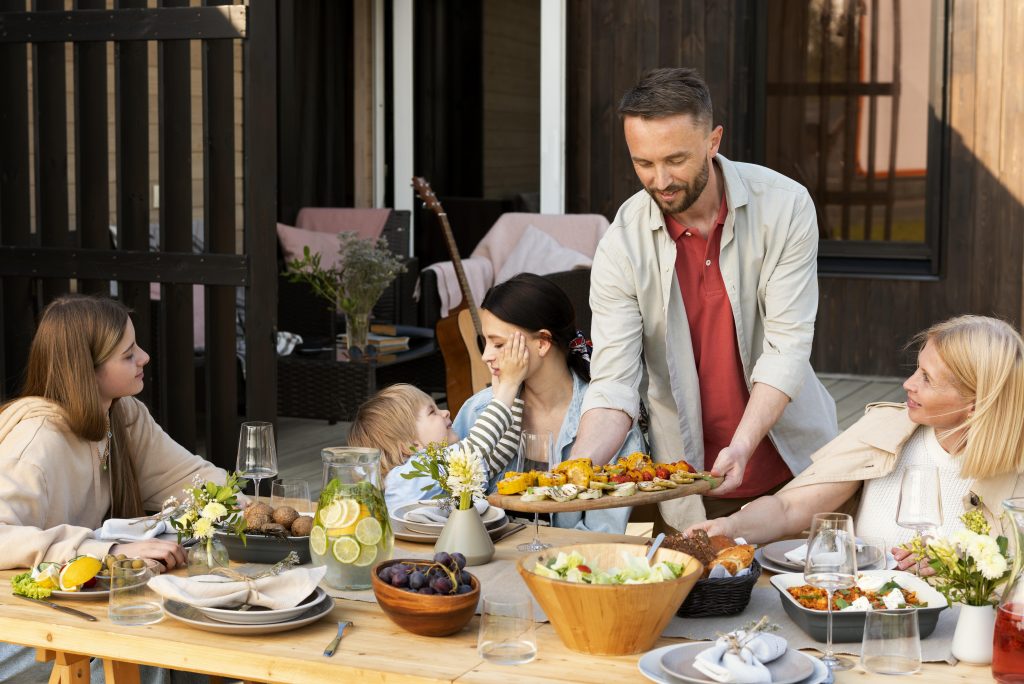
Mankind has been obsessed with outdoor grilling ever since our ancestors first discovered fire a million years ago. Cooking over wood and charcoal imparts a smoky flavour that is the secret ingredient to so many favourite ethnic dishes. If you’re an adventurous epicurean who loves playing host, you can turn your backyard into a gourmet oasis with specialty ovens and grills that bring to life age-old traditions from around the globe.

A Gateway to Heat

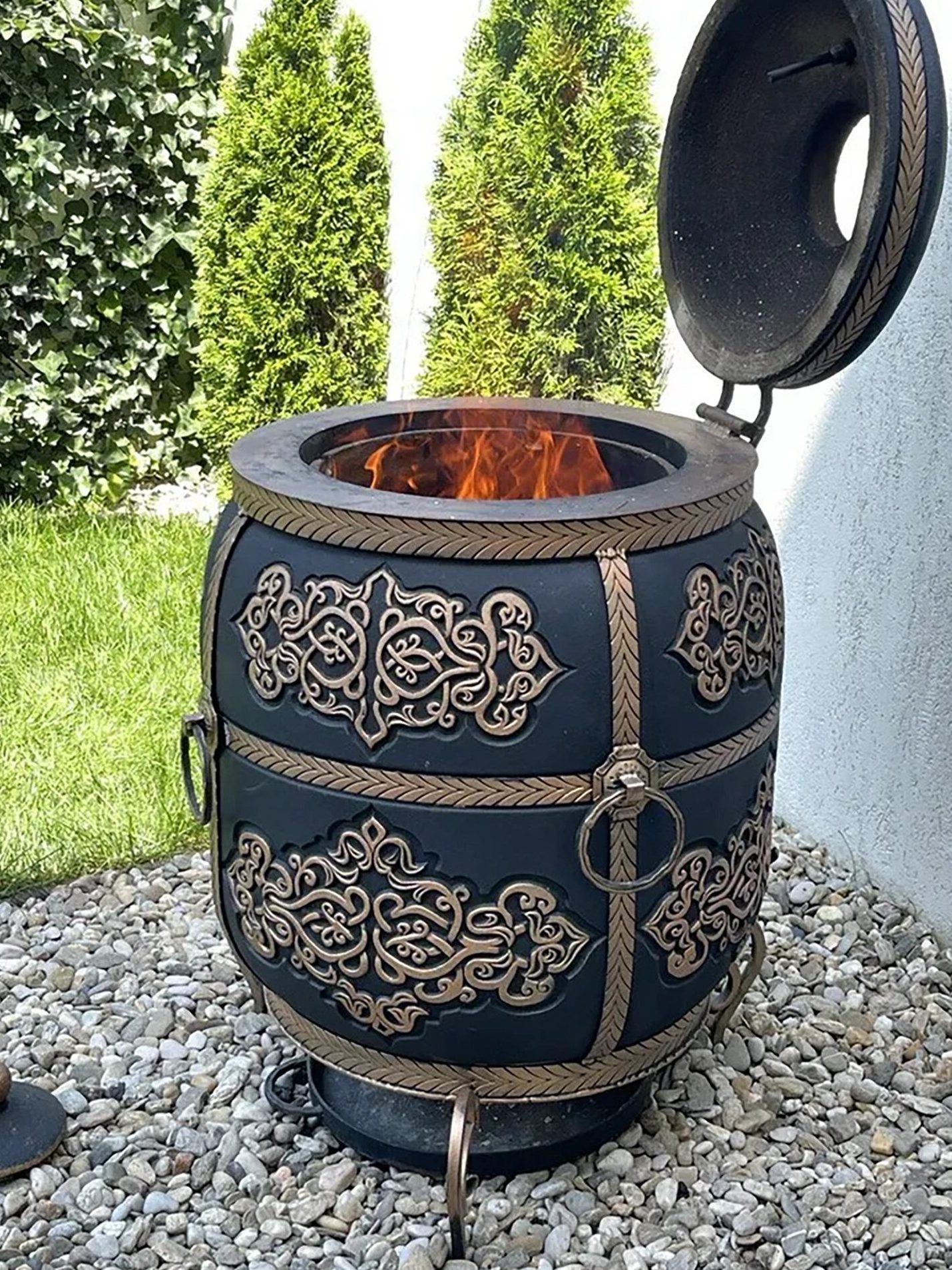
The tandoor oven, a cylindrical vessel made of clay, is an integral part of India’s culinary heritage and the secret behind the smoky tang of your beloved Indian dishes. Cooking food over wood/ charcoal in the belly of a tandoor oven at scorching high temperatures results in fast cooking times.

If you love the interactive experience of fondue parties, you’ll love these ovens that are designed for vertical barbecuing. Picture marinating meats, vegetables and cheeses in yogurt and spices, skewering them on metal rods and inserting them into the vessel vertically.

As the food cooks with the lid closed, the juices spill down onto the charcoal, creating a flavourful, smoky convection-style cooking chamber. And brace yourself – slapping dough on the inner walls of the oven makes fluffy naans with a crispy exterior!

Typically standing waist-high, tandoor ovens are portable and easy to integrate into any patio. There are stainless steel or beautifully handcrafted clay versions carved and painted in intricate geometric patterns and Eastern motifs.

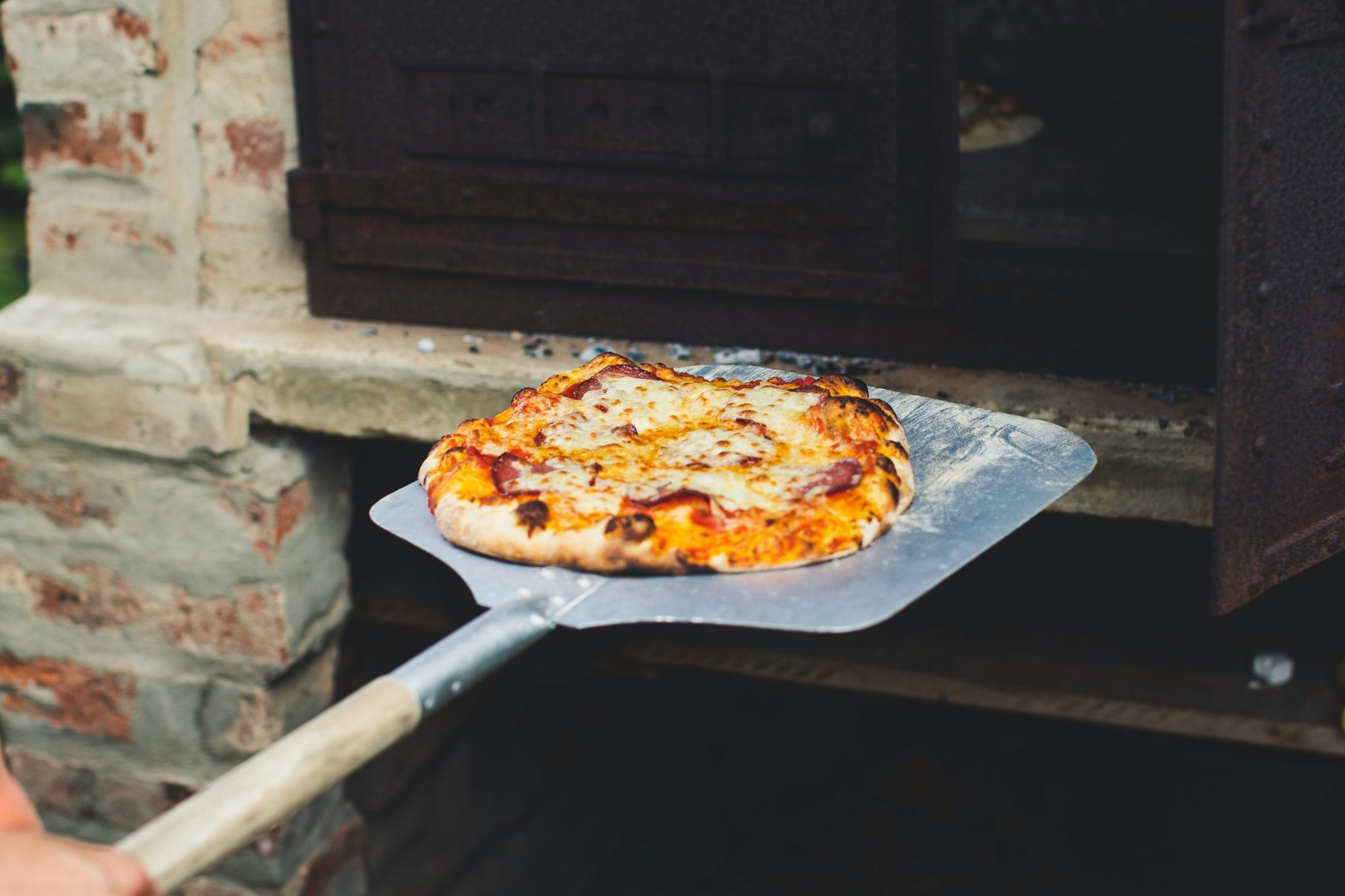
Italians have perfected the fine art of pizza with their iconic brick wood-fired ovens. The tradition dates back centuries, notably in Naples, the birthplace of Napolitano pizza.

The brick construction allows for intense heat as high as 500 degrees Celsius, and the dome shape allows heat to circulate effectively for consistent, even distribution. It makes mouth-watering pizza with an airy, crispy crust in a record-breaking 90 seconds, while adding a hint of smoky delight.

But the magic doesn’t stop at pizzas! Many regions in Italy, like Tuscany and Campania, roast meats in the same ovens, including whole lambs or goats for special celebrations. Even distribution of high heat locks in the juices. Upscale brands like Forno Bravo offer pizza ovens that can be customized with stucco exteriors or decorative tile and mosaics, for a traditional look with a personal touch.

The Social Art of Grilling

In Argentina, asado is not just a grilling method; it’s a social event. The tradition dates back to the early 19th century and has its roots in the gaucho (Argentine cowboy) lifestyle. Gauchos would gather around an open fire, grilling large cuts of meat while sharing stories and songs.

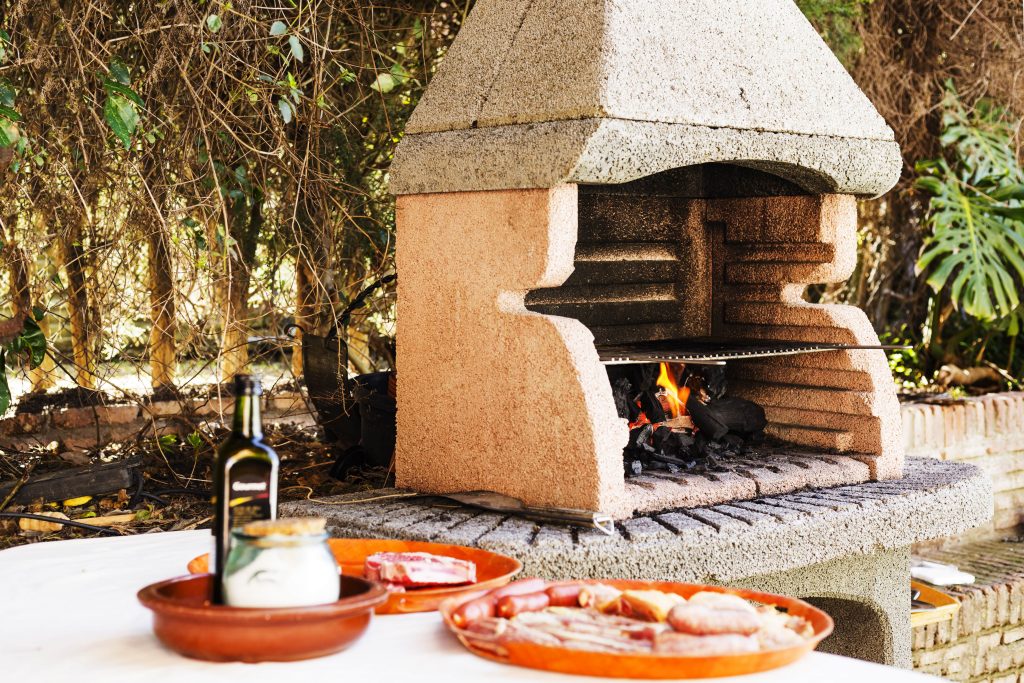
Asado barbecuing is a slow, measured process using a parrilla – a special grill, typically a two-part design featuring an iron grate and a firebox (brasero) by the side to ensure food doesn’t absorb acrid flavours that are produced when wood/charcoal is fired up.

Parrillas often come with a crank that makes the grill easy to raise and lower for quick temperature adjustments, allowing popular dishes like costillas (beef ribs), chorizo sausages and morcilla (blood sausage) to be cooked to perfection.

Since the meat is cooked over an open fire, these grills don’t imbue as much smoke flavour as an enclosed smoker. But guess what? With asado, the meat is never marinated – all you need is a good quality salt. If you’re not ready to go big with free-standing units, a built-in unit can be easily dropped into an outside kitchen island.

For a more interactive social experience, consider a Korean barbecue grill. These tabletop grills, whether built into the table or portable, encourage communal cooking and dining and allow you to cook marinated meats and vegetables right at the table.

Side dishes, known as banchan, like kimchi, pickled radishes, and various sauces, will elevate your grilling experience, making every meal both a feast and a festive event!

By Fiorella Grossi

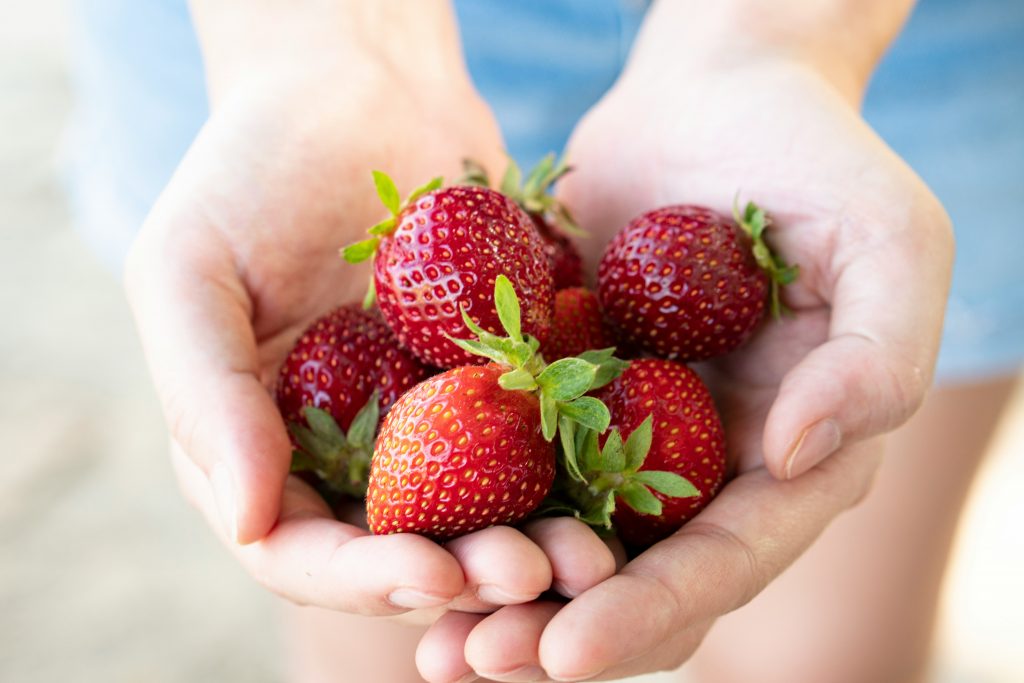
One morning over breakfast, my toddler asked for “star-berries.” She described them as, “Da red ones with da dots.” Strawberries! She wanted strawberries on her pancakes. I think she was onto something.

Strawberries are indeed celebrity berries in my opinion. Ever heard of strawberry glam jam? That’s what I call it, anyway… the shimmery preserve made with edible glitter has undeniable star quality. Nevertheless, strawberries on their own are the superstar of fruit farms at this time of year.

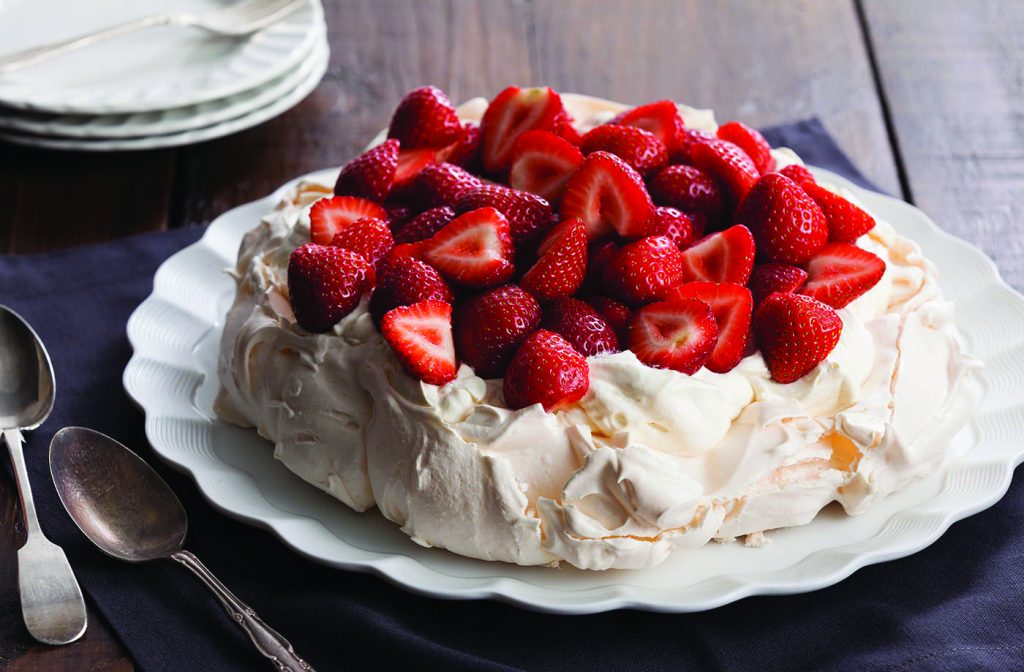
Eaten fresh, baked in a pie, tossed in a salad, or enjoyed in any number of mouthwatering ways, strawberries are a celebrated sign of summer. Speaking of summer, we visited Springridge Farm every summer and fall when my kids were little.

Now that they’re grown and no longer interested in wagon rides or the Fun Farmyard, I visit Springridge on my own to stroll around the Barn Market. I always stop in at the bakery to pick up a pie and some preserves that I end up sharing with my big kids.

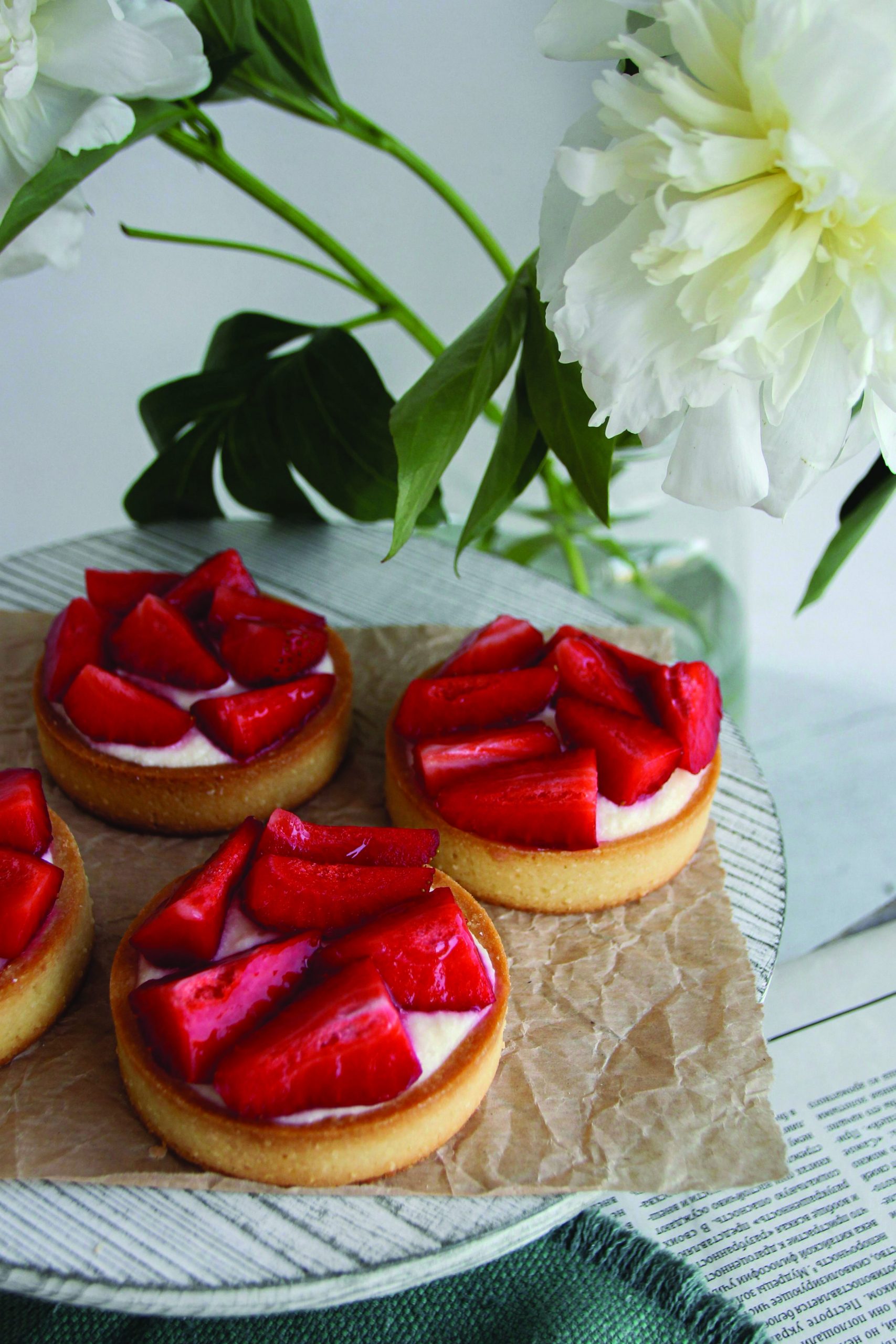
What they don’t know is I usually eat a strawberry tart or two on the way home. You snooze, you lose, kids. “Strawberry season is an exciting time here at Springridge Farm,” says Farmer John Hughes, co-owner.

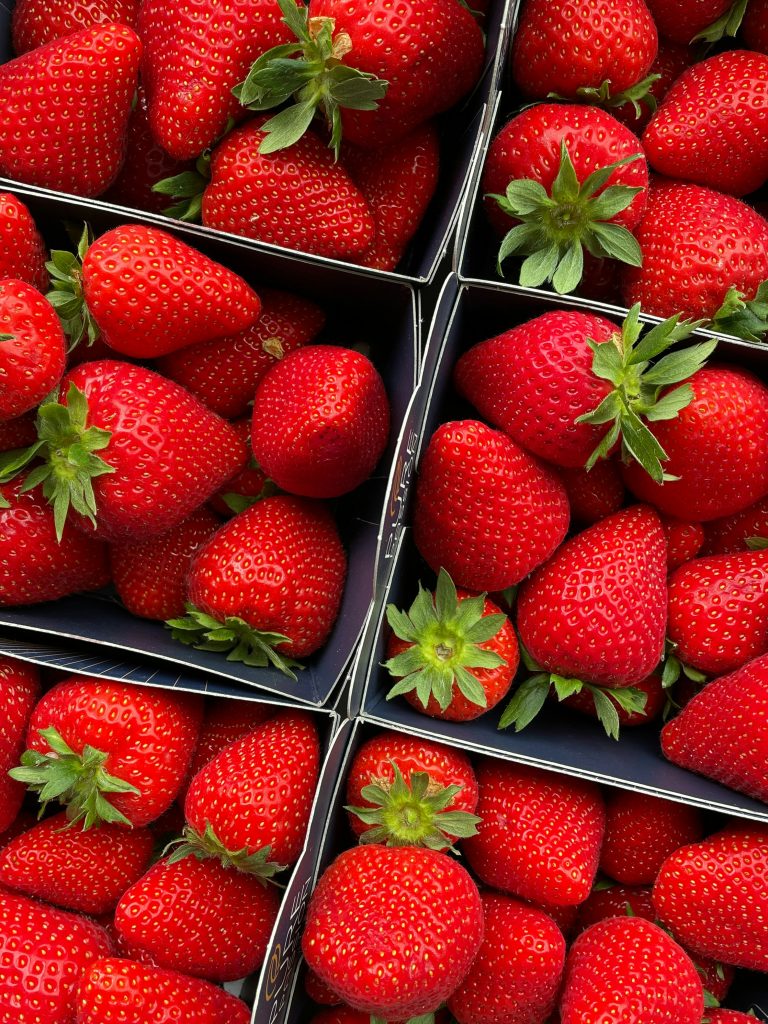
“It’s hard to believe we’ve been growing and harvesting everybody’s favourite berries for almost 40 years. We pick them at their peak, so they’re always fresh and ready for you to take home and enjoy.” If you feel like channeling your inner farmer by picking your own berries, head to Andrews Farm Market and Winery.

Established in 1980, this 165-acre community farm in Halton Hills has grown to include a winery (Strawberry Wine? Yes please!), a playground, and an animal corral. Pick your own berries or buy a basket from their “proud to be local” farm store.

Matt Setzkorn, Operations Manager at Andrews Farm says, “If you’re picking your own, choose strawberries that are bright red all over with green caps.

Avoid berries that are mostly white or green, as they’re not fully ripe. Lift the leaves gently to check for any hidden berries underneath. Sometimes the ripest ones are tucked away out of sight.

To harvest the berries, grasp the stem just above the berry between your thumb and forefinger, then give it a gentle twist. This should detach the berry from the plant without damaging it.”

Wondering what to do with your berry bounty once you’ve picked them or picked out the perfect basket at the farm store?

Indulge in their sweet, perfect ripeness and gorge. You can also dip strawberries in chocolate, add them to yogurt, preserve them in a jam, or use them in your baking.

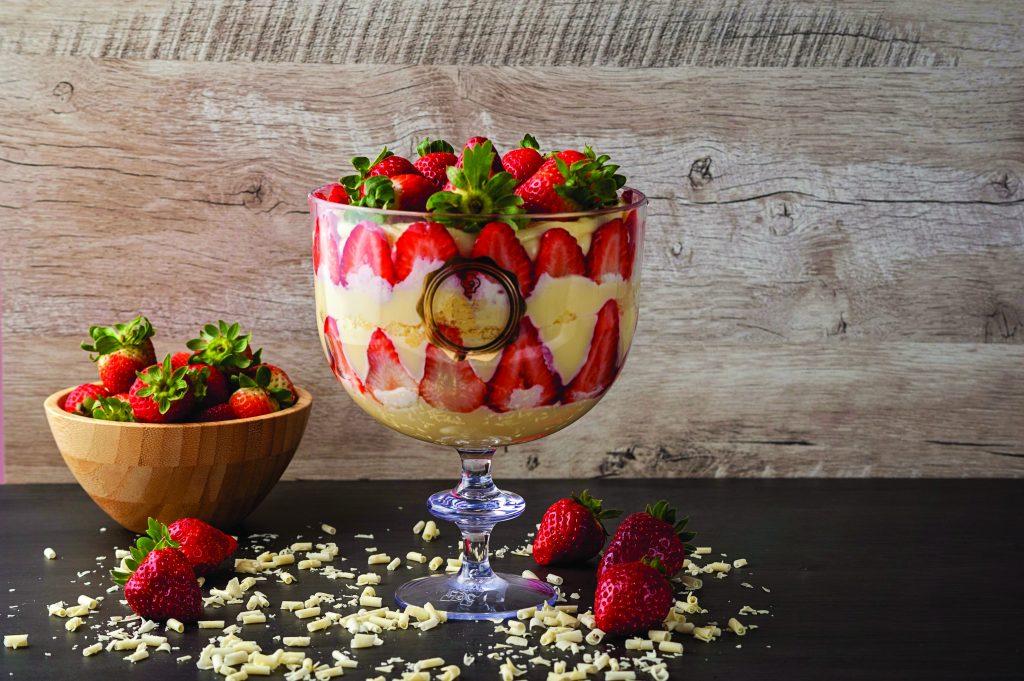
OLD-FASHIONED ENGLISH TRIFLE

YOU’LL NEED:

1 pound cake (store-bought works)

1 jar strawberry jam

1 ó cups sliced strawberries

1 ½ cups plain greek yogurt (0%)

1 tsp pure vanilla extract or paste

4 (or more) fresh whole strawberries for garnish

Slice the pound cake crosswise into ó inch slices, set aside. In a small bowl, stir vanilla into greek yogurt, set aside. Start with a layer of pound cake in the bottom of each of four large red wine glasses. You will likely need to cut the slices of pound cake into smaller shapes to create this layer – don’t worry, the finished product will look great.

Next, add a thin layer (approx 1/8 inch) of strawberry jam. Then add a layer of strawberries, and then a layer of vanilla-flavoured yogurt (between . and ó inch thick). Repeat layers until glasses are full, aiming to finish with the yogurt layer. Garnish with a whole fresh strawberry and refrigerate until ready to serve!

I always joke that I don’t bake, I “bakery” (pie crust scares me). Thankfully, Springridge Bakery offers a variety of pies, tarts, and other tasty treats. In the words of chef Jesse Lauzon, who heads the Springridge Bakery, “Strawberry shortcake is a summer classic. But another simple dessert that highlights the freshness of in season strawberries is an English Trifle.” 

Lauzon shares this lighter version of trifle, made with vanilla greek yogurt. It packs all kinds of flavour and couldn’t be simpler to put together.

“Make individual servings in large red-wine glasses, or make one large layered trifle in your favourite large glass bowl or trifle dish,” he says.

Whether you go berry picking, pick up a basket from a local farm, or enjoy berries plucked from your own garden, strawberries will undoubtedly be the star of your brunch, picnic, or dessert this season.

Enjoy! And try not to get strawberry juice on your shirt.

By Lisa Thornbury

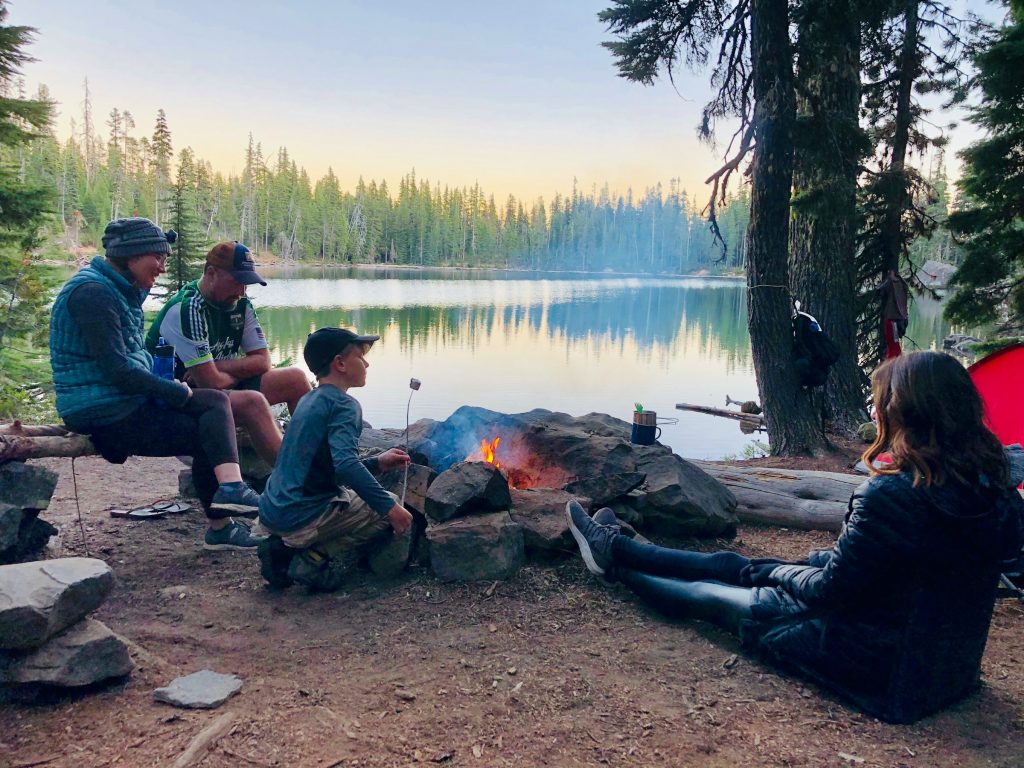
Connecting with nature, unplugging, and roasting s’mores sounds blissful. But let’s be real, roughing it in the great outdoors can be intimidating. Whether you’re a seasoned camper or a newbie outdoors person, a little preparation can elevate your camping trip from basic survival to a relaxing retreat.

PICK THE PERFECT SPOT

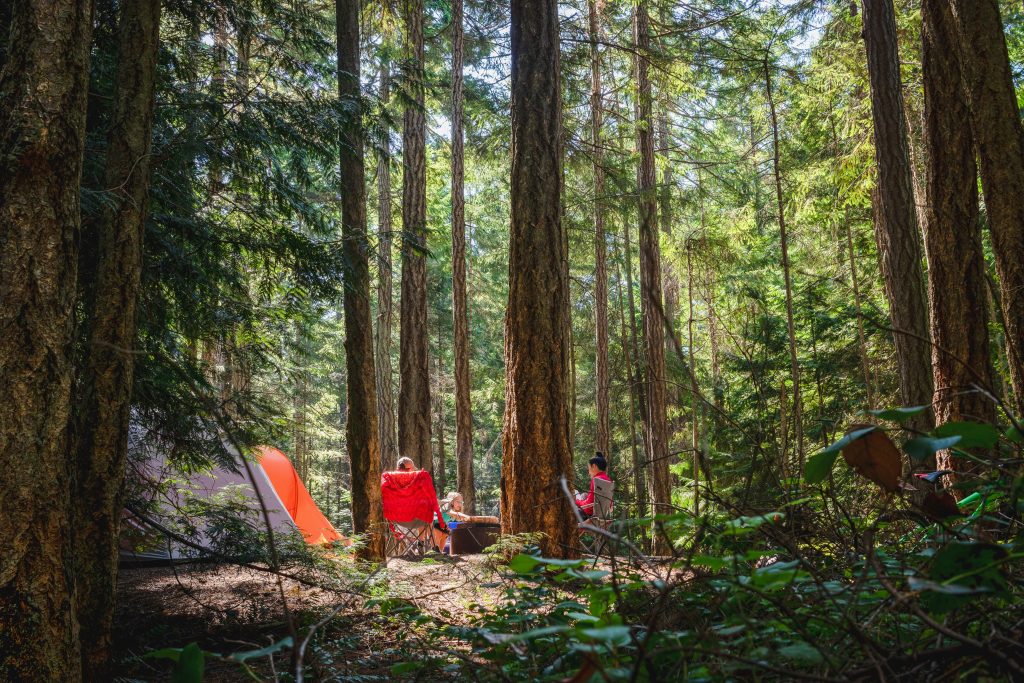
The perfect campsite is key to a great trip, especially with kids and pets in tow. Look for amenities such as safe swimming areas and easy to access hiking trails, and consider proximity to bathrooms and a camp store for essentials.

Opt for shaded campsites, especially for pets. If backpacking, choose a flat location that is clear of rocks to set up your tent and consider proximity to water sources and trees for shelter from the wind.

FIND THE RIGHT TENT

When buying a tent, “size, weight, and durability are the most important factors,” says Marina Orde, General Manager at Adventure Attic in Dundas. Lightweight tents are ideal for backpackers, while durability is a main concern for car campers and families.

Melo Ding, Owner of Ox-Gen Outdoors in Oakville, says tent size is rated by the number of people that can sleep in a tent, but warns these ratings can be tight. Allow extra space for gear.

MAKE YOUR BED

Pack a sleeping bag, a pillow, and an air mattress or sleeping pad for a cozy night’s rest. Sleeping bags trap your body heat inside to keep you warm while an air mattress or sleeping pad adds a layer of cushioning and insulation from the ground.

Sleeping pads roll up to fit inside your backpack, while air mattresses require an air pump for inflation but feel more like a regular bed. “You can also consider a camping cot if you don’t want to sleep on the ground directly,” suggests Ding.

PACK KITCHEN ESSENTIALS

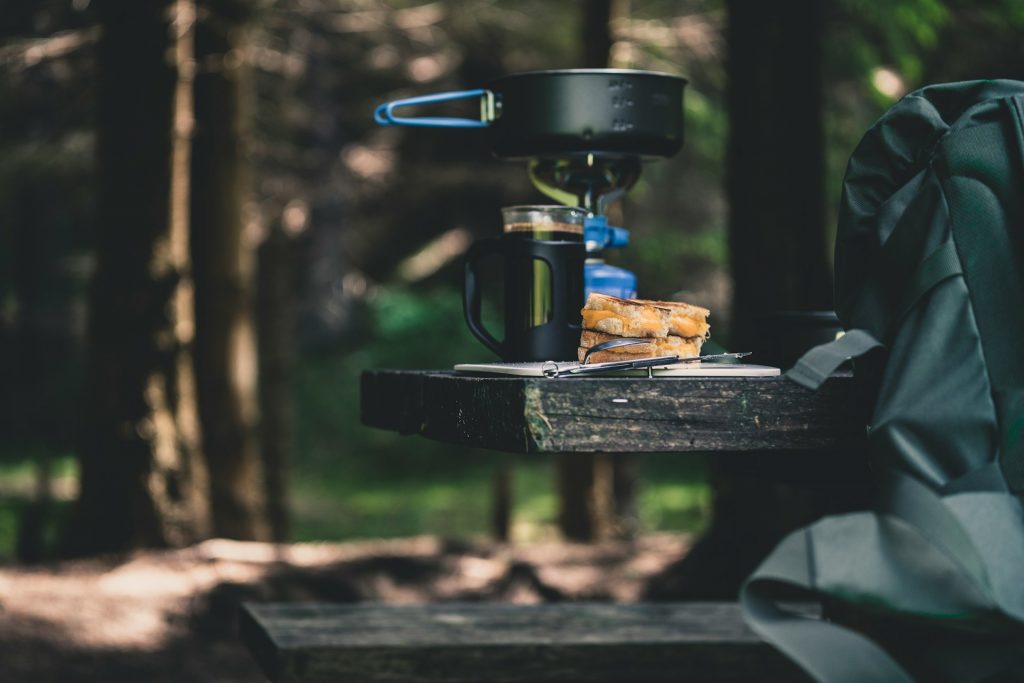
Roughing it somehow turns eggs and a humble cup of coffee into a zen ritual. For kitchen convenience don’t forget the portable gas stove, cookware, mugs, collapsible sink, and biodegradable camp soap. “Camp soap is usually very concentrated, so a little goes a long way,” says Orde.

PREP MEALS IN ADVANCE

Pre-made food, frozen in a leakproof container, is handy and also functions as ice in the cooler. Orde’s go-to camping meal is chili. “Chili can be prepared as a vegetarian or vegan option, and can offer great nutritional content: protein, vegetables, carbs and fibre,” she says, adding that chili can double as pasta sauce.

KEEP FOOD COLD AND SAFE

To keep food fresh, Order recommends YETI Tundra coolers. “These will keep ice frozen for days, and keep your food properly chilled for days, too,” says Orde. For optimal coolness, pre-chill your cooler and then place an ice block at the bottom, packing food in layers.

“Place items that need to stay coldest, such as raw meat and dairy, closest to the ice,” says Ding. Fill in empty spaces with ice. “A tightly packed cooler retains cold air more effectively and slows down the melting of ice,” says Ding.

Keep your cooler in a shaded area, replenishing ice as needed. Pack beverages in a separate cooler to avoid letting the heat in every time you grab a drink. Freeze dried foods and nonperishables are best for backcountry camping since keeping food cold isn’t an option.

STAY ORGANIZED

Labeled plastic storage bins help keep everything neat and protected. Ding recommends hanging gear on hooks to keep it off the ground and easy to find. Backcountry campers have the added challenge of packing only essentials to keep their load manageable.

Keep frequently used items accessible in exterior pockets to avoid digging through your pack, and use waterproof bags for clothing, electronics, and other items that need to stay dry.

Implementing these tips will help to make your outdoor getaway comfy and fun!

By Lisa Evans

Country day trips nourish the soul. Natural landscapes lift anyone’s spirits, and the therapeutic benefits of petting a bunny or frolicking in a meadow are hardly surprising. For city slickers craving a rustic getaway or a taste of nature’s bounty, the following two rural destinations are unique, local, and not to be missed.

TRIPLE C FARM, ANCASTER

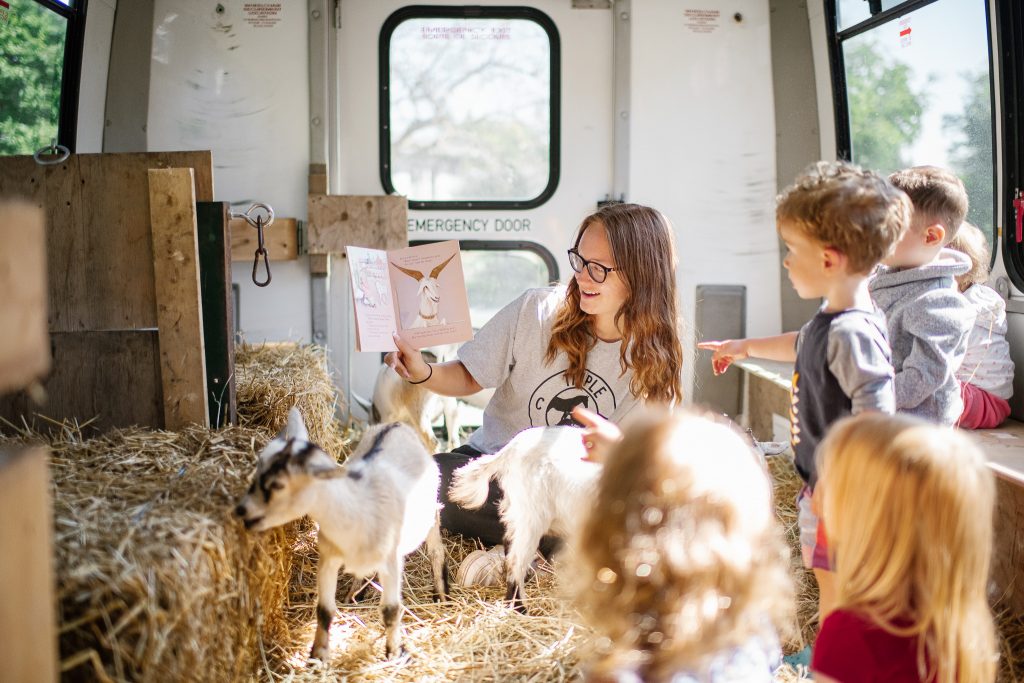
Triple C started as a small hobby farm and horse boarding facility. Tricia Simons set up the farm to make her eldest son Geoffrey’s farming dreams come true. They started by rescuing four goats, a sheep, and two horses. The farm eventually opened its doors to the public for goat yoga.

If you’ve never heard of this, instead of the usual ultra-serious kind of zen experience, this yoga involves adorable goats checking you out, jumping on you, or chewing on your hair – making it impossible to have a bad day.

As word spread about these animal rescuers, their hobby farm evolved into a fully functional animal sanctuary. “Admittedly it is a bit addictive outbidding a meat buyer, walking out with an animal that was bound to be killed, and bringing it home and seeing it blossom and love and just be happy,” says owner Tricia Simons.

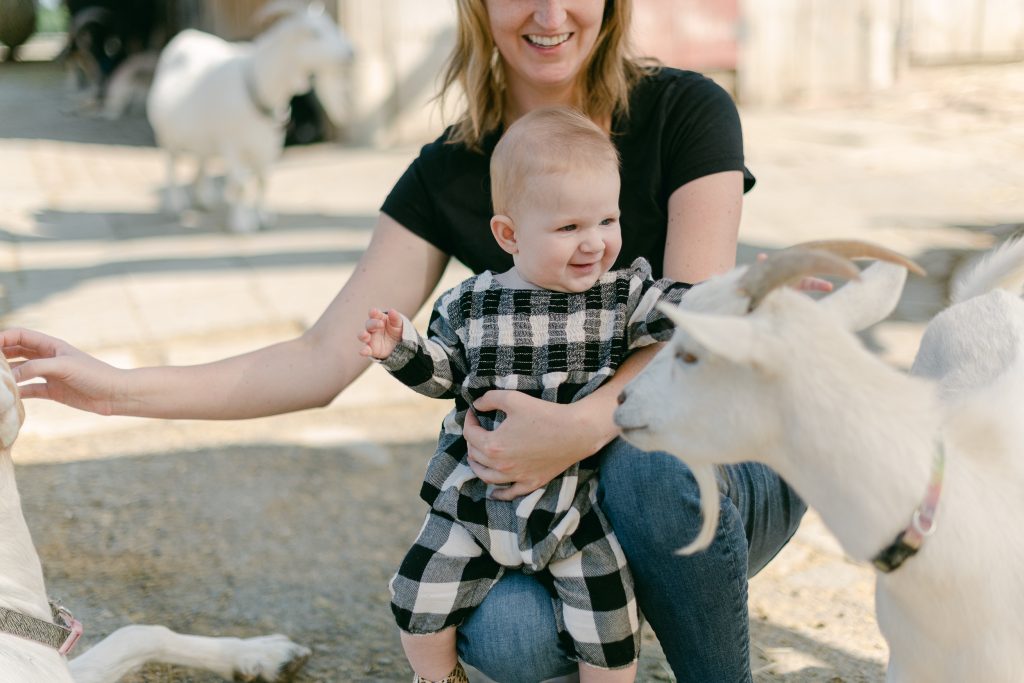
By appointment only, visitors can enjoy the property at their leisure. The interactive petting farm has more than 160 animals (goats, sheep, alpacas, mini horses, pigs). Visitors can take an alpaca, donkey, mini horse or goat for a walk; snuggle with goats, bunnies or mini pigs; groom a horse or donkey; partake in goat yoga; or even bring their favourite DVD and watch a movie with their new furry friends. Beyond the petting area there are horse and donkey paddocks, and freeroaming chickens and ducks.

The farm is a source of income for Simons and her family but, more importantly, it gives brothers Geoffrey, Michael and Richard, all of whom have autism, a wonderful life. “The farm’s most unique feature is that over 80% of the work is done by individuals with special needs,”

Simons says. “It gives them a sense of purpose and a ‘job’, and a place where they can be themselves — not to mention reducing the amount of screen time in their lives.”

WEST AVENUE CIDER HOUSE, FREELTON

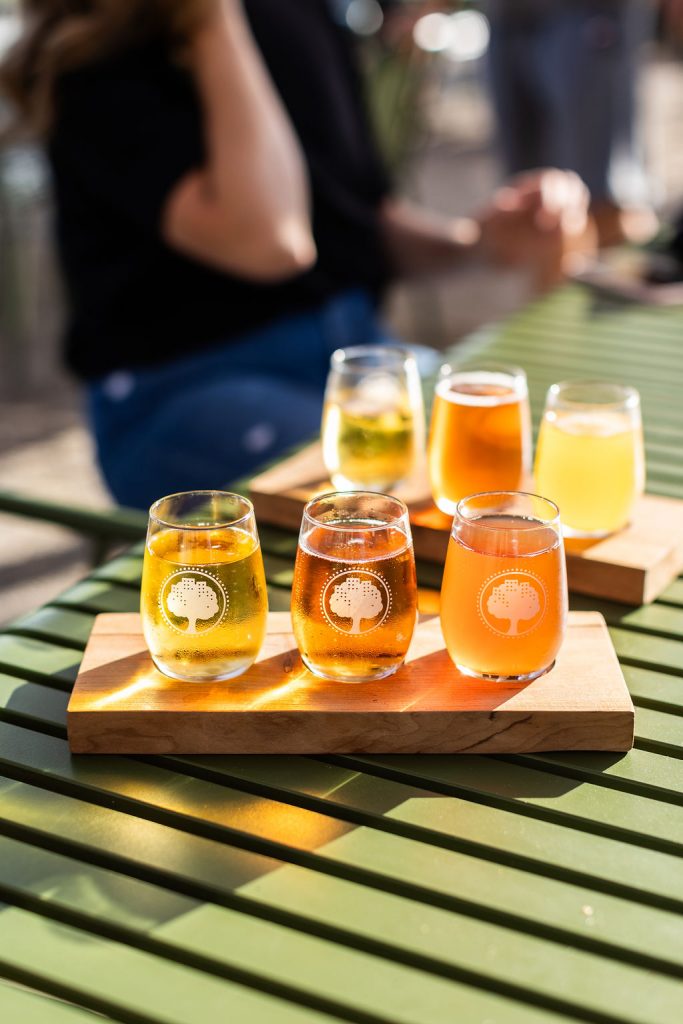
The 75-acre property owned by Amy Robson and Chris Haworth is a popular destination for its breathtaking scenery and award-winning artisanal cider. The idea for West Avenue Cider House started to form when the couple lived in England. “There were so many amazing unique ciders and cider houses, but when we came back to Canada in 2005 there was nothing like that here,” Robson says. It took Amy and Chris – then a TV producer and a chef, respectively – a few years to get a business plan together and develop recipes.

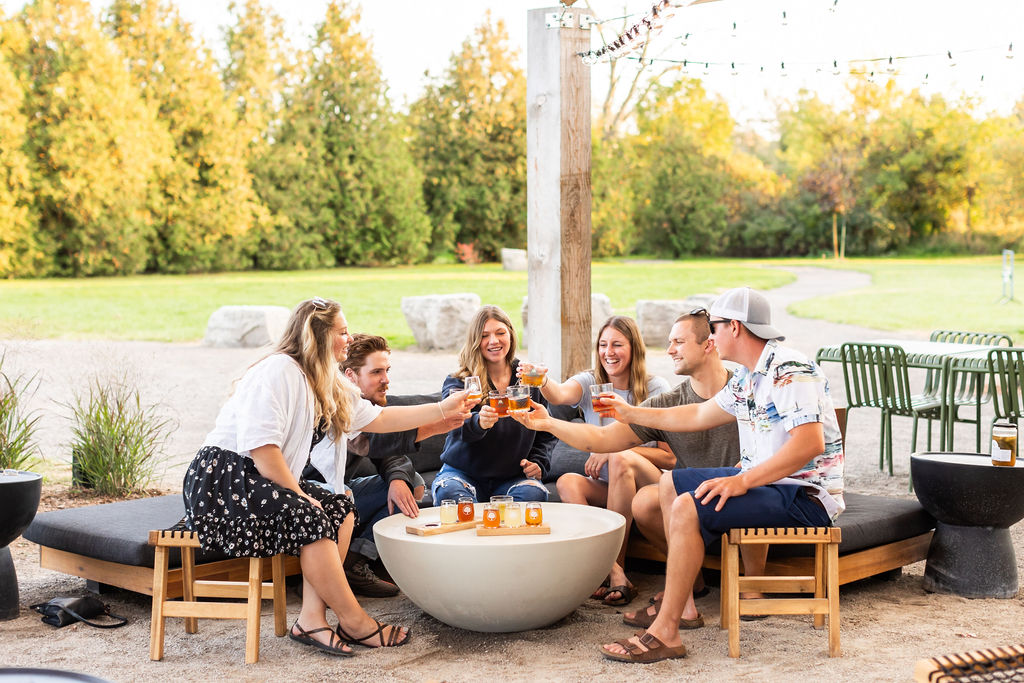
What started as just a taproom has evolved into a thriving family-friendly agro-tourism experience. On a sunny day it’s abuzz with first dates, friends and families. “In England it was perfectly acceptable for you to bring your children to the pub,” Robson says. “We wanted a place where kids can roam and dogs can hang out.”

The property includes two kilometres of hiking trails where visitors can see the honey bees and apple trees, a lookout, a pond with a beaver dam, and even the resident chickens and roosters. The Cider House itself is cozy and rustic but, in nice weather, patrons prefer to sit outside in the beautiful Meadow Lounge to socialize and enjoy cider, wood-oven pizza and other delights in the soft summer breeze.

The scenery is so tranquil and pretty that West Avenue has become a popular spot for weddings, landscape painting, spa retreats, and more.

West Avenue Cider House’s summer hours are Wednesday through Sunday from noon to 6:00 p.m.

By Michelle Morra

The season for outdoor leisure has finally arrived, so dust off your cushions. It’s prime patio time! Since the start of the pandemic, homeowners have invested more in their outdoor living spaces to design inviting retreats that cater to their needs.

A patio can become the ideal oasis for relaxing with a good book, socializing with friends and family, or simply connecting with nature while breathing in the fresh summer air. “People are creating tranquility in their own yard,” says Jay Real, Owner of Oakville Home Leisure. “They’re trying to recreate a vacation they’ve been on and experiences they’ve seen and felt elsewhere as an extension of their home.”

“Cabanas, kitchens, dining al fresco, technology with stereo systems and TVs are all things people are investing in,” explains Rose Luxton, Owner of Lakeside Livin’. “Outdoor spaces have evolved a lot.” Regardless of the size of your space, you can easily integrate elements of breezy resort living into a condo balcony or a complete backyard makeover with the following trends.

Colour

Design experts agree this season is all about cool blue hues. Common interpretations of this colour provide all the feelings you want to integrate into a dreamy staycation including calmness, serenity, and refreshment.

“You can incorporate a colour theme throughout your entire space,” says Luxton. “You can infuse it into striped fabrics, outdoor rugs, and pillows. Not only are we seeing a lot of blue this summer but orange, lime green, and other pops of colour too.”

Furniture

Opt for pieces that evoke the comfort and luxury experienced on a beach vacation while creating a personalized look. There’s no need for the various elements to match.

“We’re seeing a movement away from sectionals back to sofas, loveseats, club chairs, and club swivels,” explains Real. “The trend in the industry still includes resin wicker, but it’s swaying more to aluminum and other materials as additional creative design elements are available. Mixing elements by pairing rustic teak tables with wicker dining is very popular.”

Decor

Accessories make memories! Take the opportunity to select pieces representative of your lifestyle from kid-friendly corners to sophisticated spaces for empty nesters.

“Pillows with sayings are always embraced,” says Luxton. “Outdoor metal artwork is a great way to decorate brick walls and fences. People are also veering toward natural tones and woods because you can always mix and match any trend with sustainable outdoor wood foundations.”

Shade

Sun protection is as important on your deck as it is on a tropical vacation. Retractable shades and umbrellas featuring breathable fabrics and UVstable finishes will help keep you cool and safe from harmful rays.

“Shade is at the top end of everyone’s scale of what they’re looking for,” says Real. “In this climate, people are also opting for cantilevers with rolling bases so they can move the umbrella around their backyard and adjust to the changing seasons.”

Must Haves

Ambiance is the hottest trend you can add to your patio space this summer. Luxton’s pick is, “Hanging solar lanterns that have the look of real flames to create that lustre and [cozy] feeling when you are sitting outside.”

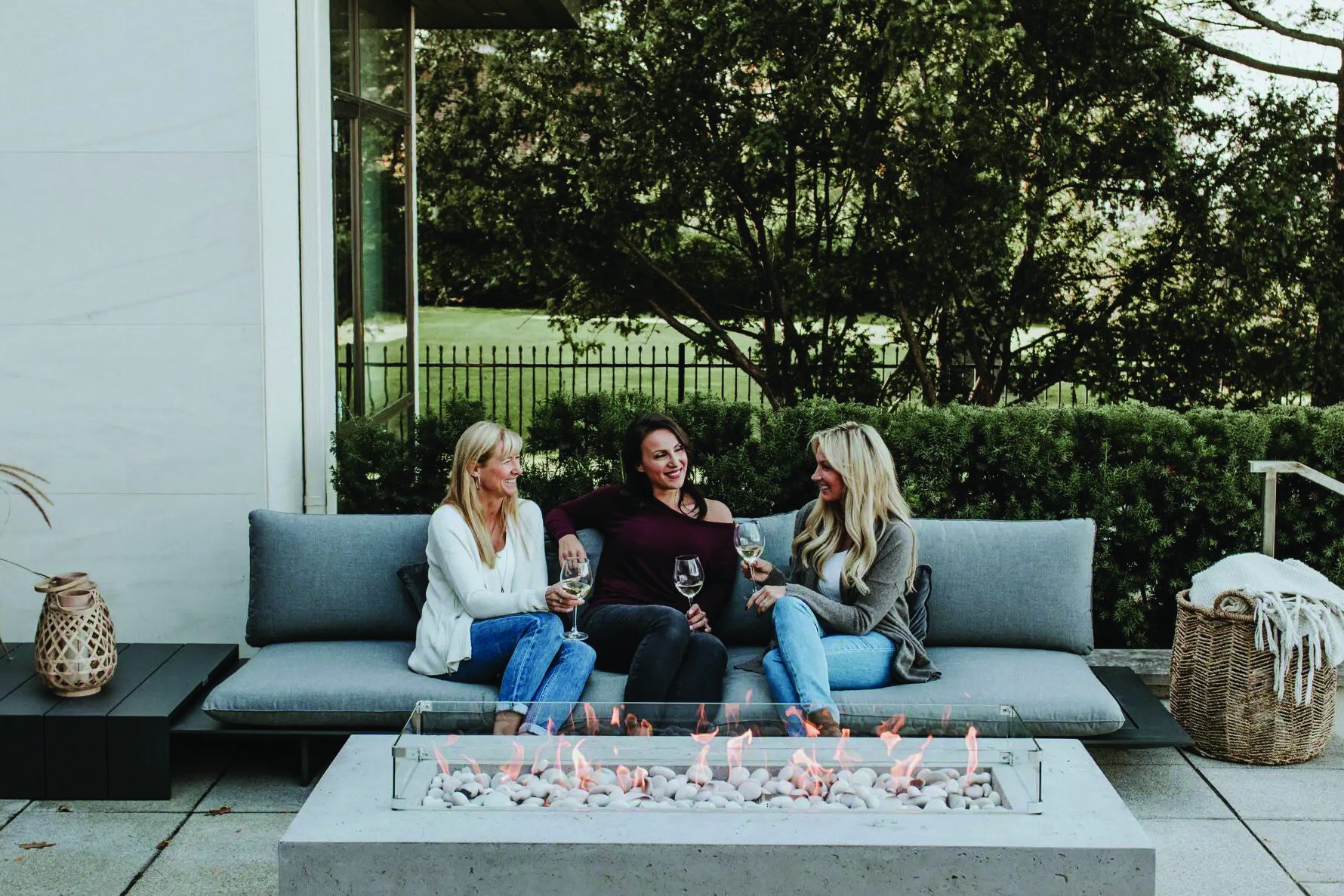
Real chooses fire features. “Everybody loves to gather around a fire as it can be used for heat or ambiance,” he says. “Dekko ultra-modern fire pits are absolutely spectacular.”

By Nicole Hilton