Category

Food & Drink

Category

We are truly fortunate to live in a community with such a vast selection of great restaurants, with cuisine options from everywhere around the globe. This winter, why not treat yourself to some relaxing meals out, and say goodbye to food prep and the washing up?

Taste of Burlington and Taste of Oakville are back this winter with prix-fixe menus at some of the area’s best restaurants. These popular events should be all the motivation we need to venture out for a culinary adventure. The participating restaurants will create unique, mouth-watering courses for both lunch and dinner to showcase their culinary talents. Since each prix- fixe offering is carefully crafted with flavours that complement one another, you don’t have to agonize over what to order.

Taste of Burlington will return for its 17th year, running from January 27th to February 9th, offering two weeks of exceptional cuisine in many of Burlington’s best dining spots. Claire Green, Director of Destination Development and Marketing at Burlington Economic Development and Tourism, invites you to indulge in the creative menus and explore the unique flavours that make Burlington a culinary standout in southern Ontario. “This program is a testament to the incredible dining experiences Burlington has to offer and we’re very excited about this year’s line-up of restaurants and some of the new features we have planned.”

Taste of Oakville will run from February 17th to March 10th, featuring restaurants from Downtown, Bronte, Kerr Village and all across Oakville. The event is sponsored by our local BIAs, the Oakville Chamber of Commerce, and Visit Oakville. To add to the fun and celebration, many of the participating restaurants are planning to offer live music on Tuesdays this year.

So don’t delay − grab a friend, family member or go solo to discover what’s on offer this year.

To learn more about the restaurants participating, visit TASTEOFBURLINGTON.CA and TASTEOFOAKVILLE.CA

Discover New Menus, Unique Flavours, and Exciting New Features as Burlington’s Premier Culinary Event Returns for its 17th Year.

Burlington’s favourite culinary event is back! Taste of Burlington will return from January 27th to February 9th, 2025, offering two weeks of exceptional prix-fixe dining showcasing the city’s vibrant restaurant scene. Featuring many of Burlington’s best dining spots, the program invites food lovers to indulge in creative menus while exploring the unique flavours that make Burlington a culinary standout in Southern Ontario.

“This program is a testament to the incredible dining experiences Burlington has to offer and we’re very excited about this year’s line-up of restaurants and some of the new features we have planned,” said Claire Green, Director of Destination Development and Marketing at Burlington Economic Development and Tourism Burlington. “Taste of Burlington gives food lovers the opportunity to get out and enjoy a delicious and unique dining experience. This year, we’re also encouraging everyone to get curious about the creators behind the food, their culinary journeys, and what inspires them in the kitchen. You’ll want to follow us on Instagram for more on this!”

Participating restaurants will offer unique prix-fixe menus spanning a wide range of cuisines for lunch and dinner, making it easy for guests to experience Burlington’s diverse culinary talent.

Visit tasteofburlington.ca to view participating restaurants and stay tuned as more are added. Follow @tasteofburl on Instagram for all the mouth-watering and delicious content leading up to the 2025 program, including exciting new features and giveaways!

Media Contact
Claire.Green@burlington.ca

About Taste of Burlington

Taste of Burlington is an annual culinary event that brings two weeks of exciting prix-fixe menus crafted by Burlington’s talented chefs. From inventive new dishes to beloved classics, participating restaurants offer a taste of the creativity, passion, and diversity that defines our local dining scene. It’s the perfect opportunity to explore the city’s evolving food culture and connect with Burlington’s vibrant community of chefs and restauranteurs.

About Tourism Burlington

Tourism Burlington is the official destination management and marketing organization for Burlington, Ontario. We work to strengthen the visitor economy and promote the city’s tourism industry by collaborating with local businesses, tourism operators, and ecosystem partners. Our efforts focus on fostering sustainable growth, enhancing the visitor experience, and elevating Burlington’s profile as a welcoming and connected destination, contributing to the city’s economic vitality.

The festive season warms our hearts with family, friends, and cherished traditions. What better way to add even more sweetness than with cakes from different cultures? Bursting with flavour and history, these treats “take the cake” when it comes to bringing people together. Try these beloved holiday desserts, fresh from bakeries in our deliciously diverse community.

The Yule Log (Bûche de Noël)

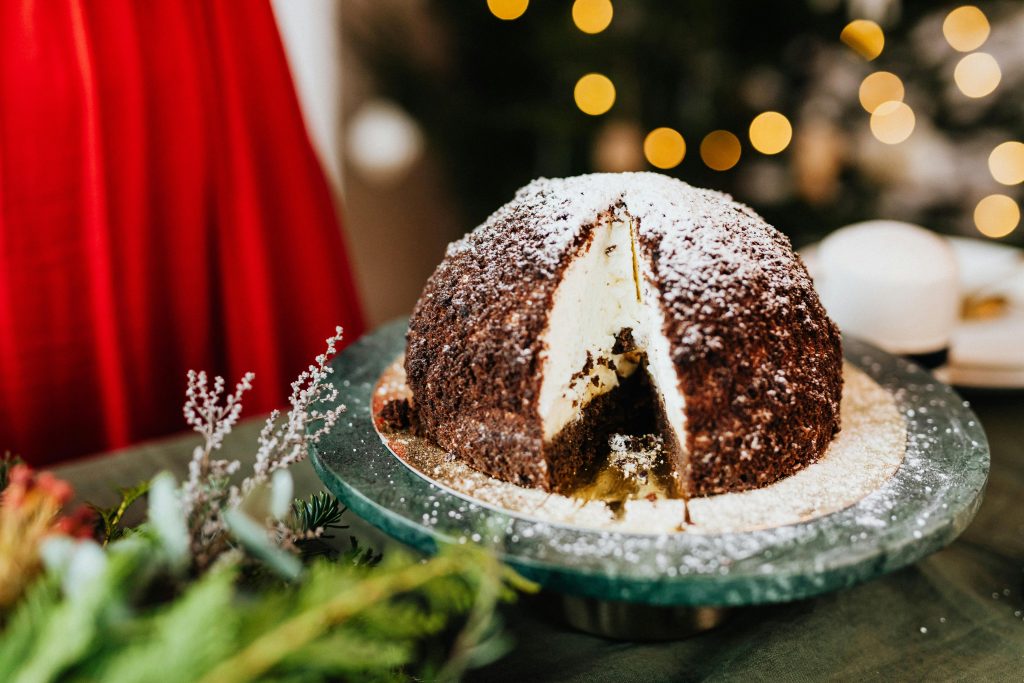
The Yule Log, or Bûche de Noël, has been a holiday favourite for generations. Inspired by the Germanic tradition of burning a yule log to welcome the sun, this 19th-century French cake symbolizes warmth and light. It’s a rolled sponge cake covered in chocolate buttercream, decorated to look like a tree branch with meringue mushrooms and a dusting of powdered sugar snow for a rustic touch.

British Fruit Cake

This holiday staple is packed with dried fruits, nuts, and sometimes a splash of rum or brandy. It’s dense and often covered in a thick layer of marzipan or royal icing. Fruit cake dates back to ancient Rome, when it was made with pomegranate seeds and raisins. And while it may not be everyone’s cup of tea, in the UK, a holiday without fruit cake would be decidedly unfestive.

Jamaican Black Cake

Speaking of fruit cakes, Jamaican Black Cake is served both at weddings and during the Christmas season. Soaking it in rum and wine gives it an intense flavour and a beautiful dark colour. This cake warms you from the inside out, making it a holiday favourite in many Caribbean households. (Author’s note: I’m not a fruitcake fan, but this one might convert me!)

Allahabadi Cake from India

Traditionally made for Christmas by Christian communities in India, Allahabadi Cake is a fruitcake with a twist. It’s spiced with ginger, cinnamon, and nutmeg and soaked in rum, but also includes ghee and petha (a candied gourd).

Hanukkah Cake (Apple Cinnamon Cake)

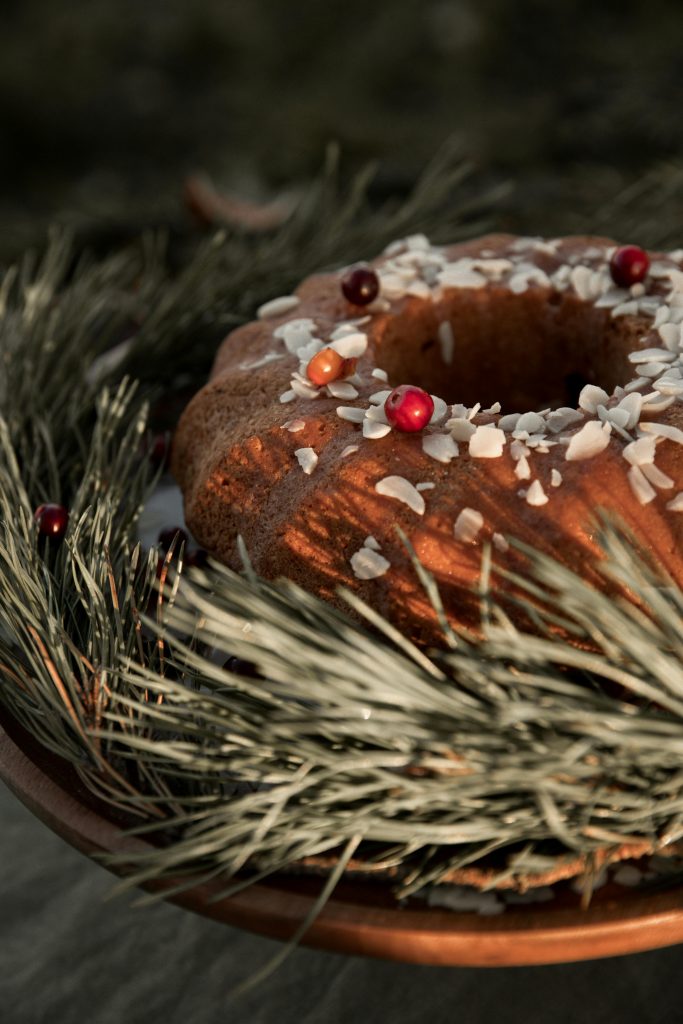
To mark the eight-day celebration of Hanukkah, many families enjoy a delicious Apple Cinnamon Cake. This spiced cake has layers of apples, cinnamon, and a hint of honey, symbolizing the sweetness of life and the warmth of family. The simplicity of this cake is its strength — easy to make and bursting with flavour.

Kurisumasu Keki from Japan

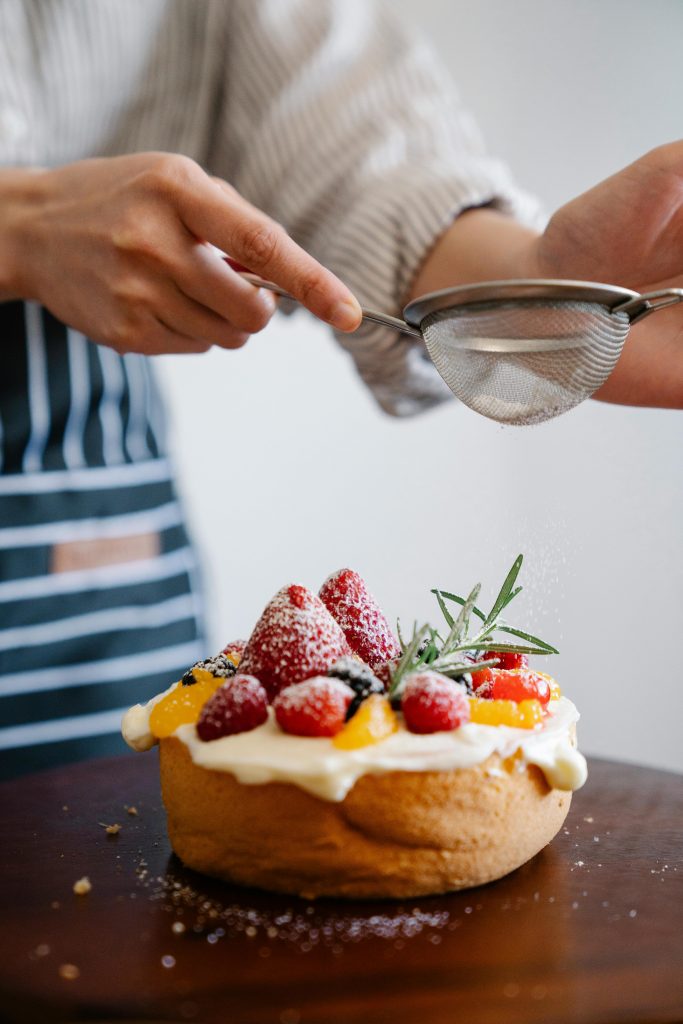
In Japan, Christmas is a relatively modern holiday, and the Kurisumasu Keki is its sweetest symbol. This light sponge cake is layered with whipped cream and strawberries, a simple but elegant dessert that’s as pretty as it is delicious.

Panettone from Italy

This fluffy cake filled with dried fruits has become a global holiday favourite. Its subtle sweetness is perfect for the season. Have leftovers? Panettone French toast or bread pudding makes a rich breakfast treat.

Bibingka from the Philippines

Bibingka is a traditional Filipino rice cake. Made with coconut milk, eggs, and cheese, this cake is typically cooked in clay pots lined with banana leaves for a unique, slightly smoky flavour. It’s often served after midnight mass during the Christmas season.

Drømmekage from Denmark

The Danish Drømmekage, or “Dream Cake,” is as dreamy as it sounds. It’s a moist sponge cake topped with a crunchy caramelized coconut topping.

Bolo Rei from Portugal

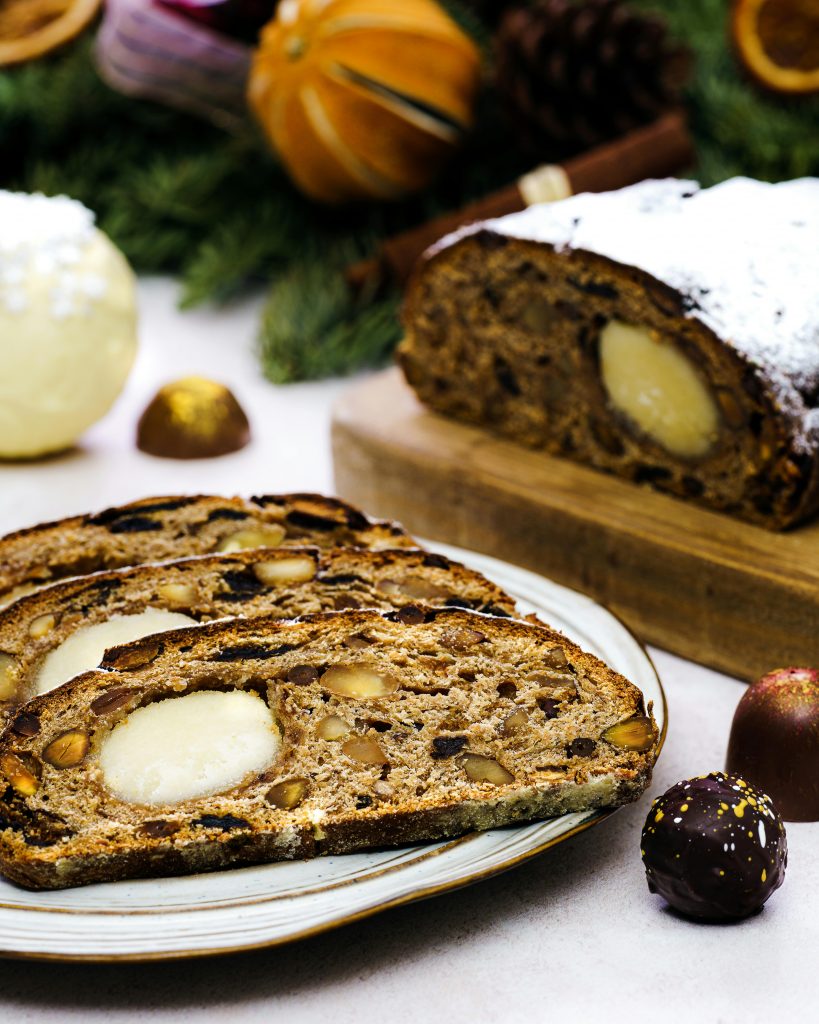
Bolo Rei or King Cake is a Portuguese classic that’s both fun and flavourful. Shaped like a crown and filled with candied fruits and nuts, it’s traditionally eaten from Christmas through Epiphany. The real excitement comes from the hidden surprises — a tiny gift and a fava bean are baked inside. Whoever finds the bean has to buy the cake next year.

Chinese New Year Cake

Many families celebrate Lunar New Year with Nian Gao, a sweet, chewy steamed rice cake made of glutinous rice flour and brown sugar. Symbolizing prosperity and growth, it’s traditionally shared with loved ones to bring good fortune in the year ahead. I’ll take some of that!

Christmas Cake

Finally, whimsical cakes decorated with beloved holiday characters or winter scenes can be enjoyed at holiday parties around our community, bringing a festive touch that delights both the eyes and the taste buds.

Local Links:

The Sweetest Thing, Oakville
Christmas themed cakes
thesweetestthing.com

Sweet Paradise Bakery,
Waterdown
Christmas cakes and Yule logs
sweetparadise.ca

The Black Forest Pastry Shop,
Oakville
Yule logs
black-forest-pastry-shop.square.site/#2

Sweet Bakery, Oakville
Christmas themed cakes
sweetbakery.ca

Denninger’s, Oakville and
Burlington
Yule logs
denningers.com

Aveiro Bakery, Oakville
Bolo Rei or King Cake
aveirobakery.ca

Monastery Bakery, Oakville
Panettone, Yule logs, Cinnamon
Apple Cake
monasterybakery.com

The Danish Pastry House,
Oakville and Burlington
Drømmekage or Dream Cake
danishpastryhouse.ca

British Pride Bakery, Burlington
British Fruit Cake
britishpridebakery.com

By Lisa Thornbury

Fresh and wild, startling and soothing, every bite of Peruvian food is an adventure on the fork. You can almost feel the wind in your hair and see green fields from a lofty mountain top. As this unique South American cuisine gains worldwide recognition, Halton foodies are catching on. 

Oakville opened its first Peruvian restaurant, Machu Picchu, 16 years ago. “Peruvian food is all kinds of things,” says owner Roberto Timoteo. “Ceviche is our signature dish, which is made with either fi sh or a combination of fi sh and seafood. We also serve beef dishes, like Lomo Saltado [a Peruvian-Chinese stir-fry], and every Thursday we have a rotisserie special.” 

Casa Mia, owned by Gladys Rubatto, intersects fi ne dining with home made, authentic Peruvian flavours passed down through generations. “Our restaurant is generally bustling, with customers out the door,” Rubatto says. 

Because Peru borders the sea, fish and seafood feature prominently. So do melt-in-your-mouth meats. “We are proud of our Peruvian style fi sh paella, a delightful take on the traditional Spanish dish,” Rubatto says. “However, our traditional dishes also consist of chicken, including the famous pollo a la brasa, and beef stews which are slow cooked and braised”. 

Move over, Paris! 

In recent years, the World Travel Awards have repeatedly named Peru a top gastronomic destination. 

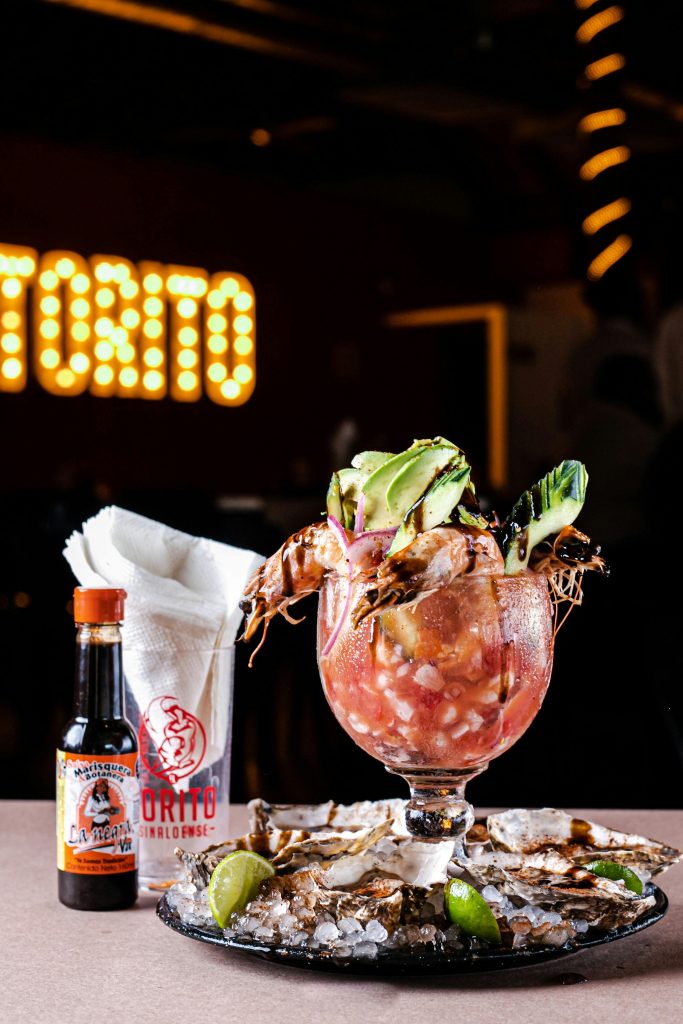
In 2024, the number one Michelin rated restaurant in the world is Mérito in Lima, Peru. 

In 2023, another Lima restaurant, Central, landed the No. 1 spot on the World’s 50 Best list. It was the first time a South American restaurant received the honour. 

Vegetarians, too, can be transported. Casa Mia’s papa a la huancaina, for example, is made with ajíamarillo peppers prepared in the Huancayo tradition. 

FUSION AT ITS BEST 

“Peruvian cuisine is characterized by foods and flavours from a diverse landscape that extends from the Andes to the Pacific coast,” Rubatto says. “These are steeped in rich tradition and history.” 

That history spans 7000 years and multiple waves of migration. The Incas’ cuisine took on new ingredients when the Spanish took over the Empire in 1533. As of the 16th century, African slaves had their own influence on meals. Arab, Chinese, and Japanese migration to Peru in the 19th century introduced a host of new flavours and cooking methods. 

POPULAR PALATE PLEASERS 

Peruvian food is all about contrasts. Chefs playfully pair hot and cold, crunchy and soft, robust and delicate. Potato, cassava or plantain temper the tangy and acidic blends of onions, peppers and citrus. Here are some classics: 

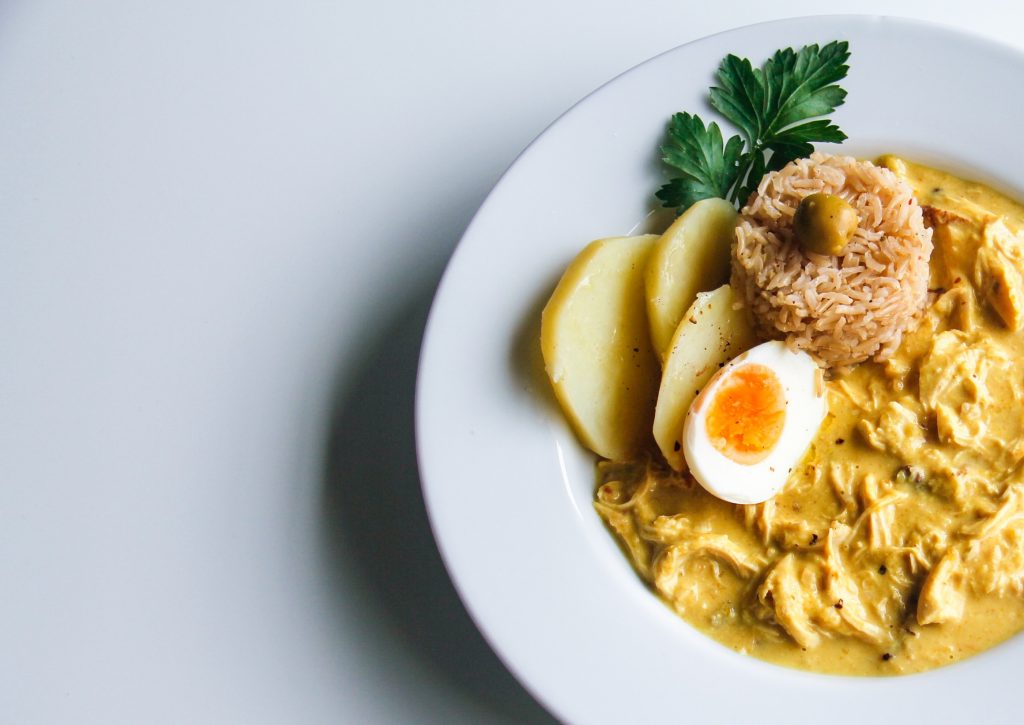
Aji De Gallina 

This traditional Peruvian chicken stew is the ultimate comfort food. Its base is shredded poached chicken in a creamy, savoury sauce spiced with Aji Amarillo chili pepper. 

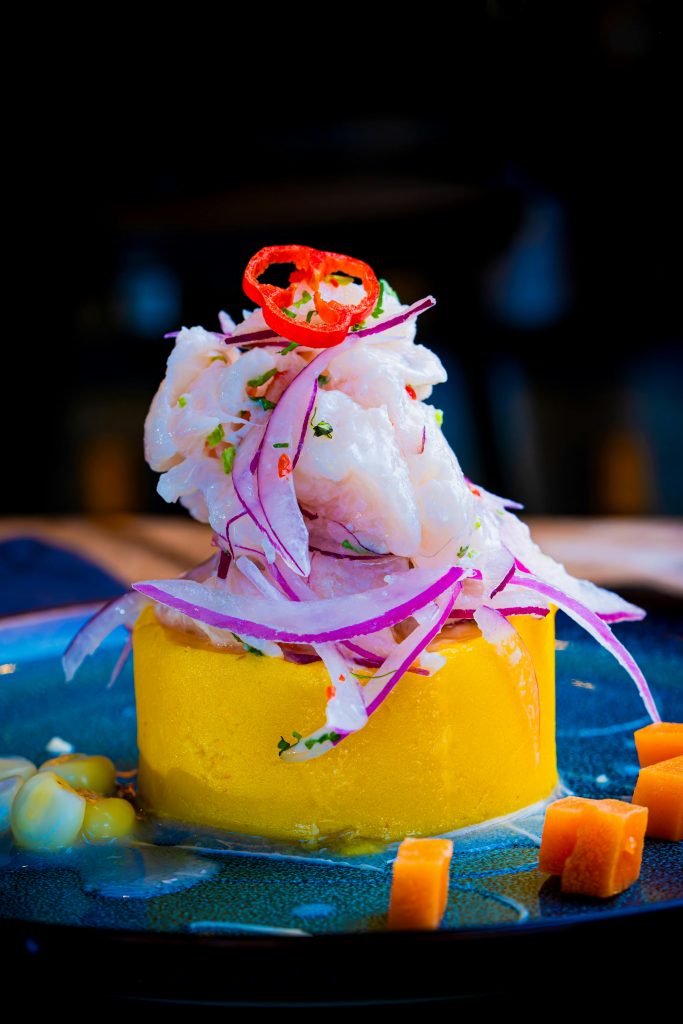
Ceviche 

Traditional ceviche consists of bite-sized pieces of raw fresh fish or shrimp, marinated in lemon, bitter orange and/or key lime juice that “cooks” the food with its acidity. Peruvian ceviche is served with sliced onions and chilis, sweet potato, and crunchy toasted corn. 

Modern chefs offer myriad twists on ceviche. Machu Picchu’s menu features hearts of palm or artichokes as vegetarian ceviche options that deliver the same party in your mouth. 

Empanadas

A Peruvian empanada (hand-held meatpie) usually contains seasoned ground meat, hard boiled eggs, raisins, black olives, and caramelized onions, all enveloped in a flaky crust sprinkled with powdered sugar and lime. 

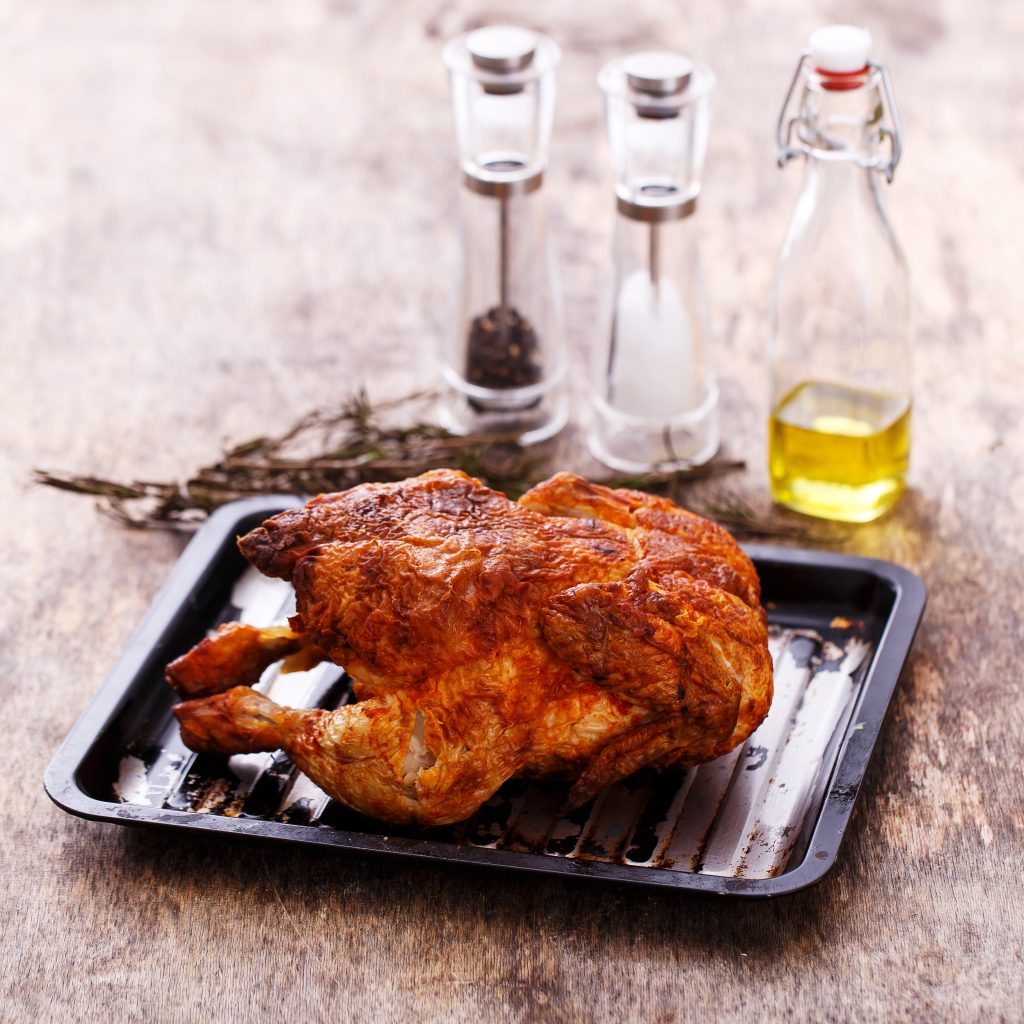
Pollo a la brasa

Rotisserie chicken is incredibly popular in Peru thanks to its crispy skin and juicy, tender meat. The seasonings usually have soya sauce at their base and may include balsamic vinegar or lime juice, garlic, honey, peppers. Timoteo serves polla a la brasa with cilantro sauce and cassava fries. 

Pisco Sour (cocktail)

A toast to your health and happiness! This quintessentially Peruvian drink is made of pisco (a type of brandy), lime juice, sugar, bitters, and egg white. 

Mazamorra Morada (dessert)

This sweet pudding is made of purple corn and fruit, spiced with cinnamon and cloves. Mazamorra is deep purple (morada) and has an exotic blackberry flavour. 

Folks like Rubatto and Timoteo are passionate about sharing the joys of Peruvian food in a comfortable, homey atmosphere. “What we wanted was for people to feel like they are stopping by a friend’s home,” Rubatto says. “A friend who happened to be an exceptional chef!” 

By Michelle Morra

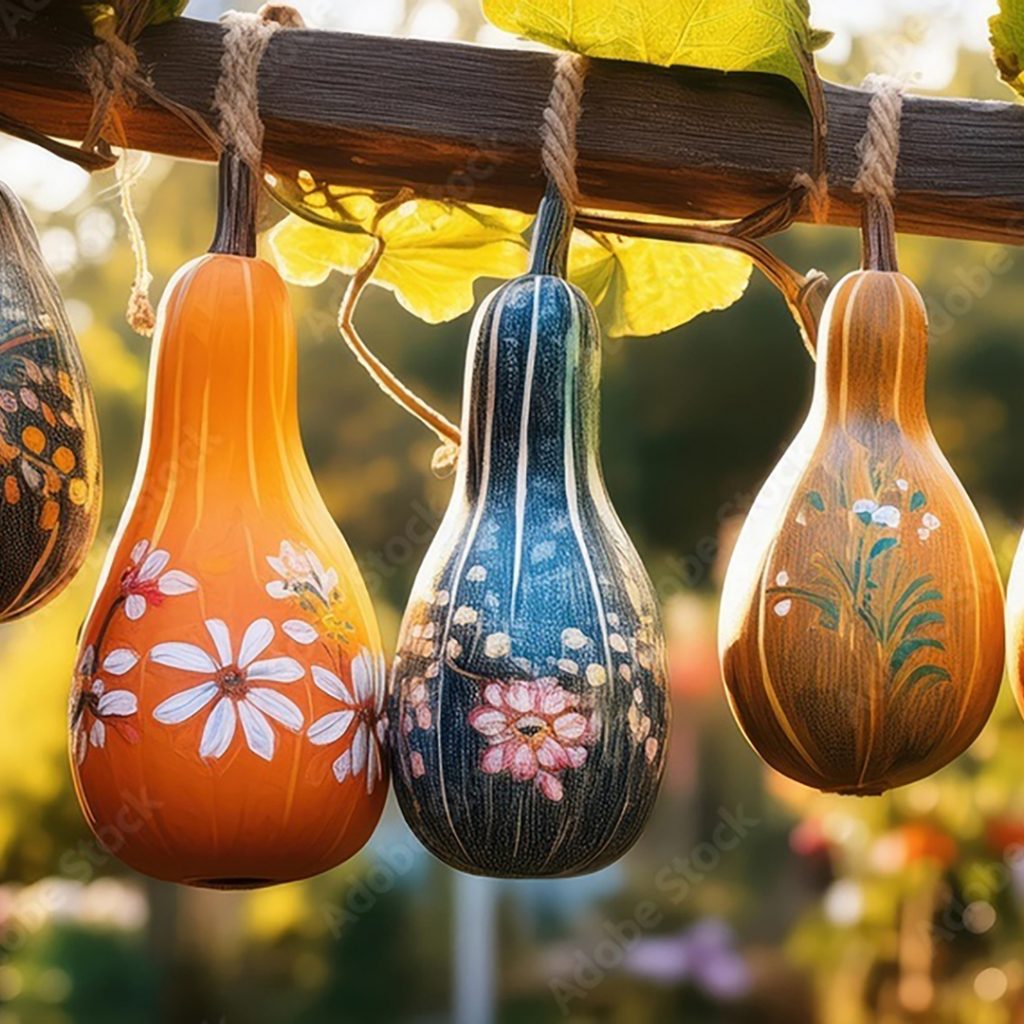
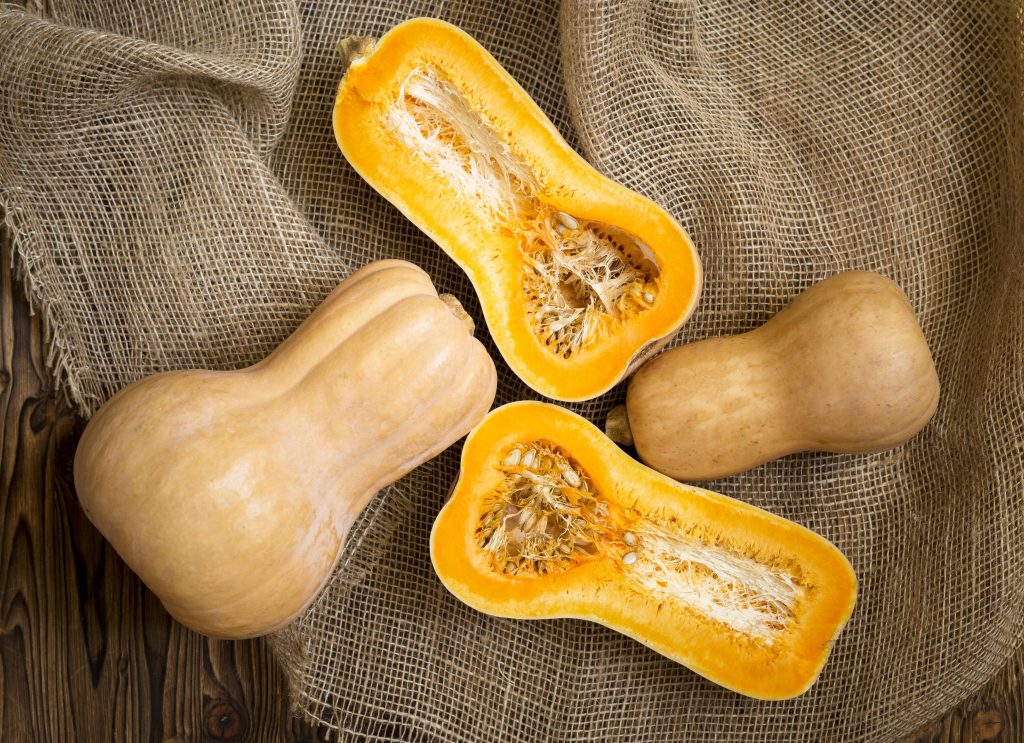
Hard and ugly, curious and inedible, gourds are among the most confusing fall vegetables. According to the Canadian Gourd Society (CGS), people are passionate about gourd crafting – not eating!

On their website the CGS explain that gourd growing and drying takes place in the fall. By the spring, they’re dry, hollow and hard and it’s time for gourd crafting. The CGS website publishes a wealth of information about gourd workshops, equipment, supplies, gourding ideas and projects. But if you thought gourds were only useful when dried and crafted into fashionable flowerpots and birdhouses, you’ll be happy to know there is much more to this category of vegetable than meets the eye.

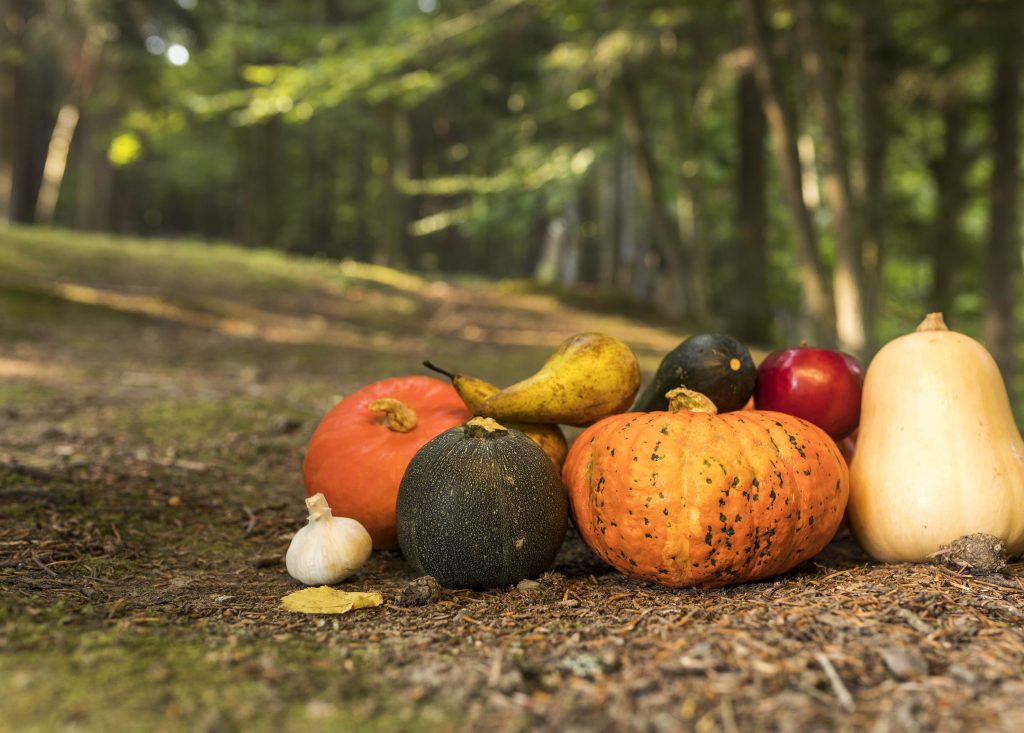
Of course, the term gourd means a large, hard-shelled fall vegetable. Gourd is a category, however, that includes the more colourful, soft shelled winter squashes such as pumpkins, butternut squash, acorn squash, spaghetti squash and many others you’ve seen in grocery stores and on- farm markets.

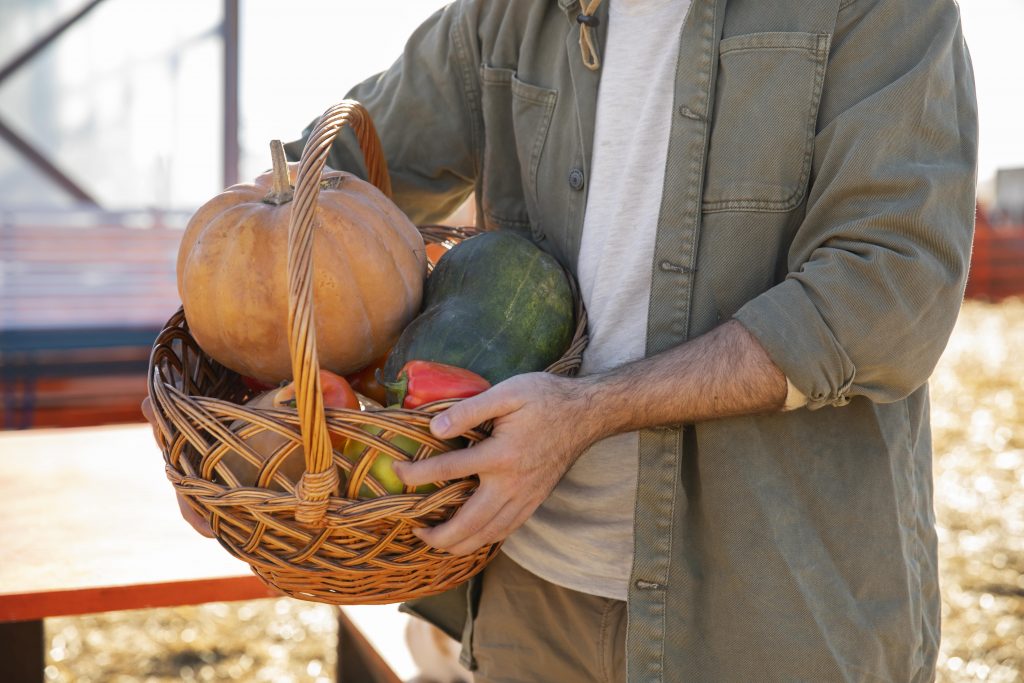
Markets on farms offer the most unique variety of winter squash. These include Sweet Dumpling and Red Currie, along with more common traditional varieties like Butternut and Spaghetti squash commonly found at grocery stores. When it comes to traditional varieties, most of us can roast squash with some modicum of skill, but when it comes to the newer squash varieties, that’s when people begin to shy away.

GOURMET TIPS FOR COOKING SQUASH

Don’t miss out on a good thing this fall. Here’s my advice on preparing a few irresistible squash dishes.

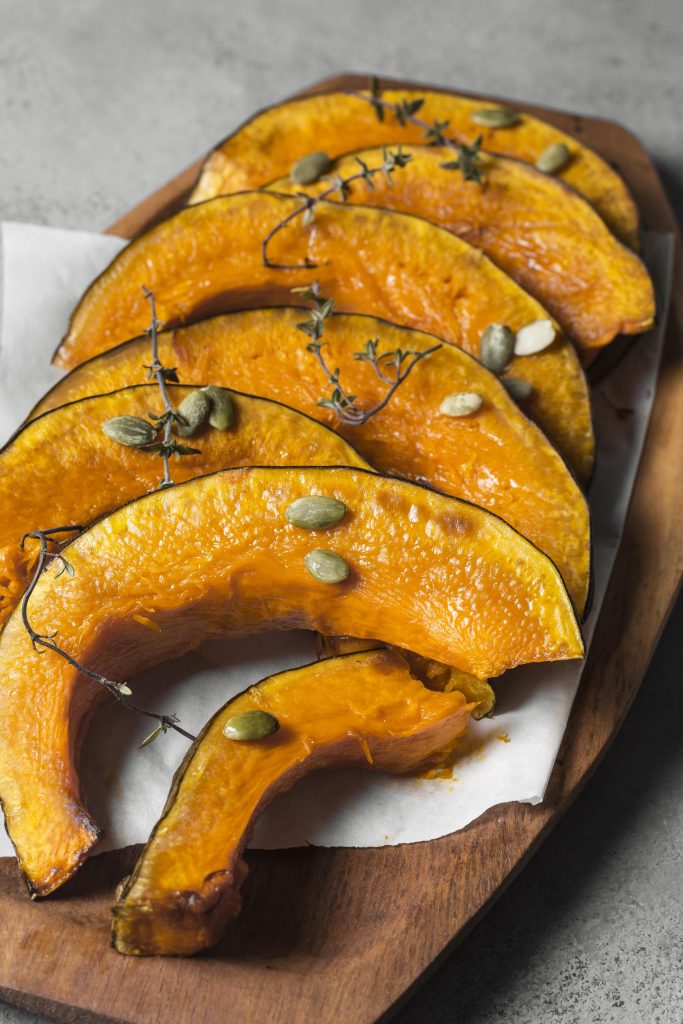
Sweet dumpling squash are smaller than most, round with a mottled green and white exterior. The flavour is somewhat sweet with a mild savoury taste and they have an edible skin. Just wash the outside, cut it in half, remove the seeds, and slice it. Baste it with a little garlic oil and roast it in a hot 425F oven for 20 minutes or until soft. Remove the squash slices from the oven and do what I do – once cooled, pick them up with your fingers and eat them like you would cookies! They’re so yummy, even the kids will love them!

Carnival squash is a relative newcomer to the squash family. It’s the same size and shape as Sweet Dumpling squash, but the Carnival squash is a beautiful orange, green and cream colour. Because of its rich fall hues, this squash is popular as a table centrepiece – pity, because it’s so delicious.

The flavour is sweet, but a little more buttery than the simple, straightforward taste of Sweet Dumpling squash. For this reason, it’s beautiful steamed (not boiled, to avoid excess moisture), mashed with lots of freshly grated parmesan cheese and a little bit of cream. The skins of both Sweet Dumpling and Carnival squash are edible but peeling is necessary if you’re making mashed squash.

Honeynut Squash looks like a smaller version of Butternut Squash. It grows smaller, with more flavour concentration. Honeynut squash makes an irresistible cream of squash soup garnished with crème fraîche and dried pumpkin seeds. A beautiful fall treat.

Of course, you can stick to traditional winter squash varieties, but I’m finding these a little bland in flavour when compared to the newer varieties. The only squash that stand up to the new kids on the block in terms of flavour are Buttercup, Kabocha, Hubbard and Turban Squash. When roasted with thyme, garlic and other savoury spices, they present a deep richness on the palate that fills your insides with satisfying fall goodness.

SHOP AT A FARM

With autumn around the corner, flavours are turning savoury, making winter squash a welcome addition to the dinner table. And as leaves display their blaze of glory, why not take a leisurely drive in the countryside? It’s here you’ll find fields of ripening gourds, including a dizzying array of winter squash. For a directory of farms near you, go to www.farmfreshontario.com

Lynn Ogryzlo is a food writer. She can be reached at lynnogryzlo@gmail.com

You plan a perfectly portioned meal, offering a rainbow of foods to nourish your growing child, yet when they sit at the table it’s like a veggie eviction. The carrots get sidelined, followed by a dramatic “yuck” or even a fake gag at the broccoli.

The veggie showdown can be especially frustrating for parents. We know those colourful foods are full of vitamins and minerals that are critical for growing bodies, so how can we pack them into our picky little eaters?

It may help to know that this aversion to veggies is developmentally normal. “We have an innate affinity to sweet foods, beginning from as early as in utero,” says Norine Khalil, Registered Dietitian at One Elephant Integrative Health Team in Oakville. “Breast milk and formula are sweet, so we are exposed to sweet flavours from so early on that our taste buds may just enjoy these more in comparison to more bitter tasting vegetables.”

The good news is most kids do grow out of this distaste for veggies as they become less sensitive to flavours. Try these tips to encourage a love for vegetables at an early age.

Offer Choice and Variety

“For some kids, the idea of trying something new can be scary,” says Amy Pulford, Director of Little Kitchen Academy in Oakville. Giving kids control over their food can help them be more adventurous. Visiting a farmer’s market or grocery store and inviting your child to choose a new vegetable to try gives them control over their food choices, and you both might be surprised by what you discover!

Involve Kids in Food Prep

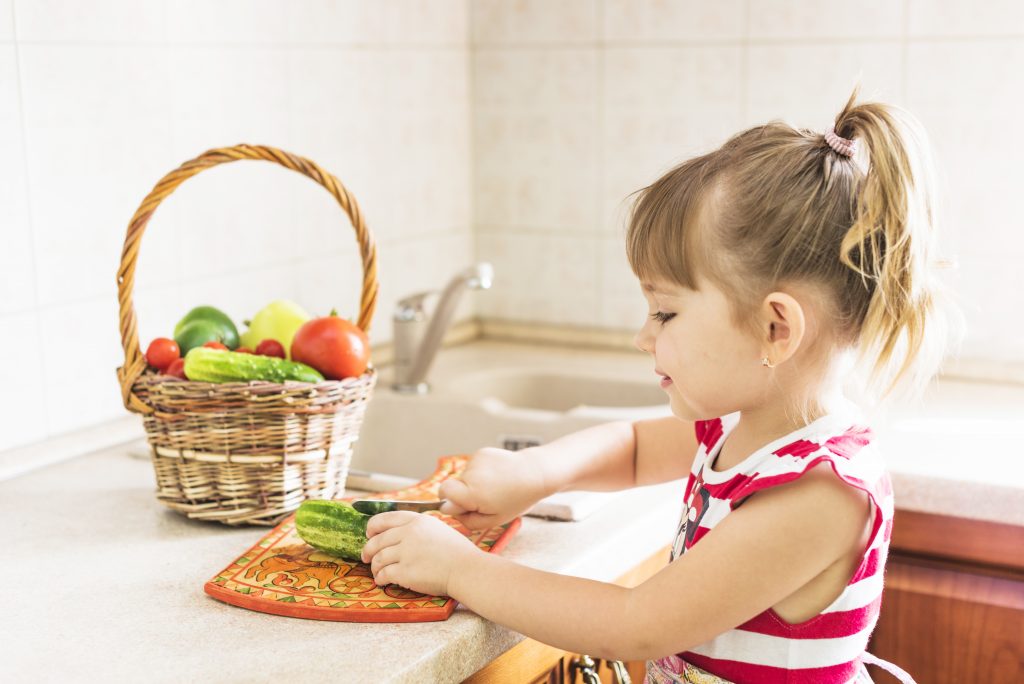
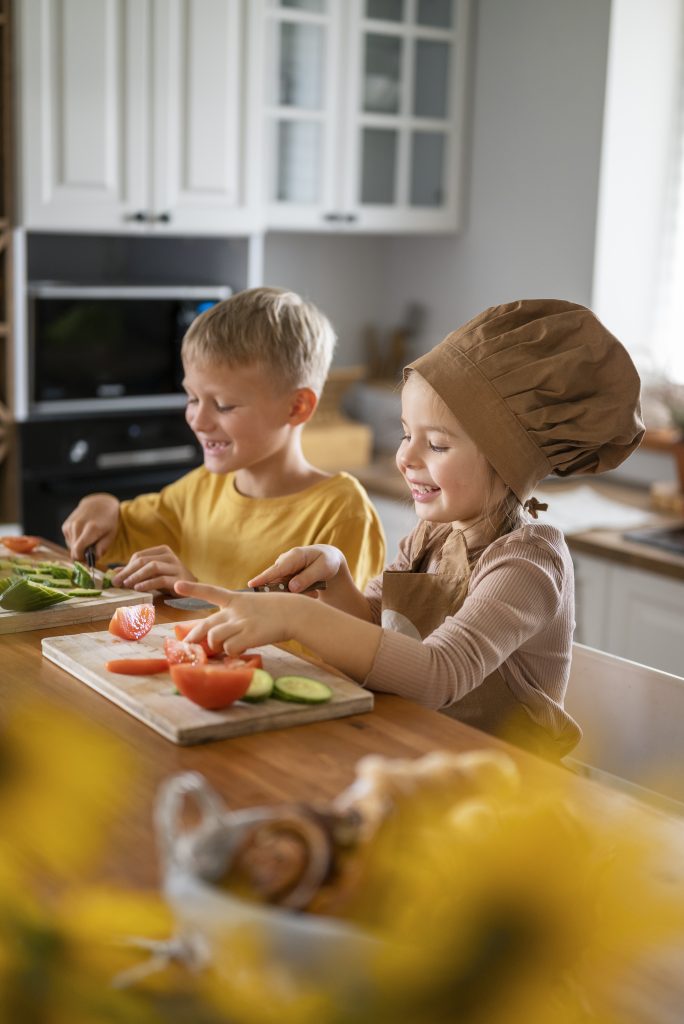
Making kids part of the process of preparing food can make them more likely to try it. Depending on their age, meal prep involvement may be as simple as helping to crack an egg, collecting ingredients from the fridge or pressing the button on the blender.“At Little Kitchen Academy, we encourage our students to plant, nurture and harvest some of our produce in our outdoor garden because we know that when we are an active participant in our food choices, we will try them – and more often than not, enjoy them,” says Pulford.

Talk About Preferences

When your child says “yuck” and pushes veggies off their plate, rather than trying to convince them to eat it, Pulford says this is a great moment to explore what they don’t like about the food.

“Perhaps your child has always said that they don’t like tomatoes, but through talking about what they don’t like – the texture, taste – you may discover that they in fact do like tomatoes prepared in a different way, such as grilled versus raw or cut versus whole,” she says.

Avoid Hidden Vegetables

You may think you’re being sneaky by packing blended veggies into your child’s pasta sauce, but Khalil says this strategy can backfire as kids miss out on the opportunity to get used to the actual look, texture and taste of vegetables.

Instead, she recommends presenting vegetables in a variety of ways – roasting, steaming, air frying or pairing with a yummy dip such as hummus or guacamole. “Exposure to the texture is a huge part of getting kids comfortable with vegetables, and we often will skip this due to frustration,” she says.

Make Veggies Fun

Rather than dumping a spoonful of broccoli onto your child’s dinner plate, get creative with making veggie faces on pizza or cutting veggies into fun shapes.

Offer Without Pressure

“It can take over 10 exposures for a child to even consider trying a new food”, says Khalil. Developing a taste for vegetables can take time.

Add veggies to their lunch along with foods they typically enjoy and avoid calling attention to whether they eat it or not.

By openly incorporating vegetables into meals and encouraging a positive attitude towards them, you can win the veggie wars and develop lifelong healthy eating habits, too!

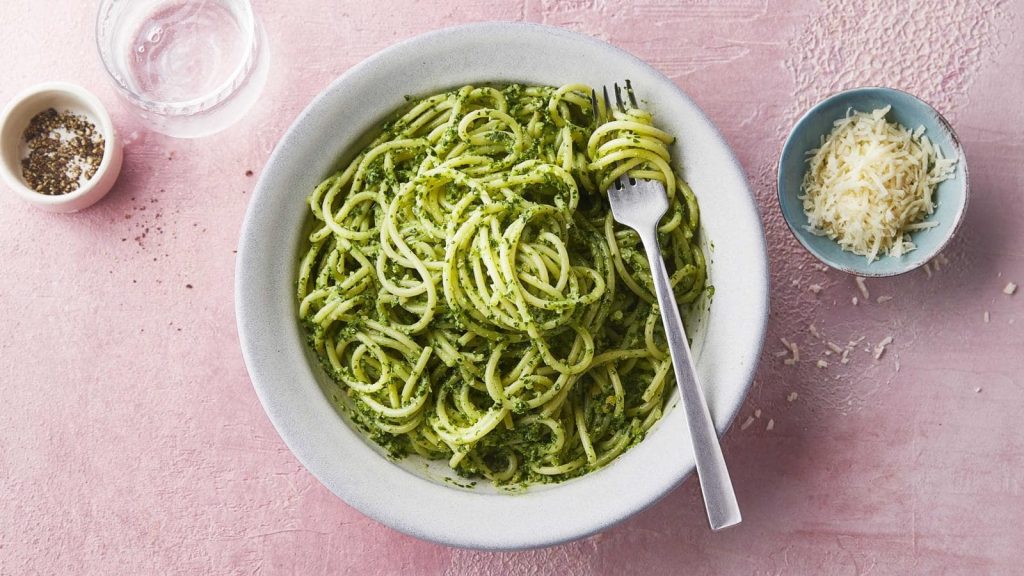
Broccoli Pesto Pasta

INGREDIENTS

  • 100 g broccoli
  • 55 g dried spaghetti
  • 14 g unsalted butter
  • 1 tbsp olive oil
  • 35 g yellow onion
  • 1 garlic clove
  • 1/2 tsp table salt
  • 1/4 tsp pepper
  • Pinch red pepper flakes (optional)
  • 2 tbsp heavy cream
  • 28 g parmesan, grated

METHOD

  1. Bring a pot of water to a boil and cook broccoli for 2-3 minutes to blanch. Drain broccoli and transfer to a bowl of ice water to shock.
  2. Once broccoli has cooled, chop into small pieces.
  3. In a frying pan, melt the butter and the olive oil. Add the onions and cook until translucent.
  4. Add the garlic, broccoli, salt, pepper and red pepper flakes to the frying pan and cook.
  5. Pour the cream into the frying pan and cook to slightly thicken. Remove from heat and set aside to cool.
  6. Cook the pasta in boiling water. Reserve 1/4 to 1/2 cup pasta water to thin sauce.
  7. Place the broccoli mixture in a blender and blend until almost smooth (a few chunks are desired). If too thick or dry add 1 tbsp pasta water at a time to thin down sauce.
  8. Toss the pasta in the broccoli sauce and parmesan cheese.
  9. Serve with more parmesan cheese if desired.

Recipe provided by Little Kitchen Academy
(905) 845-5355
littlekitchenacademy.com

By Lisa Evans

When it comes to picnics and barbecues, Southern Ontarians have a longstanding love affair with classics like potato salad and hot dogs. Our neighbours from other parts of the world, however, remind us that feasting outside in nice weather evokes endless other food possibilities. Different waves of immigration have gradually, undeniably upped the wow factor of feasts in our parks. Exotic fruits, refreshments from other continents, and hot dishes lovingly prepared in time-honoured spices elevate al fresco dining to another stratosphere. 

The Halton and Hamilton-Wentworth regions feature outstanding picnic sites such as Lowville Park (Lowville), Hidden Valley Park and LaSalle Park (Burlington), Waterdown Memorial Park (Waterdown), Tannery Park and Gairloch Gardens (Oakville), and Dundas Driving Park and Christie Lake Conservation Area (Dundas). Once you’ve decided on the perfect setting, consider expanding your horizons by embracing new culinary fare.

Look Local asked two families from different cultural traditions what they typically bring to their family picnics. Here are their ideas and recipes to awaken your taste buds! 

Margarita Cardona, originally from Colombia, loves taking her family on day long picnics. This requires stamina, which is easily provided by ready-made treats. Margarita packs ripe, fresh fruit (such as nectarines, cherries and watermelon), and savory snacks (popcorn, and tortilla chips and salsa) to get the party started. 

To keep everyone energized, Margarita shares a pro tip: “Something we make sure we pack, always, is a thermos with hot coffee! Colombian coffee, just black. We are coffee drinkers and we are not always sure we will have access to a coffee shop.”

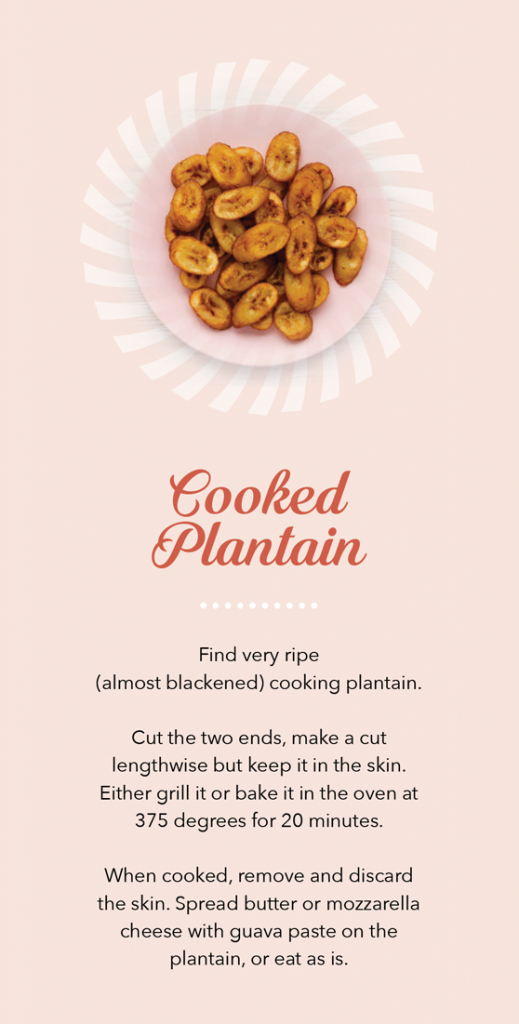
The main meal is kept simple, such as a protein packed egg or tuna sandwich, or a quinoa salad.  For dessert, a delicious homemade cake rounds out the meal! Margarita also adds a taste of Columbia to her picnics by either preparing a tasty plantain snack ahead of time, or barbecuing it on the spot.  

Bushra Faisal also loves to create healthy food for her family. Bushra’s background is Pakistani and when she picnics she brings a variety of dishes including salads, chicken dishes, and desserts.

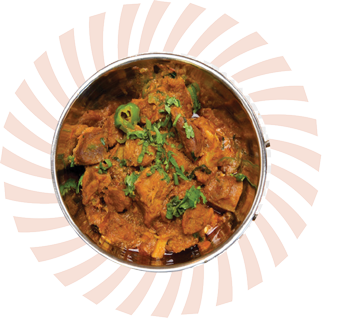
“Some of our favourite foods include Chicken Biryani, Chicken Karahi, Qeema (minced meat with green chillies), Kabobs, Naan, Qatlian (Potato slices cooked with spices), and fresh fruits, especially watermelon, cut into pieces,” Bushra says.

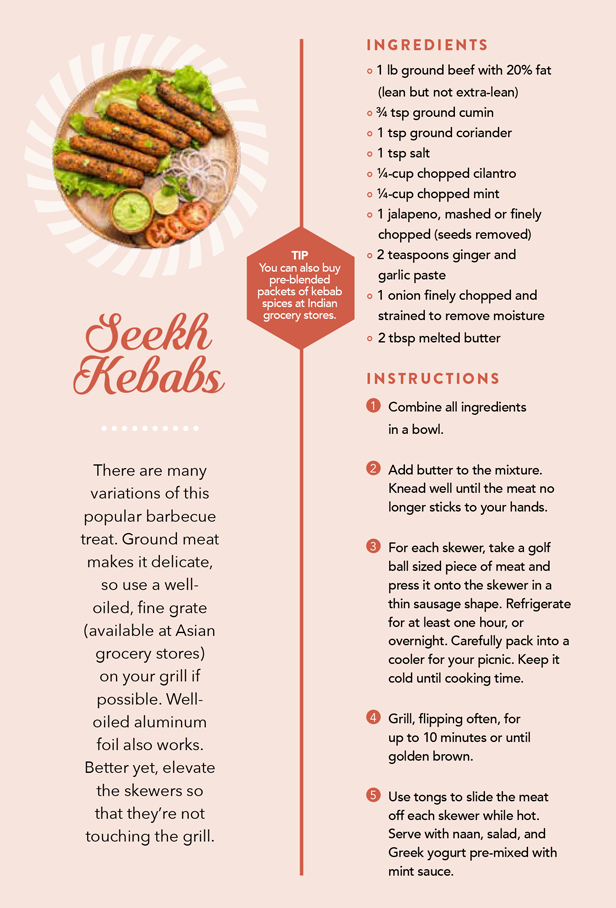
This popular Pakistani recipe (see below) is ideal for preparing  in advance and cooking on the grill at your picnic site.

Make your next picnic memorable by bringing a few of Margarita and Bushra’s ideas to your table! 

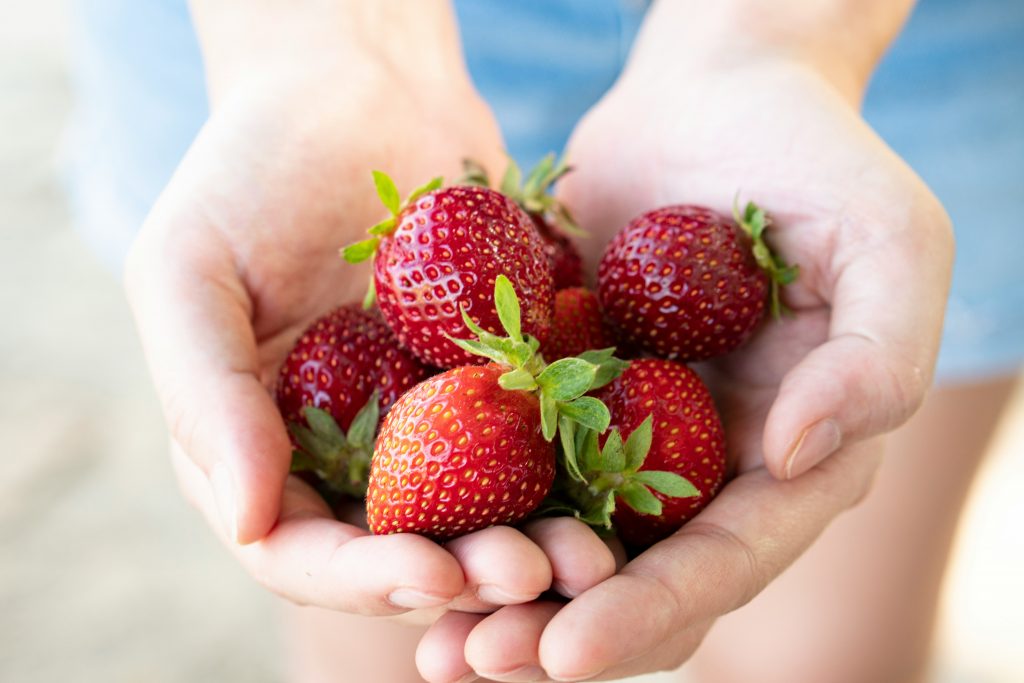
One morning over breakfast, my toddler asked for “star-berries.” She described them as, “Da red ones with da dots.” Strawberries! She wanted strawberries on her pancakes. I think she was onto something.

Strawberries are indeed celebrity berries in my opinion. Ever heard of strawberry glam jam? That’s what I call it, anyway… the shimmery preserve made with edible glitter has undeniable star quality. Nevertheless, strawberries on their own are the superstar of fruit farms at this time of year.

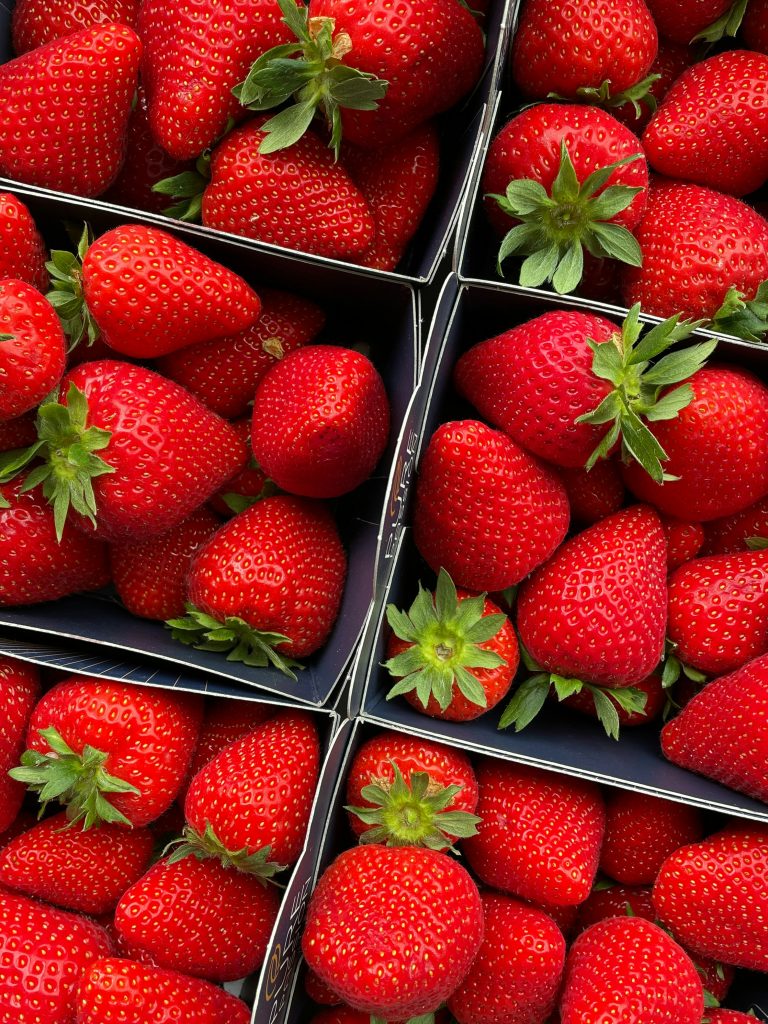
Eaten fresh, baked in a pie, tossed in a salad, or enjoyed in any number of mouthwatering ways, strawberries are a celebrated sign of summer. Speaking of summer, we visited Springridge Farm every summer and fall when my kids were little.

Now that they’re grown and no longer interested in wagon rides or the Fun Farmyard, I visit Springridge on my own to stroll around the Barn Market. I always stop in at the bakery to pick up a pie and some preserves that I end up sharing with my big kids.

What they don’t know is I usually eat a strawberry tart or two on the way home. You snooze, you lose, kids. “Strawberry season is an exciting time here at Springridge Farm,” says Farmer John Hughes, co-owner.

“It’s hard to believe we’ve been growing and harvesting everybody’s favourite berries for almost 40 years. We pick them at their peak, so they’re always fresh and ready for you to take home and enjoy.” If you feel like channeling your inner farmer by picking your own berries, head to Andrews Farm Market and Winery.

Established in 1980, this 165-acre community farm in Halton Hills has grown to include a winery (Strawberry Wine? Yes please!), a playground, and an animal corral. Pick your own berries or buy a basket from their “proud to be local” farm store.

Matt Setzkorn, Operations Manager at Andrews Farm says, “If you’re picking your own, choose strawberries that are bright red all over with green caps.

Avoid berries that are mostly white or green, as they’re not fully ripe. Lift the leaves gently to check for any hidden berries underneath. Sometimes the ripest ones are tucked away out of sight.

To harvest the berries, grasp the stem just above the berry between your thumb and forefinger, then give it a gentle twist. This should detach the berry from the plant without damaging it.”

Wondering what to do with your berry bounty once you’ve picked them or picked out the perfect basket at the farm store?

Indulge in their sweet, perfect ripeness and gorge. You can also dip strawberries in chocolate, add them to yogurt, preserve them in a jam, or use them in your baking.

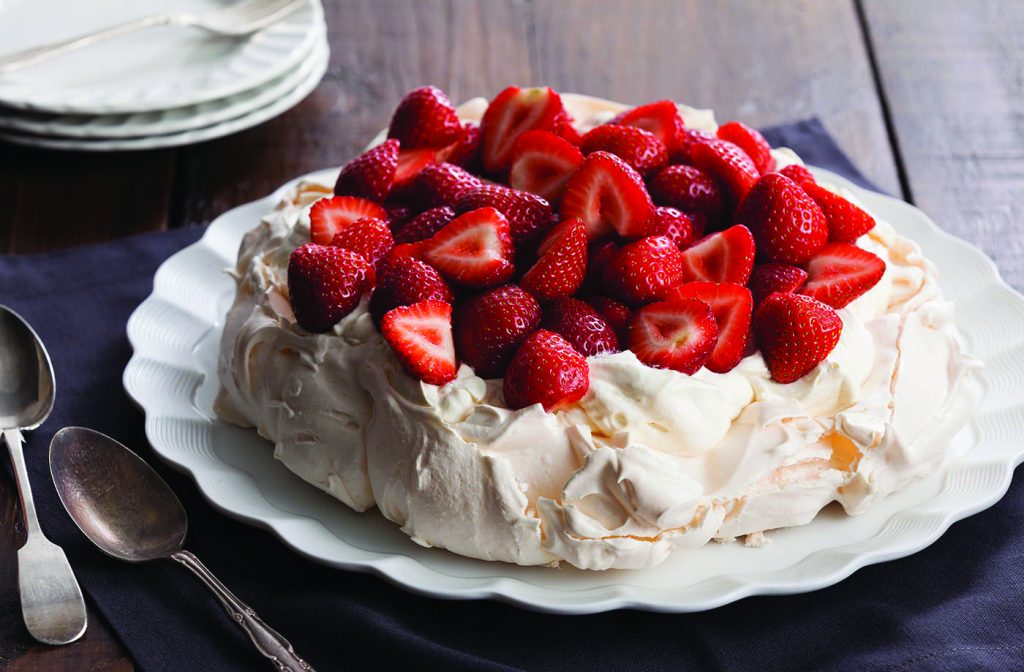
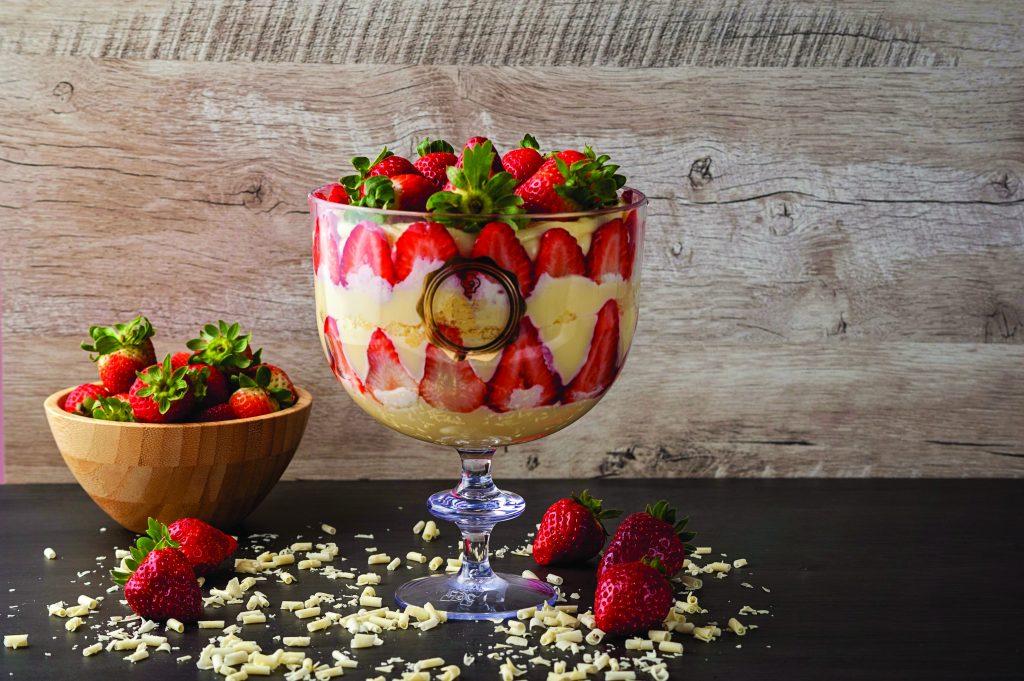
OLD-FASHIONED ENGLISH TRIFLE

YOU’LL NEED:

1 pound cake (store-bought works)

1 jar strawberry jam

1 ó cups sliced strawberries

1 ½ cups plain greek yogurt (0%)

1 tsp pure vanilla extract or paste

4 (or more) fresh whole strawberries for garnish

Slice the pound cake crosswise into ó inch slices, set aside. In a small bowl, stir vanilla into greek yogurt, set aside. Start with a layer of pound cake in the bottom of each of four large red wine glasses. You will likely need to cut the slices of pound cake into smaller shapes to create this layer – don’t worry, the finished product will look great.

Next, add a thin layer (approx 1/8 inch) of strawberry jam. Then add a layer of strawberries, and then a layer of vanilla-flavoured yogurt (between . and ó inch thick). Repeat layers until glasses are full, aiming to finish with the yogurt layer. Garnish with a whole fresh strawberry and refrigerate until ready to serve!

I always joke that I don’t bake, I “bakery” (pie crust scares me). Thankfully, Springridge Bakery offers a variety of pies, tarts, and other tasty treats. In the words of chef Jesse Lauzon, who heads the Springridge Bakery, “Strawberry shortcake is a summer classic. But another simple dessert that highlights the freshness of in season strawberries is an English Trifle.” 

Lauzon shares this lighter version of trifle, made with vanilla greek yogurt. It packs all kinds of flavour and couldn’t be simpler to put together.

“Make individual servings in large red-wine glasses, or make one large layered trifle in your favourite large glass bowl or trifle dish,” he says.

Whether you go berry picking, pick up a basket from a local farm, or enjoy berries plucked from your own garden, strawberries will undoubtedly be the star of your brunch, picnic, or dessert this season.

Enjoy! And try not to get strawberry juice on your shirt.

By Lisa Thornbury

Caribbean cuisine is hot, hot, hot — not only in spice but also in appeal. It’s a fusion of flavours and cultures, reflecting the diverse heritage of the islands. At its core, Caribbean food is a celebration of bold spices, succulent meats, and an abundance of fresh produce.

Jerk chicken is a well-known Caribbean dish that exemplifies the marriage of heat and flavour. The chicken is marinated in a blend of herbs and spices, then slow-cooked until tender and juicy. The result is a dish that packs a punch with every bite, yet still manages to tantalize the taste buds with its rich, smoky flavour.
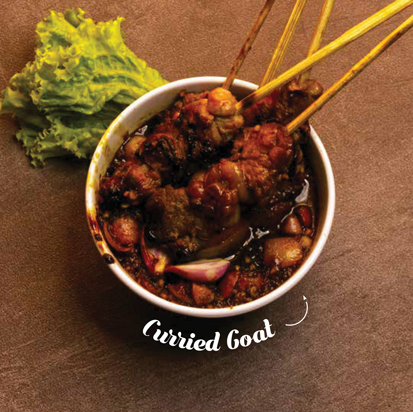
This island cuisine is also about the heartiness of its dishes. Caribbean food is known for its generous portions and rich flavours, from fall-apart tender oxtail stew to savory curried goat. These dishes are often cooked low and slow, allowing the flavours to meld together and the meats to become melt-in-your-mouth tender. It’s the epitome of comfort food. 

And let’s not forget the bread. In the Caribbean, bread is more than just a side dish. Whether it’s johnnycakes, hardo bread, or roti, this staple is as diverse as the islands. Each bread brings a unique texture and taste to the table, perfectly complementing the dish it accompanies.

Kori’s Roti has become a go-to spot in Oakville for Trini food. Owners Chris and Leilani say, “Caribbean food is about finding the perfect balance between heat, spice, and flavour. Every ingredient has its place, and when you get it just right, it’s everything. Quality and authentic ingredients are key. We source locally whenever possible and import directly from Trinidad to make sure we are bringing you the best ingredients.” (Is it just me, or is your mouth watering too? I’ll be taking an early lunch today…)

At Kori’s they also caution, “Our pepper scale ranges from mild to suicide (think red face, steam coming from your ears). So unless you’re used to it, you’re going to want to start slow.”

When you sit down to a meal of Caribbean food, you’re not just eating; you’re experiencing a piece of the chef’s culture. At Burlington’s JustJerk, their mission is to prepare authentic Jamaican food with all the rich spices the chefs grew up with on the island. For the owners, Caribbean food is about tradition and family. It’s about passing down recipes from generation to generation and keeping their culinary heritage alive. 

I fell in love with Caribbean food when I visited my brother who was working in Jamaica. He was immersed in the community and, therefore, the perfect culinary guide. Ackee and saltfish, Johnny cakes and Jerk Chicken became fast favourites that I was delighted to learn I could find at home.

Whether you’re a seasoned foodie or a curious newcomer, exploring the world of Caribbean cuisine is an adventure for the senses. So why not spice up your next meal with a taste of the Caribbean? Your taste buds will thank you. 

FOR A TASTE OF THE ISLANDS VISIT:

Kori’s Roti Shop 
1026 Speers Road, Oakville
korisroti.ca

Irie Cuisine 
121 North Service Road East, Oakville  
iriecuisine.ca

Sunrise Caribbean Restaurant
3513 Wyecroft Road., Oakville

Ranee’s Roti
579 Kerr Street, Oakville

JusJerk Caribbean Restaurant
3300 Fairview Street., Burlington
jusjerk.ca

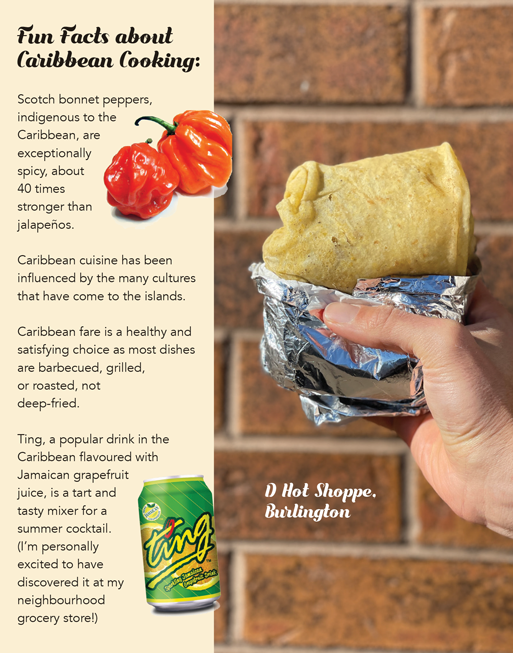
D Hot Shoppe 
4155 Fairview Street, Burlington 
dhotshoppe.com

When I announced my intention to quit drinking alcohol in 2018, reactions from friends and family ranged from disbelief to disappointment. Sure, I drank wine most nights and suffered a periodic two-day hangover, but they wondered why I had to shun spirits completely. My motivation to boost my health and silence the nightly debate in my head over to drink or not to drink seemed dubious. Many of my wine-drinking friends were downright alarmed to be losing one of their own to a sobriety movement that, at the time, was barely a crawl. In short, it took tremendous effort, and little outside support, to stick to my commitment. 

Today, the zero-alcohol lifestyle has seeped into the mainstream in ways I could never have imagined in 2018. Going dry is much easier to swallow thanks to a marketplace saturated with booze-free beverages and a growing chorus of teetotalers singing the praises of sobriety. 

The trend likely got its biggest boost when new research indicated that the ideal amount of alcohol was, in fact, zero. In January 2023, the World Health Organization stated, “there is no safe amount that does not affect health.” And to the chagrin of beer guzzlers and wine aficionados everywhere, Canada updated its guidelines on alcohol consumption to a maximum of two drinks per week – a small fraction of its previous limit of 15 drinks for men and 10 for women. 

But are Canadians actually drinking less? The evidence points to yes. According to Statistics Canada, national sales of alcohol declined by 1.2 per cent in 2021/22 – the first decline since 2013/14 and the largest drop in over a decade.

Chantal Ingram, owner of downtown Oakville’s cocktail and entertaining supply shop, Flourish and Bask, has noticed the change. “My shop was open for ‘Dry January’ in 2022, and alcohol-free was still a new market for Canadians. There was still a stigma to not drinking,” she says. “Dry January 2024 was a much bigger deal. Not only did the media take hold of the topic, the market blew up. Customers this year were much better informed. They’d done their research and came into the shop knowing brands.” 

If you’re considering ditching the drink, there’s no need to wait until January. Whether you’re planning a dry month or permanent sobriety or simply want to cut back on your alcohol consumption, here are some tips to help you stick to your commitment this spring.  

Soak in the experience, not the buzz

I had been an enthusiastic wine drinker when I quit drinking. To resist the temptation to uncork, I leaned into the parts of the experience that were not off-limits, such as drinking from a wine glass. I swapped Sauvignon Blanc for bubbly alternatives (think: kombucha or flavoured sparkling water), and continue the habit even today. The proliferation of alcohol-free beers and wines make it even easier. Believe it, or not, the desire for the buzz wears off over time.  

Adjust your taste buds

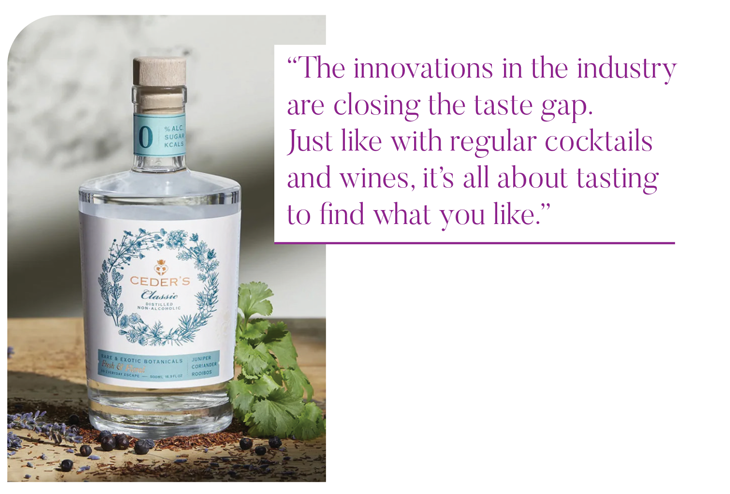
Keep an open mind when switching to the zero-alcohol options. “Alcohol-free beverages can have a bit of a learning curve. You need to understand that many of them are not 100 per cent replicas of your favourites, but they’re awfully close,” says Ingram. “The innovations in the industry are closing the taste gap. Just like with regular cocktails and wines, it’s all about tasting to find what you like.” 

Go fresh and healthy

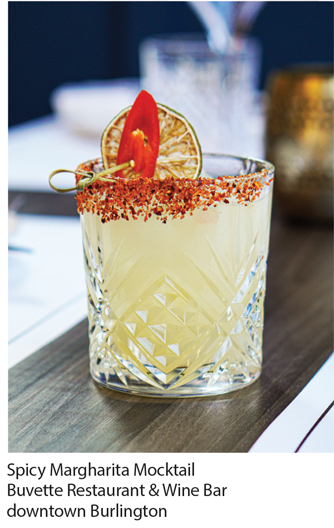
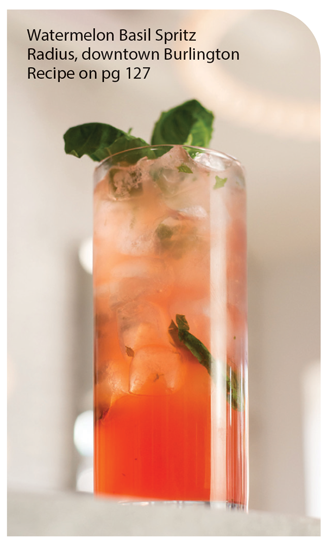
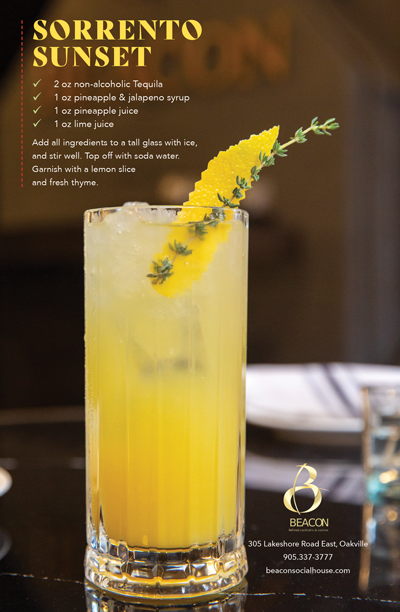
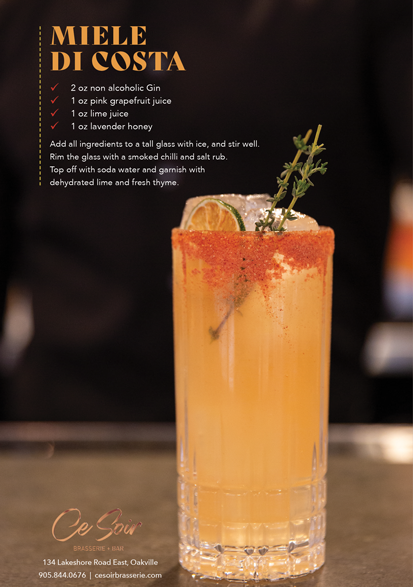
While the spirit tends to be the star ingredient in a cocktail, mocktails invite you to get more creative. Rethink the cocktail completely and ditch the high sugar sodas in favour of natural ingredients to create healthier concoctions. Take inspiration from the many restaurants now catering to the sober crowd with zero proof elixirs featuring fresh fruit and herbs.

Focus on the gains

Giving anything up can feel like a sacrifice, but it doesn’t have to be that way. Yes, you’re giving up shooters with friends tonight, but while they’re waking with pounding heads, you’ll be halfway through your morning workout and hitting IG with a #soberissexy selfie. In fact, the longer I went without alcohol, the greater the benefits, from a clearer complexion to a sharper mind, greater productivity to a happier outlook. It doesn’t take much to realize the gains outweigh the losses. All you have to do is take notice, give thanks, and, maybe, just maybe, you’ll come to realize life is better without
the buzz.