Category

Home & Garden

Category

A well-designed kitchen looks beautiful and supports the way a household lives, gathers, and moves through the day. From hurried weekday breakfasts before school to late-night snacks, homework on the island, and kitchen party conversations, this space truly becomes the focal point of a home. 

Every renovation starts with a vision and careful planning. Working with a designer or contractor will help bring that vision to life within your budget and ensure you get the necessary permits in place before you begin. Whether you’re ready to renovate or simply collecting inspiration, these local kitchen companies offer ideas to spark your own dream space.

The Wright Kitchen Done Right

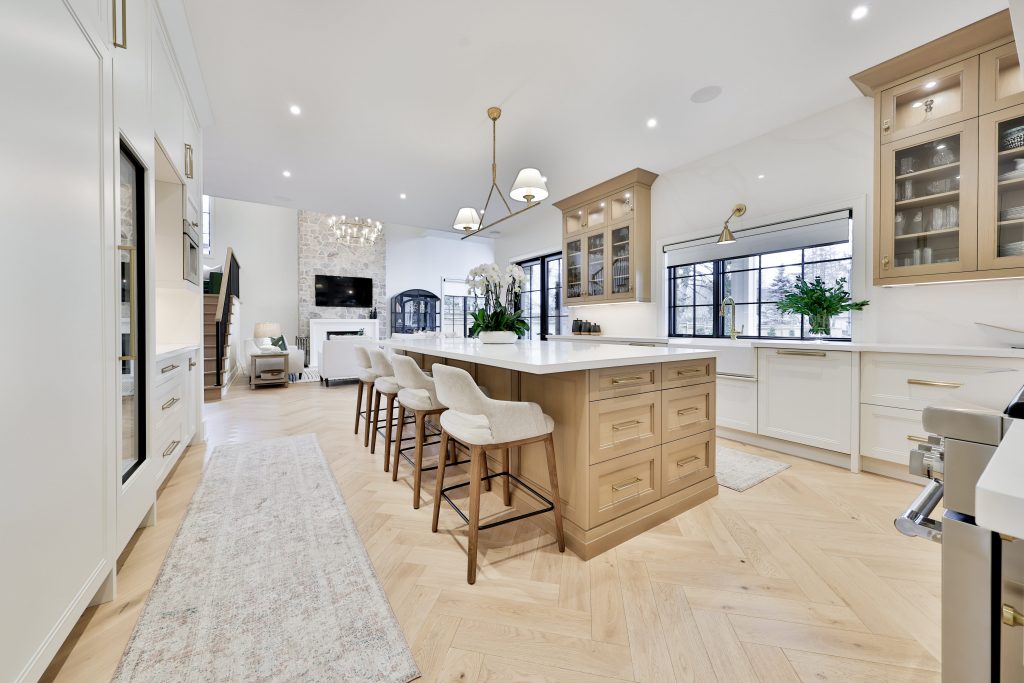
The Wright Kitchen understands that this room is the heart of a home, and no two designs are the same. They recently worked with a client who purchased an older house with the intention of renovating and personalizing the space. The original kitchen was disconnected from separate dining and family rooms, and their goal was to achieve a more functional flow for their young family.
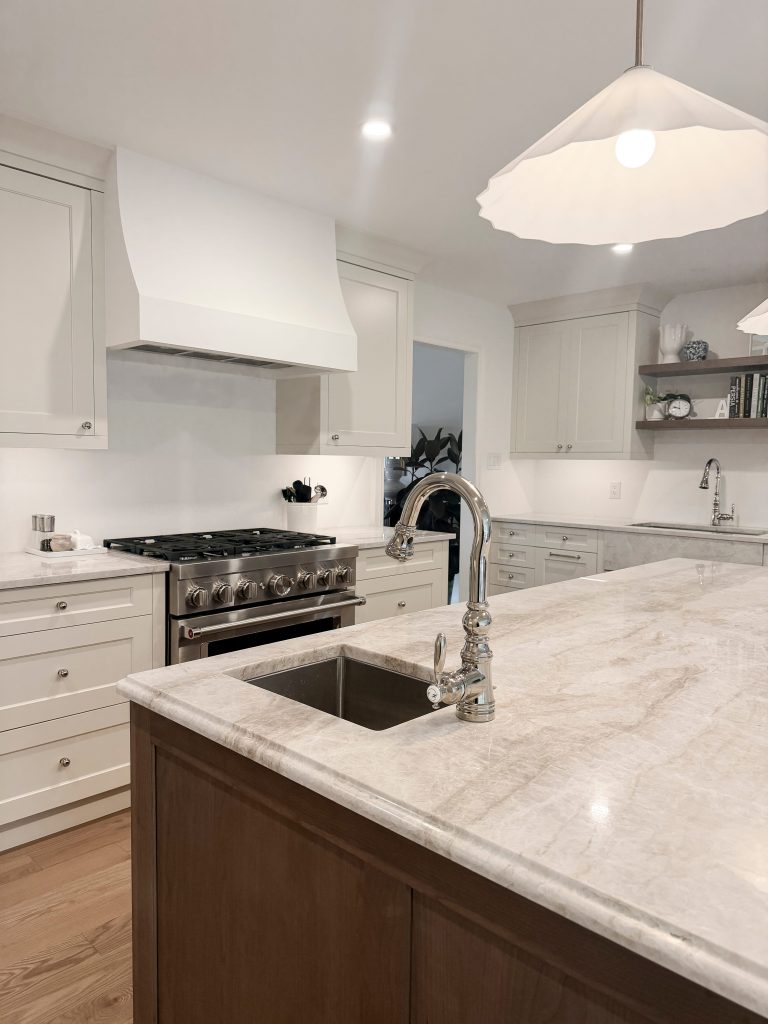
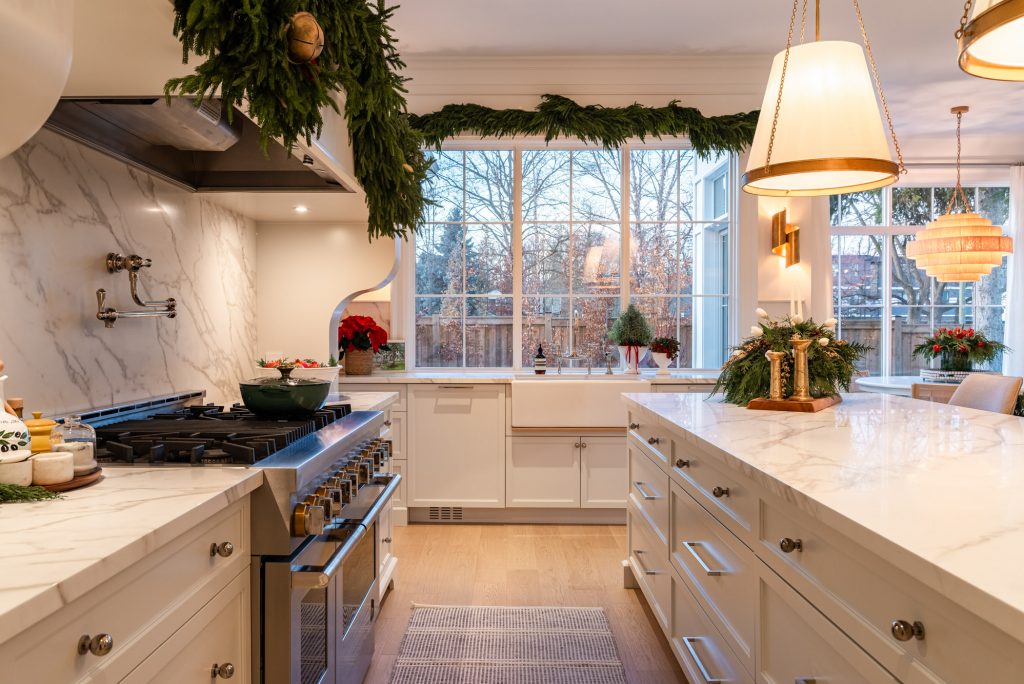
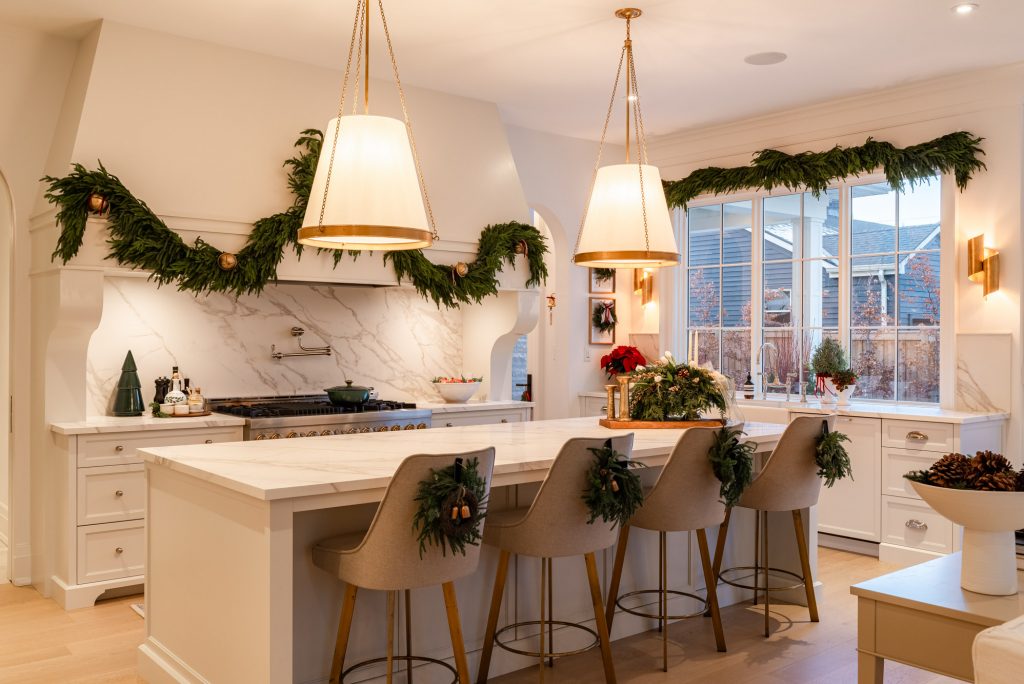
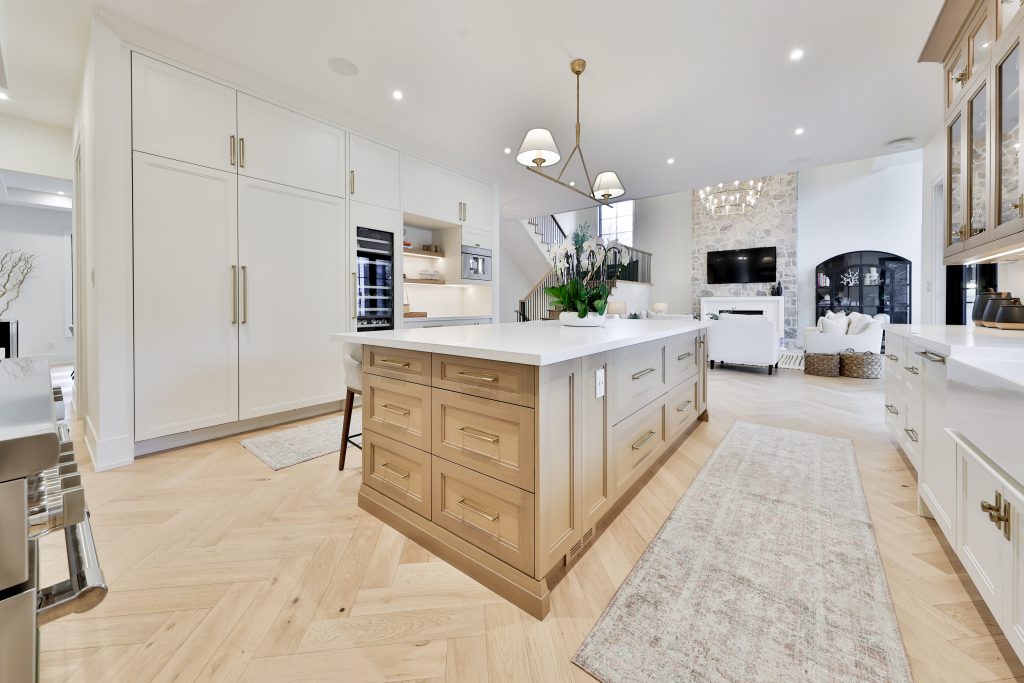
“The client wanted a more classic and timeless kitchen, which happened to be on trend at the moment,” says Nicole Jenkins, Designer at The Wright Kitchen. “We achieved this by pairing creamy white and medium wood tone cabinetry, choosing to finish exposed cabinet ends with two-inch wide columns. Taj Mahal Quartzite counters were used to add texture, depth and warmth, and we mixed in polished nickel handles and knobs to infuse character into the space.”

There are a lot of little decisions that go into a kitchen renovation. An experienced designer can guide clients through the process. “One of my favourite details in this kitchen is the mitered stone apron front sink,” Jenkins notes. “I also love the soft texture and shape of the curved drywall hood.”

Chervin Kitchen & Bath Showstopper

This renovation is rooted in collaboration and thoughtful design. Working alongside West Oak Interiors and Ledgerock Custom Homes, Chervin Kitchen and Bath brought the homeowner’s vision to life: a timeless, elegant space inspired by traditional European charm rather than fleeting trends.

“We are especially proud of how we were able to reflect the homeowner’s goals,” explains Paula Lang, Cabinetry Designer at Chervin Kitchen and Bath. “I love working on projects where people choose what they love, not what others would want. Tell me what inspires you, and let’s turn that vision into something truly unique.”
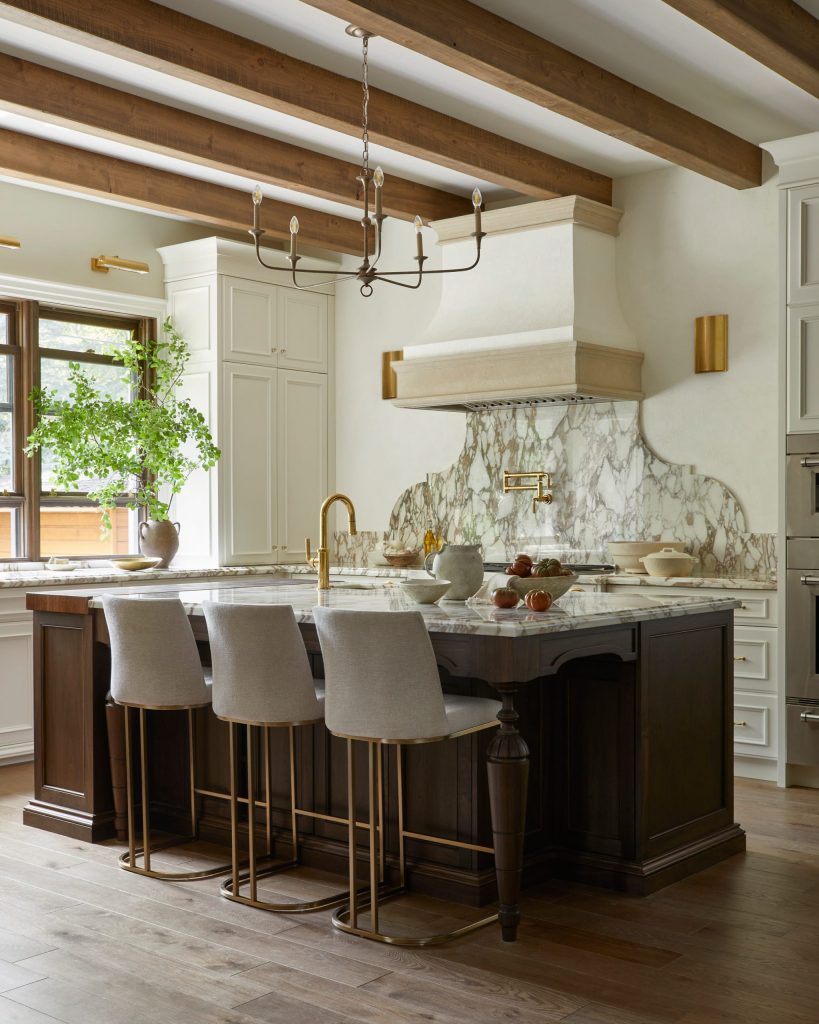
Lang says the custom treatments took this project from “nice” to “luxurious”. The kitchen includes clever and discreet functionality. Every detail, from the backsplash to the limestone and plaster range hood, and from the marble counter tops to the walnut cabinetry, brings rich, earthy tones throughout the space. “Design for a balance between beauty and livability.  Choose materials and design elements that you love because those elements will be timeless to you forever.”

K Design for Your Designs

When a client asked for a family-friendly renovation, K Design Custom Cabinets delivered. The goal was a warm, inviting kitchen where the homeowner could cook and bake with her young children and make memories gathering for family meals.

Standout features include natural rift-cut oak, which creates a cozy environment with a hint of Scandinavian inspiration, white oak rollouts in the pantry for easy ventilation of root vegetables, and spill ledges under the ceramic farm sinks to protect the cabinets. 
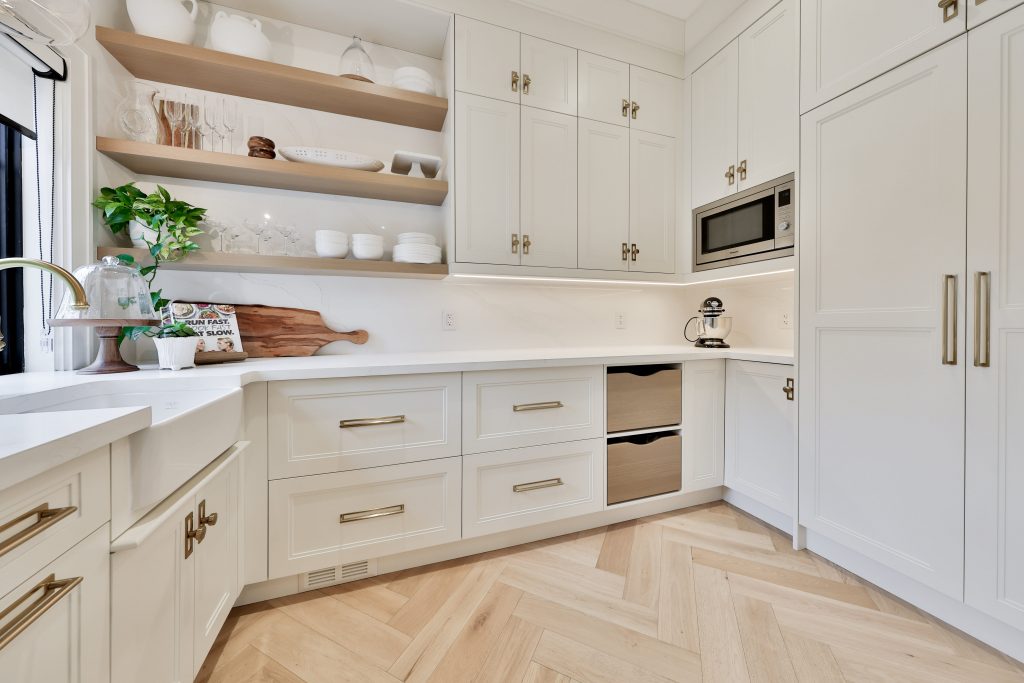
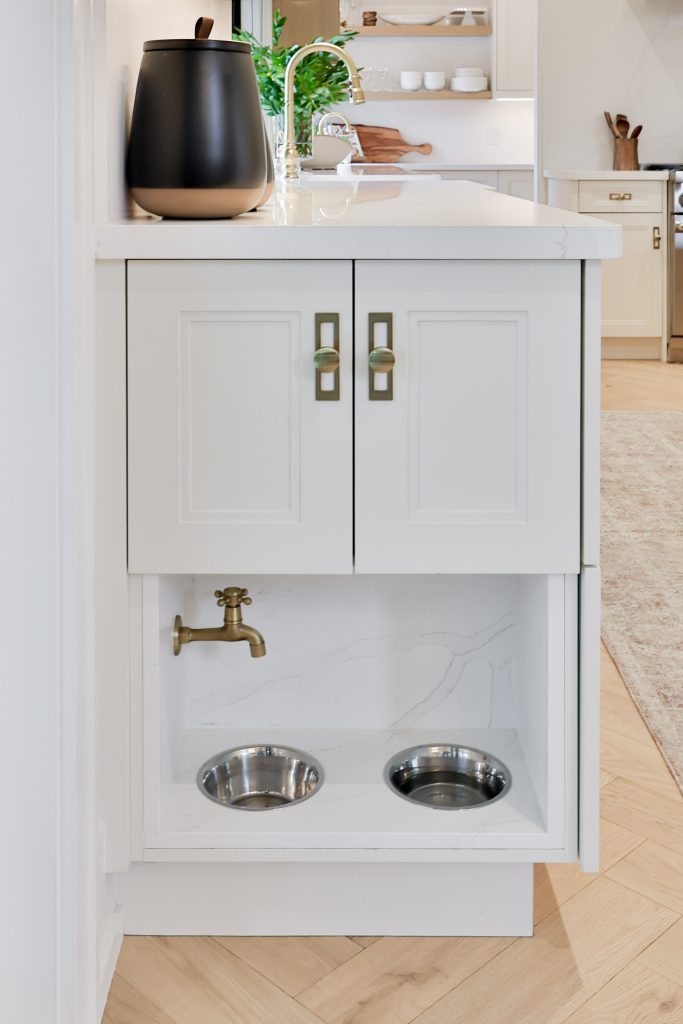
“One unique solution was concealing the electrical outlets in the bottom of the upper cabinets,” explains Karolina Bartosz, Designer at K Design Custom Cabinets. “This kept the backsplash clean and seamless.” Another thoughtful detail is the built-in dog feeding station, complete with a water dispenser. 

Bartosz advises homeowners to “create a folder with your favourite photos and ideas, then trust your designer to turn them into an aesthetically pleasing and functional space.”

By Nicole Hilton

Local Links

The Wright Kitchen
4087 Harvester Road, Unit 4, Burlington
thewrightkitchen.com

Chervin Kitchen & Bath
276 Lakeshore Road East, Oakville
www.chervin.ca

K Design Custom Cabinets
1064 South Service Road East, Oakville
www.kdesigncabinets.com
Every holiday season, Oakville comes alive with familiar traditions, from the tree lighting downtown to neighbourhood streets glowing with festive lights. One event, however, has become a favourite for residents who love design, architecture, and a chance to support local charities: the Oakville Holiday Home Tour organized by St. Andrews.

Running for more than four decades, this tour invites the community to step inside a curated selection of homes decorated for the season. Eight homes across Central Oakville, Old Oakville, Southwest Oakville, and West Oakville participated in 2025, each offering a different take on holiday styling and reflecting the character of its neighbourhood. With designers contributing to every stop, the tour has evolved into a snapshot of Oakville’s design culture as much as a festive outing.

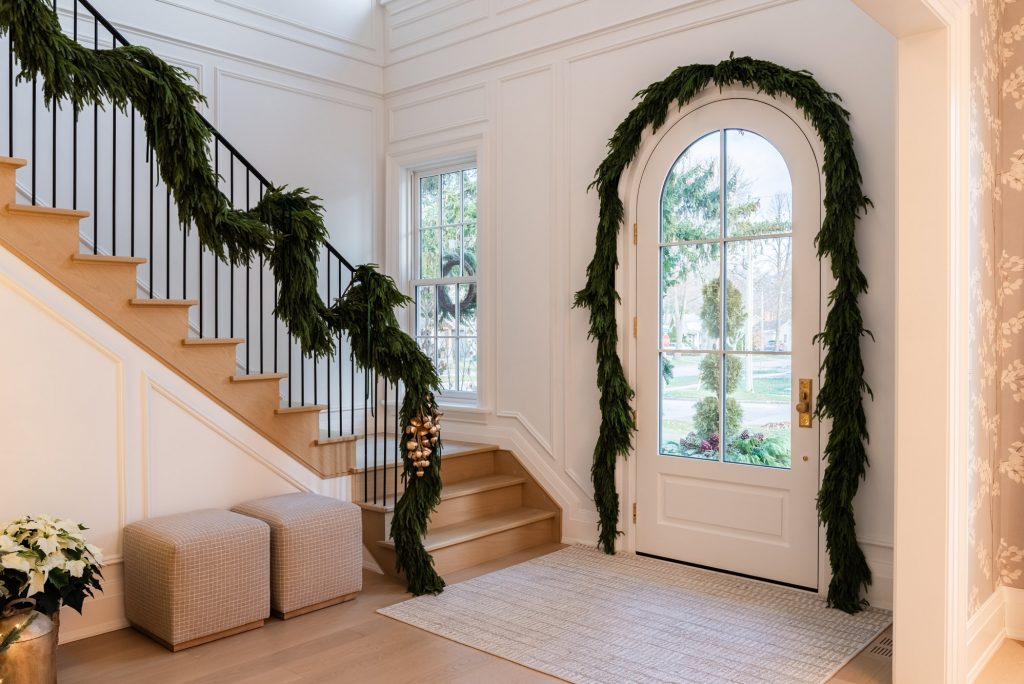
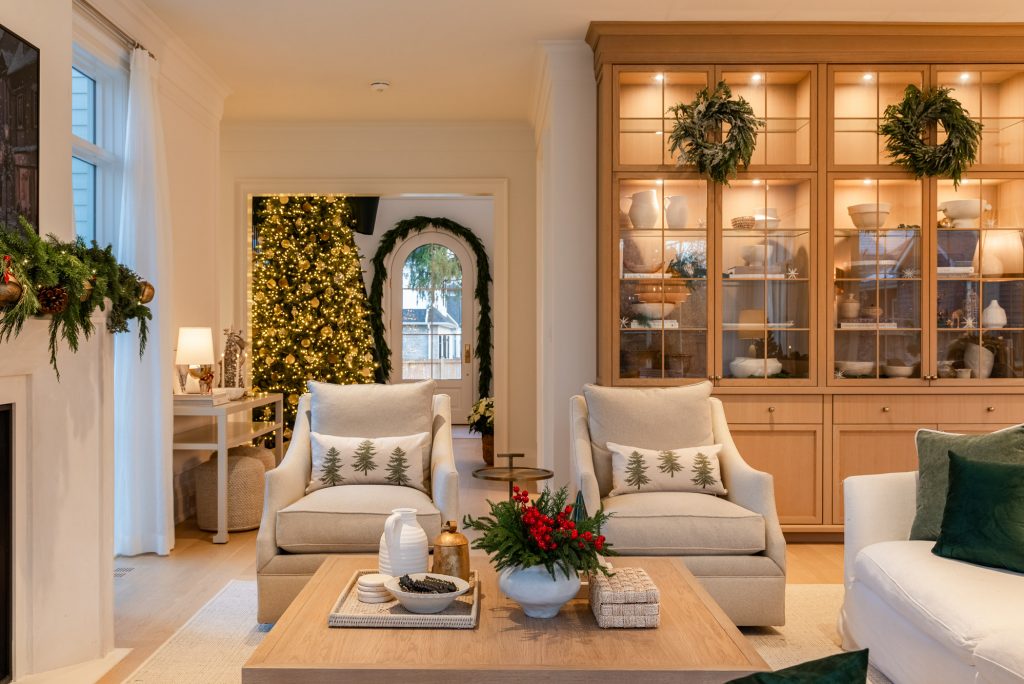
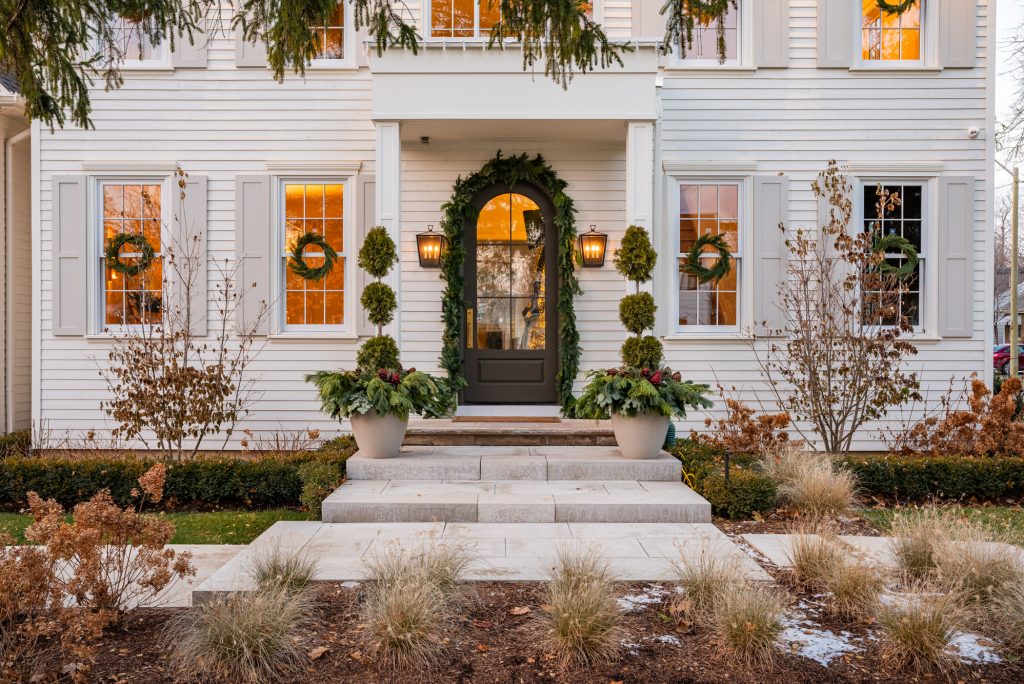
This year, one of the featured homes belonged to an agent with the Goodale Miller Team. The residence, a recently completed custom build in Central Oakville, stood out not only for its architecture but also for the thoughtful way it embraced seasonal decorating. As a team deeply rooted in Oakville’s neighbourhoods, GMT was proud to see one of its own homes included in this long-standing community event.

The homeowners partnered with Sheridan Nurseries to style the home for the tour, choosing a natural and cohesive approach that felt true to the home’s design. The home itself was designed by Keeren Design Inc. and built in 2023 by Butler and Lowe Inc., a local builder who also completed another stop on this year’s tour. Their work, combined with Sheridan Nurseries’ holiday styling, created a cohesive look that resonated with visitors. While the seasonal décor offered a moment of inspiration, the experience also highlighted the craftsmanship and planning that shape many of Oakville’s custom homes.

Beyond the design and architecture, the tour continues to make a meaningful contribution to the community. Proceeds support several local organizations, including Oakville Trafalgar Memorial Hospital, Kerr Street Mission, Fareshare Food Bank, Home Suite Hope, Canine Vision Canada, and Ian Anderson House. Each year, the event raises funds for initiatives that directly affect families across Oakville.

“The tour has become a lens into Oakville’s culture, showcasing the town’s strongest examples of how architecture, design, and philanthropy intersect. The range of homes highlight how quality construction remains central to Oakville’s identity.” the Goodale Miller Team

Another hallmark of the Home Tour is the range of designers involved. Each stop on the route is styled by a different firm or design professional, offering visitors a variety of perspectives and ideas. This year’s lineup included Debeck Interiors Inc., Baudit Interior Design, Studio E, Lucy Lennox Interiors, Lisa Gray, Hali MacDonald Interiors, RP Design, and Sheridan Nurseries. Their collective effort transformed the event into a town-wide celebration of creativity.

With its blend of beautiful homes, charity support, and design inspiration, the Oakville Holiday Home Tour continues to be one of the town’s most-loved traditions. Whether residents joined for décor ideas, neighbourhood exploration, or simply the festive atmosphere, the 2025 tour offered something for everyone.

For the full story and complete photo gallery of the Central Oakville home, visit the Goodale Miller Team blog: goodalemillerteam.com/blog/oakville-holiday-home-tour-custom-home

Decorating for the holidays doesn’t end with a tree. Your mantel is the perfect place to let your seasonal style shine. From snowy winter whites that last through the new year to traditional accents that set the tone for December gatherings, your fireplace can become the heart of your holiday home décor.

Mantel Must-Haves

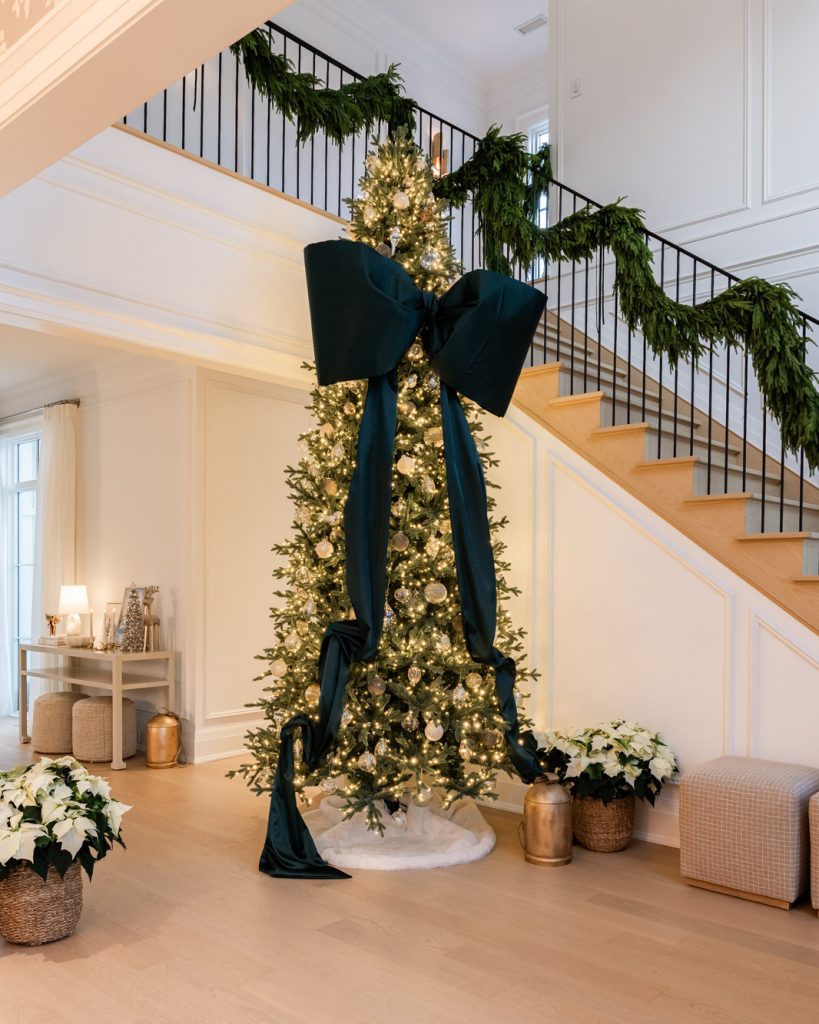
Paula DeOre, Interior Decorator at In House Living, notes that this season’s top trend is the organic look. “Natural greens, neutral colours, magnolia, birch sticks, and pinecones are timeless elements,” she says. “You can leave them up even after the holiday season ends.” This year, she’s seeing more ribbons and bows that add texture and a polished touch. DeOre also emphasizes pairing your mantel style with your tree for a cohesive, consistent look throughout the room.


Wondering just how to build a showstopping mantel at home? “Start with your garland,” DeOre advises. “Weave in twinkle lights, then complement with a wreath or greenery around artwork above the mantel,” she says. 

Jennifer Klassen at Centro Garden offers a garden pro’s tip on hanging garlands. While artificial ones can go up at any time, “always remember if you’re using live greenery, don’t bring it inside until a week before Christmas because it will dry out.”Flameless taper candles will add height and visual interest, especially when grouped with three on one side of the mantel and two on the other. Metal stocking holders and stockings complete the layered, seasonal display.

For minimalists, “instead of hanging garland, simply lay a few picks along the mantel for a festive accent,” DeOre says.

Go Green

Part of the magic of the season is visiting a garden centre to take in the scent of fresh-cut greens and discover wintery options like magnolia, eucalyptus, and berries to use in your holiday décor. Catherine Bulow, part of the family business at Bulow Garden Centre, says there are many choices for garland: “There are Ontario-grown cedars and then B.C. cedar, which has longer boughs and is more expensive,” she explains. “You can also use boxwood or a cedar and pine mix as a base.”

Fresh greens need care. Mist them often and keep them cool until you’re ready to decorate or entertain. “Follow the same rules as a cut tree and remember to spritz them,” notes Bulow. While they won’t last long, with a little extra attention, your mantel will stay fragrant and naturally beautiful.

Festive Fun

If a formal mantel isn’t your style, try creating one that reflects your personality. Select a theme inspired by your favourite holiday movie or show. Tyler Schwartz, RetroFestive’s “Chief Cheermeister,” says he’s seeing shoppers mix classic décor with pop culture pieces. “The Grinch is incredibly popular,” he says. “People are adding Grinch ornaments to trees, wreaths, and garlands on their mantels.”

Marnie Warman of Interior Design House points out that not every mantel is deep enough to accommodate a bulky garland. As fun alternatives, she recommends groups of battery operated candles with garland “picks” placed in and around the bases. “You can add decorative balls, floral products and other items for colour and texture,” Warman says, adding that the candles (or mini lights) also look wonderful inside hurricane type glass containers, of either matching or varying widths and heights. “You can then put some stems, or mini ornaments inside the glass with the candles for a great and simple look.” 

Figurines are another playful accent. Schwartz’s favourite? Buddy from Elf, holding a string of snowflakes just like in the movie. “Stocking holders and stockings are essential, but figurines are more fun. They’re real conversation starters,” he says. Including whimsical elements can revive childhood nostalgia while helping families create new holiday memories together.

Finally, it’s more than okay to venture beyond traditional colours. Customers of Centro Garden are getting downright playful with their trimmings. “Bright colours are definitely trending this year,” Klassen says, “so think about adding some pink, peach or coral hues to your Christmas decor.”

Local Links:

In House Living
3485 Fairview Street, Burlington
inhouseliving.ca

Interior Design House
4047 Fairview Street, Burlington
interiordesignhouse.com

Bulow Garden Centre Oakville
370 South Service Road West, Oakville

Centro Garden
437 Brant Street, Burlington
centrogarden.com

RetroFestive
1100 Invicta Drive, Unit 1, Oakville
retrofestive.ca

By: Nicole Hilton

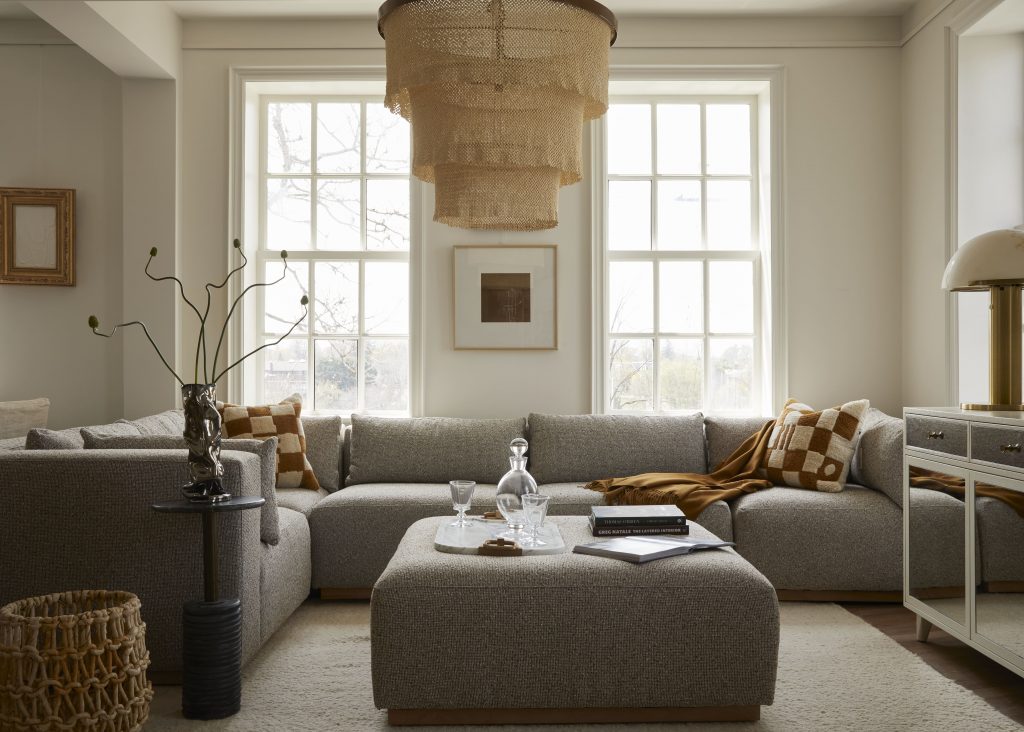
There’s just something about a crisp fall morning, with a cool breeze and colourful leaves that make you want to cozy up indoors. Fall is the season of layered textures, lush colours, and scents that wrap you in a warm hug. With a few smart swaps, you can turn your home’s interior into a snug retreat that embraces the season. Hot cider is optional but highly encouraged.

“Your accents are what’s going to make you transition (a space),” says Rose Luxton, owner of Lakeside Livin’. But you don’t need to overhaul your home with reds and oranges. Luxton notes that while burnt orange will always be in season, moody purples and earthy mushroom shades have grown in popularity, evoking a feeling of being grounded.

Fabulous FALL FADS
Contributed by FOR Living, Oakville

While autumn can be a homey and nostalgic season, decor can go far beyond the traditional. Traditional elements still have value, especially for their familiarity and comfort (think pumpkins, leaves, rich autumn tones), but designers are definitely experimenting — updating, refreshing, and reinterpreting the ‘look’ of fall each season. These may include…

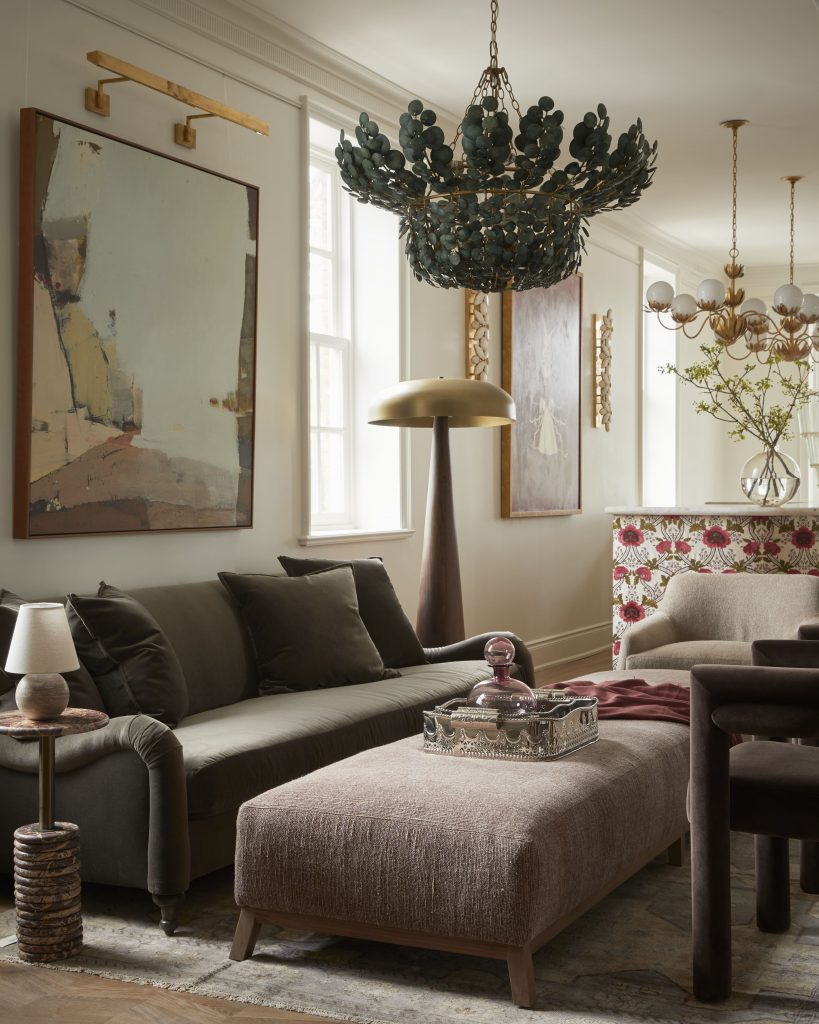
Earthy, nature-inspired hues: Warm clay, terracotta, olive, honeyed ochre, moss — even smoky plums — are being used more intentionally, often in muted or mid-tone versions rather than oversaturated brights.

Mixed textures and layered materials: Combining velvet, boucle, raw wood, rattan, and stone, to bring visual interest and tactile warmth.

Patina, vintage accents, and finds with history: Instead of brand-new decorations that feel seasonal-only, mixing in thrifted or aged pieces gives character. Think antique rug pillows, found objects or historic art paintings.

Marnie Warman, Owner, and lead designer at InteriorDesign House, recommends decorating in “tones that reflect your current home colours.” Interior Designer Sarah Gunn of Gunn & Co. is also a fan of “layering in patterns that introduce richer shades of your home’s existing colours.”

Layering textiles for cozy comfort

From chunky knit throws to heavy quilts, throw pillows and textured area rugs, textiles can bring depth and coziness to a room, transforming your home into a warm autumn oasis. Don’t stop at the living room. Textiles can play a role in the bedroom, too. “Swap bed linens for flannel sheets (and) layer a quilt or blanket across the foot of the bed,” Gunn says.

Nature is your centrepiece

Welcome fall at the front door and beyond. Create a welcoming autumn entry by swapping summer container pots for colourful mums or hanging a seasonal wreath.

And don’t forget to give your house plants a seasonal update. Luxton likes to add a fall vibe by re-potting her existing house plants in fall containers.

Lighting is an important detail in creating your autumn ambiance. Softer light instantly activates snuggle mode. Luxton’s simple tip for making a room feel cozier is to swap lamp shades for darker, textured fabric shades.

Finally, aromas such as apple pie and cinnamon are so happy-making, scientific studies have confirmed their link to feelings of warmth, comfort, and nostalgia in the brain’s emotion and memory centres. Choose scented candles, fragrant mists, diffusers, or a simmer pot of cloves, orange peel and cinnamon on the stove, for a true experience of home-sweet-home.

Go big. Luxton reminds us that fall is not the season to be minimalist with decor. “People just love to add extra layers in their home (in fall),” she says. So, bring in the soft throws, pile on the plump pillows and let every corner of your home wrap you in fall’s embrace.

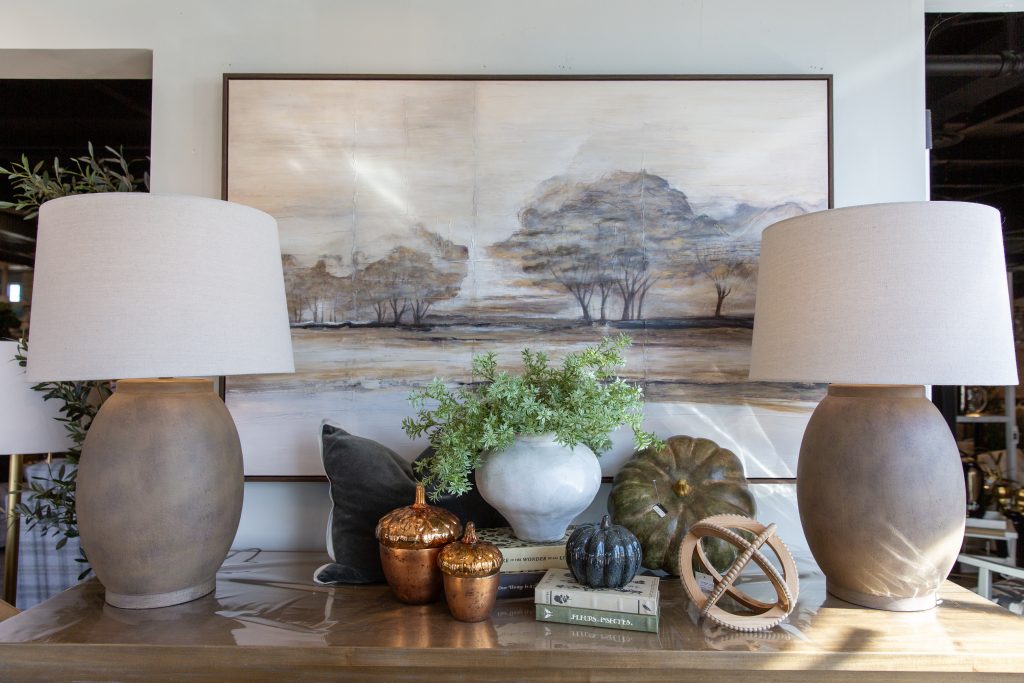
Inside the home, Warman uses her dining room table as a year-round stage for seasonal change. Using a container that suits the size and scale of the table, she begins with good quality artificial greens as the base and adds something new each season to reflect the time of year. Acorns, pinecones, gourds and branches are great natural elements for fall.

Faux florals are also a great way to add seasonality to your decor. “I have an oversized vintage basket filled with faux leaves that I set out each season,” Gunn says.

Local Links:

Anderson’s Interiors
686 Guelph Line, Burlington
andersonsinteriors.ca

FOR Living
75 Navy Street, Oakville
for-living.ca

Gunn & Co.
gunnandco.ca

House Warmings
550 Speers Road
Unit #3, Oakville
housewarmings.ca

Interior Design House
4047 Fairview Street, Burlington
interiordesignhouse.com

Lakeside Livin’
100 Bronte Road, Oakville
lakesidelivin.com

BY: Lisa Evans

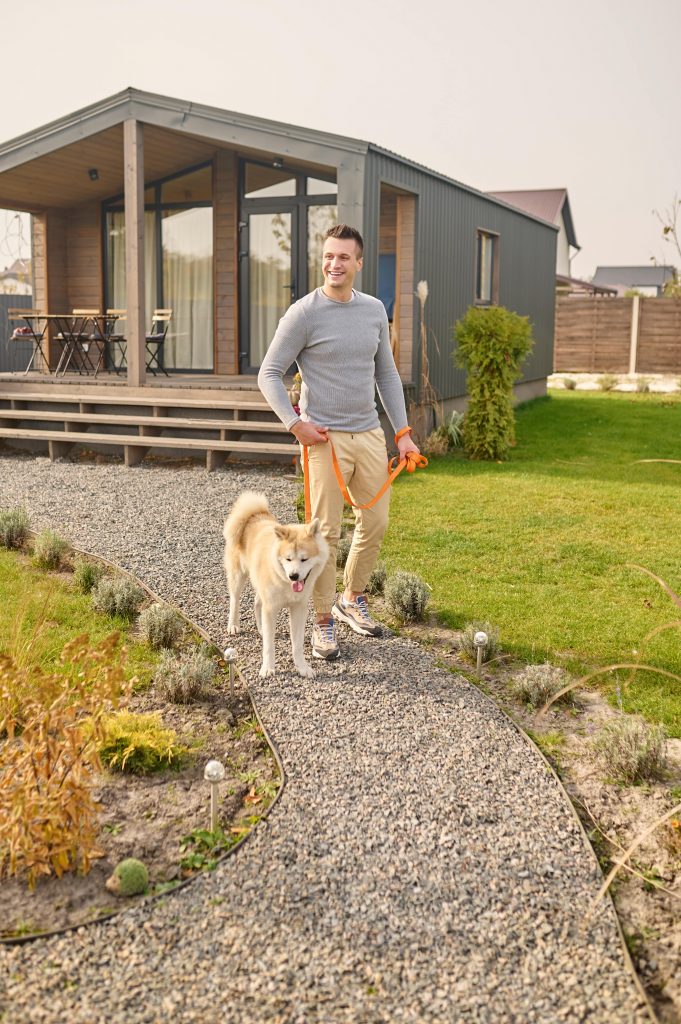
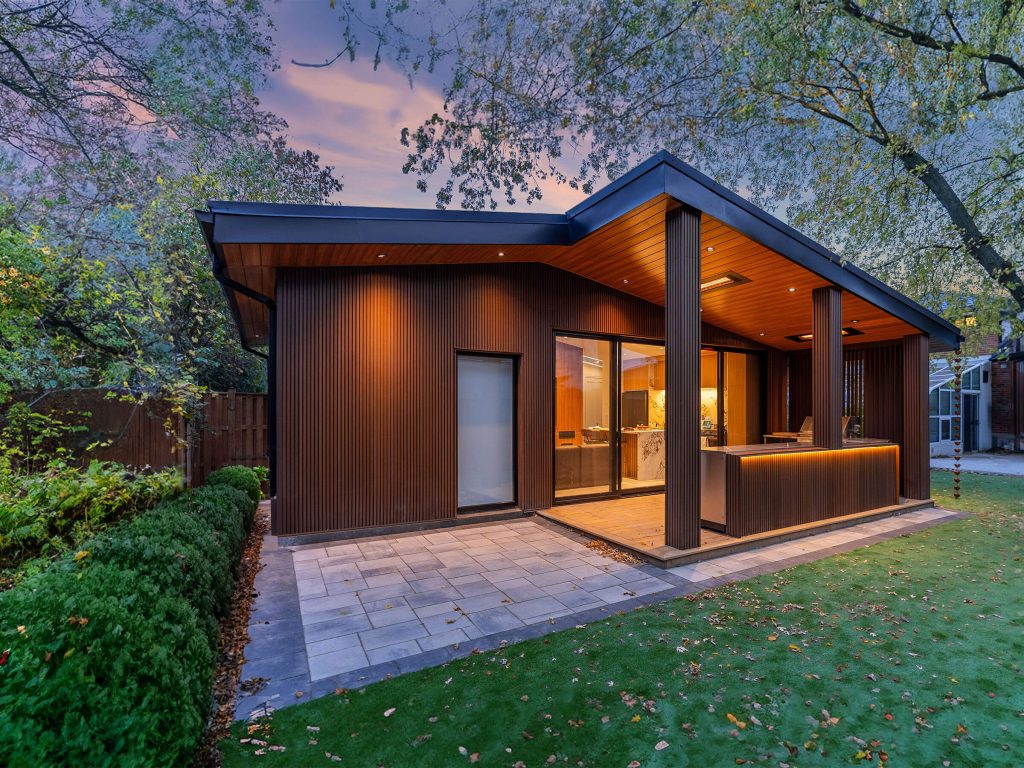
With housing prices remaining high across the GTA and beyond, more homeowners are turning to garden suites as a smart solution to generate rental income, create space for multi-generational living, or boost long-term resale value. Designed with independence and privacy in mind, a secondary dwelling can adapt to changing needs, adding long-term flexibility to your home. It may sound like a big undertaking, but with a solid plan, the right approvals, and a skilled builder, creating a secondary suite is more achievable than you think.

What is a Garden Suite?

Municipalities officially classify garden suites as Additional Residential Units (ARUs). In plain terms, that means a self-contained living space with its own kitchen, bathroom, and sleeping areas, located on the same property as a primary home. Brian DosRamos, President of Ever After Custom Homes, notes the clear shift toward spaces that emphasize family and sustainability.

Planning Makes Perfect

Getting started on a garden suite, or any secondary dwelling, begins with laying solid groundwork. First, hire an architect or designer to draft a plan that aligns with both your vision and municipal zoning rules. Professionals will help ensure your suite is functional and compliant with relevant codes.“We are seeing an increase in families wanting multi-generational homes and investment options included in their new homes,” he says. “It’s important to find ways to create more housing options within our established neighbourhoods.”

“Care must be taken to provide space and patterns of access that establish boundaries for each inhabitant’s respectful use of the exterior.” JOHN WILLMOTT

John Willmott, Principal Architect at Willmott & Strickland, explains that every project starts with context. “I first consider the scale, massing, compatibility, and relationship it has with the existing house,” he says. “Zoning by-laws determine the size, setbacks, height, and other regulations. And while municipalities are encouraging garden suites, having someone living in your backyard will potentially impact the homeowner’s enjoyment, so care must be taken to provide space and patterns of access that establish boundaries for each inhabitant’s respectful use of the exterior.”

Architects are also invaluable when adapting existing structures. Beyond design, they can help source contractors and oversee construction to make sure the vision is carried out as conceived.

Next, you’ll need to secure the necessary permits, a step that varies depending on local regulations but is critical for avoiding delays or penalties. Several municipalities now offer financial support to encourage this type of project.

Small Space, Big Design

WILLMOTT & STRICKLAND Designing a garden suite is all about balancing comfort, privacy, and long-term value. Working closely with a builder allows you to make the most of a compact footprint — maximizing usable space, building in smart storage solutions, and incorporating multifunctional designs that adapt to different needs.

“The space needs to be curated for the intended user from phase one of design,” DosRamos says. “That may mean barrier-free access for an aging family member, a larger kitchen for someone who loves to cook, or even a dedicated office space if the suite is meant to be a rental for a remote worker.” He also stresses maximizing natural light and airflow, noting that “sunlight and cross breezes are critical to creating healthy, happy spaces.”

BEFORE YOU BUILD

Garden Suites

Talk to a local real estate agent to learn current market trends. They can help you:

  • Determine the demand for rental units in your area
  • Assess property value to optimize your investment
  • Connect you to knowledgeable professionals

Future value should also guide decision-making. “Thoughtful design will ensure that the suite fits with the home, property, and community,” says DosRamos. He points to energy-efficient choices like triple-glazed windows, in-floor radiant heating, and upgraded insulation, as well as smart home features. Building to high standards now, he explains, creates long-term value and minimizes costly upgrades later.

With the right combination of intention, efficiency, and details, a secondary dwelling becomes more than an extra unit. It’s a flexible, valuable extension of your home.

Local Links

Ever After Custom Homes
everafterhomes.ca

Wilmott & Strickland
willmottstrickland.ca

BY NICOLE HILTON

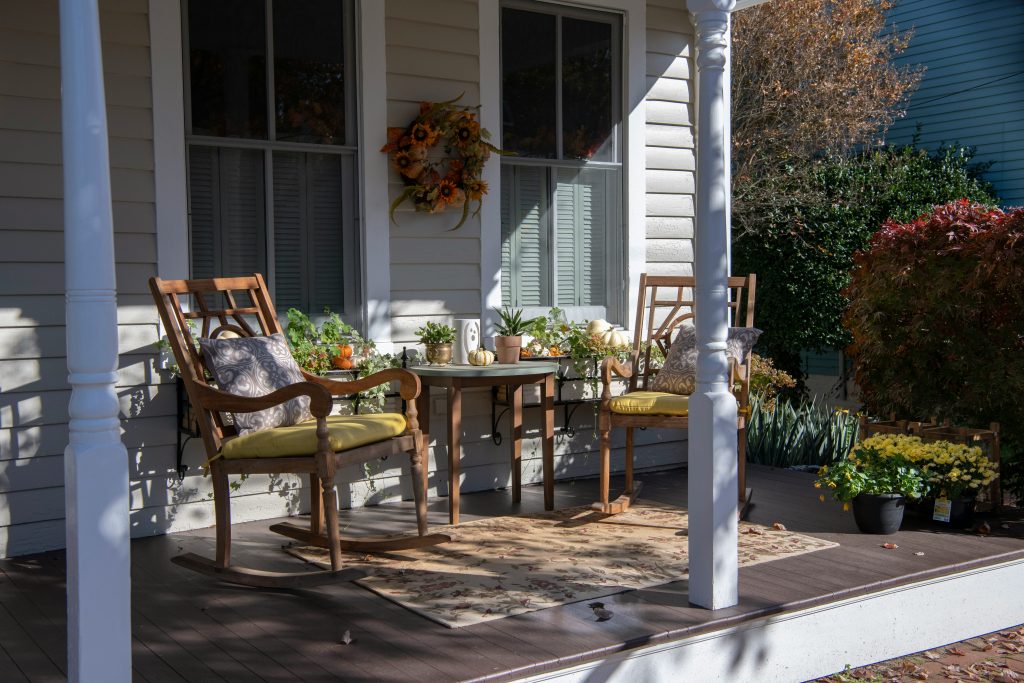
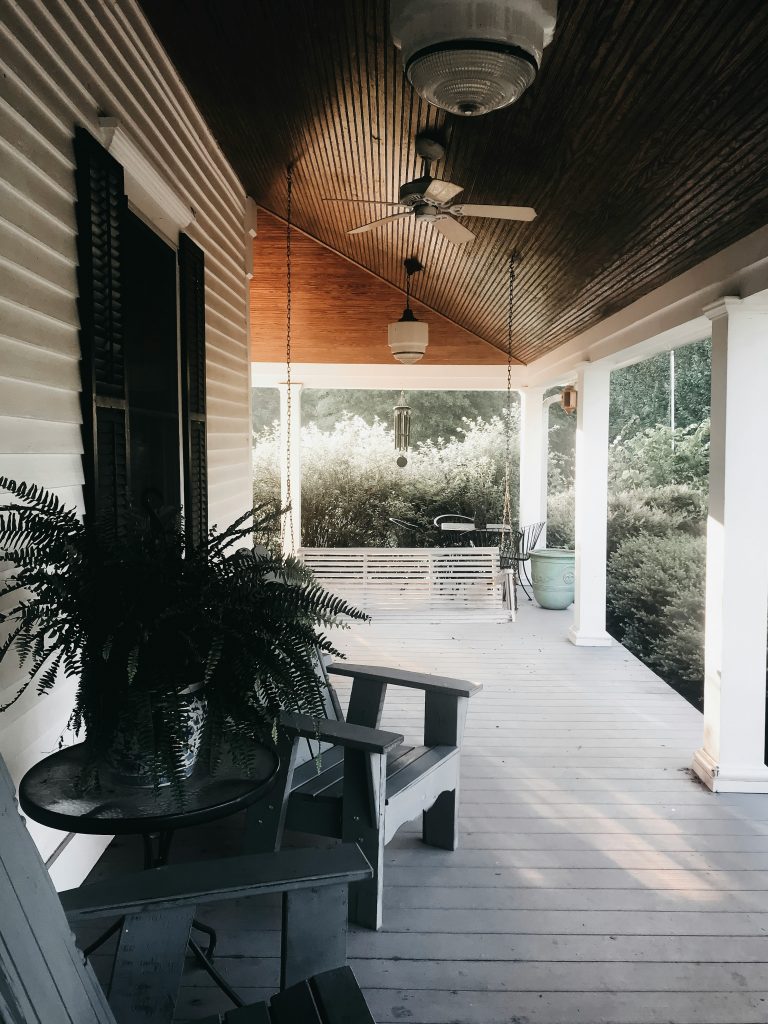
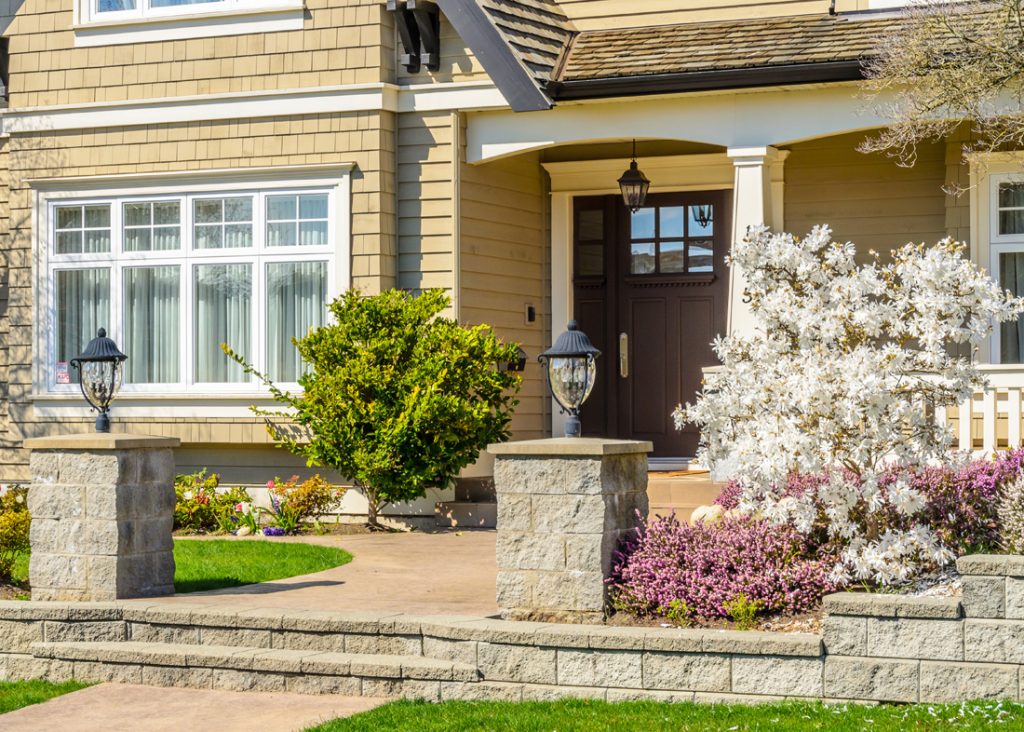
The front porch often takes a back seat to the back deck, but in reality, it’s the first impression visitors have of your home. Whether you have a big, beautiful wraparound, a small covered entryway, or a vision for the future front porch of your dreams, simple changes can make a bold statement.

Renovate and recreate

Planning a front porch renovation starts with the basics: design, permits, and hiring the right professionals. “Budget, building code compliance, contractor warranty, and using the proper products for the right application are important to all components of a renovation involving stonework, decking, lighting, and railings,” says Wes Allan of Ridge Rock.

Current trends lean toward durable, low-maintenance materials with a refined look — natural stone in soft greys, composite decking, sleek railings, and oversized lighting for impact. Upgrades like deeper stairs or new railings can enhance function.

Porches

Paint also plays a role in transforming a porch. “Colour is often determined by existing elements like stonework or siding,” says Michelle L. Adams of Burlington Paint. “We are seeing a palette of more neutral tones, soft grays, beiges and warm taupes, as well as earthy greens and neutral wood tones.” Suggested paint choices include HC-172 Revere Pewter and HC-110 Wethersfield Moss.

The front door is your chance to add personality. Bold colours like navy or black make a strong statement. “This is how you welcome people to the house,” says Adams. “This is a focal point. Matching the trim to the door looks more substantial, and a rich black door always commands attention.”

For lasting results, start with proper prep and use quality products designed for exterior surfaces.

Stay awhile

Seasonal Planters

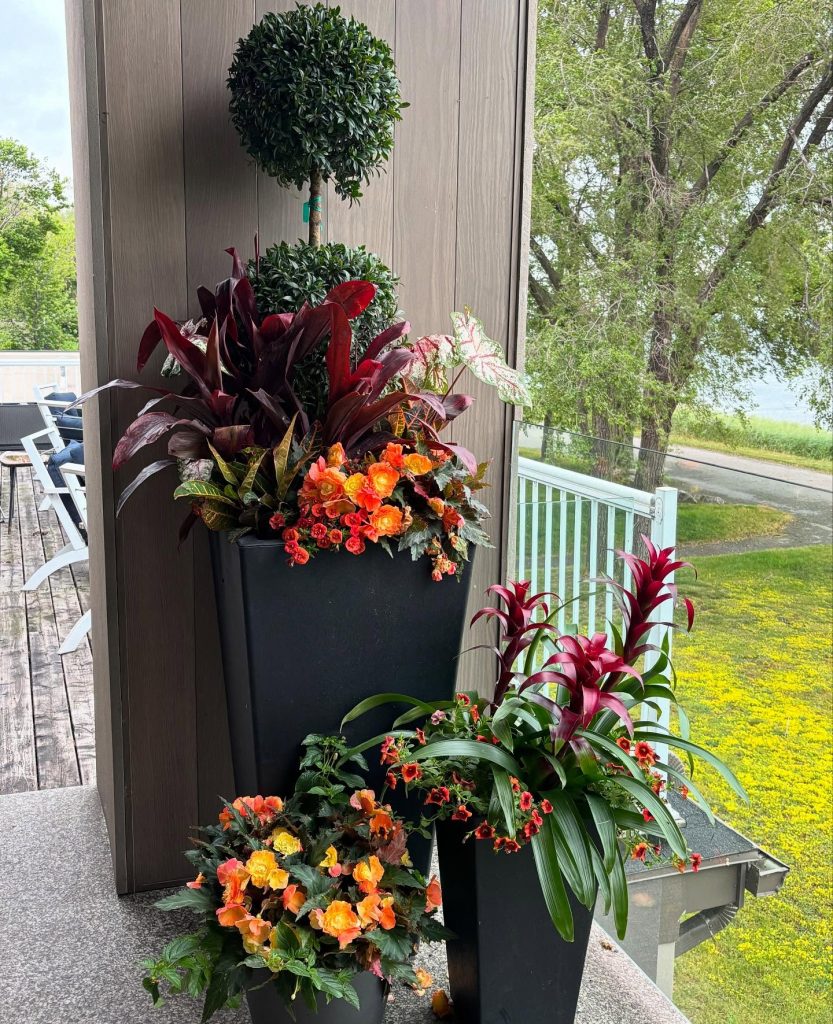
Greenery and urns can make your front porch feel more like home. “Seasonal planters elevate your style, draw attention to your entryway, and add colour and texture,” says Michelle Varlese-Fox of Yearn to Urn. She recommends investing in large containers that match your home’s aesthetic. “Update urns seasonally, water low and slow, and don’t rely on rain alone. Nothing can make your entryway look more tired than expired plants and flowers.”

If you’re starting from scratch, container size is a consideration. Varlese-Fox says bigger is always better for boosting curb appeal. She recommends investing in quality containers to avoid replacing them every couple of years and incorporating seasonal plants and flowers that thrive in your lighting conditions.

With proper prep, soil, and maintenance, urns become key design elements, not afterthoughts, all year long. 

Oakville Home and Leisure

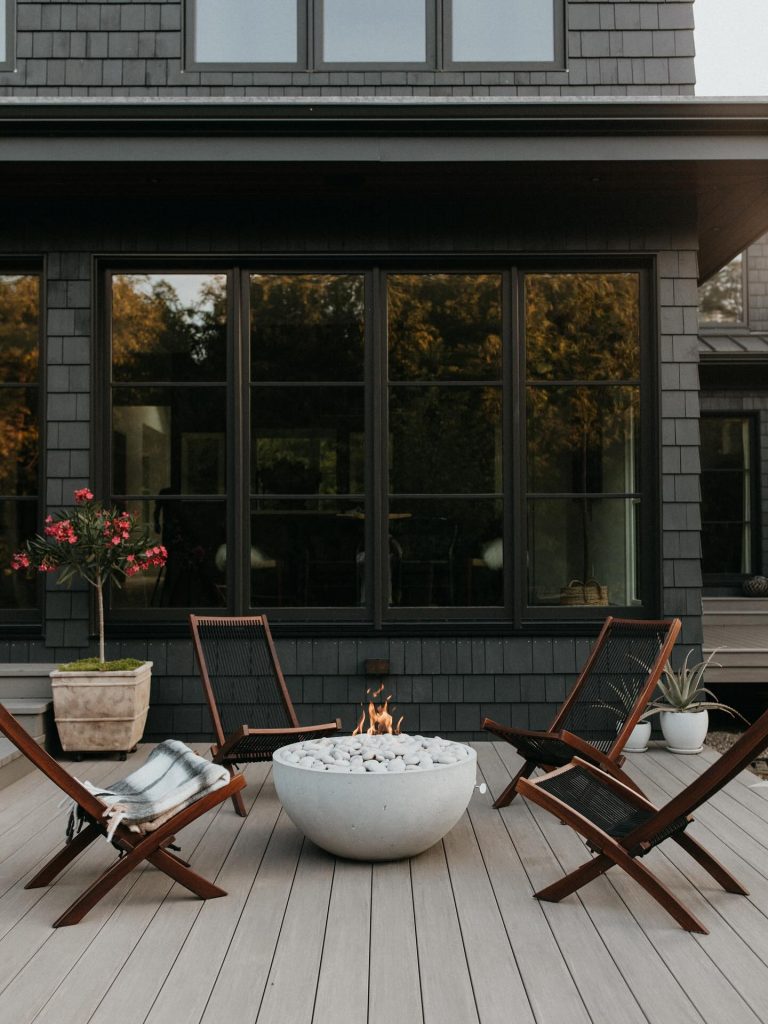
To complete the look, layer in outdoor furniture and accessories that blend style with comfort. A set of chairs with cushions, a porch swing, or a small bench creates a welcoming place to relax, while a weather-resistant rug or doormat helps define the space. Add lanterns, decorative pillows, or seasonal accents to extend your home’s personality right to the street. If space allows, a small bistro set can turn your front porch into a cozy spot for morning coffee or casual dining al fresco.

From the warm days of spring through summer and well into autumn, a front porch is a beloved extension of your living space. It’s the face of your home and merits the occasional facelift, a few cosmetic tweaks or, at the very least, quality time with you.

front_entrance

Local Links:

Burlington Paint
3300 Fairview Street, Burlington
905-631-7575
burlingtonpaint.com

Oakville Home Leisure
1318 Speers Rd, Oakville
905-847-8551
oakvillehomeleisure.ca


Ridge Rock
Burlington
905-741-9741
ridge-rock.ca


Yearn to Urn
335 Kerr Street, Oakville
905-808-8319
Y2U@YearnToUrn.com

By Nicole Hilton

A tree can be the start of a beautiful garden story. While it’s fun to plan a deck, garden beds, and even patio furniture, set those aside for a moment and think long term. For an outdoor space you will enjoy for years to come, the blueprint starts with a well-placed tree.

The right trees and shrubsnwill visually anchor a yard, cast cool shade on hot summer days, and grow into providing natural privacy. Awe-inspiring gifts from nature, they provide comfort, beauty, and value, whether you’re designing a yard from scratch or refreshing an established space.

NOT JUST ANY TREE

When selecting a tree or shrub, there’s much to consider besides how pretty it looks in the greenhouse. Think beyond aesthetics and ask your landscape pro for recommendations to suit local climate and soil conditions. You’ll also need to know how fast the sapling will grow, its resistance to diseases and pests, and how wide and tall it will get (a majestic 70-footer too close to the house could eventually wreak havoc with pipes, cables, roof, and foundation).

DARLA’S GARDEN GIRLS PICK

Eastern Redbud Tree
Easterburn Tree
  • Ideal for a smaller yard
  • Stunning spring blossoms and heart-shaped leaves
  • Provides partial-canopy shade
  • Adaptable to various soil types
  • Thrives in urban conditions

EDITOR MICHELLE’S PICK

Serviceberry tree or bush
Service berry Tree
  • Native to Ontario and highly attractive to pollinators, birds, and small mammals
  • Showy white flowers in early spring
  • Green foliage and red berries in summer
  • Fiery display of reds and golds in autumn

… and if the birds leave you some serviceberries (also known as saskatoonberries), fill a bowl and bake a pie. They are spectacularly delicious. Know your growing zone, and do your research. “In Ontario, selecting trees that are hardy and can really withstand our four distinct seasons while providing good shade is crucial for long-term success,” says Tom Henderson, President of ProScape Land Design.

Darla Malcolm-Hauraney, Chief Garden Guru at TheGarden Girls, encourages taking a broad environmental perspective when making your selection. “Consider a keystone plant that is native to your region,” she explains. “These are critical to the food web and necessary for many wildlife species to complete their lifecycle. Without keystone plants in the landscape, butterflies, native bees, and birds will not thrive.”

What types of trees are best for landscaping a yard? Henderson recommends RiverBirch, Linden, Hornbeam, Serviceberry, Dogwood, and several varieties of Maple. Malcolm-Hauraney adds White Oak to the list, noting that it supports hundreds of caterpillar species, a vital food source for birds.

LOCATION IS KEY

Place trees strategically within your overall landscape plan, especially since some varieties are known to be a little messy — dropping keys, leaves, or sap at certain times of the year. You’ll also want to consider the view from your home’s windows, framing key sightlines with greenery that adds to the visual appeal both inside and out.

“Remember to choose a mix of trees and shrubs that offer visual interest throughout the seasons, like flowering trees in the spring and vibrant foliage in the fall,” she adds.

If your goal is to create distinct zones like patios, with built-in natural shade, Henderson recommends working with a professional. “Hiring a professional landscape designer or landscape architect can help determine the best lasting many years of enjoyment out of the space,” he says.

SMALL SPACE, BIG SHADE

Even in compact yards or urban patios, it’s still possible to create a perfectly breezy retreat where you can relax with a good book or enjoy summer sips in comfort. exceptional collection of prints, sculpture & more by Canada’s Inuit and First Nations artists ESTABLISHED IN 1995 “Pergolas, umbrellas, or cabanas are great ways to add shade,” says Henderson. “You can achieve shade without planting trees or enhance these structures with well-placed trees or shrubs for a blended effect.”

MALCOLM- HAURANEY SAYS SMART PLANNING INVOLVES THREE KEY PRINCIPLES:

LAYERING

Placing taller trees at the back or centre of your yard, with medium-sized shrubs and shorter plants in front to create depth.

GROUPING

Planting trees in clusters to achieve a more natural look and provide more effective shade and privacy

FUNCTIONALITY

Using trees to define spaces, create natural barriers, or block unsightly views

Dogwood tree

Malcolm-Hauraney agrees, adding that manmade structures can work together with nature. “Incorporating shade structures can provide immediate relief while allowing you to plant climbing vines or shade-loving perennials around them.”

Even something as simple as a trellis with a clematis or climbing hydrangea can offer filtered shade and a sense of privacy. Combined with planters of tall grasses, strategically placed shrubs, or even a small ornamental tree in a container, small spaces can feel lush, private, and inviting.

Local Links

THE GARDEN GIRLS
thegardengirls.ca

CONNON NURSERIES
WATERDOWN
shopconnon.ca

TERRA BURLINGTON
BURLINGTON
terragreenhouses.com
SHERIDAN NURSERIES
MISSISSAUGA
sheridannurseries.com

By Nicole Hilton

The good weather is finally here, and that means soaking up every moment outdoors. As people are investing more in their at-home spaces, a landscape plan that includes purposeful outdoor lighting can make a difference.

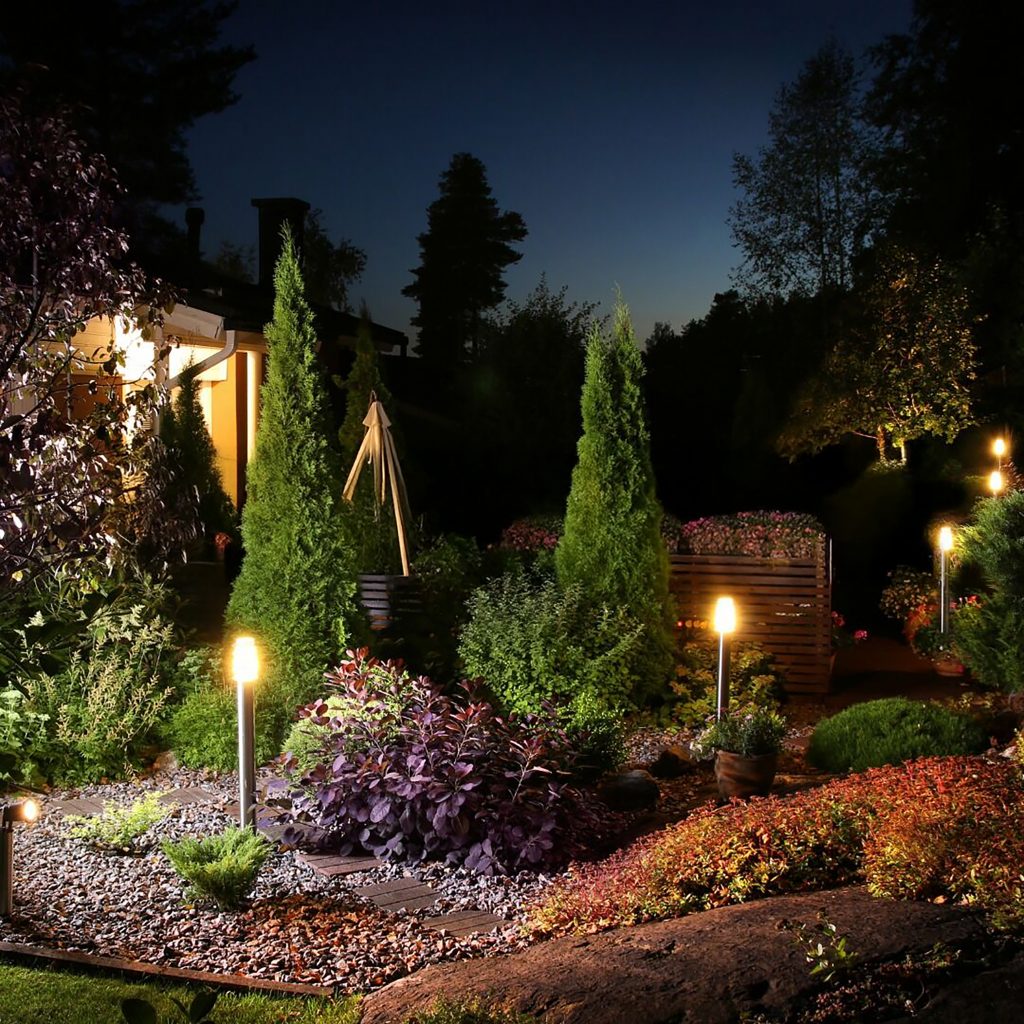
Lighting adds both function and ambiance to your outdoor space by setting the mood for a cozy evening on the patio, adding a warm glow for dining al fresco, and ensuring safety along walkways. The first step to designing a beautifully lit space is understanding the types of lighting that will dazzle year-round.

LED leads the way

Lighting has evolved into smarter, more efficient, and customizable systems. “For anyone with an outdated halogen system, we recommend considering LED retrofits,” explains Dave Colborne from Turf Pro. “With MR16 LED lamps, you can typically get 30,000 to 40,000 hours of light, while halogen bulbs might only last around 5,000 hours, depending on the manufacturer. That means far less maintenance and fewer bulb changes.”

Devon Kleinjan from LandArt Home & Landscape agrees, emphasizing the long-term benefits. “For durability and control, low- voltage LED systems are ideal,” he says. “They offer a wide range of fixture styles, remote control options, and long-lasting bulbs, plus they can be installed without needing a licensed electrician.”

LED bulbs aren’t only about efficiency and longevity; they also align with the modern design trends this season. “We’re seeing a shift toward warm white and shielded LED lights,” says Sarah Love from PM WYRE Ltd. “Home automation systems allow homeowners to adjust the brightness levels, reducing unwanted glares at night while still keeping sidewalks and paths illuminated.”

Turn up the tech

Today’s outdoor lighting blends atmosphere with convenience. With smart technology, lighting systems can be fully automated or manually controlled with the tap of a button. “An app allows you to create a home or away schedule,” says Colborne. “Landscape lighting has become a lot more user-friendly.

“We’re seeing clients want to access their smart home without switching between multiple apps,” adds Love. “They want to be able to launch custom scenes like ‘Patio Party’ or ‘After-Hours Path’ from their keypad, touchscreen or mobile device. The convenience of a single access point mirrors what they already have in the way of technology in their home, making the indoor-outdoor experience seamless.”

Dimming has also become an indispensable tool for fine-tuning outdoor ambiance. “When I’m installing lighting on large trees, it’s typically comprised of fixtures that uplight and downlight the tree,” explains Colborne. “In the winter, it’s nice to be able to dim the downlights a bit because the reflection from the snow makes it appear brighter to the eye.” Love agrees, adding that dimming can also create distinct zones. “For example, homeowners can lower ambient lighting to 30
percent brightness after dinner while keeping the pathway lights at full brightness for safety.”

Let there be light

With creative planning, any backyard can be transformed into a welcoming retreat. “In the winter, bare branches cast striking shadows, and in the summer the light filters beautifully through foliage,” says Kleinjan. “A strategic, classic approach works across all seasons and stands the test of time.”

The key to a well-lit space is understanding the role each light plays. Love explains, “It’s crucial to define the purpose of a space before deciding where functional lights are needed for safety, like steps, locks, and grill areas, and where to add decorative lights for ambiance.” “I look at a whole composition and come up with a complete plan,” adds Colborne. “This is what produces the most dramatic effects because lighting is both an art and a science. Life is too short to have
bad lighting.”

Instant outdoor ambiance

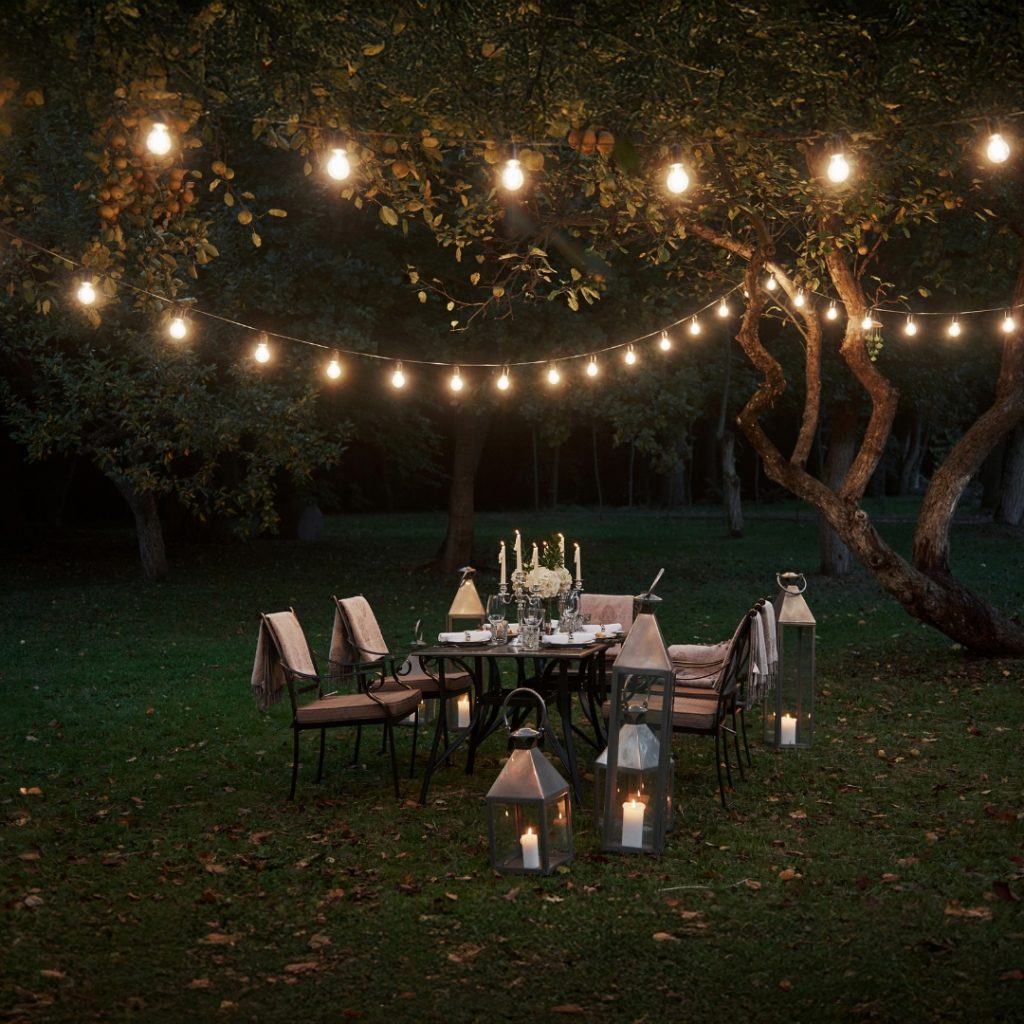
1. Layered café string lights: Add a soft glow to any space with this essential accessory for cozy evening gatherings.

2. Portable lanterns: A décor staple used for centre pieces, along pathways, or hanging from trees – candle or LED lit.

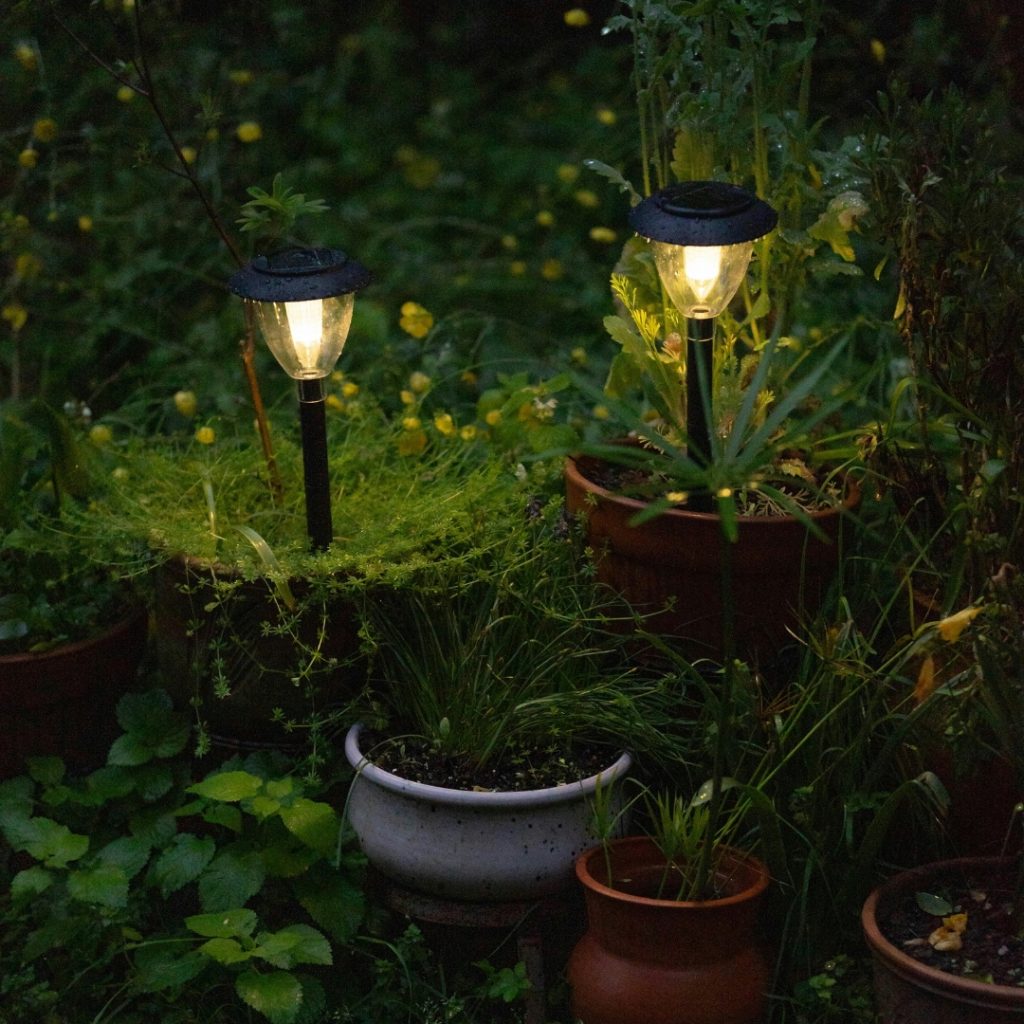
3. Solar lights: No power, no problem! An environmentally conscious way to brighten your backyard on a budget.

By Nicole Hilton

In the first three months of this year in Oakville and Burlington, more than 3,000 people listed their homes. But the number of homes sold declined by about 40% compared to the first quarter of last year. As the number of new listings continues to exceed the number of sales, inventory is rising. Average selling prices, meanwhile, are flat or declining slightly (see the summary statistics on page 34).

Why these market changes? The reasons are mostly national or global. Current influences on real estate include higher interest rates compared to five years ago, economic uncertainty, tariff anxiety and the affordability issue, not to mention that buyers are more cautious than they were in the over-heated COVID-19 housing market.

This year started fairly smoothly until geopolitics (and the weather!) suddenly caused hesitation among buyers. “We quickly ran into uncertainty with a call for both a federal and provincial election, as well as well- documented issues in the U.S., including new tariffs,” says Duncan Harvey, Branch Partner & Broker at Every Avenue Real Estate in Oakville. “On top of that, we experienced more snow than we’ve seen in several years.”

All of these factors caused home sales to slow down. With more homes to choose from and less pressure to decide fast, buyers are taking their time and making sure not to overpay. “That said, as we move into better weather and with elections behind us, the only major uncertainty that remains is with the U.S.,” Harvey says. He expects sales volume to increase over the remainder of 2025.

If you’re considering selling your home this year or already have it on the market, we’ve got your back! Read on for some great tips and advice from local experts on how to achieve a successful sale.

Price It Right

“Market shifts can happen virtually overnight, and pricing strategy is crucial in ensuring sellers get the most money possible,” says Greg Kuchma, a Broker with RE/MAX Escarpment Realty in Burlington. Kuchma explains that pricing very much depends on some obvious factors, such as competitive listings and recent sales in your area, but sellers must also consider things like the uniqueness of a property, and what timeframe they’re comfortable having the property listed for.

“People are approaching the process with caution – and rightfully so,” Kuchma says. “Properties at all price points are selling, and buyers are more likely to include conditions and negotiate.”

Harvey stresses that in today’s market, buyers want to feel like they’re getting a deal. “Pricing sharply has never been more important,” he says. “When sellers price their homes competitively, it gives buyers the confidence to make an offer right away, instead of sitting back and waiting for a price reduction.”

Set the Stage


Sellers need to show off their home’s best attributes – because there’s only one first impression. A real estate agent will advise on lighting, paint, landscaping, cleaning, handyman touch-ups, small staging and decorating changes (yes, prospective buyers notice these details).

Rather than go it alone, “Engage a real estate professional early on!” Kuchma says. “There are so many moving parts, and things to be aware of.” Although you know your home best, your agent offers valuable and objective insights on how to get it “show ready.”

According to Andrea Fefekos, Owner of Shelf Care Organizing in Milton, a home that’s on the market “needs to shine like a new pin from top to bottom, inside and out.” That might sound like a big ask if you’ve lived in the same house for many years. Inevitably junk collects in the basement, closets, and garage. Kitchens show their age. Walls thirst for a lick of paint. “But don’t despair,” Fefekos says. “There are plenty of people who can help you with the work required to show your home in the best possible light.”

As part of her company’s decluttering services, Fefekos’ team can help sellers decide what to keep or donate, arrange for same-day donation removal, and organize kept items to minimize visual clutter. It’s not just about tidying up. It’s about showcasing a home’s best features with minimal distractions. As a seller, you want potential buyers to picture themselves in the space – and they can’t do that if they’re focusing on your belongings.

Renovate…Only where necessary

Sometimes a home needs more than a cleaning and decluttering to appeal to a buyer. In some cases, for a home to fetch a good price, a realtor might suggest investing in renovations. It can result in a quicker sale, at a price that both the buyer and the seller are happy with.

Keep in mind, though, that the goal is to get back far more than you spend. This is probably not the time to undertake major work such as a new kitchen or bathroom.

“Prior to a sale, focus on the visual presentation of the home,” says Peter Glaw, Owner of Premier Quality Renovations. “Touch up the hardwoods, fix scuffs in the drywall, check the caulking and the grouting in the bathrooms and kitchens, and paint wherever necessary.”

Glaw has 41 years of experience in every type of reno, from superficial to a complete rebuild. He can either have his tradespeople do the work and manage the job, or take on a consulting role and teach you how to be your own general contractor. He has even written a book about it – How to Be Your Own General Contractor: Everything You Need to Know to Take Control and Save Thousands on Your Renovation or New Construction.

Harvey recommends starting with the surface changes and then reassessing. “The best return on investment typically comes from fresh paint and making sure the home is extremely clean,” he says. “From there, sellers should work with their agent to decide if additional investments — such as minor updates or repairs — could further improve the home’s value and marketability.”

Dot every ‘i” with a real estate lawyer


Once a successful offer to purchase is concluded, there is one final (often under-appreciated) step in the process: working with a professional real estate lawyer to ensure closing day happens without a hitch. This step is critical whether you’re a first-time buyer, a seasoned investor, or a seller expecting to close a deal.

Owen Duguid, Partner at O’Connor MacLeod Hanna LLP in Oakville, explains how it works. “When most people think about buying or selling a home, they picture open houses, mortgage meetings, and real estate agents,” he says. “But behind the scenes, there’s a quiet powerhouse making sure everything runs smoothly – and legally. That’s where the real estate lawyer comes in.”

The lawyer’s job is to spot red flags and issues early before they become costly problems. They can also translate legal jargon into plain English, and make sure you are in a position to complete the transaction on closing day. Whether it’s reviewing contracts, dealing with title issues, negotiating terms, or resolving disputes, real estate lawyers ensure that both the buyer’s and the seller’s rights are protected.

Think of real estate lawyers as the safeguard in a high-stakes game,” Duguid says, “because when it comes to real property, one misstep can cost more than just peace of mind.”

You’ve got this


Markets will forever fluctuate. World events will always cause supply and demand to ebb and flow. If you plan to sell your home in the coming months, know that it’s in your best interest to make sure that all elements are in place for an attractive listing. Once your home has the right price and the right look, and once your valuable asset is in good physical and legal shape, you’re primed for a mutually rewarding transaction.

If you are thinking of selling your home this year, here are some local companies who would love to help you prepare for the move.

Clutter Relief Services, Hamilton
clutterreliefservices.com
Daphne Freill, Oakville
daphnefreill.com

Downsizing Diva, Burlington
downsizingdiva.com

Every Avenue Real Estate, Oakville
everyavenue.ca

Halton Handyman, Burlington
haltonhandyman.ca

Invidiata Team, Oakville
invidiata.com

Jason Woods, Mortgage Broker
jason-woods.com

Kleen Rite Carpet & Duct Cleaning, Burlington
kleenrite.ca

The Kuchma Team, Burlington
thekuchmateam.ca

O’Connor MacLeod Hanna, Oakville
omh.ca

Premier Quality Renovations, Etobicoke
premier-renovations.com

Shelf Care Organizing, Milton
shelfcareorganizing.com

Ultra Stor, Burlington
ultrastor.ca

By Tim Root and Michelle Morra

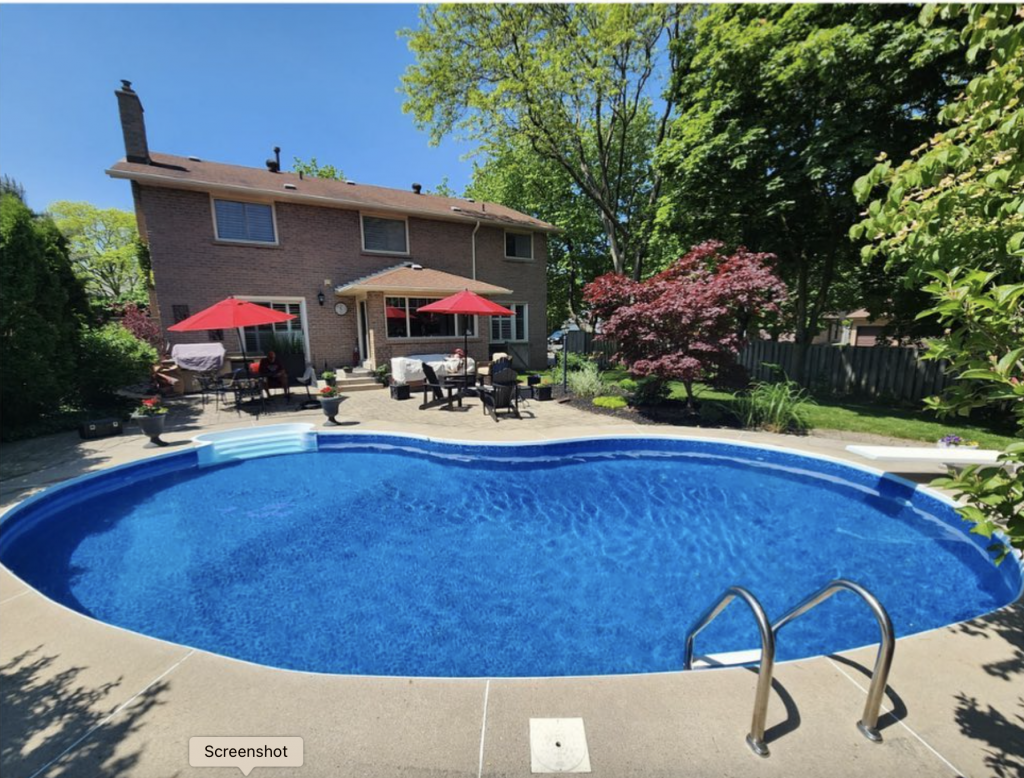
Pool planning is always in season. Whether you’re dreaming of the serenity that comes with a refreshing morning dip or a lively spot for weekend entertaining, the right pool can completely transform your outdoor living space. From layout and landscaping to features and finishes, here’s what to consider when turning your project ideas into a reality.

With the arrival of consistently good weather, it’s tempting to think you can have a pool installed and be swimming by summer’s end. While that might still be possible depending on the scope of your project, careful planning is the key to achieving a high-quality result that will last for years.

“The best way to get started is to book an expert consultation to discuss your ideas and project in detail,” says Andrew Majury of Let’s Landscape (Together). Terence O’Brien of Shoreline Pools and Landscapes agrees: “If you build a backyard similar to how you build a house and take your time, you’ll have the best experience. All the planning and design work is what makes a project run smoothly.”

Dive in

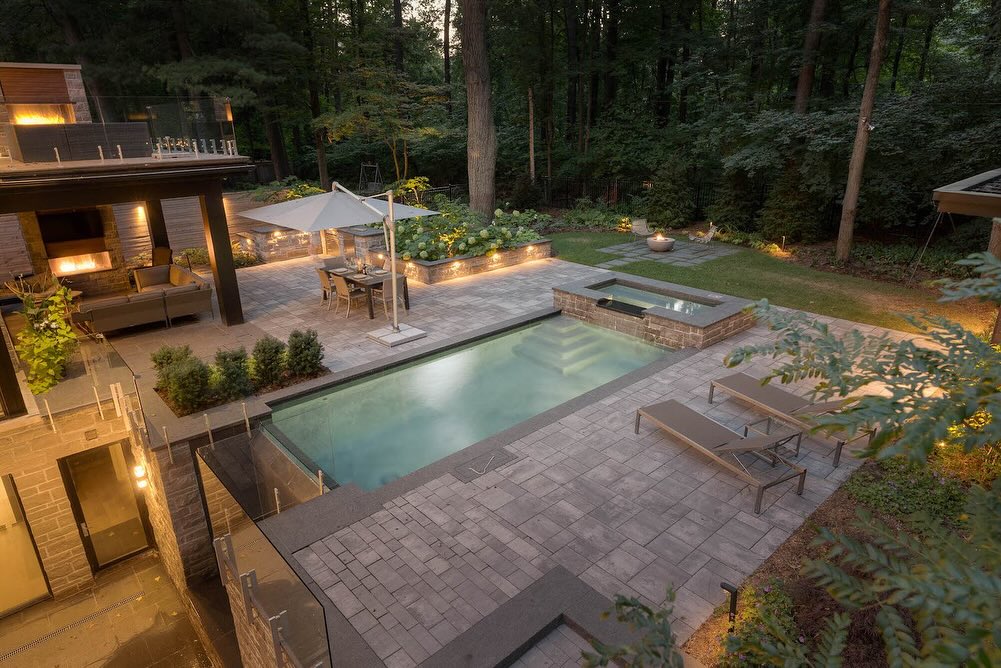
Custom pool designs offer the freedom to incorporate luxurious, resort- inspired features that elevate your entire backyard. “Integrated spas, sun benches, and full-width staircases are trending,” says Ian McClelland of McClelland Landscape Design. “The shallow end is often the go-to hangout spot, so expanding the stairs into a larger lounging area creates a more social atmosphere. Hot tubs with therapeutic jets and spillover spas are also in high demand.”

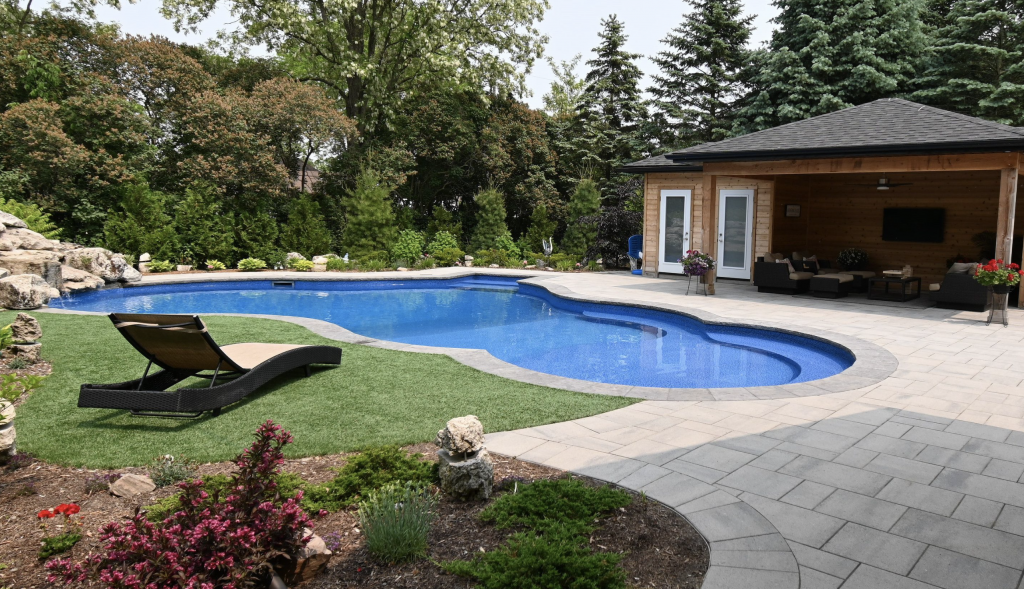
Materials and shapes are evolving, too. “We’re seeing increased interest in outdoor-rated porcelain tile and natural stone,” O’Brien says. “I’m also trying to bring back curvy pools. Most of the industry leans toward modern, rectangular styles, but freeform shapes help define outdoor areas – like dining areas, fire tables, and conversation sets.”

Backyard blueprint

Beyond the trending features everyone wants, there are a few practical must-haves that every well-designed pool should include. “A control panel system allows you to simply manage, monitor, and adjust all pool functions remotely from an app,” says Majury. “A variable speed pump will save on operating costs and is more energy-efficient compared to single-speed pumps, making it a smart investment for long-term savings.”

Striking the right balance between water features, hardscape (like patios and stonework), and softscape (like garden beds and greenery) is equally essential. “You don’t want one element to overpower the others,” explains McClelland. “You want to create a sense of comfort and relaxation.”

O’Brien encourages homeowners to invest in a full backyard design. “When you’re working with the kinds of budgets these projects require, it’s crucial to have someone you trust who understands your vision,” he says. “We take elevation shots and plan every inch so when you receive a quote, there are no surprises.”

As for the cost of creating a private paradise? Expect to spend $80,000 to $100,000 on a custom pool with high-end features plus the cost of landscaping. But a total teardown isn’t always necessary. “For customers with existing pools, it’s amazing how a renovation can completely transform your yard,” Majury says.

Top 5 Pool Accessories for Summer Fun

  1. LOUNGE CHAIRS Create resort-style comfort with loungers for the sun deck or floating chairs for lazy afternoons in the pool.
  2. INFLATABLES Flamingos, unicorns, and even floating cabanas add a playful touch while keeping you cool.
  3. LED LIGHTS Colour-changing lights bring ambiance to evening swims and backyard parties.
  4. BLUETOOTH SPEAKERS Keep the tunes going with waterproof speakers that can handle splashes or float alongside you.
  5. POOL GAMES From hoops and volleyball to dive rings and floating poker, pool games make a splash with all ages.

Local Links

Let’s Landscape (Together)
Burlington
letslandscape.ca

McClelland
Landscape Design
Oakville
mcclellandlandscapedesign.com

Shoreline Pools and
Landscapes
Oakville
shorelinepl.ca

By Nilcole Hilton