Category

Home & Garden

Category

When my daughter was a toddler, she had a habit of waking at 5:45 a.m. To avoid disrupting the rest of the house, she and I would head to our back porch to play. The chirping of birds was our soundtrack. 

After I finally decided to buy a bird feeder, suddenly our mornings brought sightings of goldfinches, chickadees, and cardinals that flocked to our yard. We learned their names and distinctive calls, and I began to actually enjoy waking up at dawn just to see which feathered friends would visit us.

I know I’m not alone in my love of backyard birding. The hobby is rapidly growing in North America. “(It’s) one of the easiest and most rewarding ways to connect with nature,” says Paul Oliver, Founder of Urban Nature Store. Watching and listening to birds can be incredibly calming, and for many enthusiasts, attracting more birds becomes an obsession. “The beauty of the birds, along with their songs, has a naturally relaxing effect,” adds David Wood, Store Manager at Wild Birds Unlimited in Burlington. 

If you’ve ever wanted to attract birds to your yard, here’s how to get started. 

Choose the Right Feeder

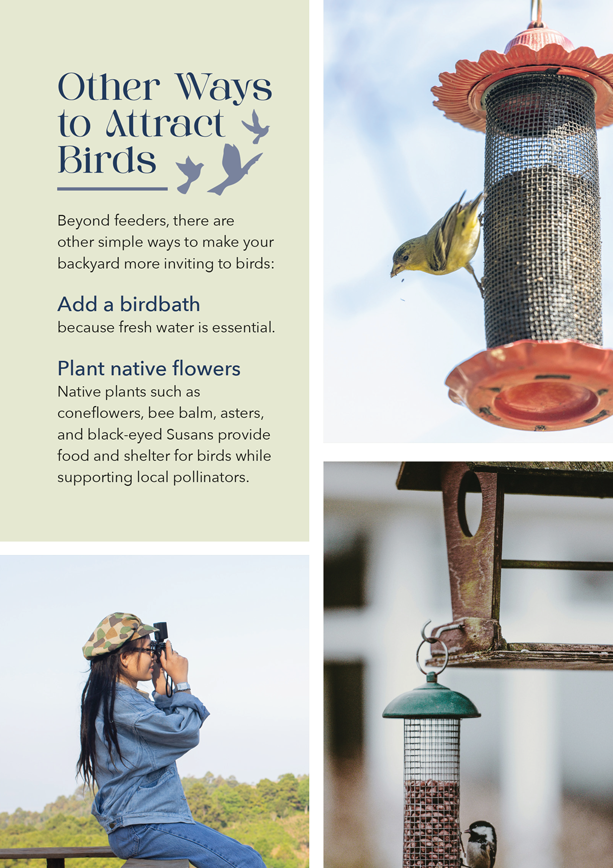
Walk into a specialty bird store like Wild Birds Unlimited in Burlington or Urban Nature in Ancaster, and you’ll find an overwhelming variety of feeders. Where to start? Oliver suggests a tube feeder. “It’s easy to use, attracts a wide variety of birds like finches, chickadees, and cardinals, and helps keep seed fresh and dry,” he says. If squirrels are a concern, squirrel-proof feeders can help ensure more seed goes to the birds rather than to pesky backyard thieves.

Placement is key when setting up your feeder. Wood recommends a pole system. “You can position it wherever you want in your yard,” he explains. To prevent squirrels from eating from feeders, place them 10 to 12 feet away from anything a squirrel could jump from, like a fence or tree. Birds also need to feel safe, so placing feeders near shrubs gives them natural cover to escape to. Keep the feeder about five to six feet off the ground to protect birds from predators. And don’t forget about convenience — make sure your feeder is easy to access for refilling and cleaning, as clean feeders help keep birds healthy. 
Select the Best Seed

Not all bird seed is created equal, and choosing the right one truly matters. “The quality of bird seed makes a huge difference in what birds you attract and how much waste you end up with,” Oliver explains. Many big-box store seed blends contain fillers like milo and wheat, which birds simply discard. Specialty stores like Urban Nature and Wild Birds Unlimited carry high-quality, fresh seed blends designed to attract the birds you want to see while reducing waste.

Wood recommends starting with sunflower hearts, a no-mess seed that attracts a variety of birds. “Over time, you can expand your offerings with suet for woodpeckers or nectar for hummingbirds,” says Oliver. A pole system allows you to easily add more feeders and specialized seed to attract different species.

Creating a bird-friendly backyard is a fun and rewarding way to connect with nature. With the right feeder, high-quality seed, and a few thoughtful additions to your yard, you’ll soon find yourself enjoying the sights and sounds of several beautiful local species. 
There’s something magical about planting a tiny seed and watching it grow into something you can actually eat. And for families, an edible garden is more than just a source of fresh food — it’s quality time outside, a science lesson, and a lot of fun.

Planting season is upon us, so consider reserving space for tomatoes, zucchini, beans, lettuce, herbs, and even some berry bushes. Whether you have a backyard, a small patio, or a cozy condo balcony, there are plenty of ways to create a garden that is easy to maintain, eco-friendly, and deliciously rewarding.
If the idea of a full-fledged veggie patch feels overwhelming, consider starting small with a herb garden. A few pots of basil, parsley, or mint can provide fresh flavour for your meals and is a simple way for kids to get involved by snipping a handful of herbs for dinner. If space is tight, consider a vertical garden. Wall mounted planters or stackable pots make the most of a small area. They look great, too.

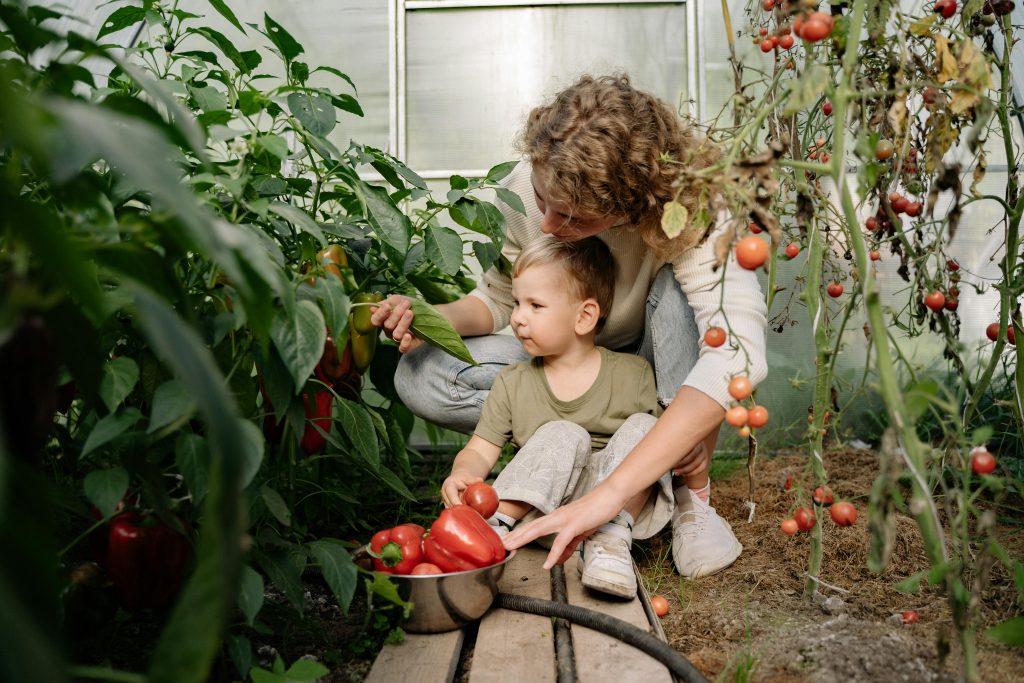
When they’ve planted, watered, and picked it themselves, even the pickiest eaters may be willing to try a fresh snap pea or red pepper.

For people with yards, raised garden beds or a dedicated vegetable patch can yield an impressive harvest. Just be sure to plan your space wisely. Some plants, like zucchini, can take over if given the chance. Trust me, it’s all fun and games until your zucchini ends up wrapped around your neighbour’s pool pump. If you’re short on space, containers along a fence line or placed on a patio are a great option. Tomatoes, peppers, and even strawberries can thrive in pots.

“Good soil is the foundation of a great garden,” says Catherine Bulow, Store Manager at Bulow Garden Centre, Oakville. “If you’re planting in the ground, enrich your soil with compost or aged manure before digging in,” she says. “In containers, use a high-quality organic potting
mix. Don’t forget to space plants according to their needs.”

Bulow stresses the importance of giving seedlings enough room to thrive. While they’re not happy when crowded, giving seedlings too much space can waste valuable growing room. “As a general rule of thumb, try to plant leafy greens closer together, while sprawling plants like cucumbers need space to spread,” she says. To keep your garden as low-maintenance and sustainable as possible, consider using self-watering containers.

Savvy gardeners have learned through trial and error that, just as humans thrive when surrounded by others we get along with, companion plants support each other. For example, tomatoes and basil thrive together, and marigolds help keep pests away.

One final tip

Don’t forget to water your garden, especially during the hot months. Add mulch to retain moisture — it does double duty by keeping pesky weeds down. Your local garden centre sells a variety of mulches, including cedar and pine, that can play a big role in protecting your garden from drought.

Watching plants grow from a seedling to a full-grown edible plant is very satisfying. If you give kids a basket or bowl for ripe veggies and berries, they’ll definitely sample sun-warmed cherry tomatoes fresh off the vine. My daughter claims she must taste the raspberries she picks for “quality control” purposes.

One of the best parts of growing your own food is watching kids connect with what’s on their plate. When they’ve planted, watered, and picked it themselves, even the pickiest eaters may be willing to try a fresh snap pea or red pepper. Gardening teaches children about the ecosystem, the privilege of fresh and nutritious food, and how patience can lead to yummy rewards.

LOCAL LINKS

Agram Garden Centre
2018 Dundas Street East,
Oakville

Bulow Garden Centre
370 South Service Road West,
Oakville

Connon Nurseries
656 Robson Road,
Waterdown
connon.ca

Terra Greenhouses
2273 Halton Regional Road 5,
Burlington
terragreenhouses.com

Sheridan Nurseries
606 Southdown Road,
Mississauga
sheridannurseries.com

By Lisa Thornbury

A well-selected carpet or rug can completely transform a space – adding warmth, texture, and personality without the need for a full home renovation. Whether you’re looking for a timeless colour or a bold statement piece, understanding what’s trending can help you make the right choice.

Rug Revolution:

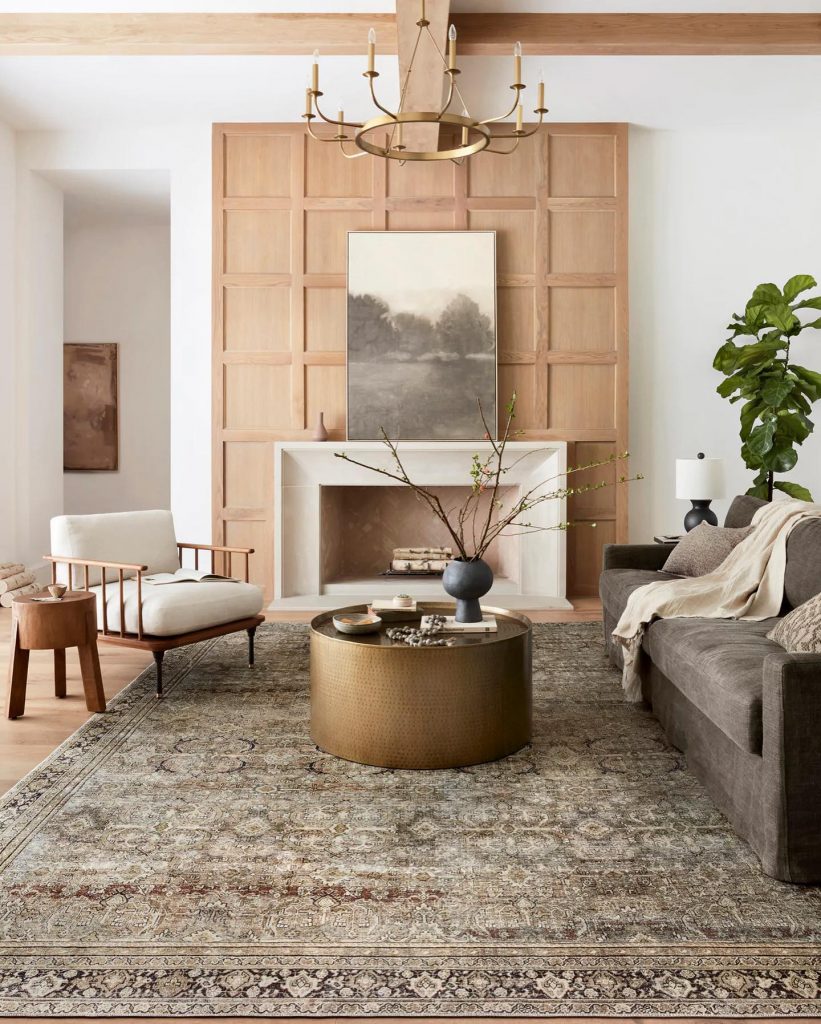
Colour, Patterns, and Texture After years of seeing an abundance of grey in- home décor, trends are shifting toward warmer hues like taupe, which bridges grey with brown, beige, and tan. These earthy tones create a cozier feel while maintaining a versatile foundation for any space.

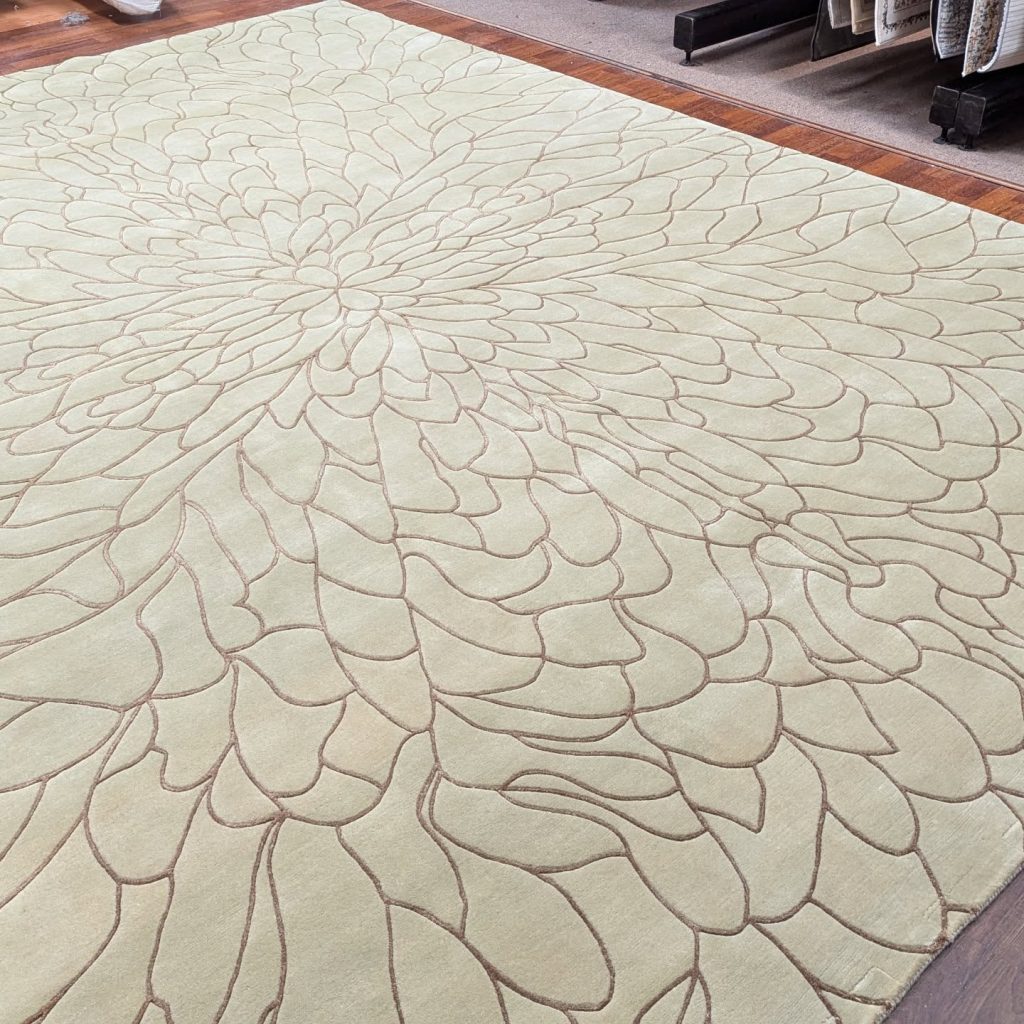
“Trending in rugs and carpets this year are warm neutrals and warm whites,” says Jim Anderson of Andersons Interiors. “We are also seeing a movement back to patterned jewel tones like emerald green.” Beyond these warming tones, Samantha Hobbs of Joshua Creek Furniture notes a growing preference for organic, fluid designs. “Customers are drawn to rugs with water-like ripples, designs with soft and curvy waves, cloud- like abstracts, and irregular patterns that evoke a connection to natural beauty.”

Joshua Creek Furniture

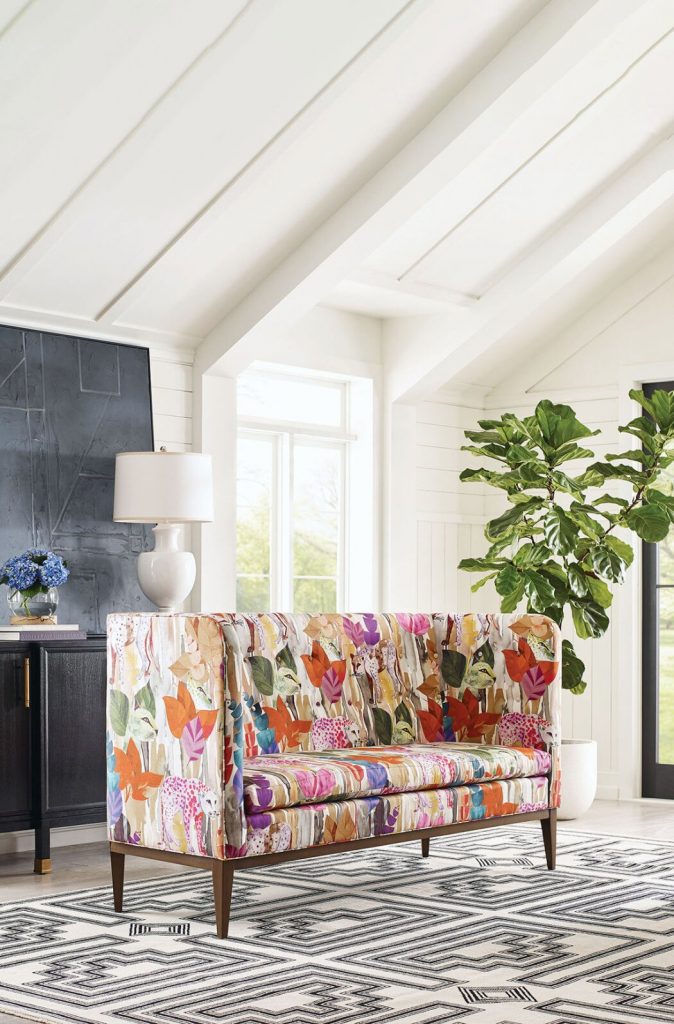
Vintage-inspired rugs are also making a strong comeback, blending traditional craftsmanship with modern aesthetics. “There’s a noticeable shift toward vibrant hues and intricate designs,” says Cara Almeida of House Warmings. “Jewel tones like rich blues, burgundy, and deep greens are in demand, while natural fibre rugs such as jute, sisal, and wool remain popular for their texture and eco-friendly appeal.”

Texture itself is playing a bigger role in rug selection. From plush carpeting to woven patterns, a textured rug adds depth and dimension to a space. “We can feel texture not only by touch but with our eyes as well,” explains Fraz Khan of Woven Concept Rug Gallery. “It adds softness to hard surface flooring, making the space more inviting.”

Woven Concept Rug Gallery

“Practicality is also a key consideration, with washable and stain-resistant rugs becoming increasingly popular – especially in homes with children or pets. These options provide convenience without compromising style,” adds Almeida.

Size Matters: Visually Maximize Your Space

Choosing the right rug size is essential – not just for aesthetics, but for creating a balanced and well-proportioned space. “The size of the rug determines the visual size of the room, so be careful not to go too small,” says Anderson. “A rug should ground your furniture to create the space. The only place a rug should have wood showing all around it is in a dining room or foyer.”

In living and family rooms, area rugs should be large enough to cover the main seating area. “At a minimum, the front legs of sofas and accent chairs should rest on the rug, but a rug that extends fully beneath the furniture is even better,” explains Hobbs.

House Warmings

In bedrooms, she recommends a rug that spans the width of the bed and nightstands, extending 18 inches to three feet beyond the sides and foot of the bed.

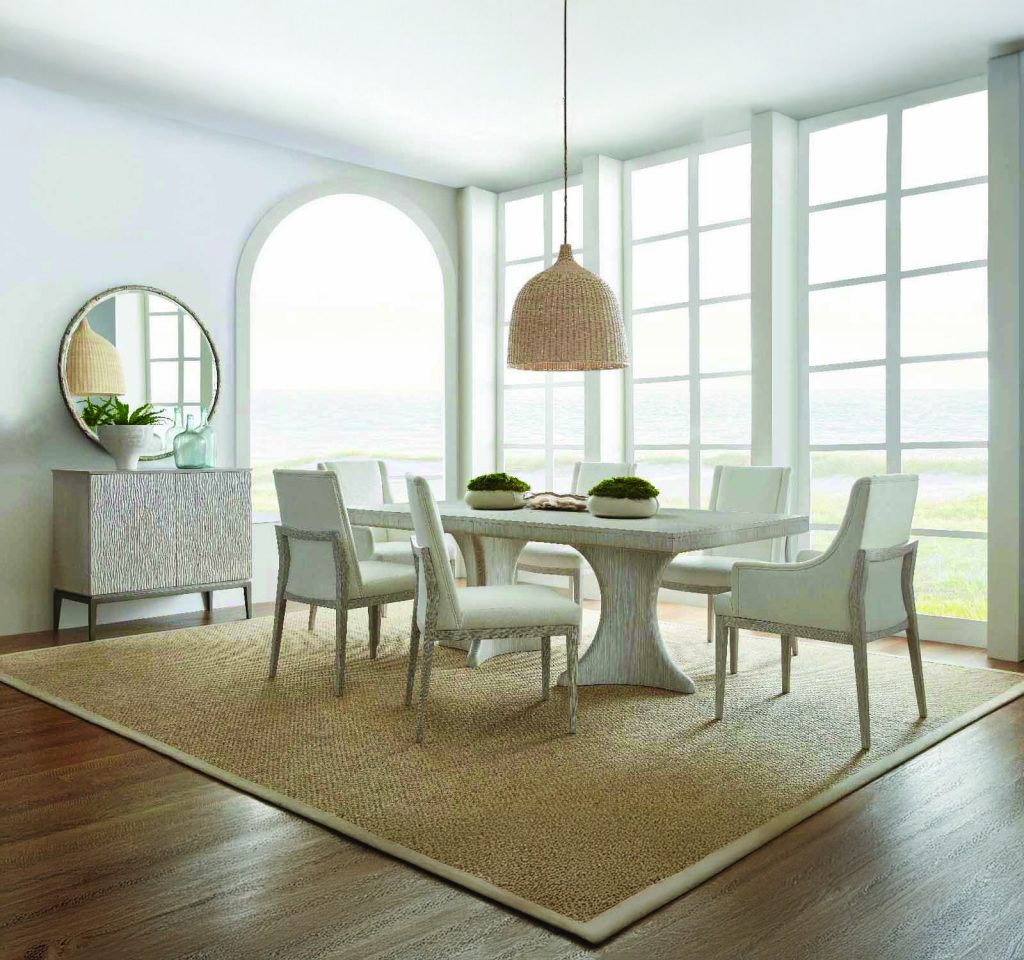
For dining rooms, she advises, “Your rug should extend at least two feet beyond the dining table, so chairs remain on the rug, even when pulled out.” Maintaining a minimum of 18 inches of exposed flooring around the perimeter ensures the rug enhances the space without overwhelming it.

Signature Style: Infuse Personality

A curated rug for your space is more than just a decorative piece – it’s a reflection of your personality and style. “A rug is a great way to inject your personality into a room,” says Anderson. “Remember, it’s your sanctuary after a long day, so choose a rug that reflects you and the feeling you want to have while in that space.”

Andersons Interiors

“If you have a love for a particular culture, history, or art style, a rug with any of those influences can really showcase your personality,” says Almeida
of House Warmings. “Whether it’s a handwoven rug from Morocco, a vintage rug from Turkey, or a bold statement piece with modern art influences, you can inject your passions and interests into your home décor.”

LOCAL LINKS:

Andersons Interiors
686 Guelph Line, Burlington
andersonsinteriors.ca

Joshua Creek Furniture
1029 Speers Road, Oakville
joshuacreekfurniture.com

House Warmings
550 Speers Road,
Unit #3, Oakville
housewarmings.ca

Woven Concept Rug Gallery
1200 Brant Street, Burlington
wovenconcept.com

By Nicole Hilton

Let your child’s personality shine by embracing décor trends and prioritizing multifunctional design. By incorporating elements that reflect your child’s individuality, you can create a space they’ll love to spend time in – one that sparks imagination and grows with them. From botanical prints and accent walls to functional furniture and personalized touches, here’s how to craft an unforgettable, safe, and inspiring room your child can truly call their own.

Keep it simple

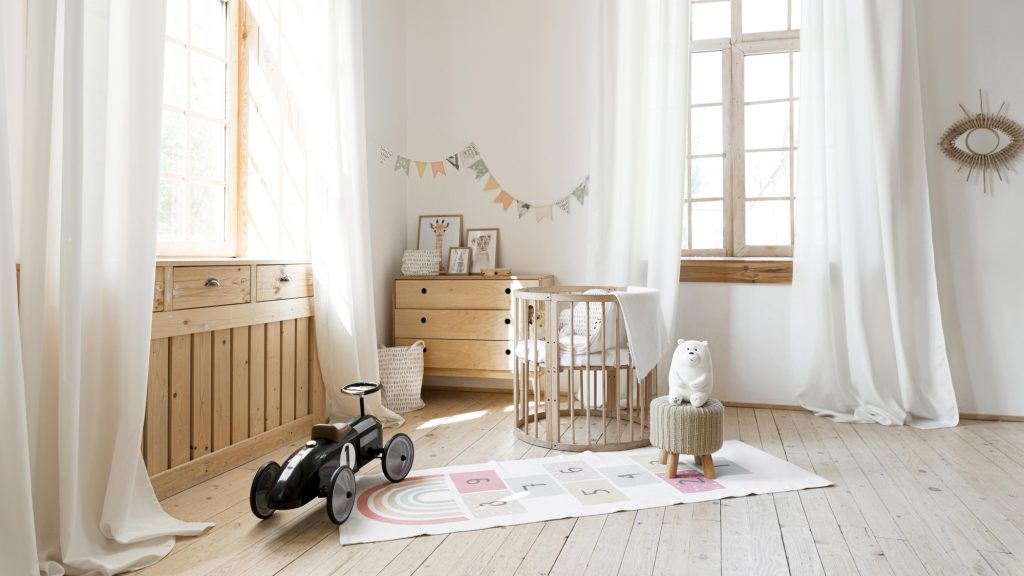
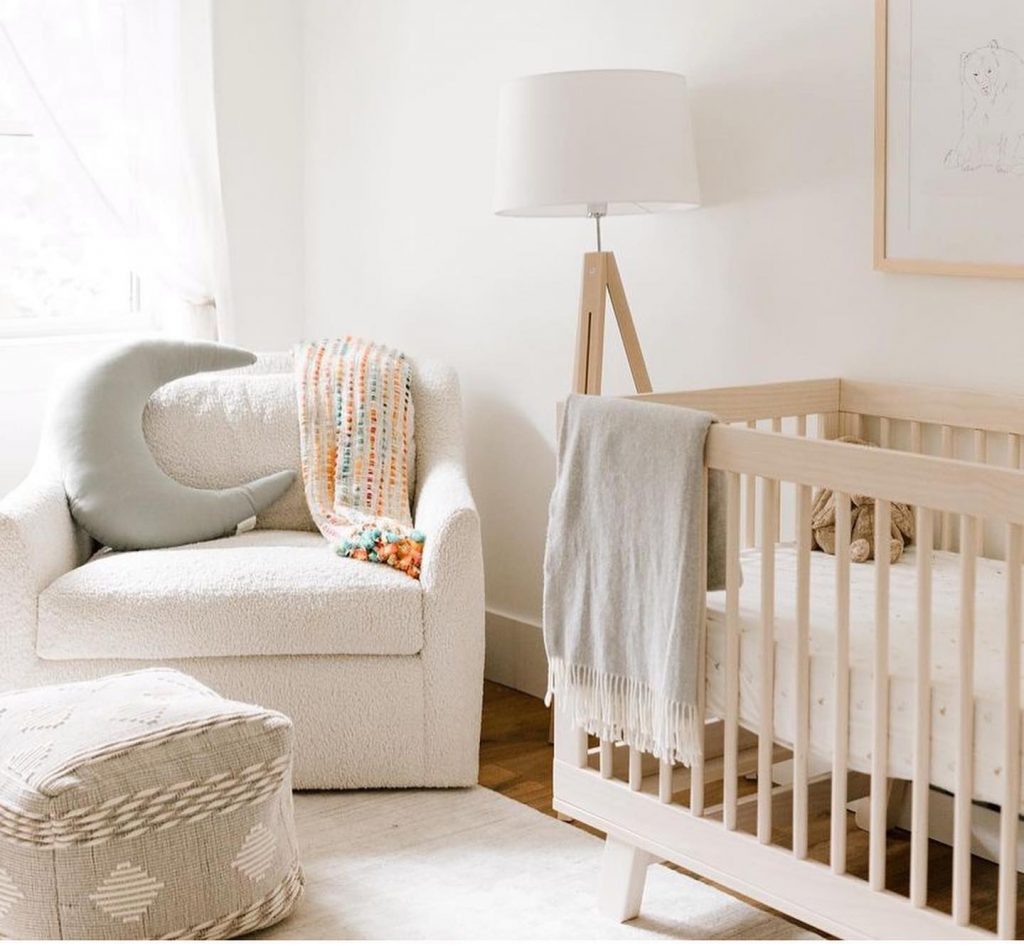
Creating a lasting space your little one will love for years can feel challenging, especially when kids change their minds as often as they change their favourite breakfast! Andrea Sarlo, Owner and Founder of Rooms to Grow, suggests starting with a soft, neutral palette. “The neutral nursery trend is here to stay,” she explains. “Neutral spaces are soothing, sophisticated, and timeless.”

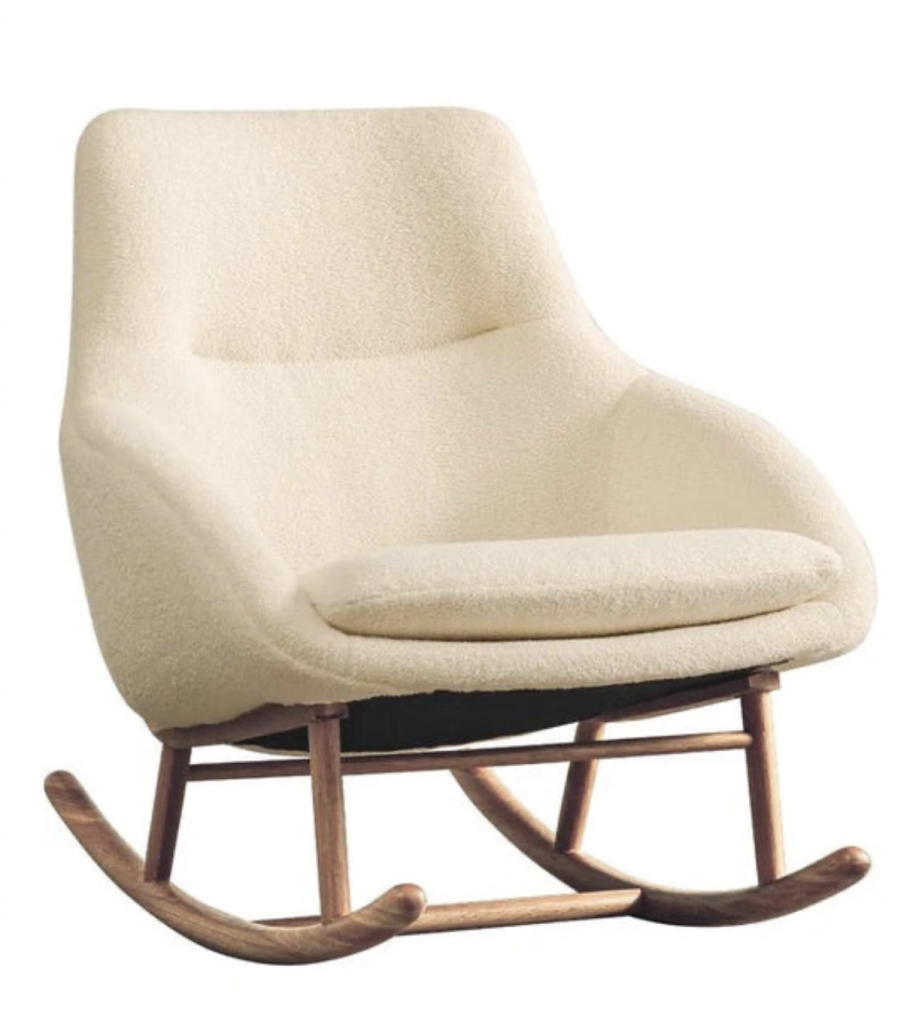
Neutral palettes are the perfect place to start. To complete an organic look, “you can always add lush details such as gold accents and warm browns or taupe and dove-coloured furniture pieces,” says Cindy Abu Zeid, General Manager of Nestled. “[Designs] are moving away from grey tones and the farmhouse look.” Beyond colour, include essentials like convertible cribs that adapt from infancy to toddlerhood, cozy chairs that glide, swivel and recline, and portable changers.

NESTLED BY SNUGGLE BUGZ

Arley Coffin, Design Director at FOR Living | Design, emphasizes investing in versatile furniture. “Your biggest pieces, like a quality dresser, rocking chair, or chandelier, should grow with your child,” she advises. “Let the space evolve with smaller updates like artwork, textiles, and the crib or bed.” Her key takeaway: “Invest once in high-quality pieces that will stand the test of time.”

Walk on the wild side

As babies and toddlers grow up, parents are embracing vibrant tones and taking risks with colour in kids’ rooms. The popular décor mantra “more is more” continues into 2025 with statement-making wallpaper, art, bedding, rugs, and furniture. “Textiles and wallpaper are incredibly inspiring when it comes to personalizing a space while also serving a function,” says Coffin. “Patterns, embroidery, and embellishments like fringe or piping add personal design touches.”

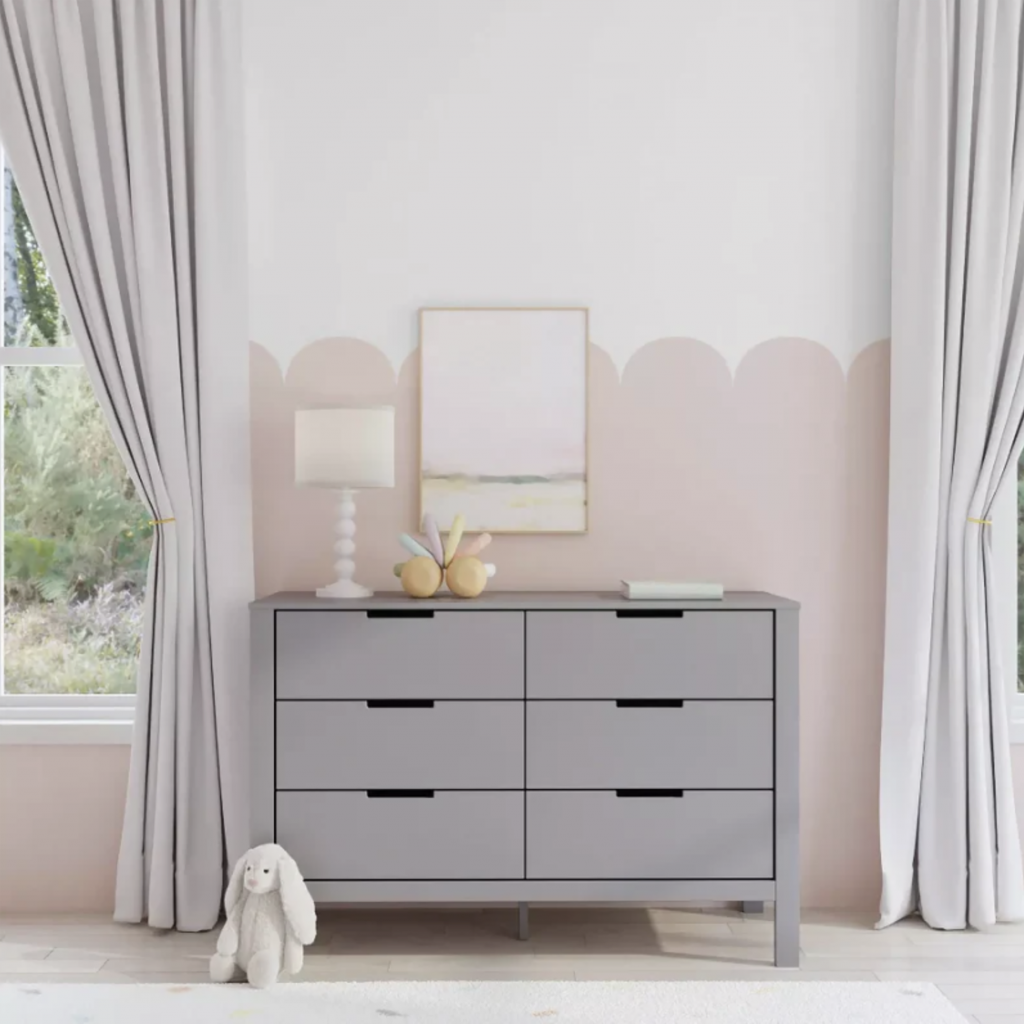
To incorporate pops of colour, start with your child’s input to ensure they feel connected to the space. Draw inspiration from a favourite toy or standout piece and consider the mood you want to create when selecting shades. “We love to include colour in kids’ rooms,” Coffin adds. “Colour- drenching or contrast trim is a cost-effective and impactful way to set the tone with paint.”

FOR LIVING DESIGN

“We’re seeing more complex patterns and more detail instead of simplistic designs,” says Abu Zeid. “Patterns such as vintage floral and floral fields are popular.”

Curious about trending hues? Sarlo predicts, “Sage green, crimson, and yellow furniture will define 2025.”

Balancing fun and functionality can transform a kids’ room into a space for play, study, and good sleeping habits. “Many kids’ rooms now serve as a combination bedroom, play, and study area,” says Sarlo. “Our bunk bed selection offers multiple configurations with desks and dressers underneath to maximize space.”

Lighting is another key element for both functionality and ambiance. “We love incorporating accessible task and accent lighting for independent play and reading areas as kids grow,” Coffin explains. “A simple plug- in or hardwired wall sconce, or a cordless table lamp, can provide easy-to-control lighting separate from an overhead fixture.”

ROOMS TO GROW

Coffin’s must-have item: artful pieces that infuse a playful or whimsical vibe into a child’s space. “Opt for soft, cozy rugs because kids spend so much time on the floor, as well as accessible storage so kids can have a designated place to play within their rooms.”

Designing a kids’ room is an exciting opportunity to create a space that reflects their personality, supports growth, and inspires imagination. From neutral palettes and bold pops of colour to multifunctional furniture and thoughtful lighting, the possibilities are endless. But as kids’ tastes evolve, so should their rooms.

By starting with timeless, high-quality pieces and adding flexible, interchangeable elements like artwork, textiles, and accessories, you can keep the space fresh and adaptable.

LOCAL LINKS

FOR Living | Design
75 Navy Street
Oakville
www.for-living.ca
www.for-design.ca


Nestled by Snuggle Bugz
3245 Fairview Street, Unit #2
Burlington
www.nestled.ca


Rooms to Grow
1200 Speers Road #35
Oakville
www.roomstogrow.ca

By Nicole Hilton

There’s nothing quite like the glow of a beautifully decorated Christmas tree to bring the holiday spirit to life. Whether you prefer the fresh scent of a real tree or the ease of an artificial one, choosing the right option for your home is just the first step. This year’s decorating styles range from natural colours and cozy textures to one of 2024’s boldest trends – bright, vibrant tones! Here’s how you can capture the magic of the season in your own living room.

Knotty and Nice

Springridge Farm has been selling freshly cut Christmas trees for over 25 years and let’s be honest, this favourite destination looks like the set of a Hallmark movie. “We go all out to romance the season,” says Tom Hughes of Springridge Farm. “We’re all about the tradition of providing quality trees and building lasting memories.”

The variety of Christmas tree you choose can set the scene for your holiday decorating. “Our most popular tree is the classic Fraser Fir, which has amazing needle retention,” explains Hughes. “Balsam Fir smells divine; Scotch pine is very nostalgic since it’s the OG (original) of Christmas trees; and new for us is Snow Tip, a variety of Fraser Fir that’s tall and thin, making it ideal for smaller, modern spaces.”  

Jennifer Klassen, Manager of Centro Garden and Centro NOCA, says people often base their choice between real or artificial on personal history, but it can also depend on their living space. “If you’ve always had a live tree, it’s a [sentimental] feeling to get one every year,” she says. “With the rise of condo living, there isn’t a lot of space for a real tree. I find those customers are switching to an artificial tree since you can purchase one in the height and width that suits your space best.”

Dashing Through The Glow

There are probably as many ways to decorate a Christmas tree as there are snowflakes. How in vogue is yours? Below are the top-trending looks this year:

1. Natural woodland elements –
Think pinecones, wooden ornaments, and burlap ribbons with a warm, earthy feel.

2. Bold colours – Adding a modern twist to the classic Christmas palette will bring everyone joy.

3. Maximalist décor – Layer different textures and materials to create a lush, extravagant look using the mindset “more is more.”

4. Monochromatic palettes – Sleek elegance never goes out of style with timeless choices in dreamy single-colour aesthetics.

5. Retro-inspired vintage vibes – Dig out the tinsel and multi-coloured lights for a fun celebration of the season.  

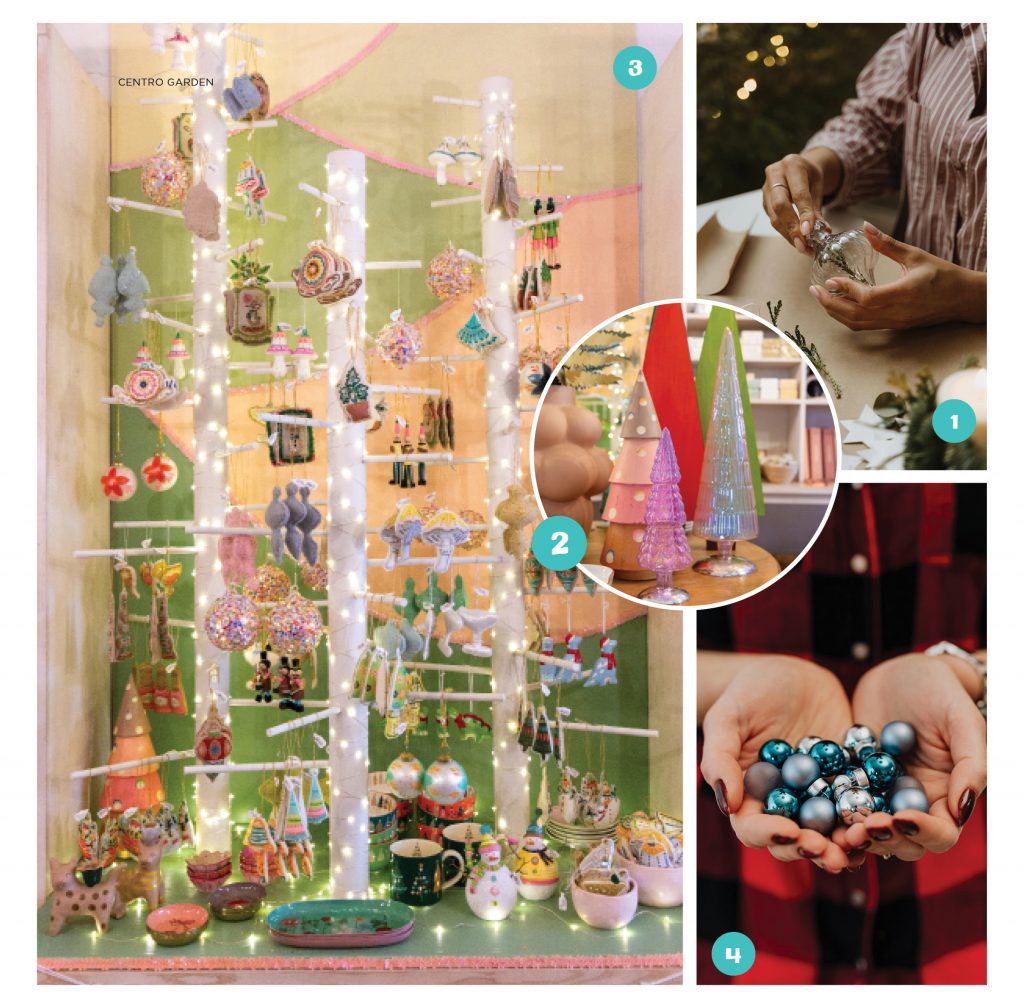
“Indoor tree decorating trends are featuring bold, creative touches,” explains Kyra Cabrera, Creative Director at VintageBash. “Mushroom patterns, nutcrackers, and whimsical ornaments are popular along with bold colours like hot pink, teal, and sunshine-inspired hues. On the sophisticated side, metallics like gold, copper, and silver paired with soft greens and blues create a serene look.”

“We have beaded ornaments in bright colours, felt ornaments, and vintage-style ornaments that are all new for this year,” says Klassen about what’s in stock at her retail stores. “We’re also seeing a push to incorporate heirloom ornaments that most of us have collected from our parents and grandparents over time.” 

Cabrera agrees that adding heirloom ornaments or handmade pieces reflects personal heritage. “Receiving requests to incorporate cultural elements into holiday décor is always a favourite of mine,” she says. “I like to include a parol, which is a star-shaped lantern from Filipino tradition, by hanging smaller versions on the tree or placing a larger one nearby with soft lights. Another idea is incorporating bright, festive colours and family-focused decorations such as nativity scenes, common in Latin American cultures.” VintageBash offers Christmas tree decorating and holiday décor services designed to fit any space and style, from homes to commercial spaces.

And if you’re looking to add a new memory to your ornament collection, Hughes shares, “We’re excited about our custom Springridge Farm red truck ornament because it’s a fun way to commemorate your Christmas tree experience at Springridge.”  


Local Links

Springridge Farm
7256 Bell School Line, Milton
springridgefarm.com

Centro Garden
437 Brant Street, Burlington
Centro NOCA
590 Brant Street, Burlington
centrogarden.com

RetroFestive: Pop Culture
& Christmas Store
1100 Invicta Drive #1, Oakville
retrofestive.ca

VintageBASH
vintagebash.ca

Christmas Décor
of Oakville
christmasdecor.ca


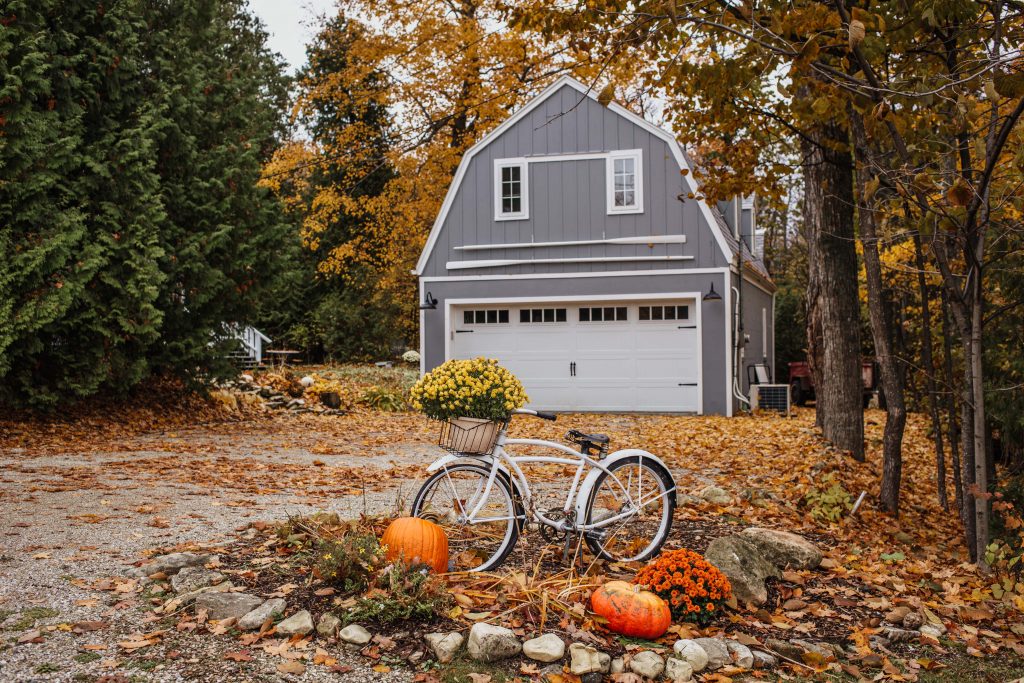
Autumn leaves are beautiful. And messy. And slippery.  Understandably, the urge to clean them up is strong. Landscape maintenance crews and their leaf blowers do a fine job of tidying up our driveways, porches and walkways, making them neat and safe to walk on. A new school of thought on “fall cleanup,” suggests not taking this too far, however. The esthetic benefits of removing every leaf — particularly from lawns and gardens — don’t nearly outweigh the environmental impact of this practice.

Who benefits from a leaf-free yard? It’s certainly not the critters that thrive under the blanket of leaves. And it’s definitely not our lawns, which would shout, “Drop that rake!” if they could. What lawn wouldn’t want to get tucked into a cozy bed of leaves for the winter?

Personally, I now realize that all this raking might have been for my neighbours’ benefit. I faced the same dilemma in the spring, pulling dandelions to avoid looking like a lazy gardener.

“A more eco-friendly fall cleanup involves working with the environment, not against it.”

DEREK LIPPERT,
FOUNDER OF QUIET NATURE NATURAL LANDSCAPES

“We’ve been conditioned to believe that a pristine yard, free of leaves and dandelions, is the goal,” says Derek Lippert, founder of Quiet Nature Natural Landscapes. “However, this neatness comes at a cost. Removing every leaf deprives nature of its free mulch and shelter for insects like butterflies and ladybugs, which play a vital role in the ecosystem.”

Lippert adds that it’s okay to want a tidy yard. Go ahead and rake or blow leaves off your driveway, porch and walkways but in the lawn or garden, “Instead of hauling away every last leaf, why not let nature lend a hand?” he says. “A more eco-friendly fall cleanup involves working with the environment, not against it.”

Five great uses for leaves

1. MOW OVER THEM

Instead of raking, mow over the leaves to chop them into smaller pieces. These shredded bits will break down, enriching the soil with organic matter. It’s like a free feast for your lawn! Plus, a lawn sprinkled with shredded leaves doesn’t look messy – it looks eco-friendly.  

2. COMPOST THEM

Lippert suggests adding fallen leaves to your compost pile. “Rich in carbon, they balance nitrogen from kitchen scraps and grass clippings. Layer them together, and in a few months, you’ll have nutrient-rich compost ready for your garden.”

3. USE THEM AS GARDEN MULCH

Instead of buying mulch, shred your leaves and spread them over garden beds. They help retain moisture, regulate soil temperature, and suppress weeds. As the leaves break down, they’ll add nutrients to the soil. Your plants will thrive, and your wallet will thank you.

4. MAKE LEAF MOULD

If you’ve got space, make leaf mould by piling up leaves and letting them sit for about a year. As they decompose, they turn into a crumbly, rich substance that’s fantastic for your garden. Leaf mould helps with water retention, so your plants won’t dry out as quickly.

5. PROTECT PLANTS & INSECTS IN WINTER


“Sensitive plants can benefit from a blanket of leaves in the winter,” says Darla from The Garden Girls. “Pile them around the base of perennials, shrubs, and trees to insulate their roots from freezing. Then when spring arrives, either leave the mulch in place or compost it. Not only will your plants benefit, but butterflies, pollinators and other beneficial insects that overwinter in the dead leaves will thank you as well.”

This fall, don’t look at those fallen leaves as a chore. Think of them as Mother Nature’s gift to your garden. Embracing sustainable cleanup practices is an easy, eco-friendly way to keep your yard thriving for seasons to come. And no, you’re not a lazy gardener —you’re a clever, eco-friendly one. I think I’ll make a sign for my yard that says, “Beleaf me, these leaves are helping my garden.”

LOCAL LINKS

The Garden Girls
thegardengirls.ca

The Gardener Landscaping
thegardenerlandscaping.ca

Quiet Nature
quietnature.ca

By Lisa Thornbury

The kitchen is the heart of the home, but it’s also a major contributor to plastic waste that harms both our environment and our health. Plastics like wraps and ziploc bags often contain harmful chemicals such as BPA and phthalates, which can leach into our food.

These single-use items often end up in landfills, where they persist for centuries, polluting our water, soil and air.

By making simple, sustainable swaps, you can transform your kitchen into a haven of eco-friendly living, protecting your family’s health and reducing your home’s carbon footprint. To get started, look no further than your local shops for eco- friendly alternatives.

Wrap It Up

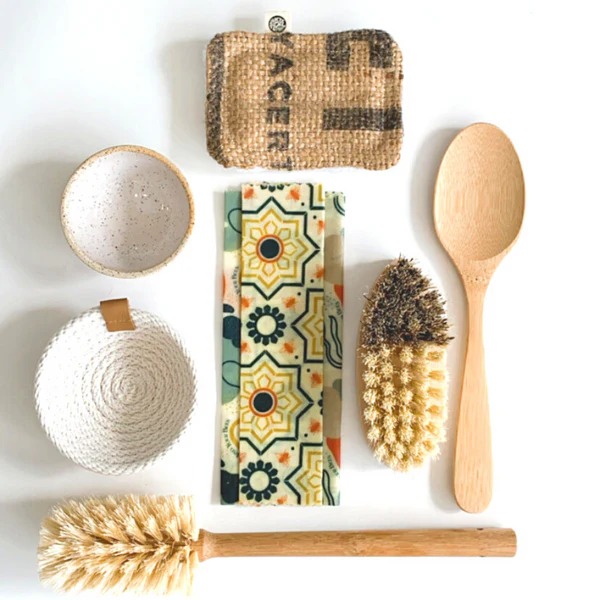
“Beeswax wraps completely replace [plastic] wrap,” says Laura Newton, founder of The Kind Matter Company in Oakville and Milton. Unlike plastic wrap, which traps moisture inside and produces a slimy texture on food, beeswax wraps mimic the skin of a fruit. “They allow air in, but also allow moisture out,” says Newton.

Beeswax wraps are reusable, compostable and durable. Christine Kempf, co-founder of Mrs. Greenway in Dundas, says that with proper maintenance, beeswax wraps can be reused around 500 times. Beeswax melts when it’s warmed, so it’s advisable to wash in cold water. “You don’t want to wash it in hot water, and never use it on a container of hot chicken,” Kempf says. “It needs to cool down first before covering up.

Litterless Lunch

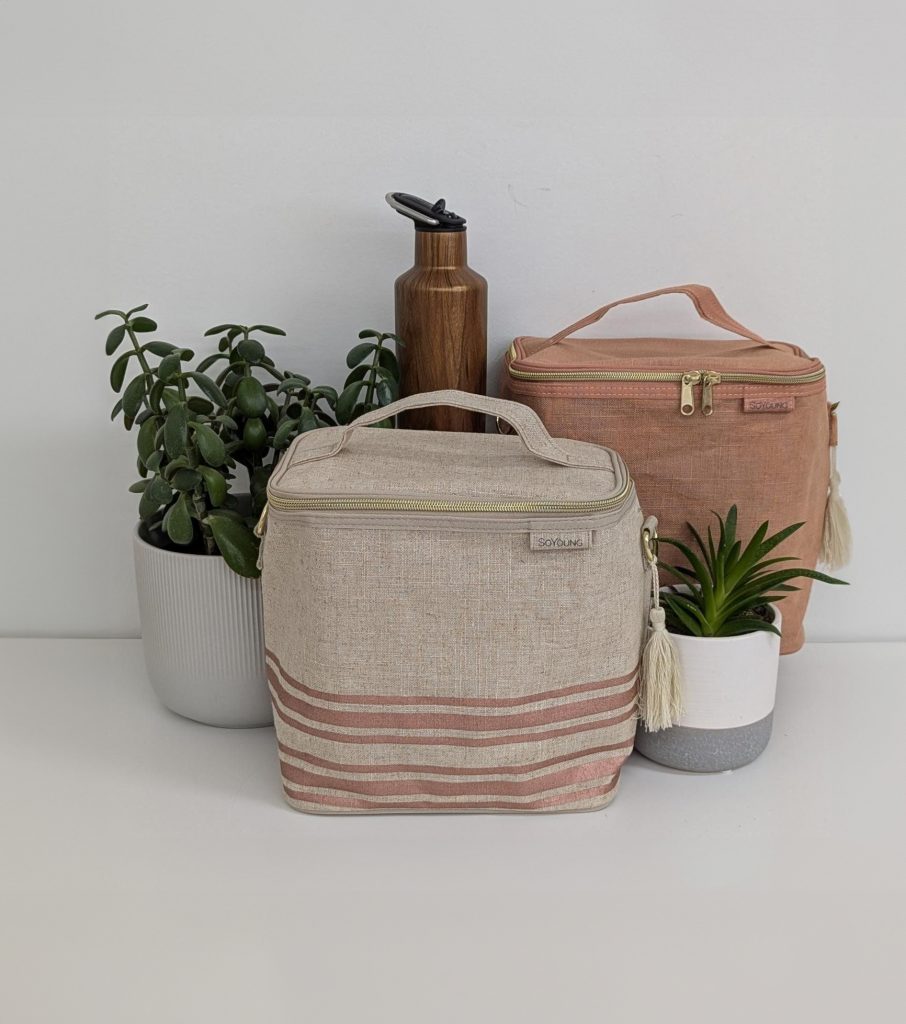
Ziploc baggies may make packing school snacks easy, but these single- use plastics contribute to environmental waste and possible health risks associated with plastic use. Colibri bags are reusable fabric pouches that make packing litterless lunches easy, as they can be washed and reused. Plus, they have dozens of adorable prints kids love. “As long as you take care of it, it will replace hundreds of boxes of ziploc bags,” says Kempf.

Food Storage

Plastic food storage containers can absorb the flavours, odours and colours of food over time, and may leach harmful chemicals into your food as they break down. Stainless steel containers are a durable, eco-friendly alternative. Although they require a higher initial investment, Newton says they ultimately cost less than having to constantly replace plastic containers. “They’re going to last you a lifetime,” she says.

Stasher bags are another great eco-friendly food storage alternative. Made with 100% food-grade silicone, they come in a variety of sizes, including bowls that open wide enough to eat directly from. These reusable, leakproof and air tight containers keep food fresh longer, can be put in the freezer and even washed in the dishwasher. Plus, they’re incredibly long lasting! “Some of my Stasher bags I’ve had for probably seven years,” says Kempf.

Refills

Refilling dish soap and cleaning solution is a simple and effective way to eliminate plastic containers from your kitchen. You don’t need to invest in fancy glass jars right away, although they do look nice. Both Mrs. Greenway and The Kind Matter Company will refill any container, even your old Palmolive bottle. “The most sustainable thing is the one you already have,” says Newton. “If you have a container that is working properly that happens to be plastic, use it until the last moment, then you can upgrade to a glass or aluminum bottle,” she advises.

Refilling also offers cost savings, as you’re not paying for new bottles, pumps or labels. While the eco-friendly dish soaps offered at The Kind Matter Company and Mrs. Greenway may be more expensive than conventional grocery stores brands, these premium products are more concentrated, meaning you use less each time, and you can rest assured knowing you’re using a quality product. “You’re keeping plastic out of the waste system, but you’re also keeping other chemicals out of the water and it’s better for your own health,” says Kempf.

By making these four simple swaps, you can significantly reduce plastic in your kitchen and contribute to a healthier planet, and a healthier you!

Local Links

The Kind Matter Company
282b Kerr St, Oakville
15 Martin St #6, Milton
thekindmattercompany.com

Liquid Earth
603 Michigan Dr Unit 1, Oakville
theliquidearth.com

Mrs. Greenway
2 King Street West Unit # 3, Dundas
mrsgreenway.ca

Nature’s Emporium
2180 Itabashi Way, Burlington
210 North Service Rd W, Oakville
naturesemporium.com

By Lisa Evans

In today’s eco-conscious culture, the thought of turning a fallen or removed tree from your yard into furniture might cross your mind. Not only does it reduce waste, but it also offers the chance to take on a rewarding DIY project. The result is a unique, sentimental piece that preserves the memories tied to your property for years to come.

While the romantic idea of taking something that has naturally come to an end and giving it new life holds true, the reality of a project like this is rooted in the condition of the tree.

“What looks fine on the outside might not be fine on the inside due to rot, fall fractures, or pests,” says Chris Marshall, Customer Service Manager at Exotic Woods.

“If a tree is removed before it’s completely dead, there is usually something salvageable,” adds Rick Veenstra, Inside Sales at Exotic Woods.

Here’s what woodworking enthusiasts should keep in mind to balance the emotional value and practicality of repurposing a tree into home décor.

Endless possibilities

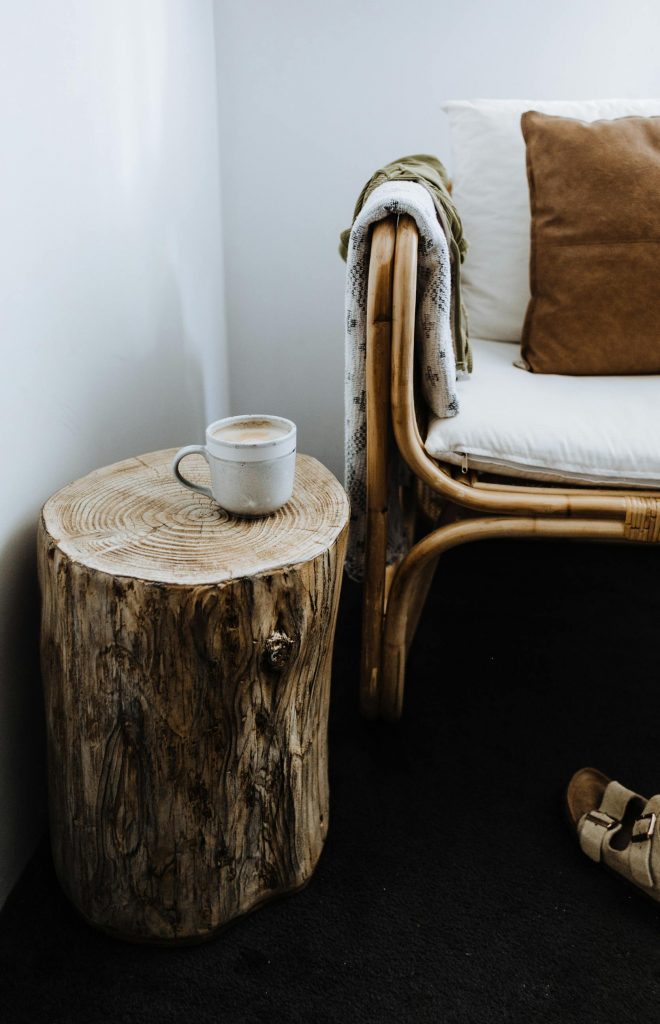
Tap into your creativity with these out-of-the-box ideas for reusing different parts of a tree: create natural wood wall art using the bark and branches, design a tree trunk vanity with the stump as the base, craft a wood slab headboard, or use branches to make original lighting that adds an earthy vibe to your home. Many traditional options will give your tree a functional purpose.

“A tree can be made into cabinet doorknobs, charcuterie boards, jewellery boxes, or larger items like chairs, dressers, and dining tables,” explains Steve Culumovic, Owner-Operator of Blue Skies Custom Woodwork. “What you can make is only limited by the size and quality of the tree.”

Trust the process

When someone contacts a professional to discuss a piece of wood they’d like transformed, aside from determining the condition, there are several other factors to consider. “The main thing to look for is how dry it appears,” says Umar Ahmed, Owner of Tabulo Furniture. “We always discuss the concept and determine how the piece will look and feel in the customer’s space. Everything else like stains, finishes, and details flows from there.”

“At Exotic Woods, we ask questions regarding plans, budget, and timeline,” explains Marshall. “Our concerns are finding any embedded foreign material like stones or metal that could potentially harm our staff or equipment, and we give an honest answer about what will and won’t work for our clients’ projects. We understand that many of these trees hold deep meaning for people for various reasons.”

When deciding if this is the route for you, “Remember there are always cost and time factors involved,” adds Veenstra. “When done properly, air drying is the most economical, but for every inch of thickness you’re looking at one to one and a half years of drying.”

“A tree can be made into cabinet doorknobs, charcuterie boards, jewellery boxes, or larger items like chairs, dressers, and dining tables.”

STEVE CULUMOVIC,
Blue Skies Custom Woodwork

What’s trending now

The aesthetic of rustic wood in home décor has remained popular throughout 2024, emphasizing the trend of bringing outdoor elements indoors and investing in sustainable craftsmanship.

“We’re increasingly seeing clients tired of live edge tables and wanting pieces that have more character, workmanship, and are like works of art,” says Ahmed. In addition to the well-known trends of using live edge and white oak for custom furniture, Culumovic explains, “I can say I’ve had a lot of furniture repair or repurposing inquiries, which I’m also happy to do!”

Local Links

Blue Skies Custom Woodwork
Burlington
blueskiescustomwoodwork.com

Exotic Woods
Burlington
exotic-woods.com

Tabulo Furniture
Oakville
tabulofurniture.com

Finished Grain Woodworks
Dundas
finishedgrainwoodworks.com

By Nicole Hilton

There’s a saying in retail: When you buy from a small business, an actual person does a little happy dance. When customers make a conscious choice to support the local economy instead of spending internationally, the whole community benefits.

With increasing competition from big box retailers offering mass-produced products, it’s more important than ever to source Canadian-made furniture and home décor options. In recent years, retailers have cited a skills gap, competitive pressure from the United States-Mexico-Canada Agreement, and the cost of doing business as main challenges surrounding Canadian made goods.

Retailers have a lot of overhead costs, and the common markup for handmade is not as sustainable as it once was. All the more reason to celebrate and support local businesses that remain committed to offering homegrown products.

One-of-a-kind

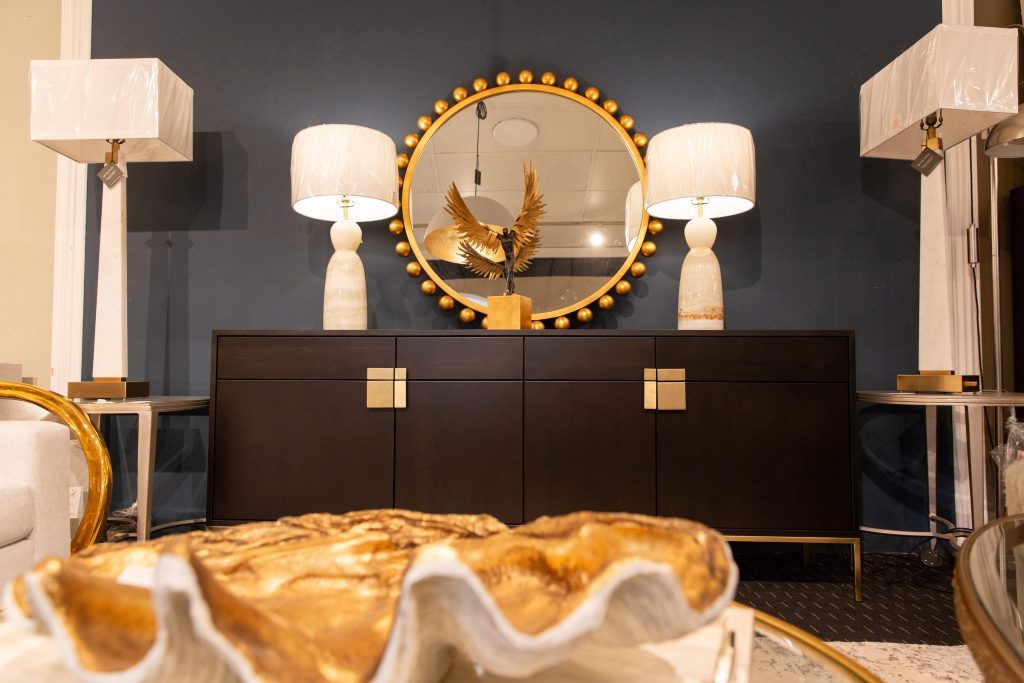
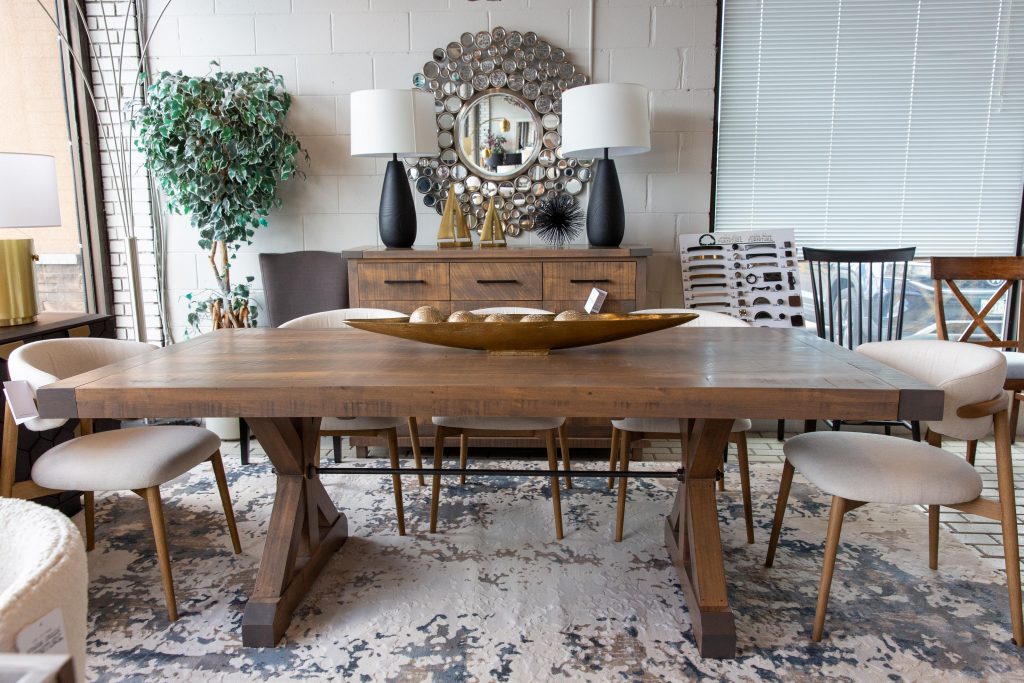
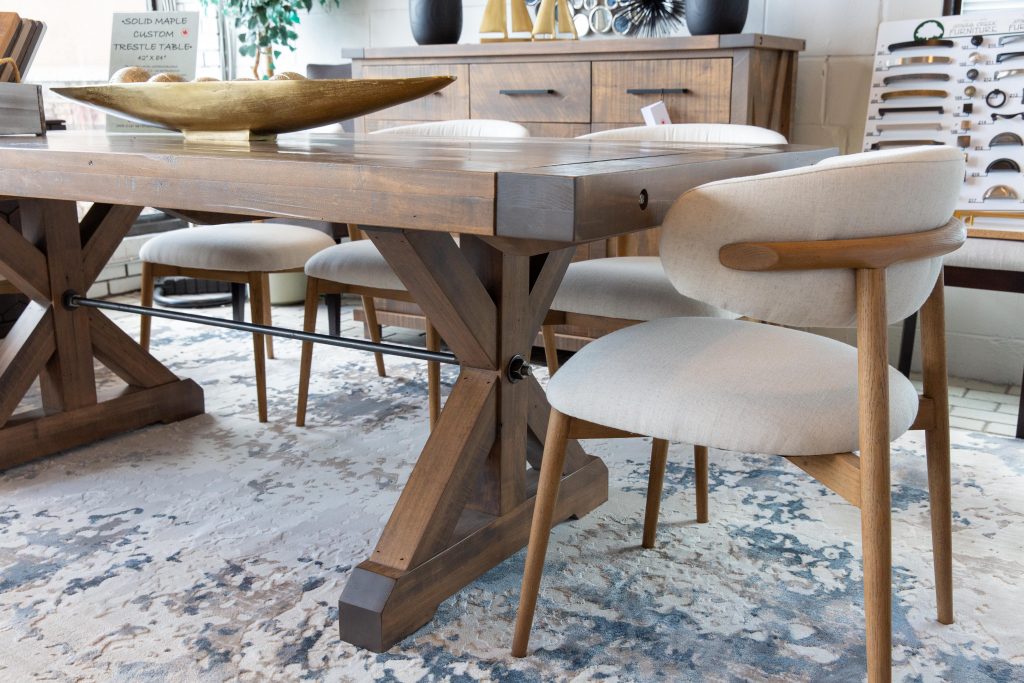
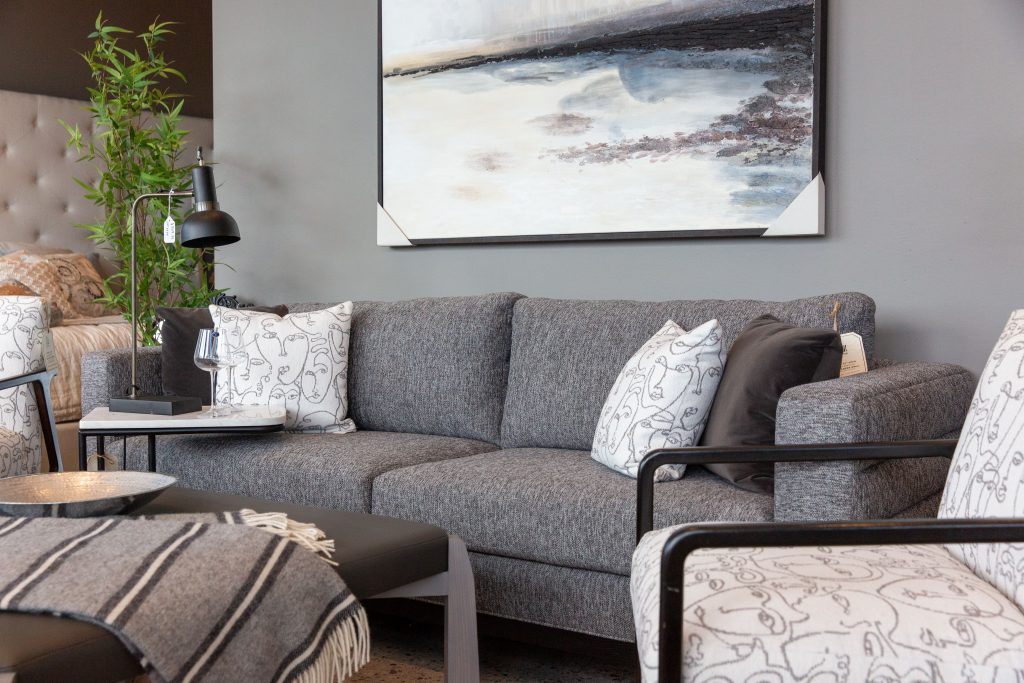
Joshua Creek Furniture in Oakville has a 10,000 sq ft showroom with Canadian-made furniture for every room in the home, from sofas and sectionals to solid wood bedrooms, dining rooms, custom home offices and much more.

“Shopping Canadian supports local industry and minimizes your ecological impact,” says Joshua Creek’s Samantha Hobbs. “The bonus? Your Canadian made furniture is built to order, with custom choices that perfectly reflect the home you want to live in.”

The company works with local craftsmen known for superior construction and quality materials. Joshua Creek’s wood products feature details such as solid wood drawer boxes, English dovetailed mitre joints and full extension ball bearing glides. All of their leather furniture is made locally, with 100% top grain leather around the whole piece.

The company works with local craftsmen known for superior construction and quality materials. Joshua Creek’s wood products feature details such as solid wood drawer boxes, English dovetailed mitre joints and full extension ball bearing glides. All of their leather furniture is made locally, with 100% top grain leather around the whole piece.

The local advantage ensures superior customer service. “By using local builders, we are able to service any issues that may arise,” says Joe Levine. “Our builders take care of us, ensuring that we can take care of you.”

Cat McCrimmon, owner of Rustic Daisy’s in Waterdown, finds that customers enjoy discovering unique items they can’t find anywhere else. Her store sells exclusively Canadian-made gifts, home décor, and original art.

“The best example in our shop is pottery mugs made by Studio C Ceramics,” McCrimmon says. “Not only does this maker hand throw each mug on a wheel, but she also individually paints them. Every mug is a little different, allowing the customer to select the one that stands out to them the most.”

Quality first

Anderson Interiors in Burlington specializes in interior decorating, custom furniture and reupholstery, and has a showroom where designers showcase their work. Owner Jim Anderson stresses the Canadian-made financial benefit: “With no hidden costs like duty, shipping, or the dollar exchange from other countries added to the price,” he says, “every dollar spent is going into the quality of each piece.”

Canadian suppliers offer quicker lead times, customizable orders, lower shipping costs, less shipping damages, and more stock readily available. “We don’t have to make a pre-made piece work for your space,” Anderson says. “We can customize any piece to your specific room.”

Elizabeth Law, owner of Burlington-based Elizabeth Interiors, Liz at Home, and Liz at the Lake, can vouch for her merchandise because she visits suppliers and sees their work in progress. “We are very fortunate to have strong relationships with leading furniture manufacturers in Canada,” she says. “The advantage is visiting the [workshop] and seeing the quality [firsthand].”

Something to talk about

The key to sourcing Canadian-made products is communication. One way to get educated is simply by asking. Sales associates and store owners can point consumers in the right direction.

“Some items are designed in Canada but made offshore, so chatting with someone knowledgeable about the product will help,” says McCrimmon.

“Asking questions and comparing quality, price, and service to international brands will educate shoppers,” says Anderson.

“People like purchasing Canadian furniture because they like supporting the local economy,” adds Law. “Our clients feel proud to showcase Canadian artisans in their homes.”

According to Hobbs, customers of Joshua Creek Furniture are proud to say that their homes are full of locally made products. “We appreciate their commitment to our small local business,” she says. “When you buy our Canadian made products, you are purchasing quality pieces that your family will love for years to come.”

Local Links:

Anderson’s Interiors
686 Guelph Line, Burlington
andersonsinteriors.ca

Elizabeth Interiors
3225 Fairview Street, Burlington
elizabethinteriors.com

Joshua Creek Furniture
1029 Speers Road, Oakville
joshuacreekfurniture.com

Liz at Home
3443 Fairview Street, Burlington
elizabethinteriors.com

Penwood Furniture
270 North Service Road West, Oakville
penwoodfurniture.com

Rustic Daisy’s
25 Main Street South, Waterdown
rusticdaisys.ca

The Handmade House
374 Brant Street, Burlington
71 King Street West, Dundas
thehandmadehouseburlington.ca

By Nicole Hilton

Bringing new life to an older piece of furniture gives DIY (do it yourself) thrill-seekers a fulfilling and creative hobby. Whether you’re an avid antique hunter, love to bargain hunt online, or have inherited a family heirloom, restoration is a cost-effective way to personalize and modernize the pieces you’ve collected over the years.

Sometimes it’s hard to see the potential of a piece of furniture under layers of dust, paint, or veneer, but that can be half the fun. No task offers quite as much satisfaction as returning a weathered wooden gem to its former splendour.

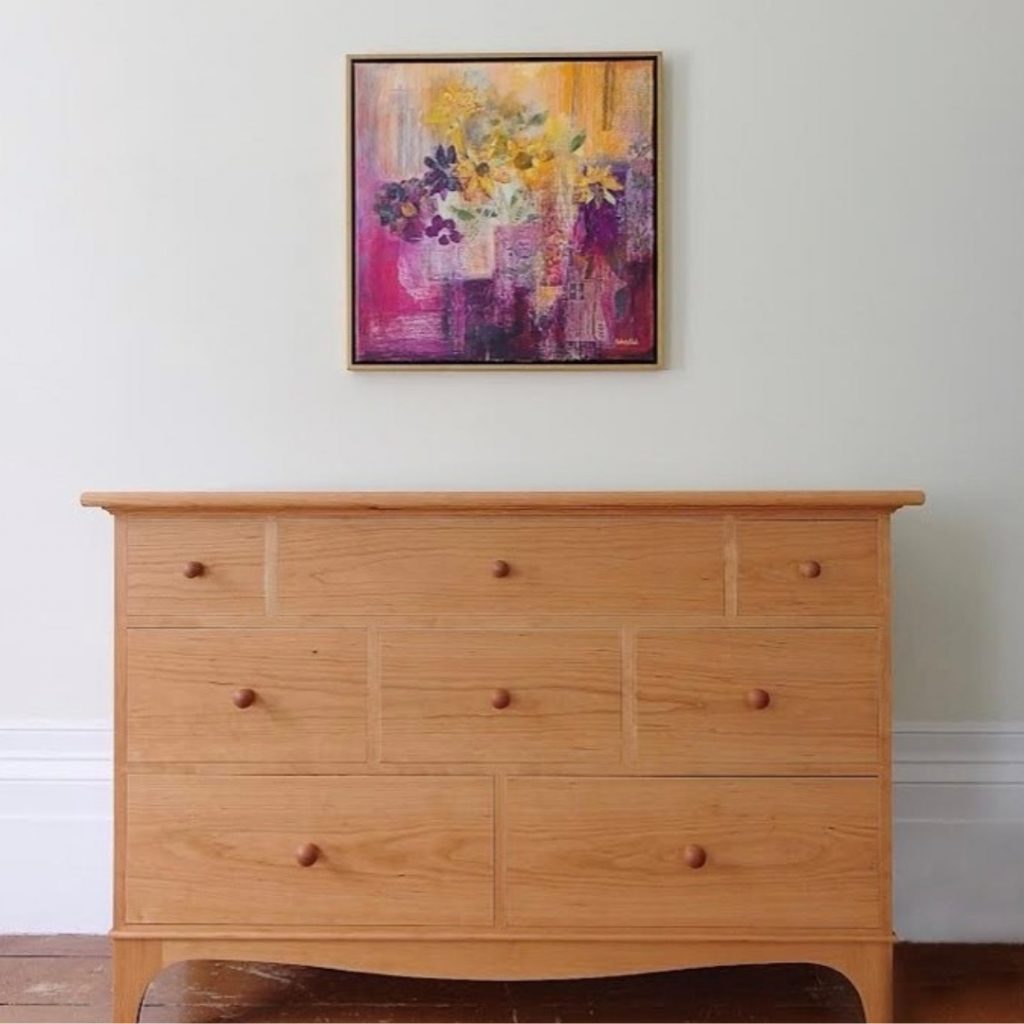
“Most solid wood furniture is worth refinishing,” says Umar Ahmed, Owner of Howard’s Second Generation. “Look for things like dovetail drawers, finger joints, solid wood frames, maker’s marks, or unique designs and shapes to know if a piece is worthwhile.”

Griffin Vintage Furniture & Gifts

“Dressers, end tables, and sideboards are always popular pieces to refinish,” explains Rose Khara, Owner of Griffin Vintage Furniture & Gifts. “We find sixty percent of our customers are working on a DIY project and 40 percent are looking for help with professional
furniture painting.”

Take time to prep

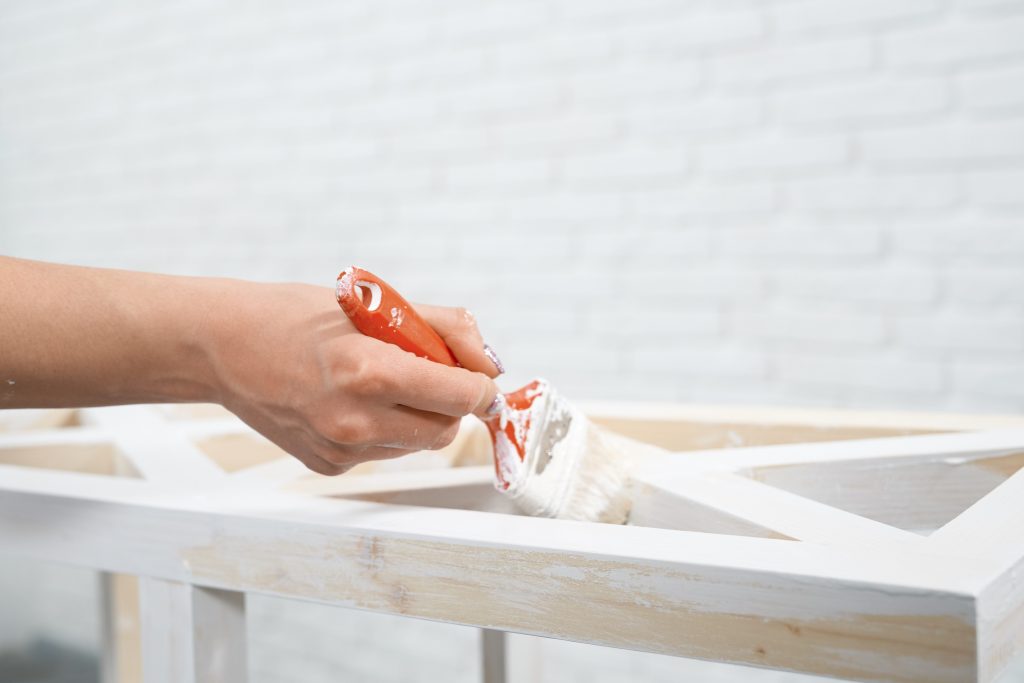
Preparation is key to restoring wood furniture yourself. The better you plan your setup, the smoother your project will go. The first step is to ensure you have the right personal protective equipment for the job so you’re working in a safe environment. Next, start your prep by removing the existing hardware, cleaning the piece, and using 220 grit sandpaper to prepare the wood.

“Properly tape off areas that you don’t want to touch and sand thoroughly and evenly,” says Ahmed. “Keep your work area tidy because that can be the difference between a good looking piece of furniture and a stunning piece of furniture!” When you’ve finished sanding, wipe your piece with a cloth before priming and painting or staining.

Enjoy the transformation

Kaza Refinishing

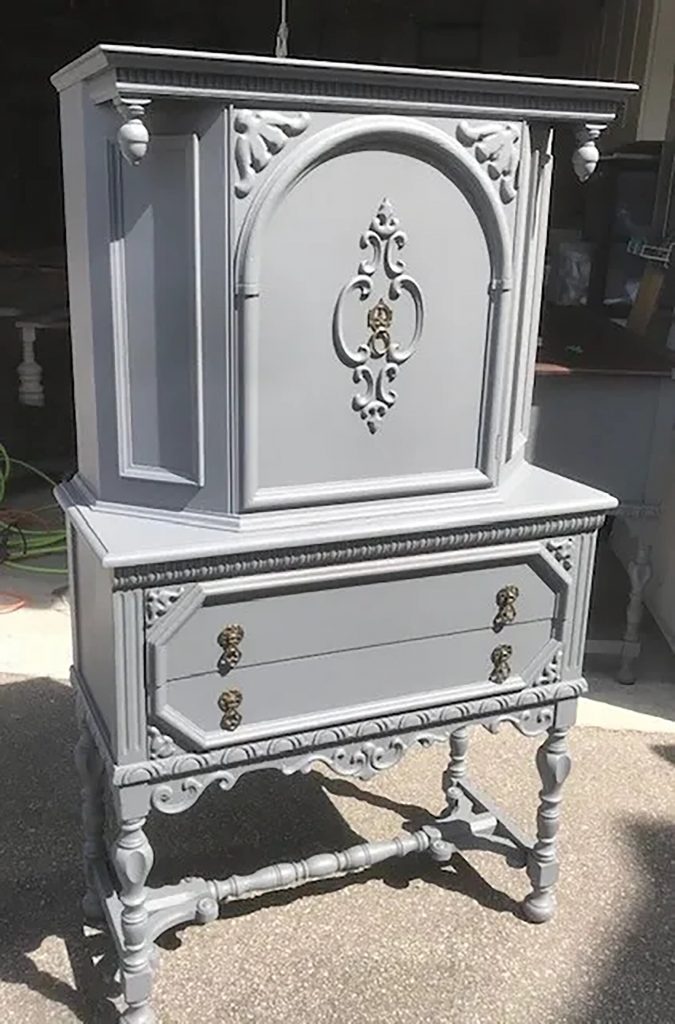
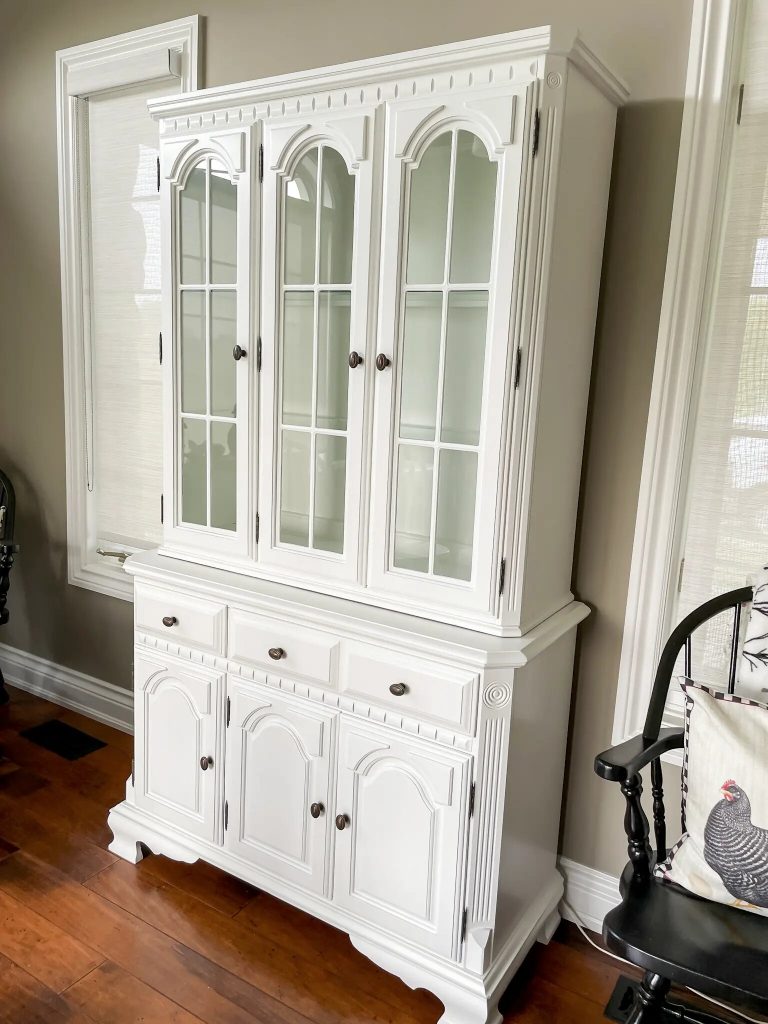
As for selecting a paint colour, Ahmed and Khara agree the grey tones that dominated home décor over the past few years are no longer trending. “This year, the most popular dark colours selling in the Fusion Mineral Paint line are Coal Black and Cast Iron,” says Khara. “In the lighter range, Victorian Lace and the warmer tone of Raw Silk are popular. We’ve moved to painting in a satin or pearl finish and away from a high gloss finish.”

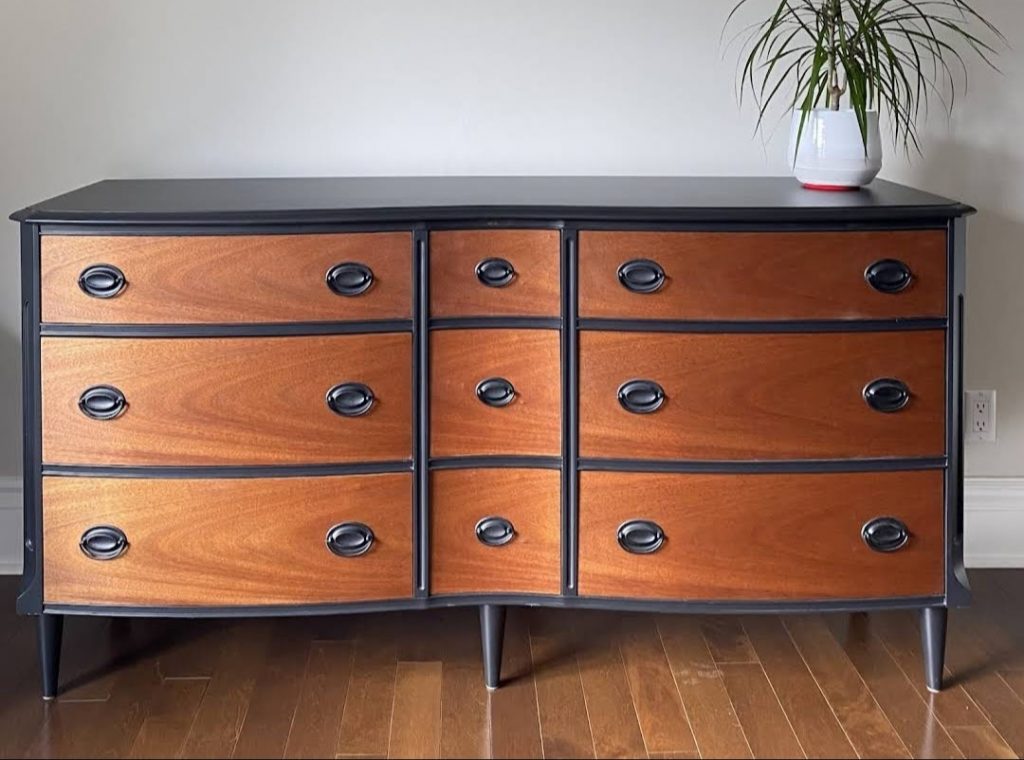
If you’re opting for a natural stain, you’re in luck. “The feeling of the wood grain is very popular,” explains Ahmed. “For natural wood finishes, people are choosing zero VOC and natural oils.”

VOC stands for volatile organic compounds – chemicals that are released into the air during application. Zero VOC wood stains help maintain healthy indoor air quality while giving your project the desired finish.

Howard’s Second Generation

Complete your project with some revamped hardware. You can entirely change the look by spraying handles and knobs a new colour or purchasing new hardware in a different style.

Consider hiring a pro

If you’re not in your element with sandpaper, stains and paints, a professional furniture refinisher in your neighbourhood would be pleased to handle the job. They’ll know what kind of wood you’re dealing with and can offer suggestions or make your own
vision come to life.

Many benefits factor into the wood furniture restoration industry, including the joy it brings to DIY enthusiasts. “I love the interpersonal interaction with clients and working on unique pieces,” says Ahmed. “Every time we show the finished piece, the oohs and aahs, and sometimes hugs and tears, are priceless.”

“I love to discover the history of a vintage piece because every piece of furniture can tell a story,” says Khara. “Focusing on the idea of reduce, reuse, recycle and showing people you can have beautiful furniture and save money at the same time is an important message.”

By Nicole Hilton

LOCAL LINKS

Griffin Vintage Furniture & Gifts,
Ltd 7 Griffin Street, Waterdown

griffinvintage.com

Howard’s Second Generation,
2-1244 Speers Road, Oakville
Howardssecondgeneration

A Perfect Touch
perfecttouchfurniture.com

Kaza Refinishing,
247 Barton Street, Hamilton

kazarefinishing.ca