Category

Home & Garden

Category

Mankind has been obsessed with outdoor grilling ever since our ancestors first discovered fire a million years ago. Cooking over wood and charcoal imparts a smoky flavour that is the secret ingredient to so many favourite ethnic dishes. If you’re an adventurous epicurean who loves playing host, you can turn your backyard into a gourmet oasis with specialty ovens and grills that bring to life age-old traditions from around the globe.

A Gateway to Heat

The tandoor oven, a cylindrical vessel made of clay, is an integral part of India’s culinary heritage and the secret behind the smoky tang of your beloved Indian dishes. Cooking food over wood/ charcoal in the belly of a tandoor oven at scorching high temperatures results in fast cooking times.

If you love the interactive experience of fondue parties, you’ll love these ovens that are designed for vertical barbecuing. Picture marinating meats, vegetables and cheeses in yogurt and spices, skewering them on metal rods and inserting them into the vessel vertically.

As the food cooks with the lid closed, the juices spill down onto the charcoal, creating a flavourful, smoky convection-style cooking chamber. And brace yourself – slapping dough on the inner walls of the oven makes fluffy naans with a crispy exterior!

Typically standing waist-high, tandoor ovens are portable and easy to integrate into any patio. There are stainless steel or beautifully handcrafted clay versions carved and painted in intricate geometric patterns and Eastern motifs.

Italians have perfected the fine art of pizza with their iconic brick wood-fired ovens. The tradition dates back centuries, notably in Naples, the birthplace of Napolitano pizza.

The brick construction allows for intense heat as high as 500 degrees Celsius, and the dome shape allows heat to circulate effectively for consistent, even distribution. It makes mouth-watering pizza with an airy, crispy crust in a record-breaking 90 seconds, while adding a hint of smoky delight.

But the magic doesn’t stop at pizzas! Many regions in Italy, like Tuscany and Campania, roast meats in the same ovens, including whole lambs or goats for special celebrations. Even distribution of high heat locks in the juices. Upscale brands like Forno Bravo offer pizza ovens that can be customized with stucco exteriors or decorative tile and mosaics, for a traditional look with a personal touch.

The Social Art of Grilling

In Argentina, asado is not just a grilling method; it’s a social event. The tradition dates back to the early 19th century and has its roots in the gaucho (Argentine cowboy) lifestyle. Gauchos would gather around an open fire, grilling large cuts of meat while sharing stories and songs.

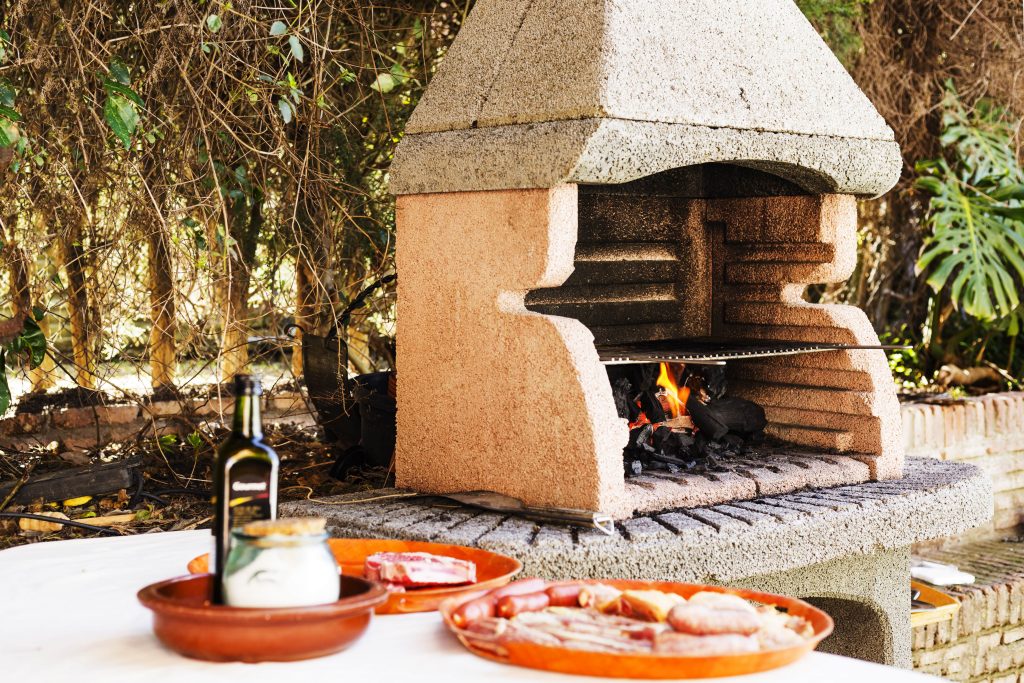
Asado barbecuing is a slow, measured process using a parrilla – a special grill, typically a two-part design featuring an iron grate and a firebox (brasero) by the side to ensure food doesn’t absorb acrid flavours that are produced when wood/charcoal is fired up.

Parrillas often come with a crank that makes the grill easy to raise and lower for quick temperature adjustments, allowing popular dishes like costillas (beef ribs), chorizo sausages and morcilla (blood sausage) to be cooked to perfection.
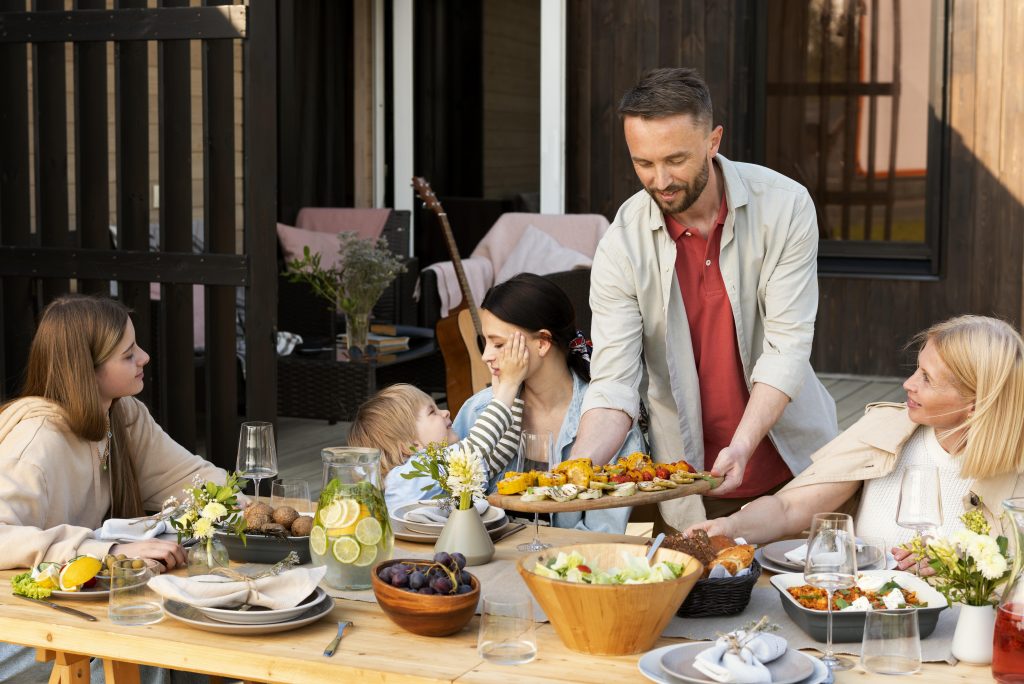
Since the meat is cooked over an open fire, these grills don’t imbue as much smoke flavour as an enclosed smoker. But guess what? With asado, the meat is never marinated – all you need is a good quality salt. If you’re not ready to go big with free-standing units, a built-in unit can be easily dropped into an outside kitchen island.

For a more interactive social experience, consider a Korean barbecue grill. These tabletop grills, whether built into the table or portable, encourage communal cooking and dining and allow you to cook marinated meats and vegetables right at the table.

Side dishes, known as banchan, like kimchi, pickled radishes, and various sauces, will elevate your grilling experience, making every meal both a feast and a festive event!


By Fiorella Grossi

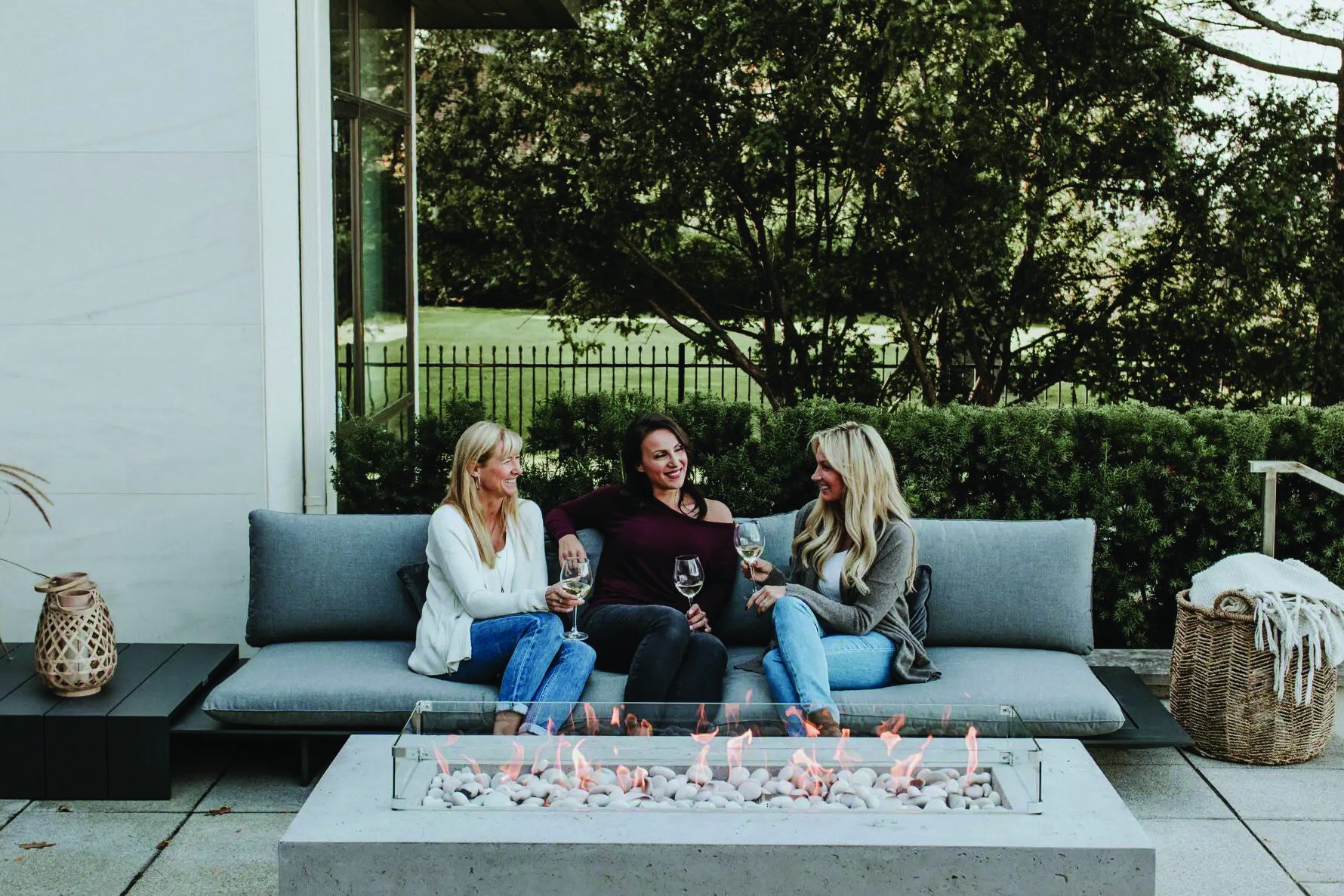
The season for outdoor leisure has finally arrived, so dust off your cushions. It’s prime patio time! Since the start of the pandemic, homeowners have invested more in their outdoor living spaces to design inviting retreats that cater to their needs.

A patio can become the ideal oasis for relaxing with a good book, socializing with friends and family, or simply connecting with nature while breathing in the fresh summer air. “People are creating tranquility in their own yard,” says Jay Real, Owner of Oakville Home Leisure. “They’re trying to recreate a vacation they’ve been on and experiences they’ve seen and felt elsewhere as an extension of their home.”

“Cabanas, kitchens, dining al fresco, technology with stereo systems and TVs are all things people are investing in,” explains Rose Luxton, Owner of Lakeside Livin’. “Outdoor spaces have evolved a lot.” Regardless of the size of your space, you can easily integrate elements of breezy resort living into a condo balcony or a complete backyard makeover with the following trends.

Colour

Design experts agree this season is all about cool blue hues. Common interpretations of this colour provide all the feelings you want to integrate into a dreamy staycation including calmness, serenity, and refreshment.

“You can incorporate a colour theme throughout your entire space,” says Luxton. “You can infuse it into striped fabrics, outdoor rugs, and pillows. Not only are we seeing a lot of blue this summer but orange, lime green, and other pops of colour too.”

Furniture

Opt for pieces that evoke the comfort and luxury experienced on a beach vacation while creating a personalized look. There’s no need for the various elements to match.

“We’re seeing a movement away from sectionals back to sofas, loveseats, club chairs, and club swivels,” explains Real. “The trend in the industry still includes resin wicker, but it’s swaying more to aluminum and other materials as additional creative design elements are available. Mixing elements by pairing rustic teak tables with wicker dining is very popular.”

Decor

Accessories make memories! Take the opportunity to select pieces representative of your lifestyle from kid-friendly corners to sophisticated spaces for empty nesters.

“Pillows with sayings are always embraced,” says Luxton. “Outdoor metal artwork is a great way to decorate brick walls and fences. People are also veering toward natural tones and woods because you can always mix and match any trend with sustainable outdoor wood foundations.”

Shade

Sun protection is as important on your deck as it is on a tropical vacation. Retractable shades and umbrellas featuring breathable fabrics and UVstable finishes will help keep you cool and safe from harmful rays.

“Shade is at the top end of everyone’s scale of what they’re looking for,” says Real. “In this climate, people are also opting for cantilevers with rolling bases so they can move the umbrella around their backyard and adjust to the changing seasons.”

Must Haves

Ambiance is the hottest trend you can add to your patio space this summer. Luxton’s pick is, “Hanging solar lanterns that have the look of real flames to create that lustre and [cozy] feeling when you are sitting outside.”

Real chooses fire features. “Everybody loves to gather around a fire as it can be used for heat or ambiance,” he says. “Dekko ultra-modern fire pits are absolutely spectacular.”

By Nicole Hilton

If the warmer spring weather has you itching to get your trowel into the garden, you aren’t alone. Beautifying our outdoor spaces is a rite of spring passage. While it may seem like there’s nothing more natural than digging around in the dirt in the springtime, creating a sustainable garden goes further by considering factors such as resource conservation (using water, soil and energy efficiently), biodiversity, natural pest control and minimizing the use of disposable products. 

Sustainable gardening focuses on creating and maintaining a garden that minimizes negative environmental impacts and promotes long-term ecological balance.  

“In nature, a landscape would sustain its existence by adapting to the available resources and the climatic conditions it is exposed to,” says Thomas Classen, Propagation Manager of Hortico Nurseries in Waterdown. For a garden to be considered sustainable, it would not rely on constant human intervention to flourish. 

HOW TO GROW A SUSTAINABLE GARDEN

Plant Native Species

Native plant species have evolved with local pollinators and have genetically adapted to local growing conditions. They’re often easy to care for. Compared to non-native species they require less watering and are more resilient, relying less on humans to protect them and help them thrive. Native plants are better able to endure the stress factors of climate. 

Since sourcing native plants can be difficult, especially for inexperienced gardeners, Oakvillegreen holds a Native Plant Sale every year. They offer a selection of native trees and shrubs and ready-to-plant pollinator kits for sunny and shady gardens.

“Since 2015, our sale has added thousands of native trees, shrubs and plants to Oakville gardens,” says Anelia Tichkova, Programs Manager, Oakvillegreen Conservation Association. This year, the sale includes a Monarch Kit featuring plants supporting the endangered Monarch Butterfly species. 

Some of the species that are native to Halton region include:  

White Oak, an adaptable tree with deep roots and a purple-red leaf.

Northern Spicebush, a bright, cheerful and fast-growing shrub for shady areas that features dense clusters of tiny, pale yellow flowers loved by swallowtail butterflies.

Black Elderberry, a shrub with large, creamy-white flowers that produce dark purple berries loved by birds. 

Grow Pollinator-Friendly Plants 

A sustainable garden attracts and provides food and habitats for various pollinators like bees, butterflies, and birds. “Planting a pollinator garden not only beautifies yards and urban parks, it also fights climate change and increases biodiversity,” says Tichkova. 

Pollinator-friendly plants often require fewer pesticides and fertilizers, promoting a more environmentally friendly gardening approach. Consider planting Black Eyed Susan, bee balm, butterfly milkweed, foxglove beardtongue, spotted bee balm, and pale purple coneflower.

Delay Spring Cleanup 

Fallen leaves and other so-called garden “waste” serve an important function, lowering the soil’s temperature, retaining moisture and providing shelter for native pollinators and insects. “Many conventional gardens are kept ‘tidy’,” says Classen, referring to the practice of removing debris as soon as temperatures hover in the double digits. “Ironically we then often replace this protective layer of leaf litter and other debris with store bought manufactured mulches.”

Participate in “No-Mow May” 

The No Mow May movement encourages people to refrain from mowing lawns at this critical time for hungry bees emerging from hibernation. Nature doesn’t offer them much food in May, so instead of cutting your grass, allow it to grow longer and let the flowers bloom to provide nectar and pollen. 

Besides hindering biodiversity, mowing contributes to air and noise pollution and greenhouse gas emissions from lawn mowers and gas powered machinery such as leaf blowers. Delaying mowing until June can help decrease these environmental impacts and really make a difference. 


There are few things more welcoming in spring than waking up to sunny skies after a long, dark Canadian winter. But as the sun peeks through your window ever earlier, you’d be forgiven for wishing you had darker shades to catch a few extra ZZZZZs. It’s one of many reasons you may consider updating the window coverings in your home. Snooze strategies aside, the right window covering can refresh a room’s decor, offer privacy and help manage a home’s temperature. 

“Window coverings are instantly noticeable in a room,” says Sarah Love of PM Wyre in Burlington. “Older curtains and blinds can make homes look dated and old-fashioned. New window coverings can modernize a more traditional home or soften the look of a modern home.” 

If you’re in the market to replace those circa 1980s vertical blinds, there are plenty of styles and automation options to match your personal taste. When selecting the right window covering, Love suggests that several factors

should be taken into account, including light control, privacy, room function, desired aesthetic and energy efficiency.

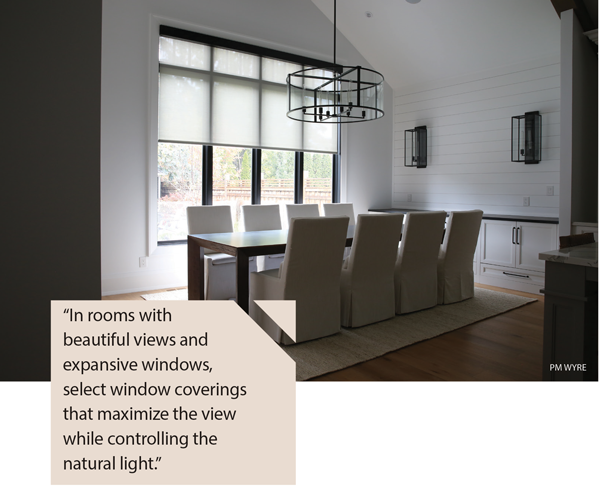
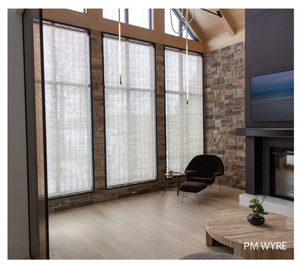
“In rooms with beautiful views and expansive windows, select window coverings that maximize the view while controlling the natural light,” says Love. If it’s for a bathroom, privacy takes precedence and blinds should be made of materials that can handle the room’s extra moisture and heat, advises Love.  

Today’s trends lean toward automated roller shades in lieu of those dated vertical blinds – once the go-to solution for condominiums and patio doors. While there are hundreds of fabrics to choose from, materials made with natural fibres and organic textures, as well as neutral colours are most popular, according to Love. 

Remember those strings and chains to adjust your blinds? Today’s automation does away with them, making today’s window covering easier to use, safer for kids and in tune with your home’s lighting and climate needs. Just about any window covering can be automated, says Love. “We can set them on a schedule based on the sun’s position, and then forget about them. They’re just always in the right position!”

Window coverings are an important investment in your home that can last many years, so relying on a professional for guidance is key. Love finds it best to visit the client’s space in order to determine their needs and the technical aspects of the installation. 

With the return of warm sunny days, now may be an ideal time to revisit your blinds and curtains. The right window coverings are an easy way to refresh your space and help optimize the comfort in your home.  


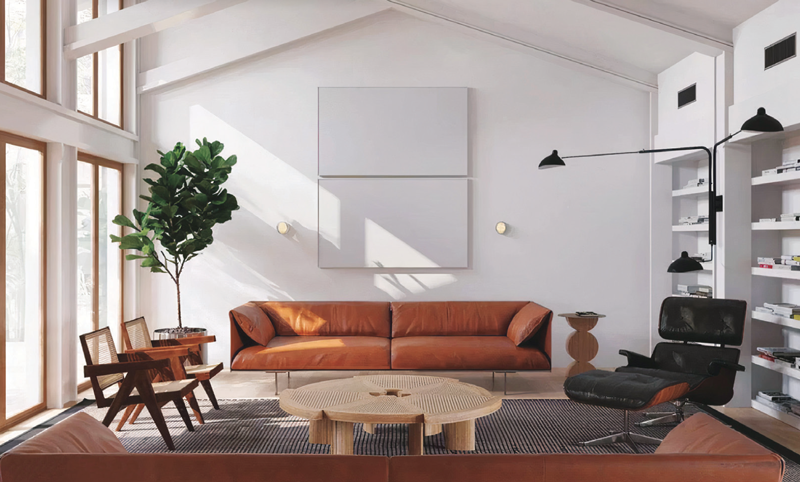
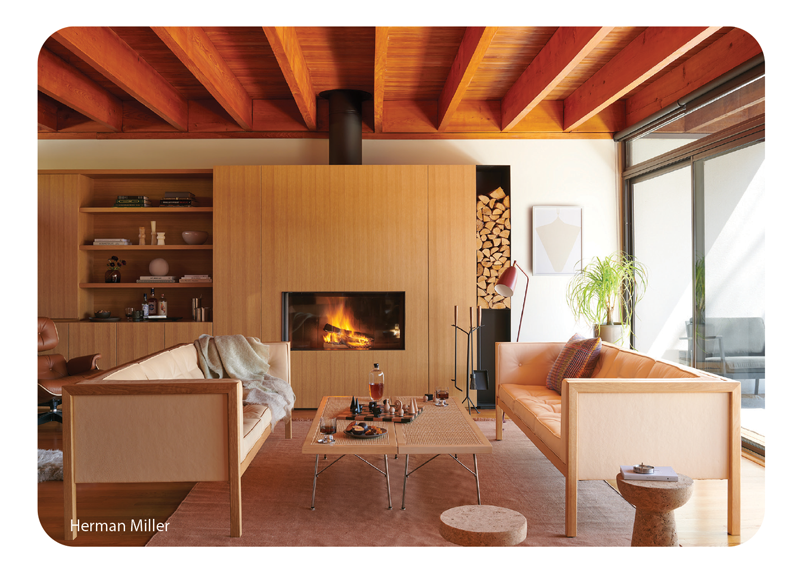
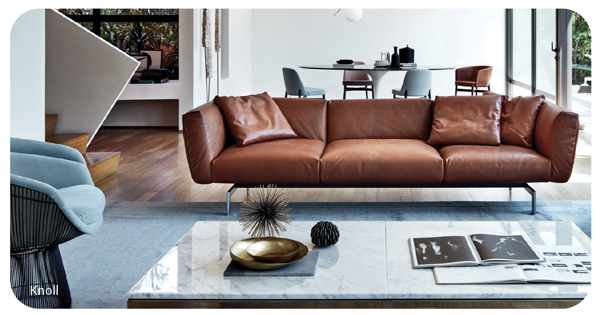
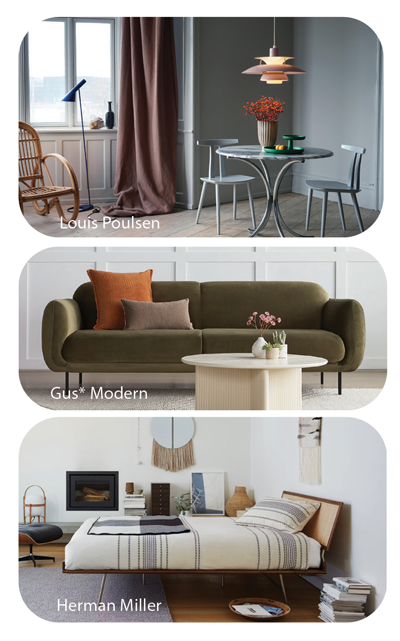
Originating in the post-World War II era, spanning from around the 1940s to the 1960s, the mid-century modern design movement embraced simplicity, clean lines and functional elegance. This timeless aesthetic continues to influence modern interior design today.

Mid-century modern design is defined by clear straight lines and gentle curves. This style embraces minimalism, avoiding excessive ornamentation or clutter and blends a variety of materials including wood, metal, glass and plastic to create visual interest and add texture. 

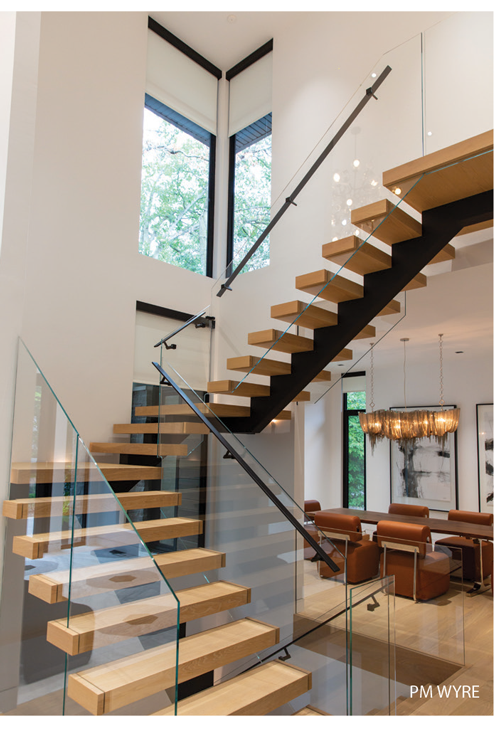
“One of my favourite things that defines mid-century design is its integration with nature,” says Shawnna Truelove, Principal Designer/Owner of Truelove Designs. “Large windows and open floor plans are common in mid-century architecture, allowing for a seamless connection between indoor and outdoor spaces.”

Mid-century modern is a design that can complement many other styles, making it an aesthetic that continues to be popular today. “The simple details and organic shapes appeal to a lot of people,” says Ashley Bonello, who co-owns Rume Design Inc. with Michelène Segodnia. She says many modern furniture companies have incorporated mid-century modern in their designs.   

“It’s one of those that can complement so many other styles,” says Truelove. “If you like modern, Art Deco, even traditional, you can  seamlessly mix some mid-century in there, resulting in a space that will appeal to a wide range of tastes and preferences,” she says.

While mid-century modern maintains its core principles, it has evolved to reflect changing tastes, lifestyles and advancements in design and technology, such as using reclaimed wood, recycled metals and eco-friendly upholstery fabrics in response to the trend in sustainability. While traditional mid-century furniture was known for incorporating bold, vibrant hues such as mustard yellow, burnt orange and avocado green, Truelove says the style has adapted to incorporate more muted hues, pastels and neutral tones, to match the latest trends in home design.

Incorporate Mid-century Modern into Your Home

To bring the timeless elegance of mid-century modern design into your home, consider these tips:

Furniture Selection: Look for pieces with clean lines, such as a statement lounge chair or minimalist dining table. The one staple mid-century piece of furniture Truelove and Segodnia agree can make or break a space is an accent chair. Iconic mid-century modern chairs such as the Eames Lounge Chair or Arne Jacobsen’s Egg Chair are great options. “Look for chairs with organic shapes, tapered legs, and upholstery in bold colours or textured fabrics like tweed or leather,” says Truelove. “No matter what style you’re trying to accomplish in your home, a good mid-century chair can bring lots of character and might just be the wow piece your design is looking for,” she says.

Layer Textures: Layering materials and textures can add contrast, depth and visual interest. “Layering of fabrics, jutes, linens and faux leathers all sustainably sourced are great ways to incorporate (mid-century modern design),” says Segodnia. 

Natural Elements: Incorporate natural materials such as wood, leather and stone to add warmth and texture to your space. Plants are another great way to bring nature indoors. “Add indoor plants in sleek, minimalist planters made of materials like ceramic, fibreglass or metal,” suggests Truelove.  

Minimalist Decor: Keep decor minimal and purposeful, showcasing a few statement art pieces, geometric rugs and iconic lighting fixtures. “Don’t be afraid of colour, especially in art,” says Bonello. “Bold, dramatic art is classic when we design mid-century style.” When adding decor pieces, Truelove advises being selective to stick with the minimalist appeal of the design style, choosing decor pieces with clean lines. “Sculptural figurines featuring abstract or geometric forms are reminiscent of mid-century design aesthetics,” she says. 

Lighting: “I call it the jewelry of the home,” says Truelove, when talking about lighting. Look for pendant lights or floor lamps with clean lines and geometric shapes, such as globe or cone shapes. “Sputnik chandeliers are also a classic mid-century modern lighting option, featuring a burst of metal rods reminiscent of a satellite,” says Truelove.

By infusing your home with mid-century modern design elements, you can create a space that celebrates the timeless elegance and functionality of this iconic design era. 

WHERE TO SHOP

Filter
271 Ottawa St North, Hamilton
filter.design

Joshua Creek Furniture
1029 Speers Road, Oakville
joshuacreekfurniture.com

Anderson’s Interiors
686 Guelph Line, Burlington
andersonsinteriors.ca

Elizabeth Interiors
3225 Fairview Street, Burlington
elizabethinteriors.com

Bungalo Beach
297 Dundas St East, Waterdown
bungalobeach.ca

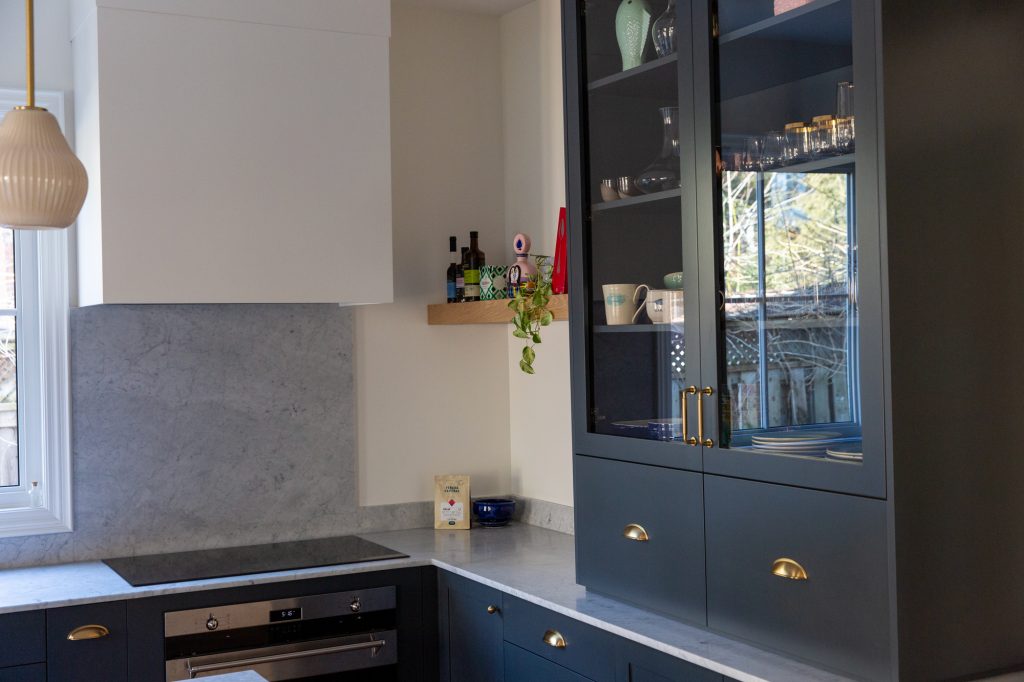
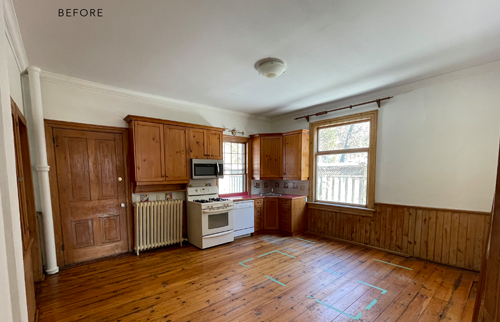
When Oscar Arboleda, founder & CEO of Forest Kitchen & Cabinetry walked into the 1870s Dundas farmhouse, he knew this might be the biggest kitchen transformation he’d ever done. The vintage kitchen had minimal cabinetry and a tiny corner sink. “It was original to the house and not at all functional,” he says. But the homeowners and Arboleda could see the potential of the space. “We started playing with the space and started from scratch,” says Arboleda.

The homeowners wanted a modern kitchen, but didn’t want to lose the character of the vintage barn home. “As much as we wanted to build something modern, we didn’t want to put in something that didn’t go with the house,” says Arboleda.  

The designers faced another challenge. The kitchen area had a lot of space but there were two huge windows and a sliding glass door, leaving minimal wall space to work with to build cabinetry. The homeowners didn’t want to lose the natural light that the windows brought into the kitchen, so closing off the windows was not an option. 

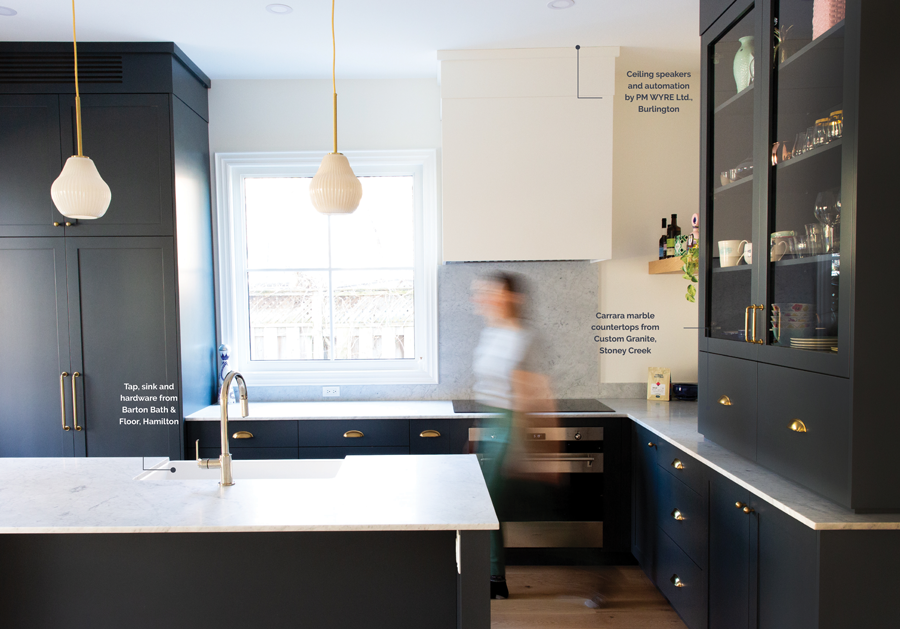
Using the three corners of the kitchen, Arboleda built two cabinet towers in opposite corners, and used the third for the range hood. “When you’re building a kitchen and you don’t have the walls to fill it out, you have to be strategic with lower cabinets with pull out drawers so you utilize every single inch of the cabinet,” says Arboleda. A large island provided additional prep space and storage, adding functionality to the kitchen without taking away from the natural light the windows brought in. 

Finding just the right combination of function and style took some work. “We went through easily 10 to 12 designs until we got the right one,” says Arboleda. 

MIXING STYLES 

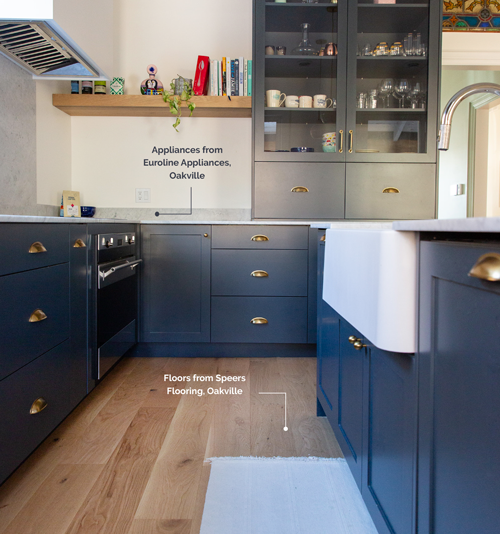
Initially when selecting cabinet doors, the homeowners wanted a conservative shaker style that was modern but not too much of a contrast to the older style home. During the renovation, they decided to put a more modern spin on the kitchen and changed the drawers to flat doors, keeping the cabinet doors as shakers. This was a first for Arboleda who had never designed a kitchen with two door styles in the same space. “It turned out amazing!” 

ISLAND

A large island was key to adding workspace and functionality to the kitchen. “We wanted to make the countertop on the island as big as possible,” says Arboleda. The homeowners chose Carrara marble from Custom Granite in Stoney Creek to complete the look. 

MAINTAIN ORIGINAL CHARM 

The homeowners were concerned with maintaining the original charm of the 1870s home. A farmhouse sink kept some of the home’s rustic charm, and an original piece of stained glass was incorporated into the kitchen design, maintaining the home’s character and charm.

The homeowners were thrilled with their new kitchen.  It’s bright and airy, with tons of storage space, and it achieves exactly what they were looking for combining the original charm with modern functionality. 

From buying second hand to avoiding takeout, choosing organic to driving electric, there are countless ways to tackle climate change and help make the Earth a better place. But the reality is, changing habits can be hard for everyone, even with the best of intentions (remember those New Year’s resolutions?)

One easy and rewarding way to make a difference is to cut our household waste – especially the amount of plastics we toss. Got a full recycling bin every week? Unfortunately, only a small percentage of those plastics actually get recycled (around nine per cent based on Canada’s latest research). In fact, across the globe, less than one-third of plastics labelled ‘1’ or ‘2’ on the bottom of containers are recycled. And, numbers ‘3’ through ‘7’ are much more difficult to repurpose. This means cutting waste means more than eliminating garbage and single use plastics, we need to cut all those plastic containers we toss into the blue bin, too. Not so easy, right?  

Inspired by this year’s Earth Day theme, Planet vs. Plastics, we asked three local eco-friendly stores to help. They recommend top products to help families curb plastic waste and adopt a more sustainable household. 

Christine Kempf is the co-founder of Mrs. Greenway which specializes in products for a low-waste lifestyle with locations in Dundas, Grimsby and Elora. “We always tell people that even one eco-friendly change makes a difference. Many of these choices end up with cost savings as well.” 

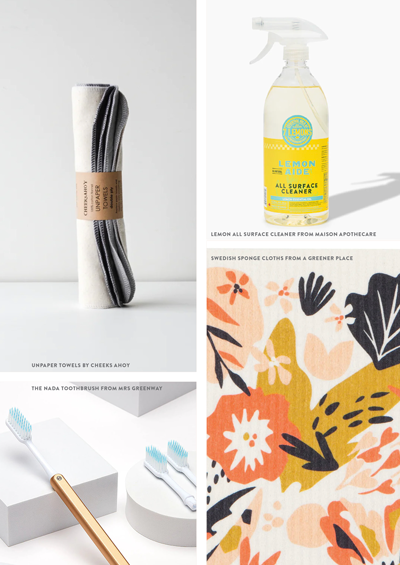
Kempf recommends “unpaper towels” by Cheeks Ahoy to replace paper towels and napkins. Made from 100 per cent recycled cotton flannel, they can be washed and reused hundreds of times before being replaced. Bonus: you can use them to shield splatter in the microwave. “Reusable paper towels means you no longer have to purchase rolls and rolls of disposable ones, saving you money in the long run,” she says. 

The bathroom is another major source of plastic waste. Did you know billions of toothbrushes end up in landfills and oceans each year? The Nada is an aluminum toothbrush with a removable brush head that’s recyclable. Its metal handle will last a lifetime, making this an ideal alternative to the conventional toothbrush that’s not recyclable in municipal programs. 

Oakville-based Maison Apothecare develops its own line of eco-friendly refillable products for the home, from cleaning formulas to skincare. Founder Natacha Rey is passionate about holistic sustainability which she says is “the practice of being intentional with all we do. Our work at Maison expresses this through our ingredients, community and impact on the planet.” 

She recommends adopting refillable formulas for the typical household duties. The store’s lineup includes an all-surface cleaner, floor cleaner, kitchen hand wash, dish liquid, laundry detergent and toilet bowl cleaner – all made with ingredients that are not tested on animals, are biodegradable, septic tank safe and do not contain hormone disruptors.  

“By purchasing refills, you actively participate in reducing waste and minimizing your carbon footprint,” says Rey. You can refill bottles on-site or purchase a five-litre refill box. “For the month of March bring back your empty bottles and get a free refill!” 

A Greener Place is a zero waste online store and refillery based in Waterdown offering an array of products to level up your sustainable lifestyle. Founder Victoria Garofalo recommends two of the store’s bestsellers to help transition to low waste living. 

Ditching the shampoo bottles that collect in the bathrooms is a great start, making shampoo bars a perfect replacement. “They’re great for traveling and they last 50 to 75 washes per bar, plus they work so well,” says Garofalo. 

Cut back on kitchen waste with Swedish sponge cloths that can be composted when done. These popular products can be thrown in the dishwasher or laundry and usually last more than six months. They come in some pretty funky designs, to boot.  

Collectively, we can make a huge difference as more individuals intentionally choose to help heal the Earth through thoughtful shopping and incremental changes in our daily routines. 

“We have seen a huge increase of people interested in making more planet-friendly choices over the last five years,” says Kempf. “When we first opened we had 10 products and a handful of people refilling. Today we have almost 100 refillable products and we see hundreds of people in each week between our three stores!” 

Local Links

A Greener Place
Online only, Waterdown-based
agreenerplace.ca

Mrs. Greenway
2 King Street West, Dundas
mrsgreenway.ca

Maison Apothecare
1173 North Service Road West,
Oakville
maisonapothecare.ca

Simply Green Baby
67 Bronte Road, Oakville
simplygreenbaby.com


Refillery Market
Online only, Burlington-based
refillerymarket.ca

If you’re renovating your kitchen or bathroom, one of the first decisions you’ll make is around tile. Whether for walls or floors, the tiles you choose will help define the overall look of your space, and its prominence can make the decision-making process overwhelming, if not harrowing. It doesn’t help that today’s tile selection is more robust than ever, posing both a benefit and a challenge. 

White or bright? Stone or wood? Regardless of your preference, today’s tiles come in an array of designs ranging from wood to stone, neutrals to bright hues.

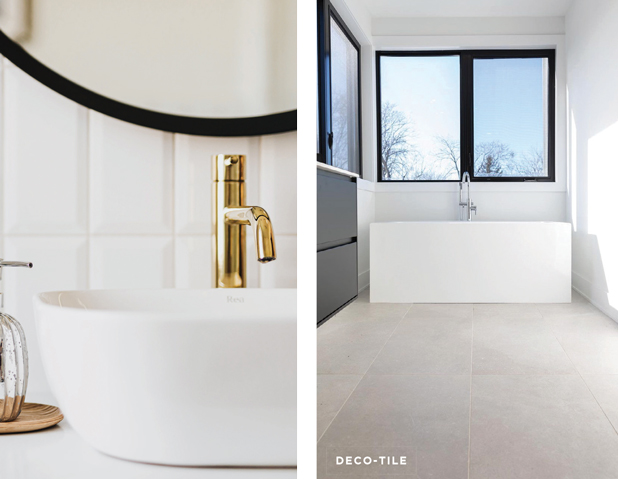
The latest trends indicate a preference for large format tiles (24-inch x 24-inch and larger), according to Victoria Di Fonzo, operations manager for Deco-Tile in Oakville. “We’re excited to see the warmer tones coming back into style,” says Di Fonzo. “Warm whites and warm greys are making a comeback.” 

The Japandi trend, which marries Japanese and Scandinavian, is popular and continues to mature, says Aaron Lamers, operations manager for Barton Bath + Floor in Hamilton. “Think soft tones and subtle textures paired with natural maple and beech wood and linear accenting.”

Homeowners looking to brighten up their space, and rebuff the safety of beige, can find inspiration among tile lines offering bold gemstone shades, along with pastel green, peach and light blue. “They can be applied as cheery accents for bathrooms and kitchen backsplashes,” recommends Lamers. 

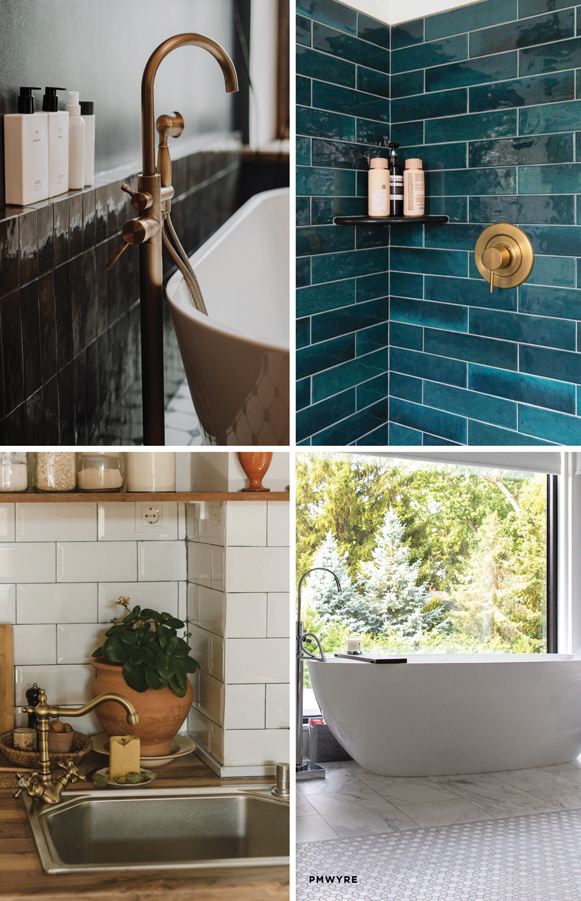
An up-and-coming trend for kitchen backsplashes is square ceramic tiles, says Di Fonzo, that offer a glossy Zellige (or handmade) look. However, retro patterns with smaller rectangle tiles are still trending, according to Lamers, along with longer subway tiles that have that same irregular handmade look and colour shading. 

For bathroom renovations, clients are using tile to cover more surfaces than ever before, which can help greatly with maintenance over time. Customers are also leaning toward large format tiles for bathrooms which limits the prevalence of grout joints. “It gives the space a larger look and is easier to clean,” says Di Fonzo. 

Tiles play an important role in the design of your dream kitchen or bathroom. Store samples are often available for loan to assist you in your choice, and online tools that help visualize how your room will look can greatly ease the design process. 

Local Links

Deco-Tile, Oakville
decotile.com

Barton Bath & Floor, Hamilton
bartonbathandfloor.com

Eden Tile-It, Burlington
tileit.ca

Opal Baths & Design, Burlington
opalbaths.com

Long Canadian winters can be tough for even the most serious cold weather warriors as we spend increasing time huddled indoors. Creating a sanctuary in the home can be a valuable way to brighten our days, regardless of the weather outside. For me, it includes sinking into the plush velvet of my favourite chair, positioned to catch the morning sun, as my three puppies play at my feet. You know what else brings me joy to this space? My plants. While not everyone may want to add puppies to create their happy space, house plants fit any budget and home. More than just aesthetically pleasing, tropical plants breathe life into your home and uplift your spirits. 

Benefits of indoor plants

Research has shown that indoor plants can increase feelings of peace and happiness in as little as 20 minutes. Certain plants are also known to purify the air, acting as natural air filters to make your living space a healthier environment – no small feat during the season of sniffles and flu bugs. Moreover, nurturing these green companions can be immensely therapeutic and calming. 

Caring for houseplants

For those who have witnessed lush tropicals wither despite their best efforts, re-investing in plants may be a hard sell. But with the right planning, you can be a successful plant parent yet.

Michelle Varlese-Fox, the owner of The Floral Collective Inc. in Kerr Village, highlights the importance of proper placement for plants to thrive in their environment. “You want to keep plants away from direct heat sources, such as vents, and cold drafts like an entryway,” Varlese-Fox says. She also points out that cooler temperatures, less humidity and fewer daylight hours will inevitably slow a plant’s growth rate. 

When it comes to watering, Jennifer Klassen, the store manager and curator at Centro Garden in Burlington, says it depends on the plant’s specific needs. “Some plants need water once a week to every 10 days (such as a Fiddle Leaf Fig, Pothos, Dracaena), and some can handle a lot less water (Snake plant, ZZ plant, Jade),” says Klassen. 

A good houseplant fertilizer is also important, yet often overlooked for newbie plant owners. “There are various types,” says Klassen. “But for an easy-to-use option, try the option that involves mixing fertilizer with water and applying it every three months.” 

Creative Display Ideas

With a little creativity, plants can elevate the style of your interior space. Trendy planters with legs or a stand can add elegance and height to your indoor garden. 

“Just like shoes finish an outfit, so does a container for a plant,” says Varlese-Fox. “There are many creative options to choose from. I also love finding non-traditional vessels.” A rummage through your stash of vintage or unused containers, baskets and dishes may uncover creative display ideas. 

Easy-to-care-for indoor plants

If you still need convincing that you have what it takes to be a plant parent, check out these plants that ‘thrive on neglect’, recommended by both Jennifer and Michelle.  

Snake Plant: A tall, upright beauty that needs watering once a month – perfect for beginners.

ZZ Plant: This tall wonder is practically indestructible; it thrives in low light and needs water once a month.  

Jade Plant: With its sturdy nature, it can handle direct or low light and needs watering once a month.

Green Peperomia: Sporting shiny leaves, this versatile plant only needs water once every 10 days.

Pothos: A trailing, adaptable beauty, it can survive in low light, needing water every 10 days.

Succulents: Requiring minimal watering, curate a collection of these small plants for maximum visual impact. 

Local Links 

THE FLORAL COLLECTIVE, Oakville 
Thefloralcollectiveinc.com 

CENTRO GARDEN, Burlington 
Centrogarden.com 

SHERIDAN NURSERIES, Mississauga 
Sheridannurseries.com 

Along with the crisp autumn breeze and change in fall routines comes a flood of belongings into your home – backpacks, coats, muddy boots, outerwear galore! All of which ends up cluttering your entryway and can make your home feel chaotic from the moment you step over the threshold. 

Keeping your entryway clean and organized takes some planning, but a well-organized foyer can help you get out the door on time, and create a feeling of calm when you get home. 

Keep only what you need

Remove any items that don’t belong in the entryway. “If you are working with tight parameters, ensure only the seasonal essentials are living in this space,” says Megan Arthurs, Oakville-based professional home organizer and CEO of H:OM Organizing. Removing out of season items means you are only looking at what you might need. You don’t need to see your sandals and sun hats when you’re looking for your scarves and boots.  

Make use of vertical surfaces

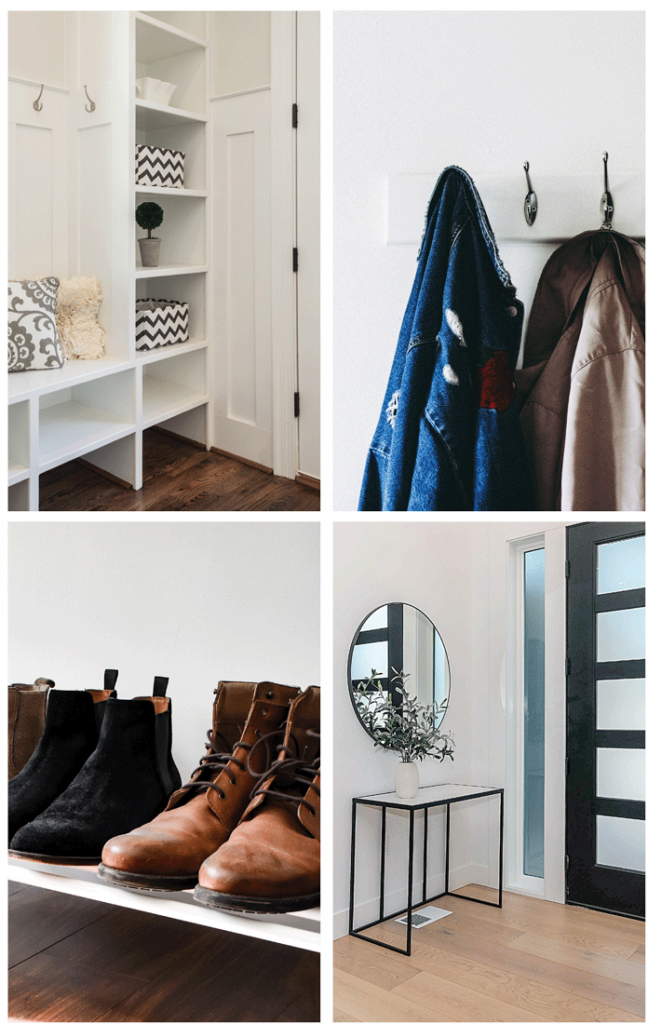
Vertical is your friend in the foyer. Install hooks or wall-mounted racks for frequently used items such as jackets and hats. “You want to try to get as many items off the floor and on the wall,” says Arthurs. 

Add a console table

If you have space, add a console table that can serve as a mail drop zone and add a basket for miscellaneous things like dog leashes, school permission forms and flyers. If you don’t have room for a console table, floating shelves can work well for essentials such as phones, keys and wallets. 

Invest in dual-purpose furniture

The entryway isn’t a space you want to clutter with furniture, especially if you are working with a small space. Arthurs recommends items that are dual-purpose, such as a storage bench that provides seating and is also a place to store shoes. 

Shoe solutions

Shoes scattered around the entryway is not only a tripping hazard, it leads to dirt tracked around the home during the soggy months. If a traditional shoe rack isn’t providing enough storage, consider a wall mounted shoe storage unit that saves on floor space while providing plenty of storage.

Add a rug to catch debris

A rug that can trap debris from wet, muddy fall shoes will help keep the rest of your home clean. Carol Lacher, owner of Nicetys in Oakville, recommends Chilewich rugs. Made in the USA from recycled plastic, Chilewich rugs are low pile, catching debris that can be vacuumed or hosed down. “They last for years and the quality is amazing,” says Lacher. A boot tray is also great for catching excess snow, mud and water, preventing those unwelcome puddles inside your home. 

Seasonal decor 

Adding some touches of the season can help set the mood for fall; however, if your foyer has space restrictions, fall decor can just add to the clutter. Work from the outside in, adding a seasonal door wreath and a doormat. If you have an entryway table, add a few fall foliage items (branches, twigs, pinecones) without overwhelming the space.

Establish a morning routine 

An organized entryway can help simplify your routine by providing designated spaces for keys, backpacks and outerwear so you’re not frantically searching for things when trying to get out the door. Create an assembly line of necessary items so kids can simply grab their backpack, lunch bag and shoes with speed, and make sure everything you need (keys and other essentials) are also within reach. 

Be sure to tidy the hallway on a regular basis to maintain organization for the months ahead.  “The entryway becomes a household dumping zone, so this space needs extra attention on a weekly basis,” says Arthurs. 

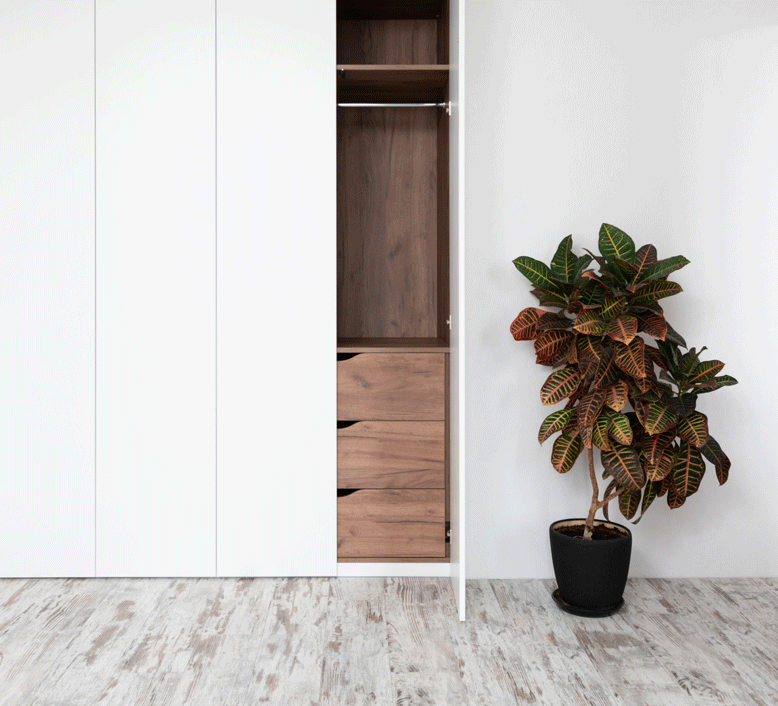
Optimize your closet 

A functional closet adds additional square footage to your foyer. For closet solutions, check out these local businesses: 

Closet Envy
closetenvy.ca

Closets by Design
closetsbydesign.ca

California Closets
californiaclosets.ca

BY LISA EVANS