
Category

Home & Garden

Category

Need to breathe life into your home while sticking to a budget? Painting is an inexpensive way to freshen up any room. With a bit of time and effort, you can re-energize any space with a fresh coat of colour.

Hot Colour Trends

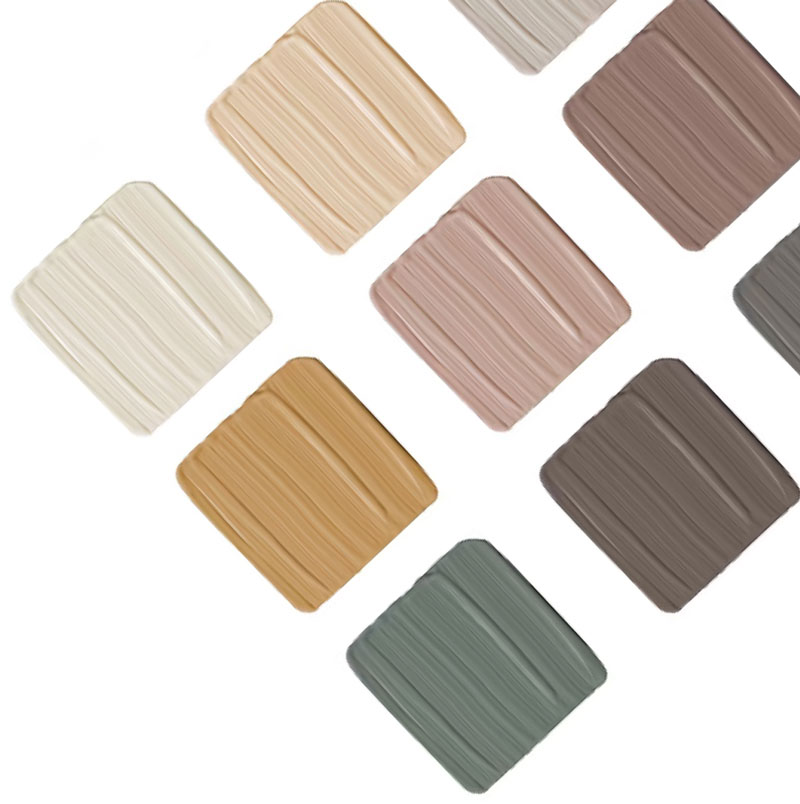
Each year, a new colour palette sets the stage for the coming season, and this year is no exception. “We are seeing dark and moody blues and greens,” says Iva from Dove+Arrow in Oakville. She adds that jewel tones are generally popular for a dramatic look and that a surprise pop of pink has emerged, inspired by the Barbie movie. Regardless of the trends, choosing a wall colour is uniquely personal and has more to do with your taste than the latest style. Are you looking for a calm ambience? Stick to neutrals. Do you want to bring an energetic mood to the room? Choose a bold new colour. If you’re on the fence, keep walls neutral and add punches of colour with a bright cushion, lamp or wall art.

What Paint Should I Buy?

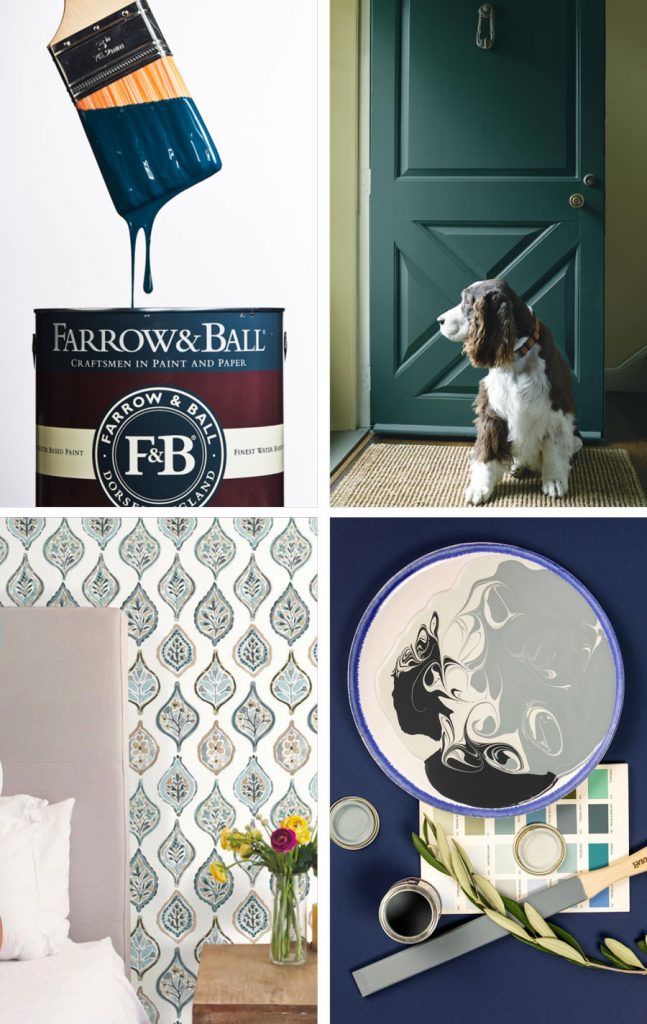
When choosing a paint brand, look for one that’s washable, especially if you have children. Paint finishes with a higher sheen are easier to clean. A satin finish has a higher gloss and is excellent for a child’s room, baseboards and trim. An eggshell finish gives a slight shine to walls, while a matte finish has less sheen, and both are very wipeable. Flat finishes are harder to clean and show more wall imperfections. Bathrooms and kitchens require a paint formulated for humid environments that are mildew resistant. Whatever your preference is for brand, sheen or colour, be sure to buy the correct type of paint for the room.
Tips for a Flawless Room

Before you paint, patch any holes with a patching compound. Patch in skim coats, scraping the excess with a spreader. Once dry, use a fine-grit sanding block to gently sand the patched area. It should feel smooth with no apparent lumps or bumps.

Most latex paints today are created with primer built in, which means better overall coverage on the walls. It also means you can skip priming the entire walls first, unless you cover a very dark colour with a very light one. However, you do need to seal the patched areas. To save time, use the paint colour you have purchased and brush a thin coat over the patching with your brush. This acts as your primer coat and seals the patch before you roll the walls.

Be sure to buy a good quality angled paint brush (1.5 to two inches) and cut in the perimeter of the room to create a nice, clean edge. Once the walls are rolled, allow sufficient drying time between coats. The higher the humidity, the longer a room will take to dry, so be sure to have the air conditioning on during warm days or run fans to circulate the air.

Whether you’re painting a bedroom, basement or bathroom, choosing the right paint and prepping the walls will ensure a successful project every time.

by Julie Achtermeier
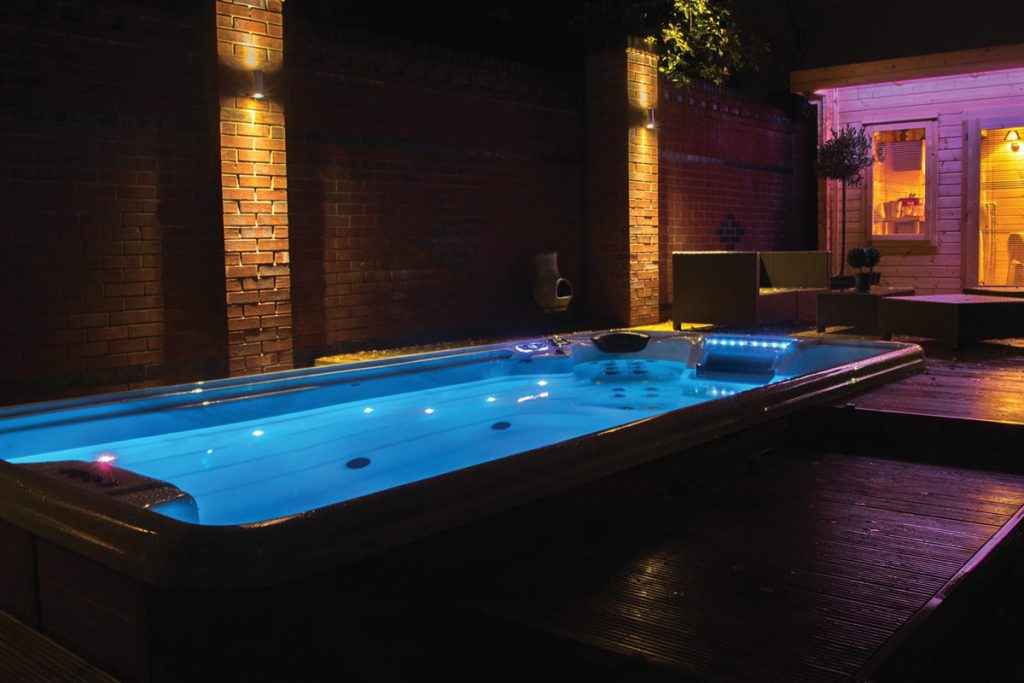
You may not be able to perform cannonballs or run around the deck screaming Marco Polo, but the swim spa may be the next best thing to the backyard swimming pool. It combines a swimming pool’s fitness benefits with a hot tub’s hydrotherapy. And while the swim spa may be perceived as a backyard luxury item, it is considerably less expensive than putting in an inground pool and can accommodate any size yard. 

Swim spas contain a jet system allowing you to swim in place, eliminating the need to do laps in a full-size pool. The movement of the water creates a counter-current to mimic the sensation of swimming in the river or ocean so you can exercise within a much smaller area. The jet system also provides the relaxation and therapy of a hot tub with the ability to adjust the temperature within a few hours. Hydrotherapy delivers deep relaxation to muscles, promotes stress reduction, and helps reduce the symptoms of chronic pain conditions like arthritis and fibromyalgia. With a swim spa, you can improve your physical and mental well-being all in one system. 

Not All Swim Spas are Created Equal

If you search “swim spa” on the internet, you will see a long list of options and styles, including their ability to be used year-round. “All-weather pools are designed and built for the Canadian climate. Not all swim spas are,” says Aaron Pilon, VP of sales and marketing at Arctic Spas. “Pools must be tested for long durations and consider fluctuating temperatures, not just extreme cold. Not all manufacturers understand the Canadian winter.” 

It’s not unusual in Ontario to see -20 C one week and above zero the next. A pool system not designed and insulated properly will not protect against fluctuating temperatures, causing materials to expand and contract. Over time, this can damage the pool causing costly repairs. 

The design and fit of the cover also play a critical role in maintaining the pool temperature in winter and help keep energy costs
down.  

Choosing Your Perfect Spa

Swim spas come in various sizes and styles, but choosing one can be complicated without some helpful guidelines. If you’re researching a swim spa for your family, consider these tips:

Clarify what exercises you can do in the swim spa. Some models can install rowing bars or require a tether to keep you in place while swimming. Also, understand what can be adjusted, such as the resistance of the water current, the jets’ water pressure, and the pool’s jet arrangement. 

“Be sure to inquire about the pool’s construction and how it is designed for the Canadian climate,” says Pilon. “A good salesperson will walk you through the design of the pool, not just its features.” Also, ask about the heating system and how long you can expect the pool to take when heating to hot tub temperatures.

Consider pool maintenance and whether there’s a self-regulating saltwater option. Traditional chemicals can cost both time and money. Do filters need to be changed, and how often? Ask where the swim spa is made and the manufacturer’s warranty, and check Google reviews. 

A swim spa may be the perfect addition to your backyard offering unending outdoor family fun, a full-body workout and a therapeutic soak any time of year. 

By Julie Achtermeier

Local Links

Arctic Spas, Burlington
arctichottubs.ca

Pioneer Pools, Oakville and Burlington
pioneerfamilypools.ca

Factory Hot Tubs, Oakville
factoryhottubs.ca

International Pool & Spa, Oakville
interpools.com

Leisure Industries, Oakville
leisureindustries.ca

Think you’re powerless to help the environment? Think again. A patch of soil is all you need to support pollinating insects and birds. You can easily transform a garden bed, or even planters on a balcony, into a colourful habitat that’s brimming with life.  

What’s all the buzz?

Over time, garden centres have introduced increasingly “showy” plants that are easy to grow. Unfortunately, these human-bred cultivars support only a fraction of the wildlife that native plants do. The good news is that any home gardener can help rebuild lost habitat and renew the ecosystem.  

Pollinator gardens clean our air and filter our water. They require little, if any, watering once established and don’t need fertilizer. Their extensive root systems control erosion, heal soil and absorb storm water. Most importantly, they support life and give endangered pollinators a fighting chance. 

How the magic happens

When pollinators search for food, they’re often directed by light patterns and scents that flowers give off. According to Charlie Briggs, director-at-large for Hamilton Naturalists’ Club, many insect pollinators only travel a few hundred feet from their nest to locate the native flowering plants they have co-evolved with. 

“Many pollinator species have very specific relationships with certain families of plants, or even exact species that they require to continue their existence,” Briggs says.

When a pollinator recognizes its plant, it will feed on nectar, pick up pollen, drop pollen to the next plant… and essentially sustain life on this planet.

Getting started

Your pollinator garden should include various bloom colours, sizes, shapes and plant heights to attract a diversity of pollinators. More than just flowers, the best pollinator garden should also include host plants – where a pollinator lays eggs, eats and lives. Flowers are great for inviting pollinators to visit, but host plants are how you get them to stay! So include native forbs (wildflowers), grasses, shrubs and trees in your garden. 

Keystone species in Ontario include asters, goldenrods, sunflowers and strawberry. Some beautiful native sedges and grasses are ebony sedge, fox sedge, switchgrass, Indian grass, and ‘big’ or ‘little’ bluestem.

“Pollinator-friendly gardens will support pollinators in every stage of their lives from larvae to adults,” says Apryl Lark, a volunteer with Butterflyway Hamilton. “This requires not only flowers that produce pollen and nectar but host plants that provide food for their larvae.” 

What about balconies?

You can plant in containers if they’re large enough to support root systems and hold enough water. Containers require frequent watering. If your containers get full sun, consider planting black-eyed Susan, and a host plant such as wild strawberry or butterfly milkweed. For shade, you can plant Christmas ferns, Solomon’s seal, and wild columbine, wood asters or Pennsylvania sedge as host plants.

Where to find native pollinator plants

Mainstream garden centres don’t sell many of the true native plants that pollinators recognize. Try these sources instead:

Nurseries that grow native species (see sidebar). Also, many gardeners order native plants from sources such as onplants.ca.

Networking and events. Look for “Seedy Saturday” events in your area where people buy or trade seeds and plants and exchange gardening tips. Or join your local naturalists’ group, where members often sell or give away native plants.

Harvest seeds. Many of the hardest working native flowering plants are overlooked by us on our forest and road side borders. This fall, take a paper bag and pick a few. “Common milkweed and New England aster can be easily found in southern Ontario,” Briggs says. “Ripe seeds, when sewn in your garden in the fall, will reward you with your own plants come spring time.”

Have fun creating your own little patch of paradise. Millions of life-sustaining microorganisms, insects and birds will thank you.  

By Michelle Morra

Kids love to play in the dirt. Caring for a garden can turn playtime into a fun learning experience and, psst, it may even help you sneak veggies into their diet. 

Check out the many benefits of making gardening your family’s new hobby.

Appreciation of where food comes from

Growing a garden not only helps kids connect with nature, but introduces them to sustainable living. “Seeing that growing fruits and vegetables can have challenges, such as weather, animals and insects, makes us more aware of the effort that farmers put into producing the products that fill the produce aisles in the grocery store,” says Valerie Kristjanson at Connon in Waterdown. Kids may be less inclined to let food go to waste, as a result.

An outdoor science classroom

While kids are digging in the dirt, they learn about weather, soil, plant classification and how food grows. It’s a safe way to experiment (without worries about kitchen explosions) and see the “fruits” of their labour.

If they grow it, they will eat it

Looking for a way to encourage your kids to eat their greens? A garden might be your gateway. Cutting herbs or plucking string beans are both easy ways to get kids to help in the kitchen. “Harvesting your salad for dinner is rewarding and a good way to involve kids in the meal prep and, hopefully, encourage them to want to eat what they’ve grown,” says Kristjanson.

Watch your patience grow

Patience is a virtue, but not an easy skill to develop in this age of video streaming and instant messaging. Gardening provides an opportunity for kids to exercise their patience muscle as they wait for seedlings to mature and bear fruit. Crops take time to harvest; just make sure you involve them in the garden’s progress or they’ll lose interest.  

Kid-friendly plants to grow

Some plants are more challenging than others. When gardening with kids, you’ll want to choose plants that are relatively low maintenance and yield a crop quickly. To save time, consider buying seedlings at your local garden centre.

Beans and peas

These kid-friendly vegetables are delicious and quick-growing. Beans and peas emerge from the soil after about a week of planting from seed and are ready to harvest in about six weeks.

Lettuce

Lettuce grows quickly and allows for planting more than one crop per season. You may even get your kids to enjoy eating a salad! Just be sure to wash thoroughly, bugs love to nestle in the leaves.

Carrots

This simple crop is one that most kids love to eat. They take around 60 days to germinate but are easy to grow from seed.

Cherry tomatoes

A kid-favourite for their size and sweetness, cherry tomatoes are easy to grow as long as they are given lots of sun and water. Consider buying seedlings to cut kids’ waiting time.

Sunflowers

These larger-than-life flowers are easy to grow and have great appeal for kids.“It’s fun for kids to stand beside them and watch them get taller,” says Samantha Harvey, manager at Terra Burlington.

Gardening tips for kids

Keep it simple.  A small raised bed or a few potted plants in a sunny spot is all you need to get started. You may even want to give your child one pot to take care of to foster responsibility.

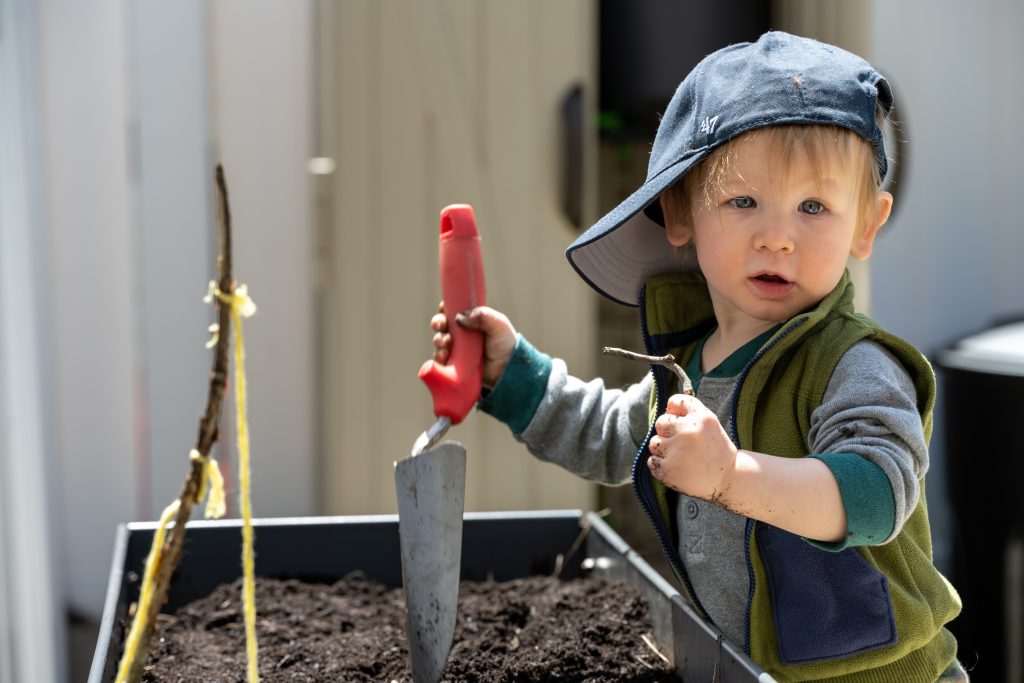
Skip the plastic tools. Give kids real metal tools and kid-sized gloves so they can work effectively. Having real tools acknowledges the work they’re doing and helps build independence.

Kids can enjoy the benefits of gardening at any age.  This summer, consider nurturing a lifelong appreciation for nature, fresh veggies, and (if you’re lucky) cooking with a family garden.

By Lisa Evans

It’s no secret that dads love their tools. But tools aren’t just useful in the garage for fixing bikes. We’ve rounded up some of the best kitchen gadgets Dad is sure to love. Infuse a little tech and watch Dad whip up pub style french fries in the air fryer, the juiciest steak on the BBQ and weekend breakfast like he’s a sous chef. 

An Air Fryer

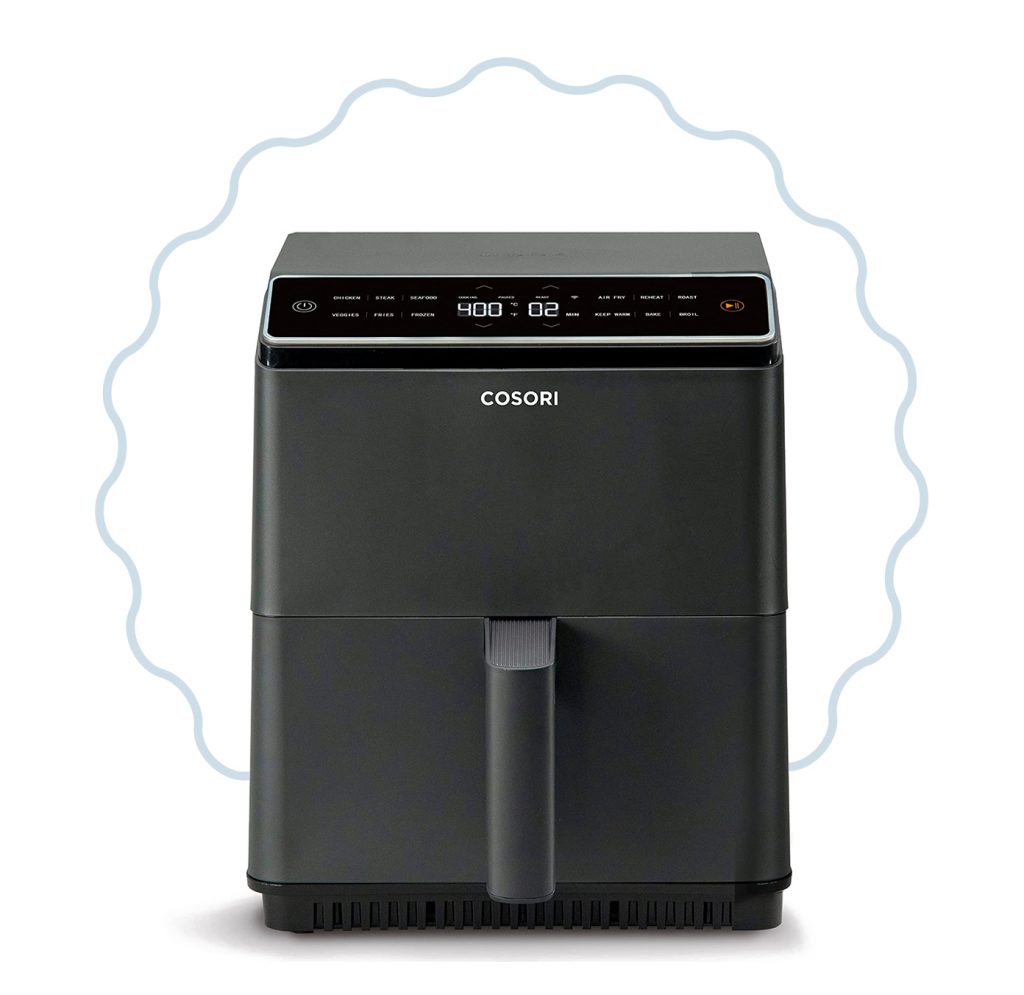
Cooking is the art of patience, but not if you have an air fryer. This trendy kitchen gadget uses rapid hot air technology to cook food faster and allows you to cook Dad’s favourite pub style fries and chicken tenders in minutes. While an oven typically requires 10 minutes to heat up, an air fryer doesn’t require any pre-heating. Food comes out crunchy and golden every time. 

A Sous Vide 

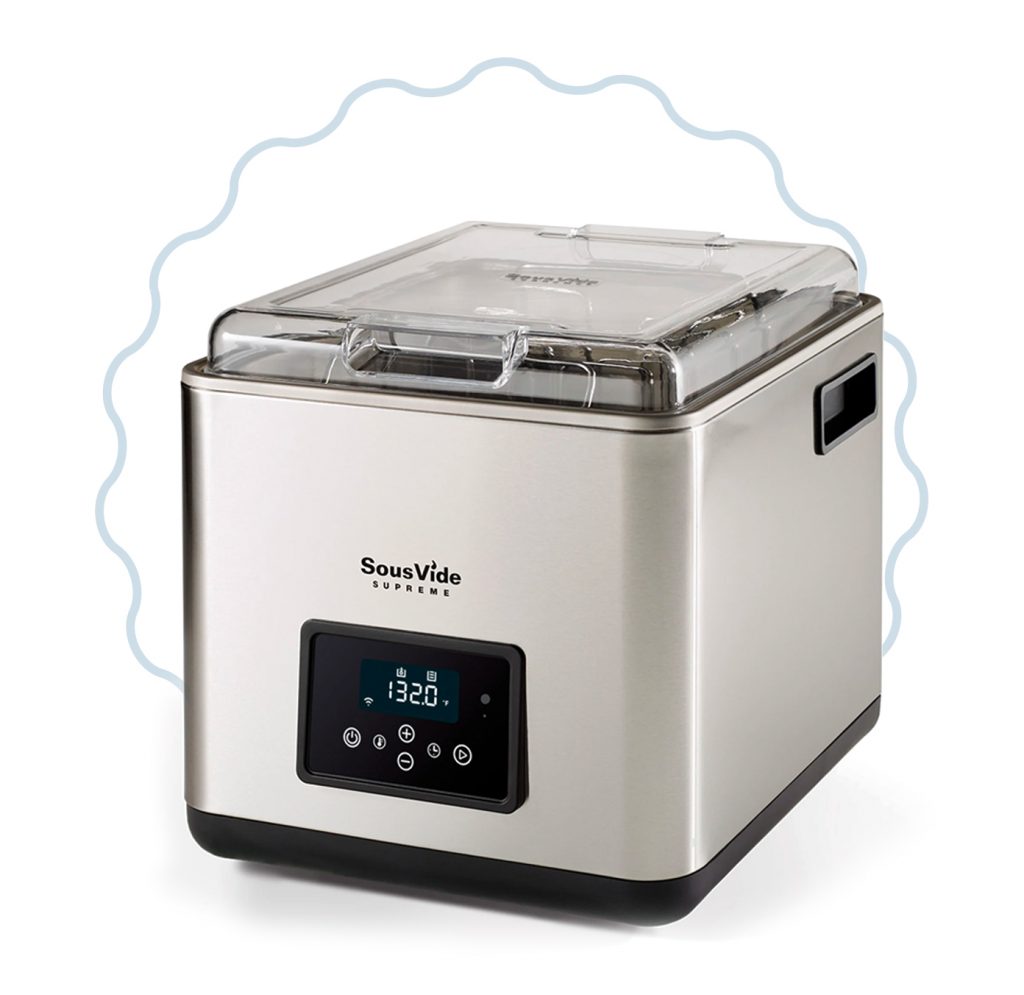
Pronounced “sue-veed” meaning “under vacuum” in French, this method of cooking has been used in high end restaurants for years and is now available to home cooks. Sous Vide consists of vacuum sealing food in a bag, then cooking it to a precise temperature in water. Perfect for cooking vegetables, fish or meat, you can attach the sous vide device to any pot, add water and drop in your food in a vacuum sealed bag or glass jar. Using precise temperature control, the food cooks in its own juices making it moist, tender and juicy. For those who enjoy a little kitchen tech, Anova has a sous vide device with bluetooth technology allowing you to monitor your food’s progress through the Anova Culinary App that sends notifications to your smartphone to tell you when your food is ready.

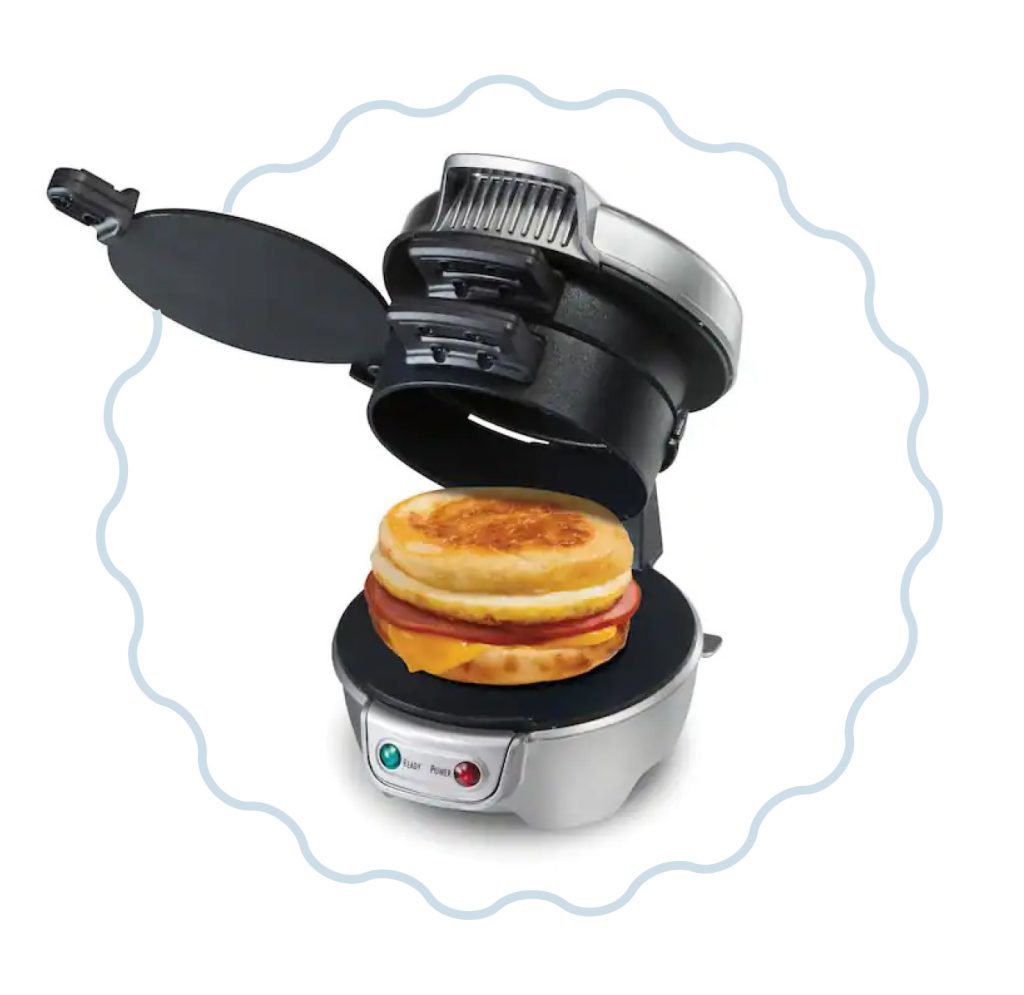
A Breakfast Sandwich Maker

Let Dad be the breakfast hero. No more weekend morning drives to McDonald’s. The Hamilton Beach Breakfast Sandwich Maker delivers a hot and hearty breakfast sandwich in just five minutes. Use an English muffin, bagels or pancake as your bread, add your egg, cheese and precooked meat. Top your egg with a second slice of bread, close and in five minutes you’ll have a delicious breakfast sammie at home.

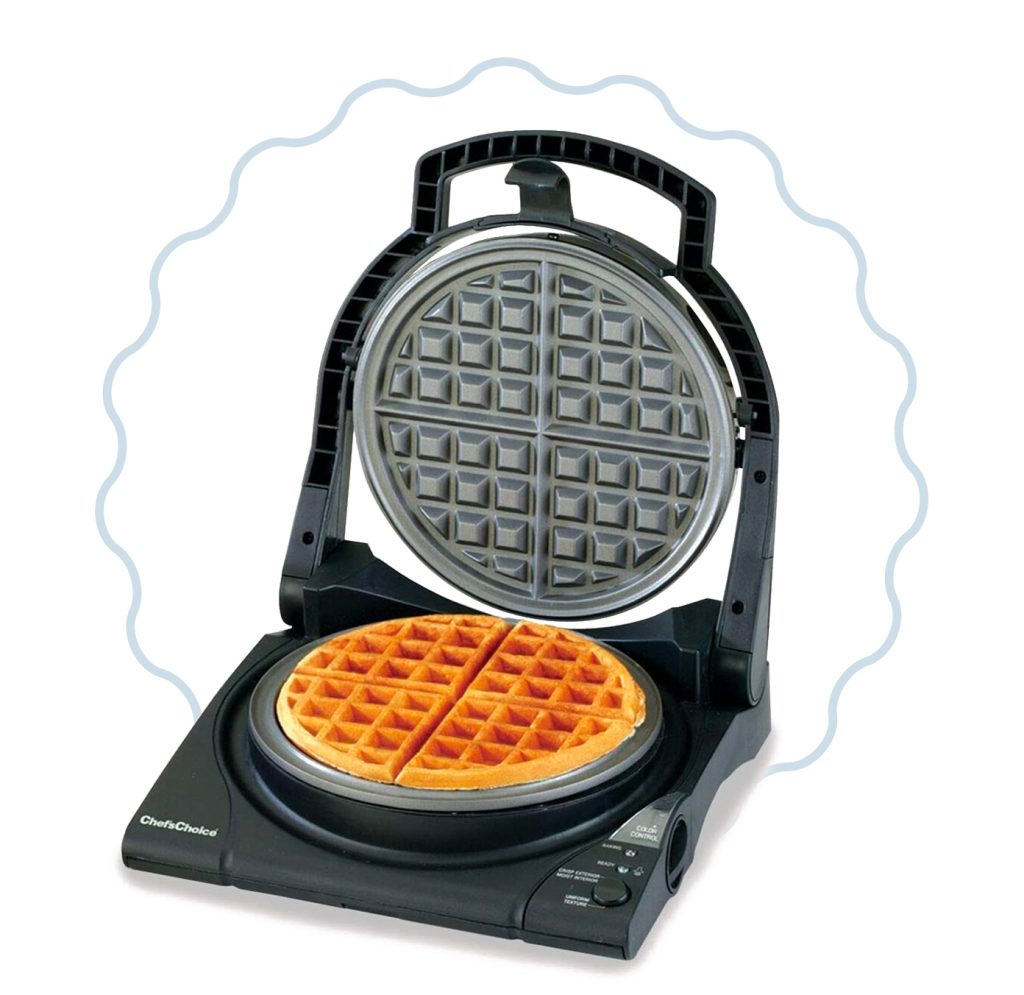
A Waffle Maker

Your weekend mornings will never be the same again. Get a fresh, delicious restaurant quality waffle from the comfort of your own home. We like the Chef’s Choice WafflePro Classic Belgian 840B. Its customizable settings allow you to choose your brownness settings and adjust for a crisp exterior, moist interior or uniform texture, delivering your perfect waffle. Top with fresh fruit and whipped cream and enjoy! 

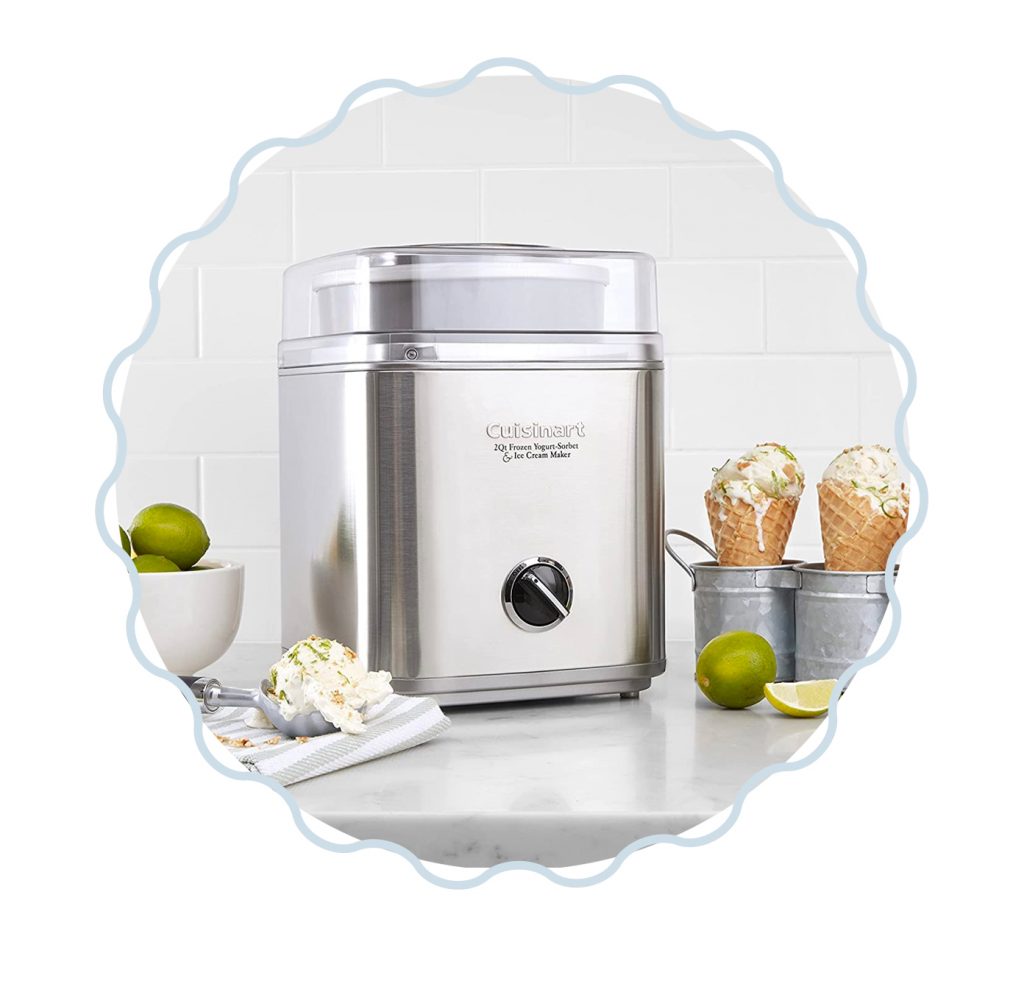
An Ice Cream Maker 

Make dad the king of desserts with an ice cream maker. Whip up a delicious batch of ice cream using cream, milk, sugar and the fruit or flavour of your choice. One bonus, other than ice cream at your fingertips of course, is that you can be in control of your ingredients and accommodate family members’ dietary concerns. We particularly enjoy the Ninja Creami, a slightly more expensive ice cream maker that makes a smooth ice cream similar in texture to a Dairy Queen Blizzard and can also make gelato, milkshake and smoothie bowls.

The MEATER+ Smart Meat Thermometer

For the grill master who enjoys a little tech, simply stick this smart cooking accessory into your steak or chicken, delivering a perfectly cooked meal every time. The Meater+ is a completely wireless meat thermometer and sends notifications to your phone when your food is ready.

The Grillbot Automatic Grill Cleaning Robot 

We can probably all agree that the worst part about cooking is the clean up. The Grillbot is essentially a Roomba for your barbeque. Its electric motors power its wire brushes and propel it across your grill, sounding an alarm to let you know when it’s finished.

Armed with all these amazing tools, you might need an extra cupboard in the kitchen to house them all, but Mum may never need to cook a meal again!  Happy cooking! 

By Lisa Evans

After experiencing the darkest winter in 80 years (and something called “thundersnow”), this year’s garden shoots come with an added relief – and science says there’s something to it. Plants and flowers not only make people happy but are proven to improve mood, health, and memory. Thankfully, with our wild and wonky winter behind us, flowers are here to stay (and the beautiful colours they bring with them). While spring blooms are certainly beneficial for our mental health, they’re easy to decorate with too, as long as you know how to care for them properly. From pink peonies to flowering cherry blossom trees and vibrant daffodils, making the perfect arrangement (and keeping it alive) can seem daunting. Whether you’re a botanist or an unintentional plant killer, these tips and tricks from local floral experts will make your thumb a little bit greener. 

Creating a floral arrangement is easier than one may think – even if you’re not a DIY expert. It may take a little creativity, but even if you don’t have the creative gene, simply playing with layouts and colours can create something spectacular. Start by gathering flowers in colours that work well together, such as orange and yellows or pinks and purples. You can get creative by mixing textures and shapes, too. Once you have your vase – one suited for the size of your arrangement – you can start assembling. 

To extend the life of your flowers, keep these expert recommendations in mind: 

  • Buy flowers that are still closed (this indicates they’re younger). 
  • Clean-cut the stems before placing them in water.
  • Trim any foliage (you don’t want foliage below the water line)
  • Ensure all stems are in the water; there’s no need to fill the vase to the top.
  • Keep your arrangement in a cool spot, away from direct sun. 

  • Change the water every two days.
  • Remove any dying flowers from the vase. 

If you’ve ever received or purchased an arrangement from a florist, you’ve likely seen the little powder packets that come with them. Darla Malcolm-Hauraney from The Garden Girls explains, “This little packet of flower food contains a floral preservative that can help hydrate your fresh flowers and make them last longer. Bacteria growth in the vase commonly kills flowers prematurely, and flower food can prevent this by killing bacteria in the water.” 

For those who take cuttings from their garden, Darla’s recipe for homemade flower food does just the trick.

  • One quart of water 
  • Two tablespoons of sugar
  • Half a teaspoon of bleach 


Nothing beats a fresh bouquet of blooms from your own backyard, and according to Darla, the French peony is one of the most sought-after varieties for the garden. Valerie Jansen from Connon Nurseries agrees: “Peonies are very popular as perennial plants in the garden due to how spectacular and showy their blooms can be. Often mixed in perennial borders, the flowers of many peony varieties are fragrant, fluffy, and great for cut flowers!” 

Surprisingly, peonies also have many health benefits. The bright and vibrant petals of peonies are known to boost energy and reduce stress, while their sweet aroma can help improve mood. 

If you prefer other flowers, The Garden Girls also suggest looking for a longer-lasting flower to bring indoors. Darla recommends Freesias, Hydrangeas, Hypericum, Eryngium (Sea Holly), Sunflowers, Goldenrod, and Zinnias.

The budding of spring is just around the corner! Create your own bouquet from garden clippings, order an arrangement from a talented local florist, or grab a bouquet from the farmer’s market. Colour is here to stay! (At least until next winter). 

Happy Spring!  

by Nicole Lischer

Local Links

The Garden Girls, Halton
Thegardengirls.ca

Campbell & Co. Home, Burlington
Campbellcohome.com

Centro Garden, Burlington
Centrogarden.com

Connon Nurseries, Waterdown
Connon.ca

Fiori, Oakville
Fiorioakville.com

Brant Florist, Burlington
Brantflorist.com

Bulow Garden Centre, Oakville
@bulowgardencentreoakville

Foli, Burlington
Foli.ca

When it comes to home renovations, natural stone is a popular choice. It doesn’t matter if you’re replacing those old linoleum floors with gorgeous granite tiles or turning your bathroom into a marble palace. Something about natural stone feels timeless, elegant, and like a good investment in your home. There are also some spectacular artificial stone options to expand your options even further. Here’s how to choose which products to use in different parts of your home — no matter what you end up going with, we’re sure it will look amazing.

In The Kitchen

There are a lot of opportunities to add natural or artificial stone products in your kitchen: on the floor, on the counter, in a beautiful backsplash, or even as an accent wall.

Let’s start with flooring — you want to look for something durable and low maintenance (especially if you have kids or pets). However, it’s important to be realistic about what ‘low maintenance’ truly means. “Stone is a natural, porous product,” explains Natasha Altena of Eden Tile-It in Burlington. “No matter the application, stone is going to require some level of maintenance.”

Granite and marble countertops are classic, but they aren’t the only option. An artificial product like quartz may provide a similar look and is incredibly durable. Quartz is scratch-resistant, bacteria-resistant, and difficult to damage, but it’s not heat-proof. It doesn’t require sealing, but it may discolour somewhat over time. Granite requires a bit more maintenance — ideally, you should seal it every year, but it withstands heat well. It’s not as strong as quartz, but it’s still pretty tough and looks great. And what about marble? It has a stunning aesthetic and is great for bakers because it remains cool, but it won’t withstand heat like granite will (meaning, you can place a hot pan on granite but not marble). Marble also stains more easily than other stones because it’s more porous.

You can use just about anything as a backsplash. This might be where you want to splurge on marble if you choose a more costeffective product for your floors and countertops. Altena notes that while marble is one of the softest types of stone, it performs well once sealed. “Marble stands up to the job as a backsplash option — it tends to come in lighter colours and less busy patterning, which seems to be trending still in the industry.”

In The Bathroom

Consider porcelain or ceramic tiles if you want something practical and budget-friendly for your bathroom floor. They come in various colours, patterns, and shapes, and you can choose ones with a higher friction rating to avoid slips. Porcelain tiles are often the same colour through multiple layers, so it’s easier to hide chips if they happen (the same can’t always be said for ceramic tile, however, beautiful they are).

“For a shower, marble tile and slabs are still popular, although porcelain tile and slabs have come a long way,” Altena says. “It would definitely be less maintenance and more affordable to check out what is available in porcelain options for showers over natural stone, as they can look identical after a proper installation.”

Everywhere Else

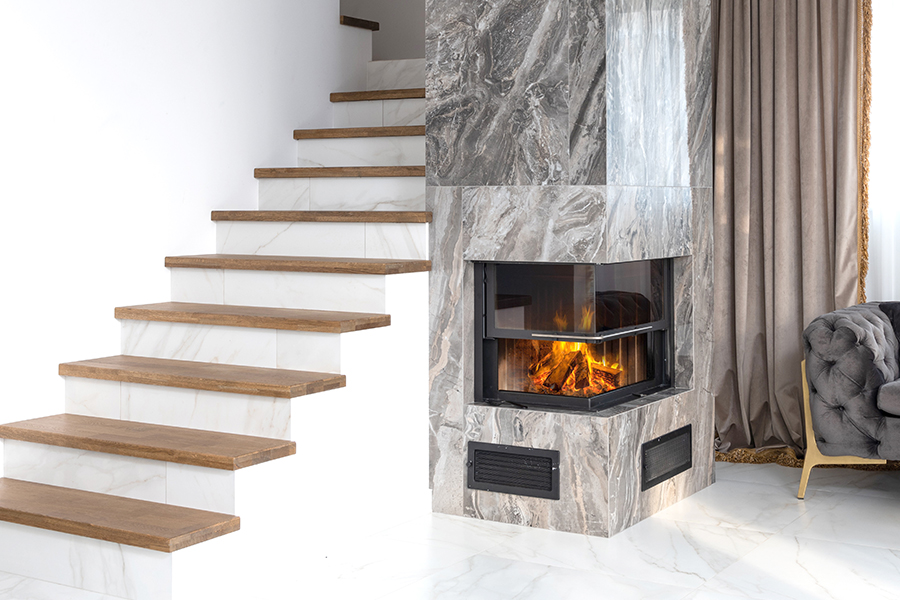
If you’re looking for stone tiles for your foyer, hallway, fireplace, or another spot in your house, consider the room’s function, the look you’re after, and the budget you’re working with. You may want to go with a natural stone like granite, limestone, travertine, slate or marble. Look at different finish options — honed or polished, for example — and take samples home to see what looks best in the space and lighting you’re working with. There are several stores in Oakville and Burlington with some beautiful options!

by Erin Pepler

Local Links

Eden Tile-It, Burlington
tileit.ca

Tile Giant, Burlington
tilegiantcanada.com

The Flooring Gallery, Burlington
eurostandardinc.com

Deco Tile, Oakville
decotile.com

Speers Flooring, Oakville
speersflooring.com

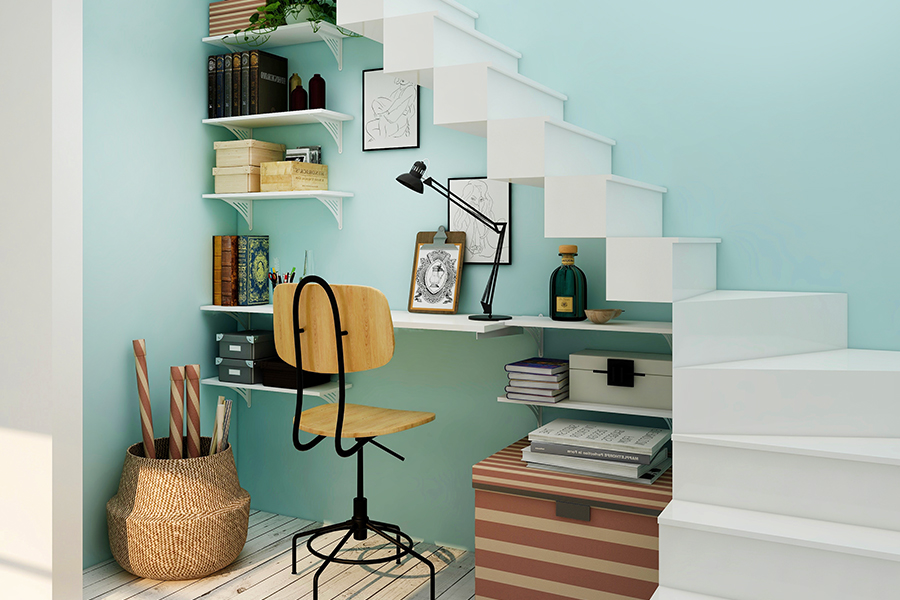
Every home has it: dead space without a designated purpose. There’s the hall closet where you toss shoes, backpacks, and coats, and…is that a pair of ski boots? Plus, the spot under the stairs where you house bins of outgrown baby clothes and keepsakes…just in case. You might have grandchildren one day. These spaces, while often underutilized, are valuable real estate in your home.

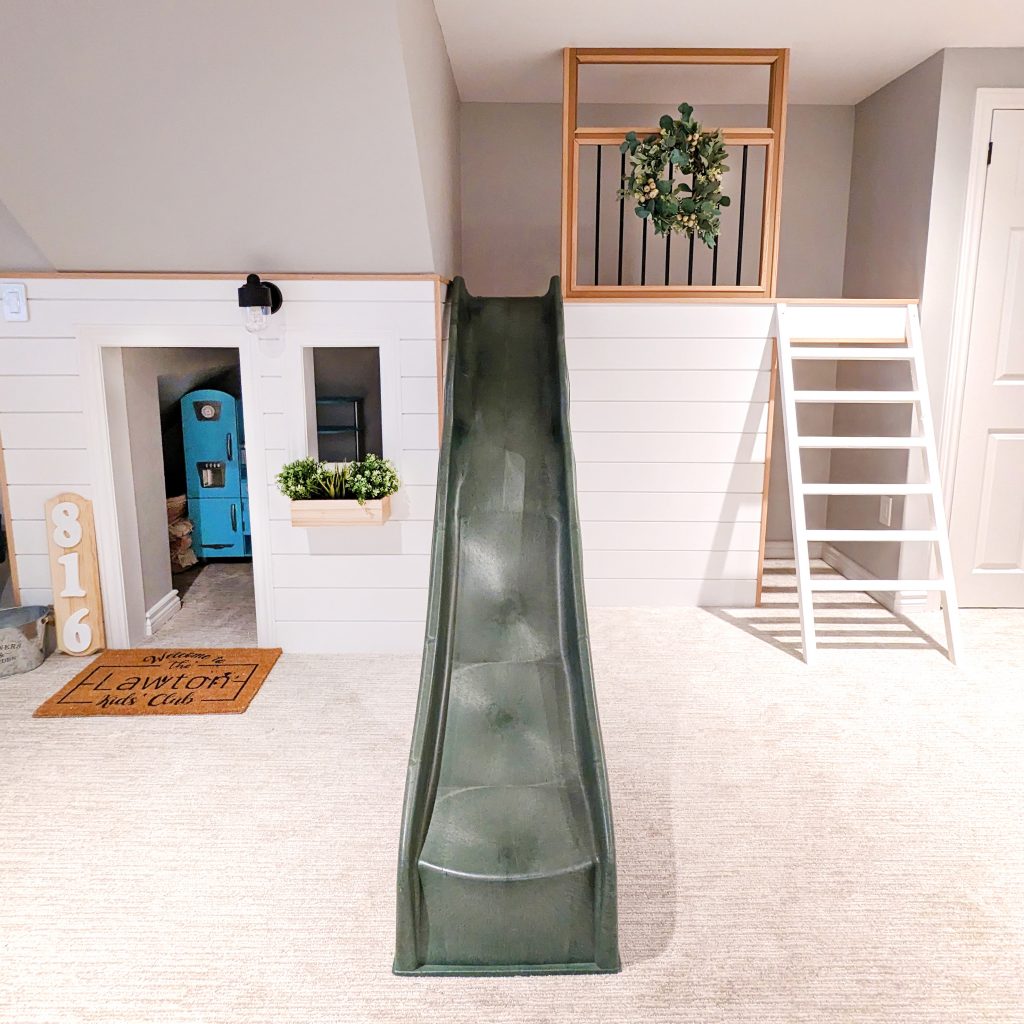
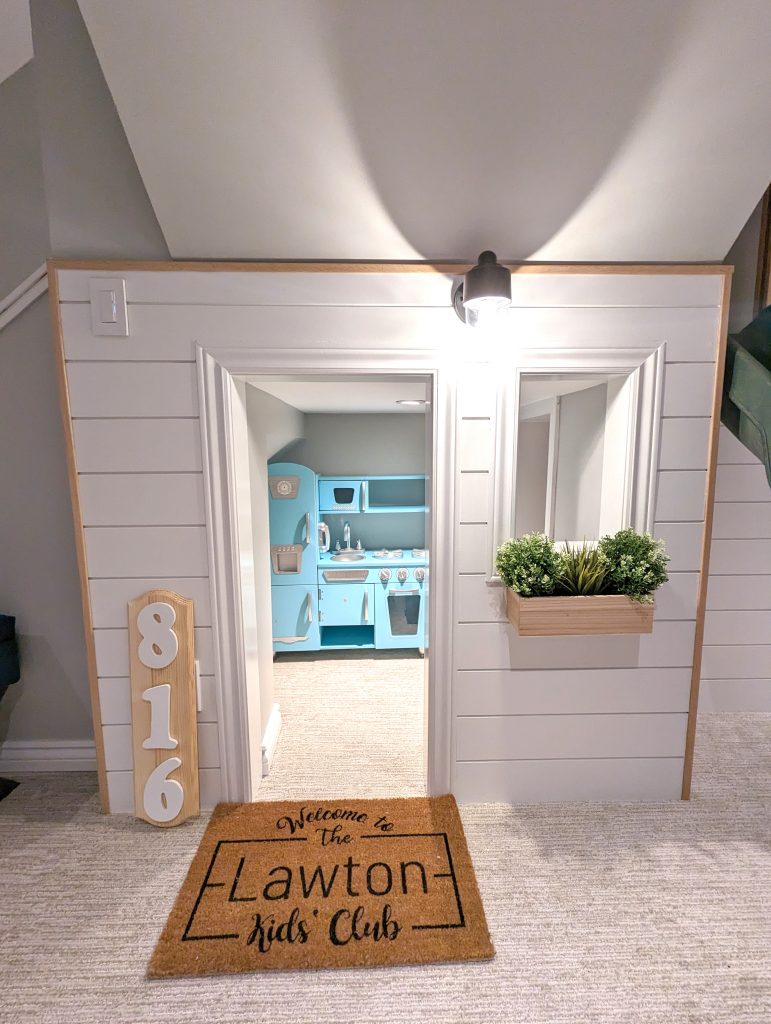
Dominique Rutledge of Rutledge Improvements has transformed underutilized spaces like these into fun and functional spaces. Most recently, Rutledge worked on our Editor, Anneliese Lawton’s basement, turning the empty wasted space under the stairs into a fun playhouse for her three children (all under the age of 6).

“We cut it all open, drywalled, trimmed it out, made an entranceway,” says Rutledge. To make it look like a house, Rutledge added a shiplap to the front of the entrance and a window with a hanging basket to put a pretend garden. A platform at the upper level of the stairs provides a fun, enclosed fort area below, and a ladder allows the kids to use the platform as a lookout.

Rutledge says under the stairs is one of the most common spaces homeowners like to transform for storage solutions, but this is the first time he’s used the area to add functional living space to the basement.

Rutledge Improvements

From a design perspective, Katie Campbell from Katie Campbell Interiors & Design says that her goal is to always maximize space and functionality in a home. Adding, “We hate wasted or unused space. At a recent project, we were redoing the staircase – so we decided to leave it open underneath and create a built-in bench seat. We added a niche in the underside of the stairs to be used for books, a wall sconce above, and a comfortable seat cushion…it became the perfect reading nook for their kids.” When designing new builds, Campbell notes that the elimination of wasted space should be considered during the initial design stages, such as making rooms larger to remove dead corners.

But if you’ve purchased a home that already has awkward spaces, Rutledge has some fun recommendations. He once created a wine cellar under a set of stairs. With six feet of space at the highest point, the wine cellar was tall enough to be a walk-in. “It was custom with glass on the outside, all cedar on the inside, and custom wine bottle holders,” says Rutledge.

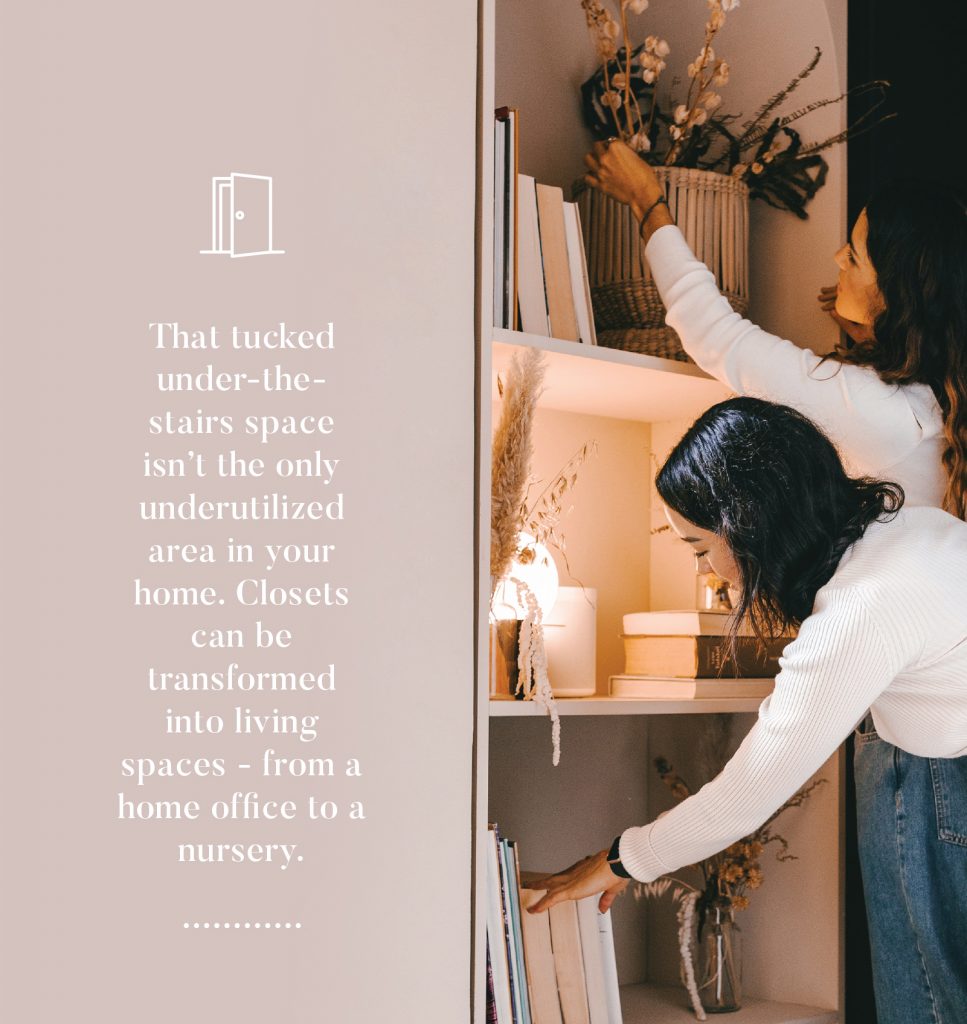
A closet can provide a perfect solution for families who don’t have a spare bedroom to house a nursery. By removing the walls on either side of the door to widen the entryway, you can easily fit a crib. Having the crib within steps of your bed is not only a convenient space-saving solution but means you don’t have far to go for all those late-night wakings.

If you’ve always wanted a home office or crafting space but don’t have a spare room, a closet can provide the ideal workspace. Add a desk and some floating shelves, and some fun wallpaper for an inspirational office. Simple wall-mount Kallax drawers are a great storage solution for supplies that you want to keep hidden away. Rutledge suggests opening up the walls when removing the closet door so your office doesn’t feel closed in and instead becomes a nook, an added extension of the room’s space.

By utilizing tucked-away spaces, you can reclaim square footage into something cozy, functional – and completely unique to your needs.

Local Links

Rutledge Improvements
rutledgeimprovements.ca

Katie Campbell Interiors & Design
katiecampbellinteriors.com

By Lisa Evans

The holiday season is here, and it’s time to dust off that box of festive decor and create a little winter magic inside your home. It’s also a great excuse to go shopping for high-quality, locally-made holiday décor — after all, these pieces often become family heirlooms that bring back memories year after year. So, don’t be a Scrooge — shop local, build your own collection of sentimental pieces and let your home sparkle with holiday joy. Here are some suggestions to help get you started.

Trim your tree

Ornaments can be passed on from generation to generation, so don’t be afraid to invest in a few (or a few dozen) you really love. You may be drawn to classic Santa or snowman pieces, elegant gold and silver accessories, one-of-a-kind crafty ornaments, or quirky bobbles that make you laugh (we’re talking about you, naughty ornaments, and festive pickles). You may want wooden garlands, family-friendly cloth ornaments, religious symbols, or something that complements your home’s colour palette. Anything goes — let yourself explore and find out what you’re drawn to. Your Christmas tree doesn’t necessarily need to look like it belongs on the cover of a magazine — it just has to feel right. We recommend starting at a local shop like The Handmade House (with locations in Burlington and Dundas), Rustic Daisy’s in Waterdown, and The Artisanville, located inside Burlington Centre. They offer a wide selection of unique, handmade ornaments that make perfect gifts for anyone on your list (including yourself).

Magic on the mantle

If you’re lucky enough to have a classic fireplace mantle, make the most of it! And if not, mimic the same look using a console table, the top of an upright piano, or even a floating shelf. Consider using some greenery like garland from Centro Garden in Burlington, along with some candles, festive table top accessories, and olive wood accents. Centro also carries beautiful barware, textiles, and more items that are functional as well as stylish. You can also shop for festive mantle pieces at Lakeside Livin’ in Bronte, which has a great selection of beautiful stockings, adorable gnomes, and elegant ornaments.

Spruce up your glassware

A holiday cocktail tastes even better in gorgeous glassware, and Hue La La — a by-appointment boutique in Burlington — has some excellent choices. Look for beveled, smoked, coloured, or even novelty glassware that brings you joy while impressing any guest. A decanter will look beautiful on your table and make any wine taste just that much better (even if it came from a box). Add some pottery mugs from the Art Gallery of Burlington for those booze-infused evening 

coffees or hot chocolate, and you’ll be ready to let those sleigh bells ring. Hue La La also carries festive napkins, quirky ornaments, gorgeous tabletop decor, and fantastic hostess gifts. Cheers to shopping local, and happy holidays!

Add A Festive Touch to Your Bathroom 

The best play to spread holiday cheer is by sprinkling it everywhere – even in the bathroom, which is really one of the best spaces in your home to make the festive season fun. Lakeside Livin’ carries novelty items like Santa-themed toilet paper, along with the much-loved holiday scent Frasier Fir (available in candles, incense, soaps, and varieties). At Rustic Daisy’s, where everything is made in Canada, you can find winter-scented soaps, holiday candles, and even holiday-themed tea towels to add a special touch. 

While Santa toilet paper may not become a holiday heirloom like a hand-made ornament, it may just become a family tradition. You never know what will be passed down for generations.  

By Erin Pepler

Furnishing your home can be a thrill or a challenge, depending on how much you enjoy interior design — and in some cases, it’s a bit of both. Choosing large items, accent pieces, art, and textiles that complement each other can be intimidating, and getting everything on your list comes at a price. You want decor that reflects your style and adds function to your home, but you don’t want to break the bank — so where do you start?

Anderson’s Interiors

A home is a home

While some people feel like they should wait until they’re in their “forever home” to invest in beautiful, high-quality pieces, there is no better time than the present. “Your home is an extension of your personality and should reflect a life of thoughtful purpose,” says Anderson’s Interiors in Burlington. 

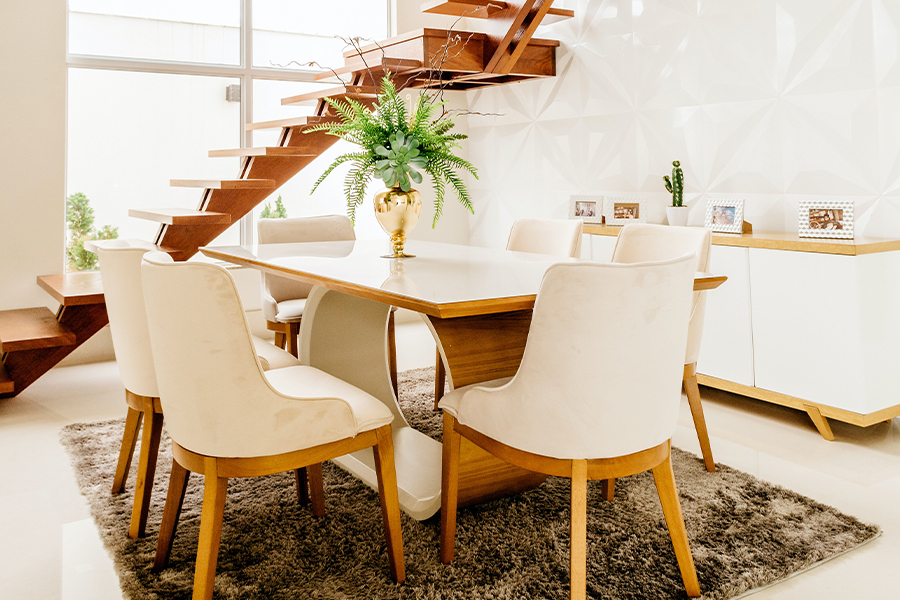
Whether you’re renting or hoping to relocate, Robinson notes divisibility is key. “You want furniture that is easy to move and fits in different-sized homes.” So, avoid a massive sectional but say yes to that solid wood dining table that extends with a leaf.

Focus on building a collection of timeless, quality pieces that you love — rugs, art, chairs, or a smaller sofa — these can be incorporated into different spaces over time. Joshua Creek Furniture and Swiss Interiors, both in Oakville, have large showrooms featuring everything from furniture to décor pieces, and they even offer custom-made furniture (which can be perfect for furnishing awkward spaces).   

If purchasing something new isn’t an option, Fairhome Interiors in Burlington also carries a large selection of beautiful fabrics and has an upholstery room on-site. Upcycle an older sofa with high-quality new fabric to rejuvenate a space.  

Joshua Creek Furniture

What should I invest in?

Everyone’s lifestyle is different. Katie Campbell of Katie Campbell Interiors & Design can direct you where to start. Katie says, “The best approach to creating a home that tells your story and reflects your values is through a collaborative process.” As a certified and storied interior decorator, Katie offers a full range of services required to design and implement your unique vision while removing the stress that can arise with inexperience, including design consultation, space planning, and custom designs. 

Emma Robinson of ER Designs Inc recommends investing in a great sofa, a high-quality dining table, and the often-neglected bedroom. “Adding a beautiful headboard and bedframe will give your bedroom a focal point and help achieve that “finished” look,” says Robinson.  Anderson’s Interiors, Joshua Creek Furniture and Swiss Interiors are all great places to start. They carry beautiful selections of Canadian-made upholstered and solid wood bedroom sets (including dressers, nightstands, and chests if you’re looking for a finished look). Home Sweet Linens, a family-owned shop in Oakville, carries luxuriously soft bedding and throw pillows to tie it all together. 

Where can I save money?

“It’s easy to get away with inexpensive items,” Robinson shares. “What makes a home unique is when you incorporate some of those inexpensive items with more expensive ones.” She suggests investing in anything that’s a focal point, whether it’s a piece of furniture or an amazing painting, but those filler pieces throughout a home can be more affordable. “There are a lot of great looking, quality items that are duplicates of expensive pieces,” she says. A great rule of thumb is to invest money in pieces you only need one of (a table, your bed, a large piece of art for over the couch) and spend less on things you buy in larger quantities (tabletop decor, accent pieces, etc.). 

Lakeside Livin’

We love Pure Boutique, Campbell & Co., Centro Garden, Lakeside Livin’ Home Décor, and Homebody for timeless (and seasonal) décor pieces (think beautiful candles, vases, table accents, and more). Each shop has its own vibe and personality, just like your home! 

And when you get that high-low balance just right? Perfection! 

By Erin Pepler

Local Links

Campbell & Co.
campbellcohome.com 

Joshua Creek Furniture
joshuacreekfurniture.com

Swiss Interiors
swissinteriors.com

Pure Boutique
pureboutique.ca

Anderson’s Home Interiors
andersonsinteriors.ca

Fairhome
fairhome.ca

Home Sweet Linens
homesweetlinens.com

Centro Garden
centrogarden.com

Lakeside Livin’ Home Décor
lakesidelivin.com 

Homebody
homebodystudio.ca

Emma Robinson Design
erdesignsinc.ca

Anderson’s Interiors