
Category

Local History

Category

You’d think that working at a museum might be a quiet, low-key job, but Carolyn Cross, Supervisor at the Oakville Museum, gets to delve into long buried mysteries. Occasionally she even receives a thrilling surprise — like the time Joe Johnson hand delivered precious artifacts to her.

“He said the Smithsonian offered him a substantial amount of money for [his grandfather’s] Freedom Papers,” Cross told Look Local, “but he wanted to donate them to the Oakville Museum and have them reside and be preserved where his ancestors found their freedom and laid down their roots.”

In honour of Black History Month, here’s the story of how Branson Johnson and other freedom seekers escaped slavery and made Oakville their permanent home:

In the mid-1800s, Oakville’s harbour at the mouth of Sixteen Mile Creek was a gateway with an extraordinary role. Established in 1827 and made a legal Port of Entry in 1834, Oakville was linked to American ports that were also key stops on the Underground Railroad. This “railroad” was not made of tracks and trains, but of secret routes, safe houses and brave people, Black and White, who helped enslaved African Americans escape north to freedom.
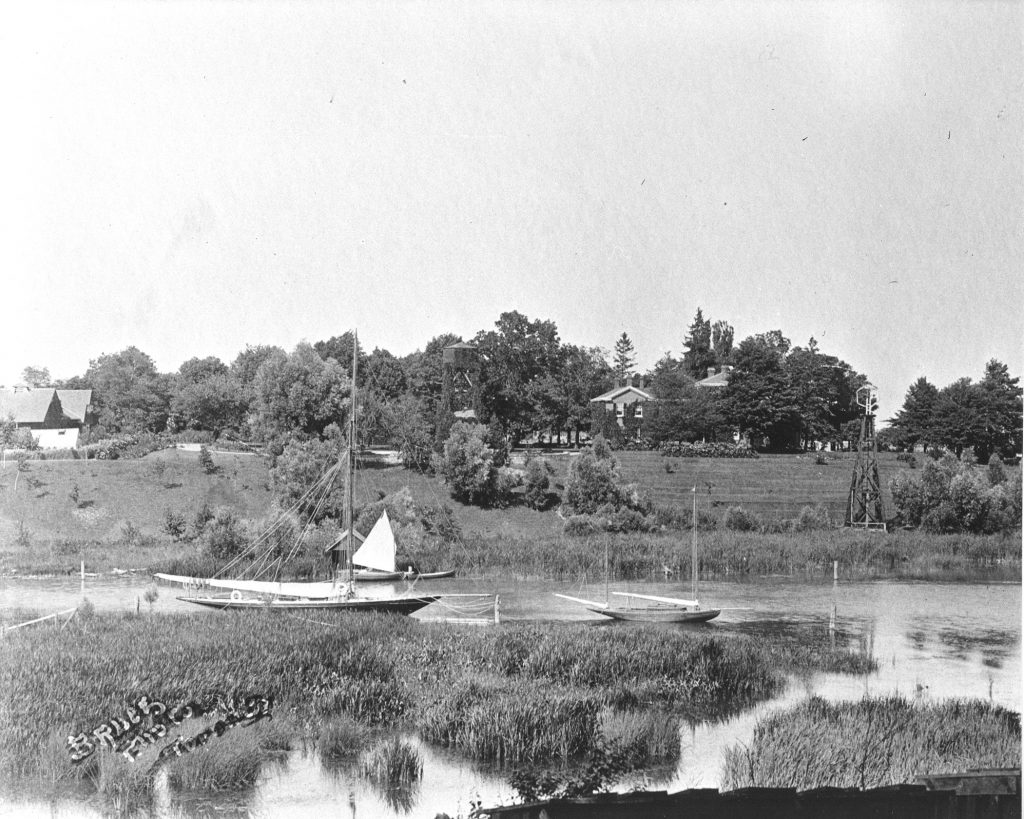
Freedom seekers crossed Lake Ontario in the holds of grain and lumber schooners captained by abolitionists willing to risk their ships, their livelihoods and sometimes their lives. Others were hidden by Black sailors and dockworkers on Great Lakes steamers or stowed away among cargo. They arrived at a harbour that served both as a stopping place and, for some, a new beginning.

Many who reached Oakville continued on to larger Black communities in Hamilton, Toronto and southwestern Ontario. Others chose to stay and establish roots in Oakville, Bronte, Trafalgar Township and the surrounding countryside. They cleared land, built farms, opened small businesses, and founded churches that became the heart of community life.

When Oliver Parker Johnson passed a family heirloom pocket watch onto his son, Joseph, little did he know the secret it contained. 

“As I scrubbed the back, the watch fell open and the (freedom) papers fell out.” – Joe Johnson, 2008.

Life here, however, was not without barriers. Black residents faced limited job opportunities, social exclusion and racism. Many worked as labourers, domestics or in physically demanding industrial jobs. Yet they also sent their children to local public schools that – unusually for the time – were not formally segregated. They served in the militia, joined town bands and sports teams, and helped shape the Oakville we know today. Their experiences remind us that Oakville was both a place of refuge and a place where the struggle for equality continued long after the journey north was over.

Meet Branson Johnson
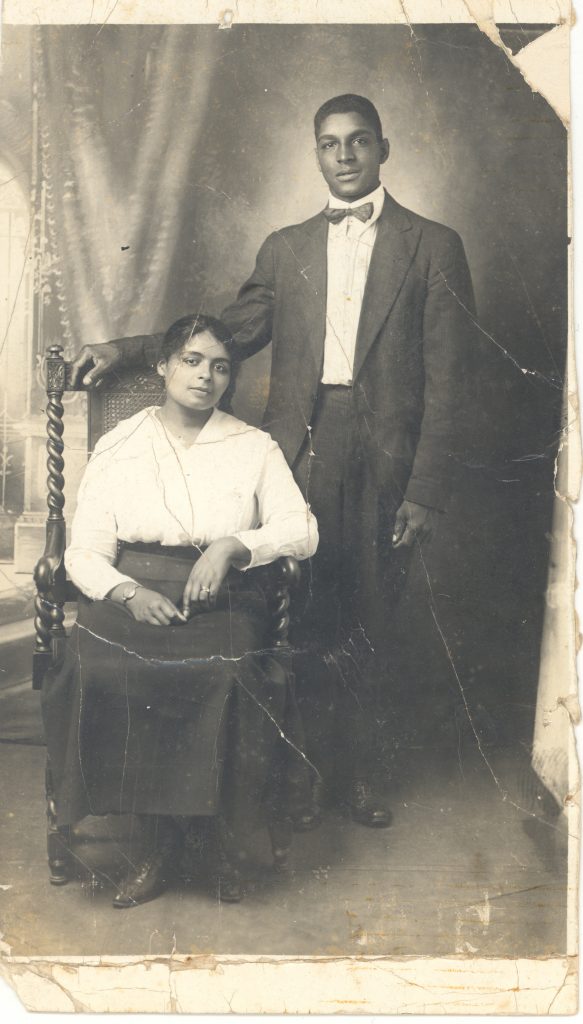
One powerful thread in this story belongs to the Johnson family. Branson Johnson was an African American from Maryland who obtained his Certificate of Freedom in 1855, a crucial legal document in a time when Black people in the United States were required to carry “freedom papers” to avoid being seized as runaway slaves. Branson carried that precious parchment hidden inside a pocket watch as he travelled to Canada. In the 1860s he settled in Oakville, where he and his wife, Amanda Shipley, raised a large family and became pillars of local Black life.

The certificate and the very watch that protected it for so many years are preserved at the Oakville Museum. They are more than historical curiosities; they are tangible proof of a family’s determination to safeguard its freedom, and a rare window into the lived realities behind the broader story of the Underground Railroad. Generations of Black Oakvillians followed in these footsteps, working, worshipping, raising families, building businesses and contributing to public life. Their achievements helped shape Oakville’s economy, culture and character and continue to influence the town we know today.
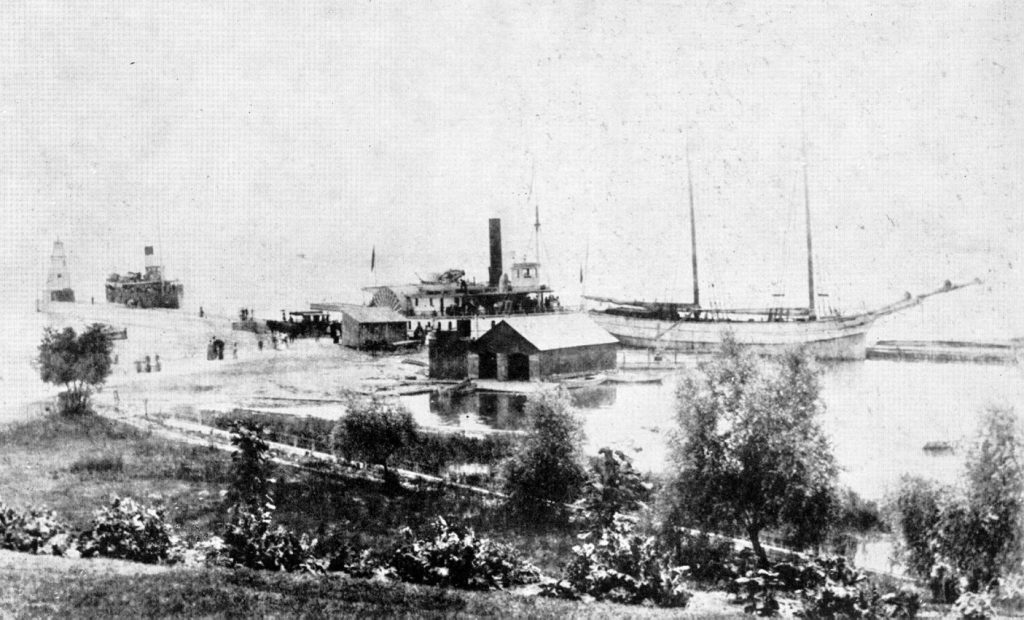
Whether during Black History Month or any time of the year, taking the time to engage with this history is a meaningful way to honour those who sought freedom here, and to ensure their courage, resilience and achievements remain part of Oakville’s shared story for generations to come.

Carolyn Cross is Supervisor at the Oakville Museum

By Carolyn Cross               
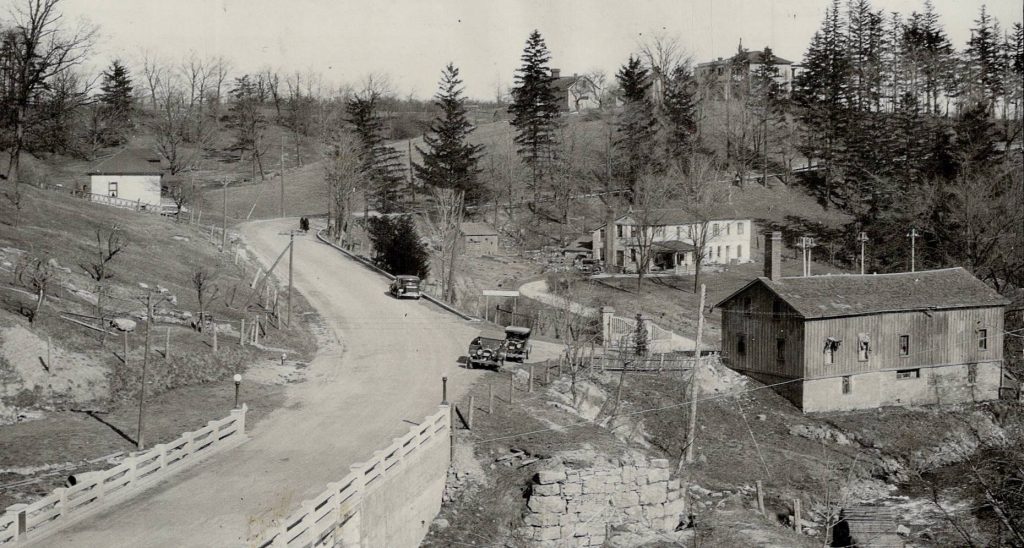
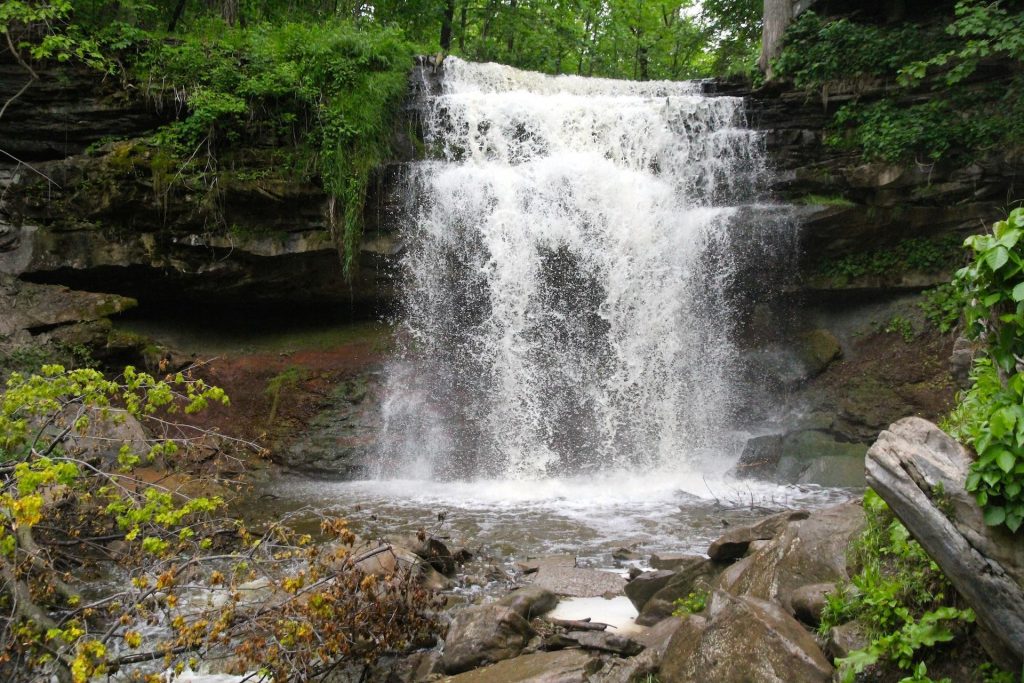
Waterdown Village boasts a section of the Bruce Trail that hikers and birders adore. A hilly path, surrounded by stately trees, eventually levels off along Grindstone Creek in a deep gully known as Smokey Hollow. The view of the creek grows increasingly spectacular — from stones to rocks to boulders — culminating in the 33-foot, ribbon-like cascade known as Great Falls.

Smokey Hollow is almost impossible to imagine as being enveloped in steam, sawdust and chimney smoke, but that’s how it got its name. Thanks to the powerful resource of water tumbling down the Niagara escarpment, the aptly named Waterdown Village was born of industry.

WATER AND WEALTH

Pioneer communities relied on lumber and grist mills, so entrepreneurs were drawn to Grindstone Creek in the 1800s. Alexander Brown, an early settler, harnessed the power of the Great Falls by building the area’s first sawmill. A hamlet grew around the area after brothers Ebenezer and Absalom Griffin built flour and grist mills, a general store, and a hotel.

The long, narrow gully soon bustled with industry. Mills ground flour, sawed timber, and even produced woollen goods. Soon to follow were tanning pits, basket makers, and a brass foundry. One particularly impressive structure was the Torrid Zone Flour Mill, built in the 1860s by Sir William Pierce Howland, a future Father of Confederation. His mill delivered raw grain from the top of the escarpment and, ingeniously, used gravity to transport finished flour to the bottom. Over 170 barrels of flour a day travelled from Waterdown to markets in Montreal and Europe.

A VICTORY FOR NATURE

Hamilton Waterfalls

Smokey Hollow was the site of ruin for seventy years. Locals used it as a dump. Weeds and brambles took over former mill sites until the 1990s, when a quiet revival began. Seeing the potential for public parkland — and a green space worth protecting — local volunteers started clearing trails, installing signs, and building a viewing platform over the Great Falls. This labour of love would become a remarkable portion of the Bruce Trail.

In a forest once clamorous with grinding millstones, whirring gears and screeching saw blades, visitors will have an entirely different experience today. Smokey Hollow is a majestic, pine-scented oasis where the only sounds are of birds, chipmunks, and the babbling creek and majestic waterfall that have reclaimed their home.

Special thanks to Waterdown Mill Street Heritage and the Flamborough Historical Society.

UP IN SMOKE

Great Falls

The deforestation that was happening all over Ontario, together with the draining of marshes, caused a decrease in Grindstone Creek’s power. Many industrial establishments shifted to steam technology powered by scrap wood. These changes brought a host of occupational hazards. Flash fires frequently destroyed the wooden mills. The Torrid Zone Mill burned in 1885, was rebuilt, and burned again in 1910, never to recover. Steam engines were prone to often fatal boiler  explosions. Meanwhile, air quality at the southern end of the village was poor, due to the cloud of smog hanging over the gully.

All mills at Grindstone Creek had ceased production by 1912, the year when the Canadian Pacific Railway arrived. While railways caused some Canadian towns to thrive, in this case the changes overwhelmed Waterdown’s industrial hub. Dams were dismantled, the creek was rerouted for agricultural purposes, and the last physical reminders of Smokey Hollow’s industrial heyday began to vanish. The short-lived railway station, closed by the 1960s, burned down in 1966.

BY MICHELLE MORRA

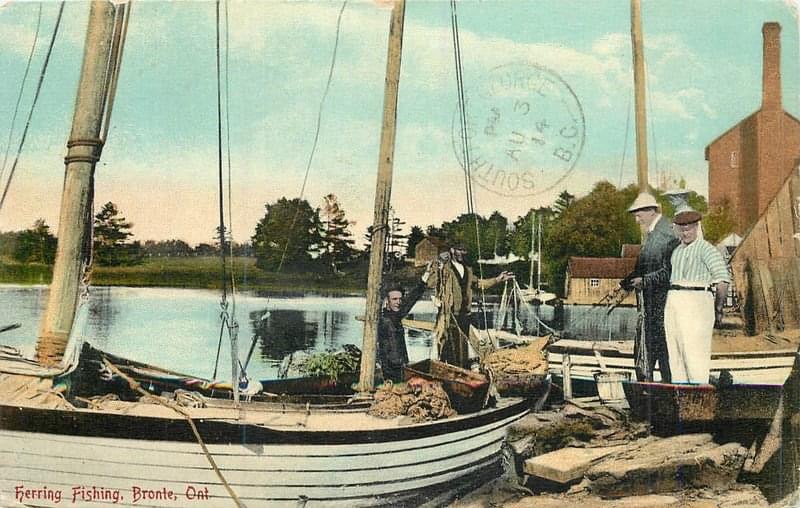
As you stroll around Bronte enjoying one-of-a-kind shopping, fine dining and waterfront events, you may be unaware of the fascinating history of this former
commercial fishing port. But if you close your eyes and inhale the air flowing off Lake Ontario, it’s easy to visualize Bronte’s early days, when the harbour was newly completed and shipbuilding and fishing industries were vital to the villagers’ survival.

THRIVING PORT

The first people to discover the importance of the area’s waterway, where Twelve Mile Creek (Bronte Creek) meets Lake Ontario, were the Mississaugas of the Credit First Nation who used the waterway for transportation, hunting, and fishing.

European settlement began in the 1800s, and when the village of Bronte was founded in 1834, it boasted a population of 200. As Maryanne Mason, a historian at the Bronte Historical Society (BHS), is quick to point out, “It is not named for those sisters!” Currently celebrating its 191st year, Bronte was named for British Naval hero Horatio Nelson, who was given the title Duke of Bronte by King Ferdinand of the Two Sicilies. Bronte’s first settlers, many of whom were United Empire Loyalists, were quick to show their loyalty to the crown by choosing this name.

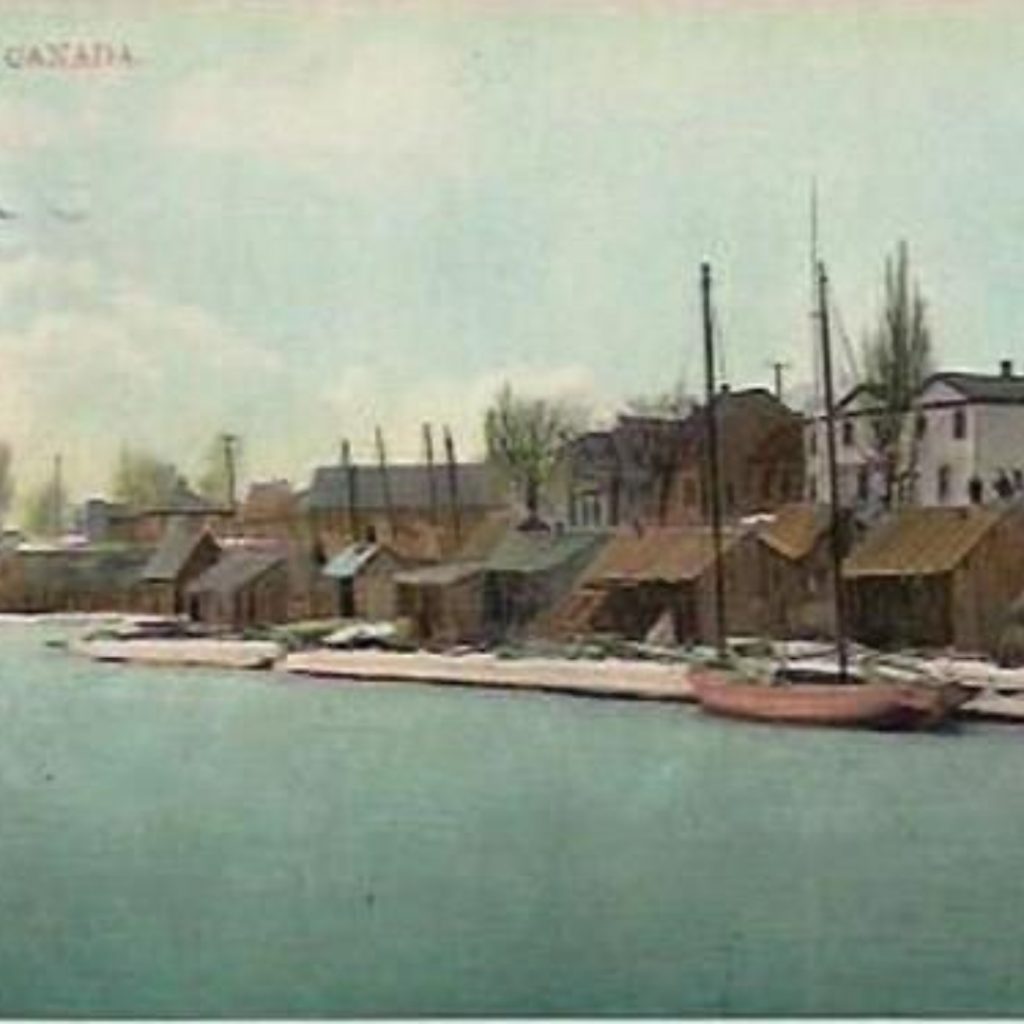
After the development of Bronte Harbour, completed in 1856, the village evolved into a busy Lake Ontario port known for ship building, fishing, grain processing, and the stonehooking industry (hooking flat shale slabs from shallow water to be used in construction).

SAFE REFUGE

An important figure in Bronte’s history is Samuel Adams, an inventor who is thought to have aided American slaves seeking freedom along the Underground Railroad. “He was a free black man who came up from the Baltimore area in 1851,” Mason says. “He brought $800 in gold to Bronte and established a blacksmith shop. He also developed the stonehooking rake.”

Adams was one of Bronte’s major landowners, with 13 different properties, and might have hidden people who were escaping slavery. “The Fugitive Slave Act of 1850 allowed slave owners and bounty hunters to come up into Canada to take back slaves,” Mason says. “It was very important to house and protect them.”

Some black settlers lived in cabins on Twelve Mile Creek, and today we can find the Duncan MacDonald/Harry Hartlands House which is representative of those types of homes. It takes searching to find the home, but you can find it on Ontario Street, behind Bronte’s first Post Office (circa 1870) and near the Glendella Cottage (which was originally Thompson Hotel, a stagecoach stop)

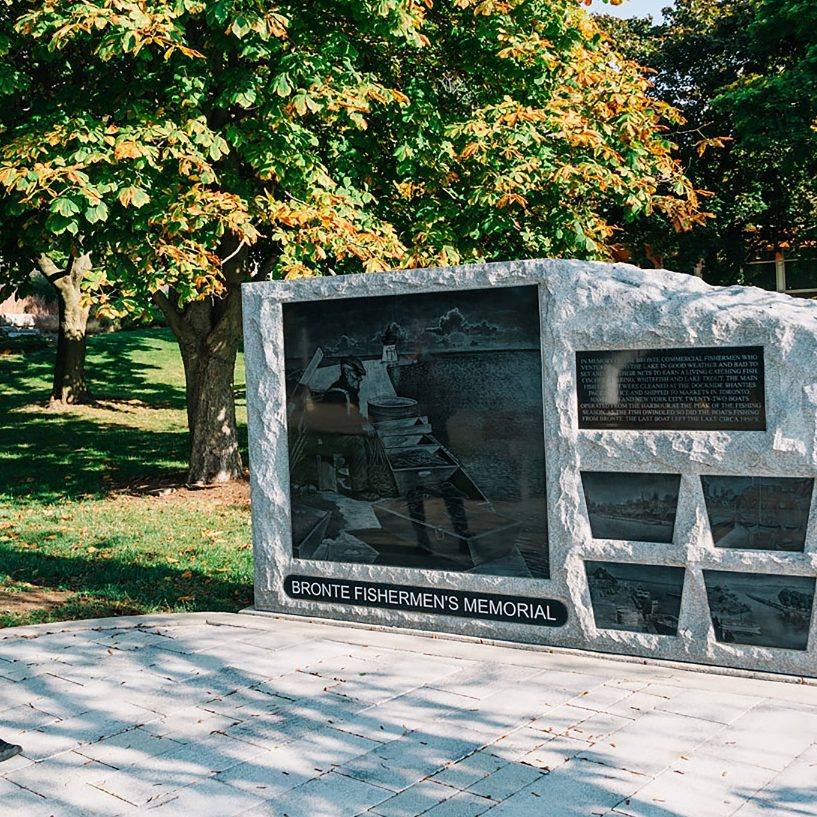
A tribute to Bronte’s past is the Bronte Commercial Fishermen’s Memorial, located at Fisherman’s Wharf Park, at the foot of Bronte Road. Unveiled in 2007, the
memorial pays tribute to people who made a living — and some who lost their lives — on Lake Ontario.

RICH IN CULTURE AND INDUSTRY

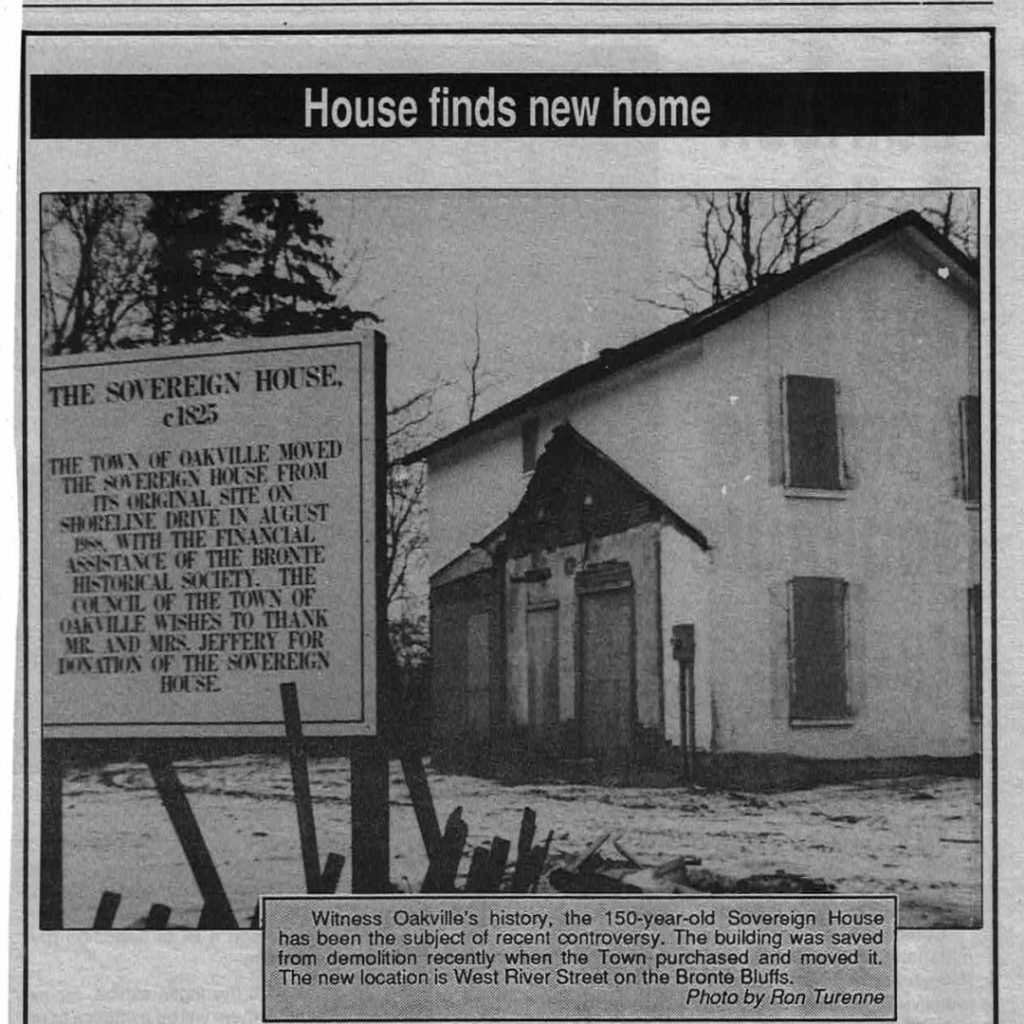
With a village so rich in history it’s vital to have a focal point to discover more. The Sovereign House/Mazo de la Roche Display Centre, which has housed the BHS since 1996, is a 200-year- old farmhouse where Bronte’s first school teacher, Charles Sovereign lived from 1825 to 1846, Sovereign also served as Secretary for the Bronte Harbour Company, which was instrumental in dredging the creek and creating Bronte’s new harbour, enabling the village to become an important fishing port for close to 90 years.

Sovereign House has also been home to Mazo de la Roche, who wrote the popular Whiteoaks of Jalna series of 16 novels in the late 1920s. Today the display centre is operated by BHS volunteers from May to October, featuring rooms of memorabilia, photographs and artifacts (including a collection of first edition Jalna books, to the delight of de la Roche fans).

Now that you’ve had a taste of the fascinating history of Bronte, contacting the Bronte Historical Society should be the next step on your journey to becoming a present day explorer in your own town!

The Sovereign House today.

Local history buffs should check out…

Bronte Historical Society
brontehistoricalsociety.ca
brontehistoricalsociety@bellnet.ca
To consult with the historian,
email: historian@brontehistoricalsociety.ca

Bronte Cemetery
BRONTE VILLAGE

Bronte Post Office
2411 ONTARIO STREET

The Sovereign/ Mazo de la Roche Display Centre,
7 WEST RIVER STREET, BRONTE
Sovereign House is open to the Public:
From May 23rd to October 25th:
Saturday Sunday and Wednesday
1:00 – 4:00, and some statutory holidays

Bronte Commercial
Fishermen’s Memorial
FISHERMAN’S WHARF PARK

Glendella Cottage
(originally Thompson Hotel)
2411 ONTARIO STREET

Bronte Cenotaph
BRONTE GORE PARK
2457 LAKESHORE ROAD WEST

Cenotaph at Chris Vokes
Memorial Park
2500 Lakeshore Road West

Canadian Caribbean
Association of Halton
2302 BRIDGE ROAD
ccah.ca

BY CYNDI INGLE

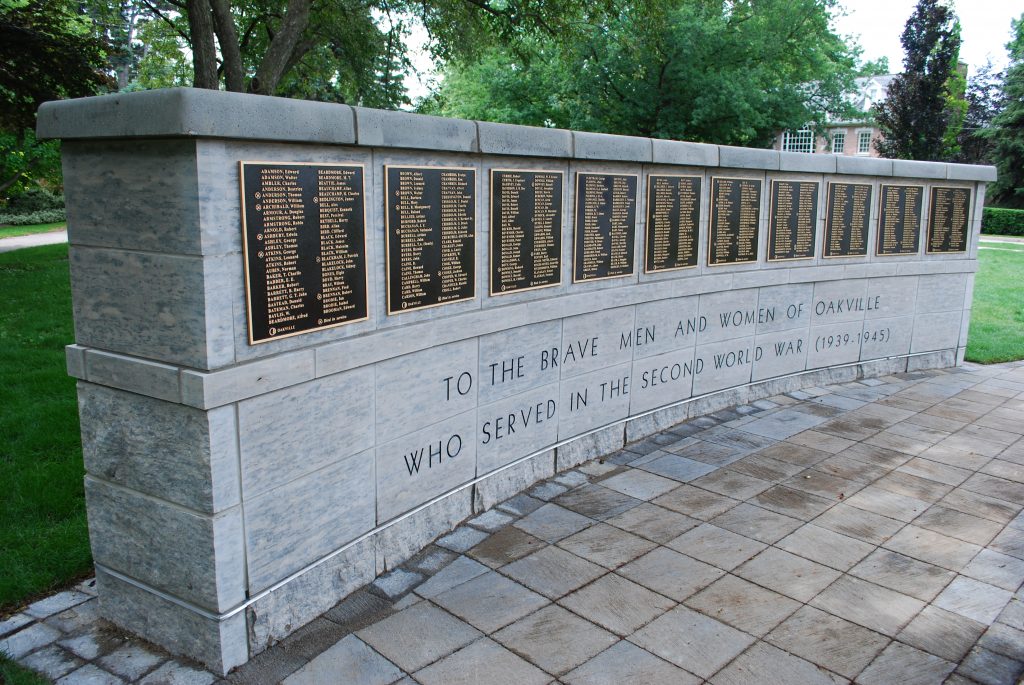
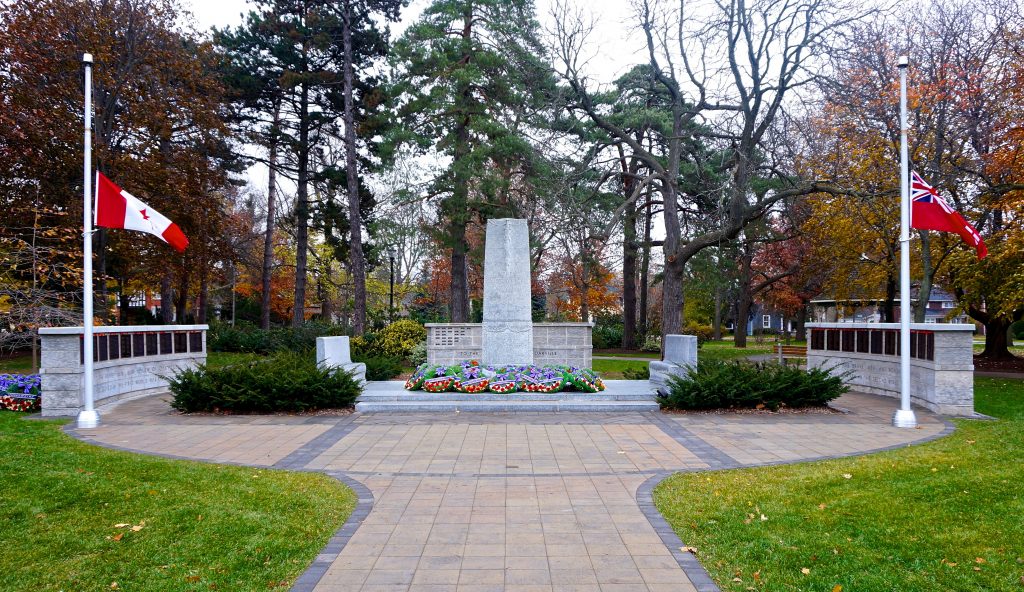
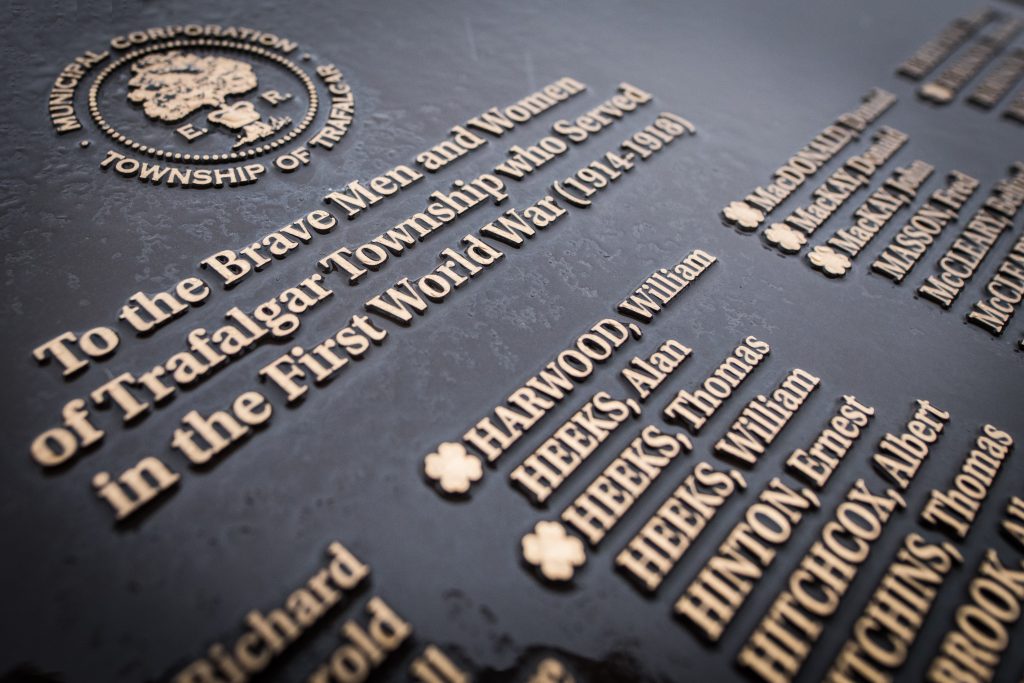
This Remembrance Day we will gather to reflect on the human cost suffered during Canada’s military conflicts. We will gather at locations across Halton Region, including at George’s Square Veterans’ Wall, the Trafalgar Memorial, or Bronte’s Memorial Park cenotaph in Oakville. In those places of honour we will see the names of local men and women who fought and died in these conflicts. 

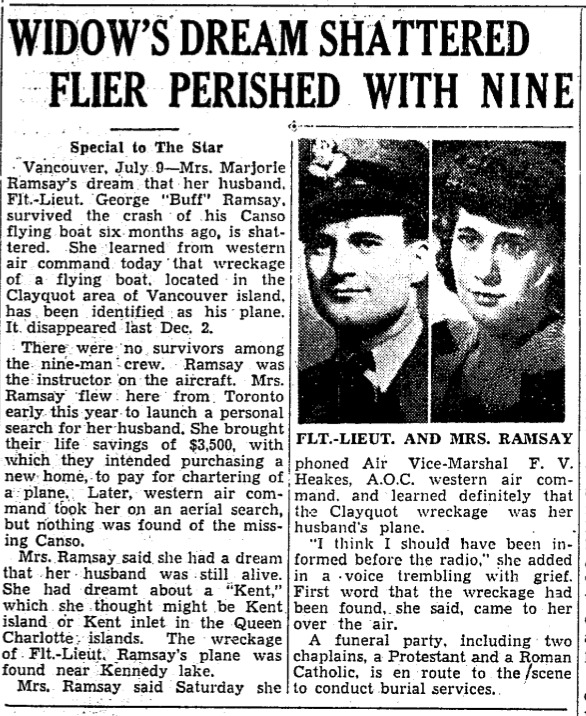
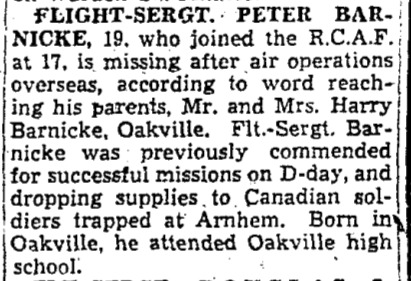
The number of names can make it difficult to contemplate the very real lives that were lived by those listed, but each name represents a person who laughed, cried and was loved. And some who were tragically lost far too early. Perhaps by sharing their stories, we can strengthen and renew the humanity of the people behind the names. Two such stories are those of George Ramsay and Peter Barnicke, whose names are listed on George’s Square Veterans’ Wall and the Trafalgar Memorial, respectively. 

George Ramsay

George Ramsay was born in 1914. He attended Oakville High School and worked at the Oakville Basket Factory. He eventually married his sweetheart, Marjorie. Early in the Second World War he enlisted into the Royal Canadian Air Force (RCAF), serving four years. In 1944, George’s plane disappeared during a training exercise in British Columbia. Despite weeks of fruitless searches, Marjorie remained convinced that he was alive and spent the couple’s entire savings to continue looking. She’s quoted in the Toronto Star as saying “the money is no good without him. I only wish I had more. . .” George’s aircraft was finally found, months later, but with no survivors. Afterwards, a heartbroken Marjorie re-settled in the United States. 

Peter Barnicke

Peter Barnicke was born in Oakville and before enlisting with the RCAF in 1943 at just 17 years of age, he worked at Sheridan Nurseries and loved playing hockey with friends. During the War, Peter earned several medals of valour and was eventually assigned to Tempsford Air Base in England, secretly flying supplies and agents into Nazi-occupied Europe. He was on one of these operations when his plane disappeared in November 1944. Due to the clandestine nature of his missions, it took more than a year before Peter was even listed as missing and more than seven years before his grieved parents received a letter confirming that their son was forever lost somewhere in the North Sea. 

NAMES 

The names are here, if you look around, In this and every other town. Engraved on brass and carved in stone, Too oft we pass and leave them ‘lone’.

In Oakville, let’s be more aware Of the listed names in George’s Square. Of the sacrifice they represent, That we may live in blithe content.

Yet, all too often we complain, As our fortunes wax and wane, Sometimes each other to berate That we, are not more fortunate.

If, in such times we’d keep in mind That life, for us, has been most kind. For these, their names on tablets found, Would gladly share our daily round.

So look and see, they’re not just names Scribed here ‘neath stained glass windowpanes. Each was a life, too soon to yield, For a plain white cross in a foreign field.

So, as we live let us remember, And not just now in grey November. Though life may call on us to give, They gave their all, that we, may live. 

WRITTEN BY OAKVILLE RESIDENT,
BOB OLOMAN (1932-2011)
FOR REMEMBRANCE DAY 2003 

These are just two stories that detail the sacrifices made by Oakville residents. There are hundreds of others, and all merit acknowledgement. For those interested in learning more, additional stories are shared in Pathway to the Stars, an exhibition commemorating the RCAF’s Centennial. It will be on display at the Oakville Museum, located at 8 Navy Street, until March 2025. Co-curated with local historians Michael Johnson and Terry Murphy, the exhibition centres on the contributions of locals, like George and Peter. 

Lest we forget the people behind the names. 

By: Chris Selman
Chris Selman is the Curator & Collections Coordinator, Oakville Museum 

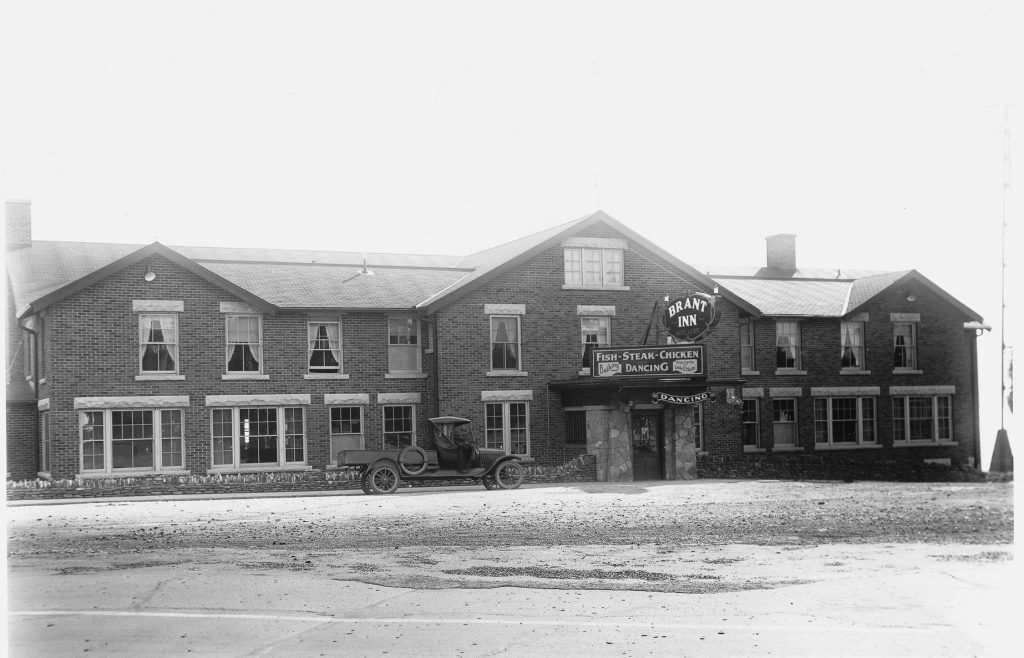
If you’ve ever strolled along Burlington’s scenic waterfront, you’ve likely admired the view of Lake Ontario. But did you know that this peaceful promenade was once the site of an internationally renowned hotspot? Yes, right there on the grounds of Spencer Smith Park, where families now play and geese gather, the Brant Inn once stood—a glamorous beacon of entertainment that attracted some of the biggest stars of the 20th century…

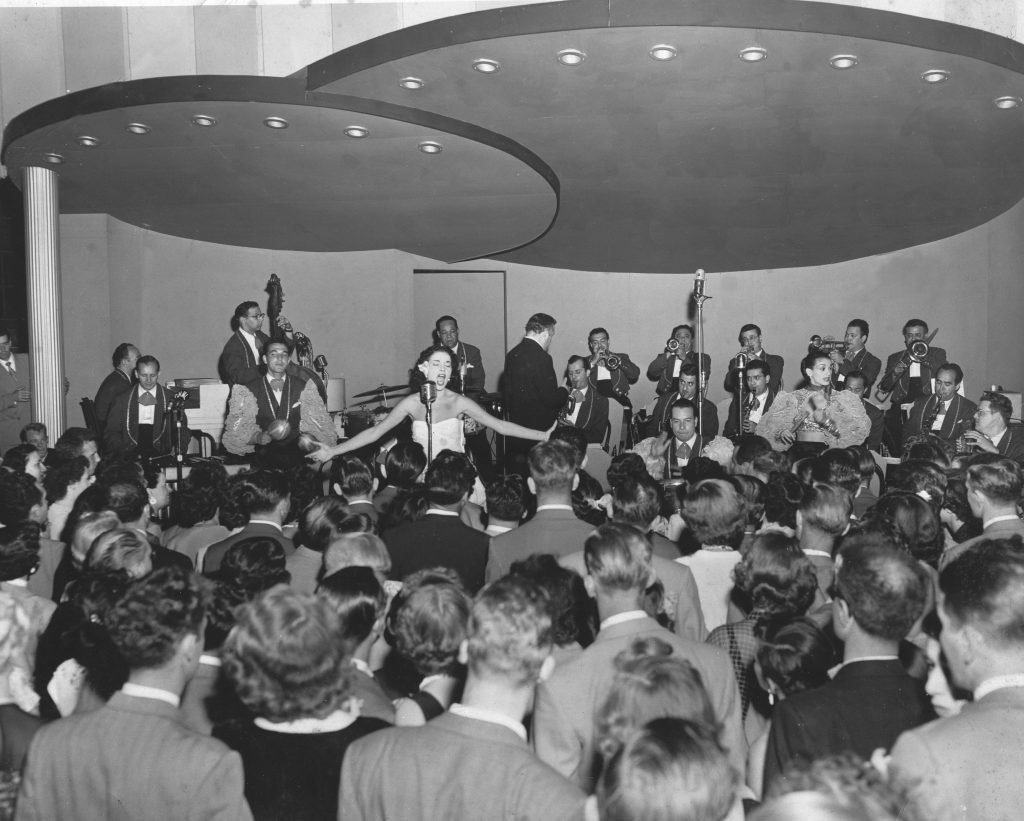
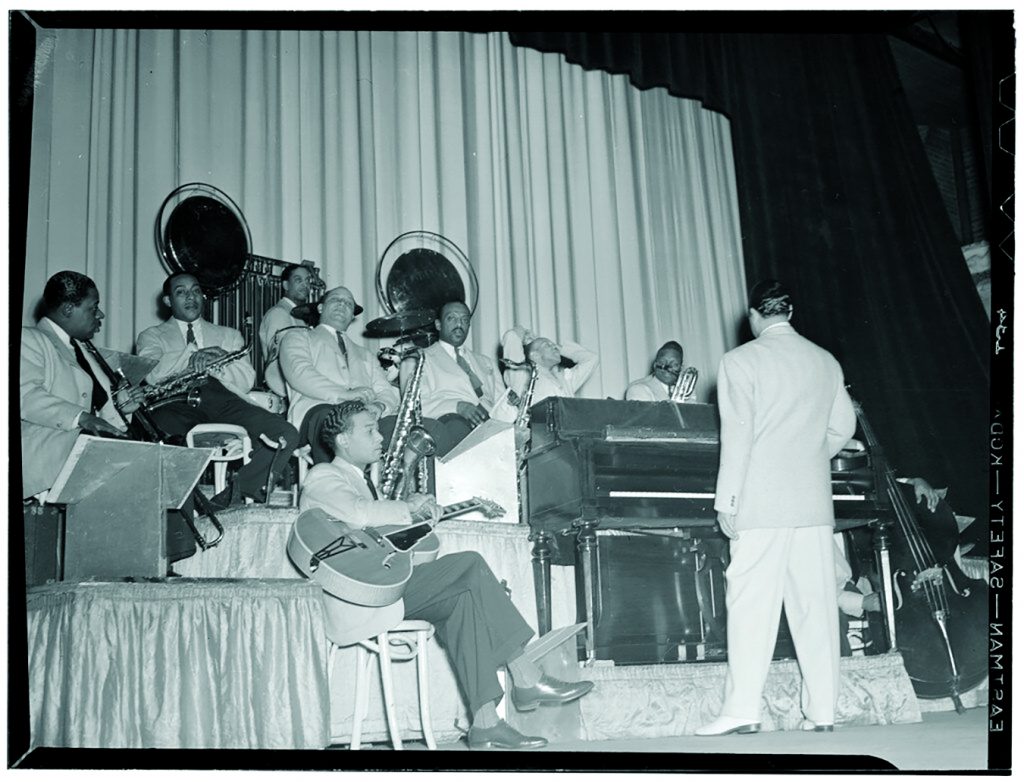
For over thirty years, from the 1930s to the 1960s, the Brant Inn was the place to be. North America’s top entertainers performed in an elegant venue that could accommodate over a thousand guests. The music was so captivating that it was broadcast on radio stations across Canada and the United States, allowing listeners from coast to coast to share in the magic.

The Brant Inn, 1900-1925

“The Brant Inn transformed many times since its inception as a Country Club at the original Brant Hotel,” explains Lynna Nguyen, Acting Curator of the Museums of Burlington. “It solidified itself as Ontario’s entertainment capital during its heyday, boasting an impressive venue that was as grand as its performers.”

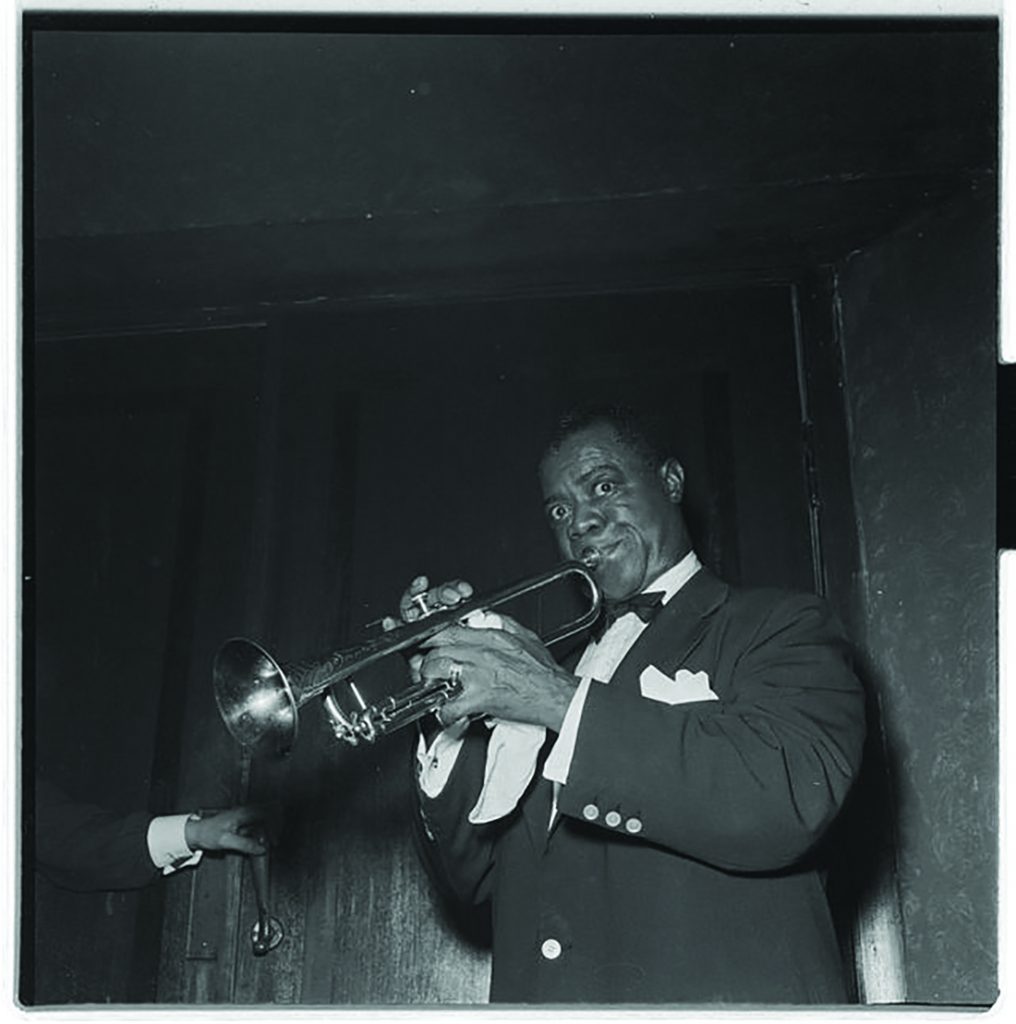
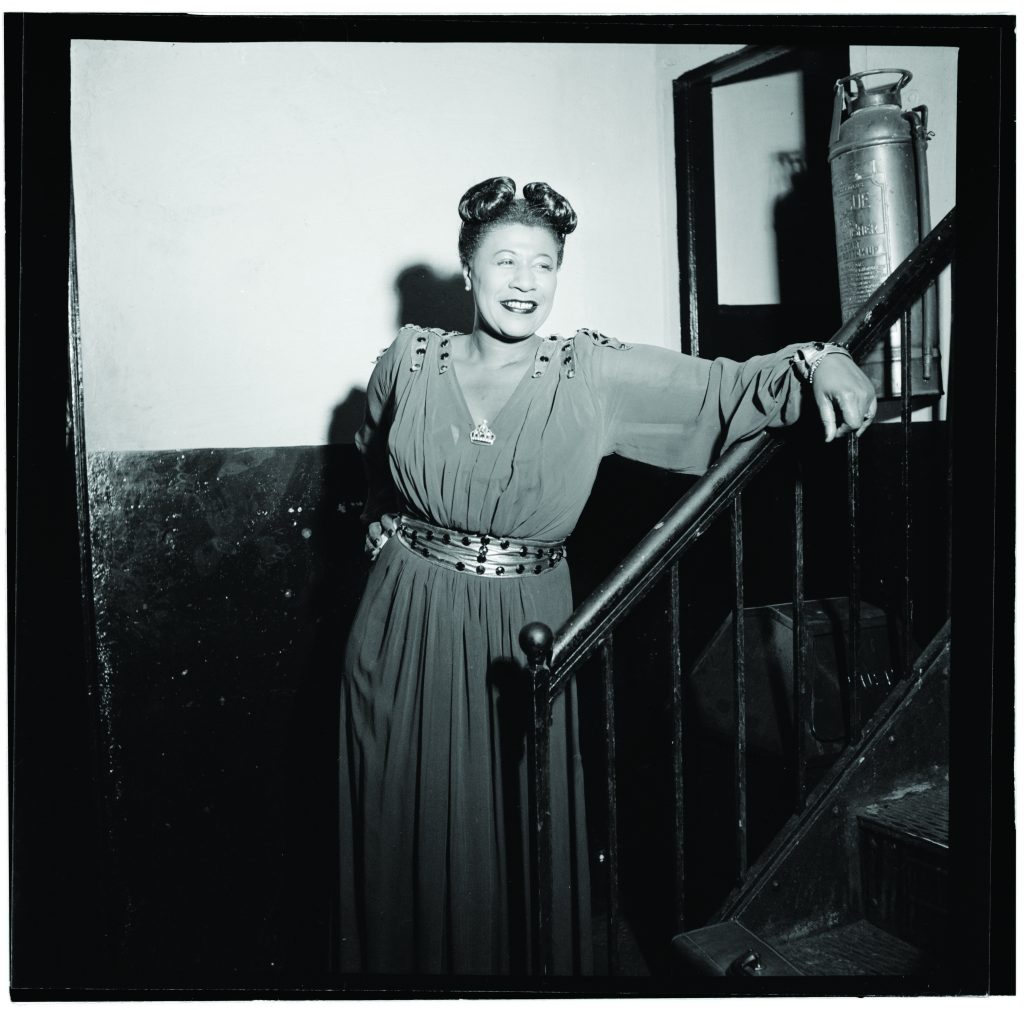
The Brant Inn’s stage saw the likes of Ella Fitzgerald, Louis Armstrong, Lawrence Welk, Johnny Mathis, Duke Ellington, Lena Horne, The Ink Spots, and Liberace, just to name a few. The crowds they drew were enormous—so much so that when Benny Goodman’s band played, the police had to step in to manage the traffic jams.

The Inn’s rise to fame was largely due to John Murray Anderson, a visionary in the entertainment world. His innovative ideas transformed the Brant Inn into a cultural hub. The venue even hosted the Miss Canada pageant for several years, drawing even more attention to this already popular spot.

Louis Armstrong
During the Heyday of the Brant Inn, Burlington positively glittered with stars.

Not even Hollywood could resist the charm of the Brant Inn. In 1952, while filming in Niagara Falls, Marilyn Monroe arrived in Burlington on Anderson’s yacht. Imagine her mingling with glamorous stars like Jayne Mansfield as a ship’s bell rang out to the song “Anchors Aweigh,” kicking off another night at the nautically themed inn.

But it wasn’t all glitz and glamour. Some of those who worked at the Brant Inn have tales of a ghostly figure appearing on the stairs adding adding a touch of the eerie to this place.

End of an era

Ella Fitzgerald

In the late sixties, as rock and roll gained popularity over traditional big band music, the Inn’s appeal began to fade. The Brant Inn closed its doors in 1968 and was demolished a year later, with its contents auctioned off as cherished mementos.

The Brant Inn may be gone, but its story is far from forgotten. A visit to the Joseph Brant Museum will give you a glimpse into its glamorous past.

Just this past June, folks gathered to pay tribute to the iconic landmark. At the Marquis Gardens at the Waterfront Hotel, an evening of dining, dancing, and swing music brought back the spirit of the Brant Inn, raising funds for the Museums of Burlington. The event, aptly named “An Evening at the Brant Inn,” was a nostalgic trip down memory lane, complete with the lively atmosphere that made the original venue so beloved.

“When Benny Goodman’s band played, the police had to step in to manage the traffic jams.”

As Lynna Nguyen put it, “The Brant Inn was more than just a place to dine and party. It held warm memories for many families in the community—they celebrated special occasions, traditions emerged, or it was even someone’s first job. Many people look back at the Brant Inn with fond memories.”

Next time you find yourself on the Burlington waterfront, keep an eye out for the heritage plaque provided by the Burlington Historical Society—a small but fitting tribute to a place that once brought joy to so many.

Take a moment to imagine the music, the laughter, and the countless memories that were made on that very spot.

BY LISA THORNBURY

Two things are apparent when you visit the town of Dundas, Ontario:  it’s quaint, and it’s old. But don’t be fooled! The sleepy town gets its architectural charm from its wild past of money, booze and good times.

Nineteenth-century Dundas had a staggering number of taverns and saloons. The town enjoyed an economic heyday after the Desjardins Canal connected the isolated valley to the Great Lakes shipping system. Dundas prospered as the commercial destination of farmers from across the region.


“The many taverns and hotels that sprung up catered to these farmers, who needed places to stay and places to spend their newly gotten monies” says Austin Strutt, Exhibitions Curator, Dundas Museum & Archives. “They were built to catch the eyes of visitors, with architectural flourishes that would entice patrons inside.” King Street was the main thoroughfare, so most taverns were on this strip. Here are some notable examples: 

THE COLLINS HOTEL
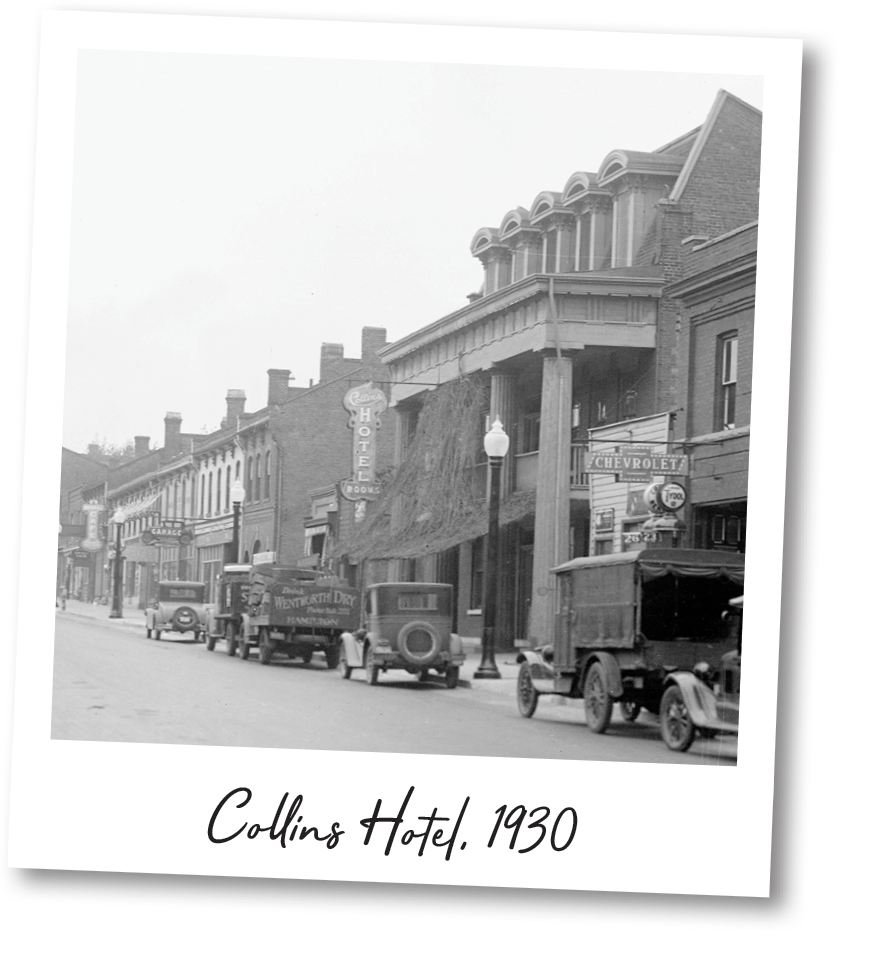
Irish immigrant Bernard Collins opened the North American Hotel in 1841, but folks called it the “Collins Hotel.” The establishment had a great reputation for quality and service. It narrowly survived a devastating fire in 1881 but was gutted by flames in 1955, after which its Victorian interior was fully renovated. Today, the famous tavern retains the name of its founder as Collins Brewhouse Restaurant.

ELGIN HOUSE
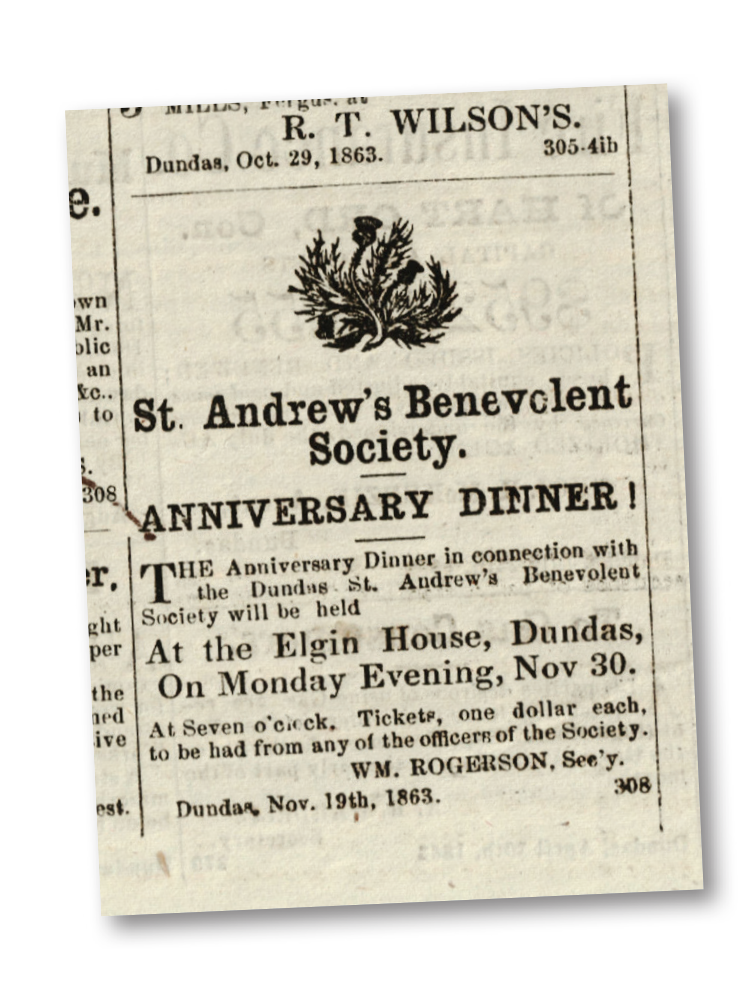
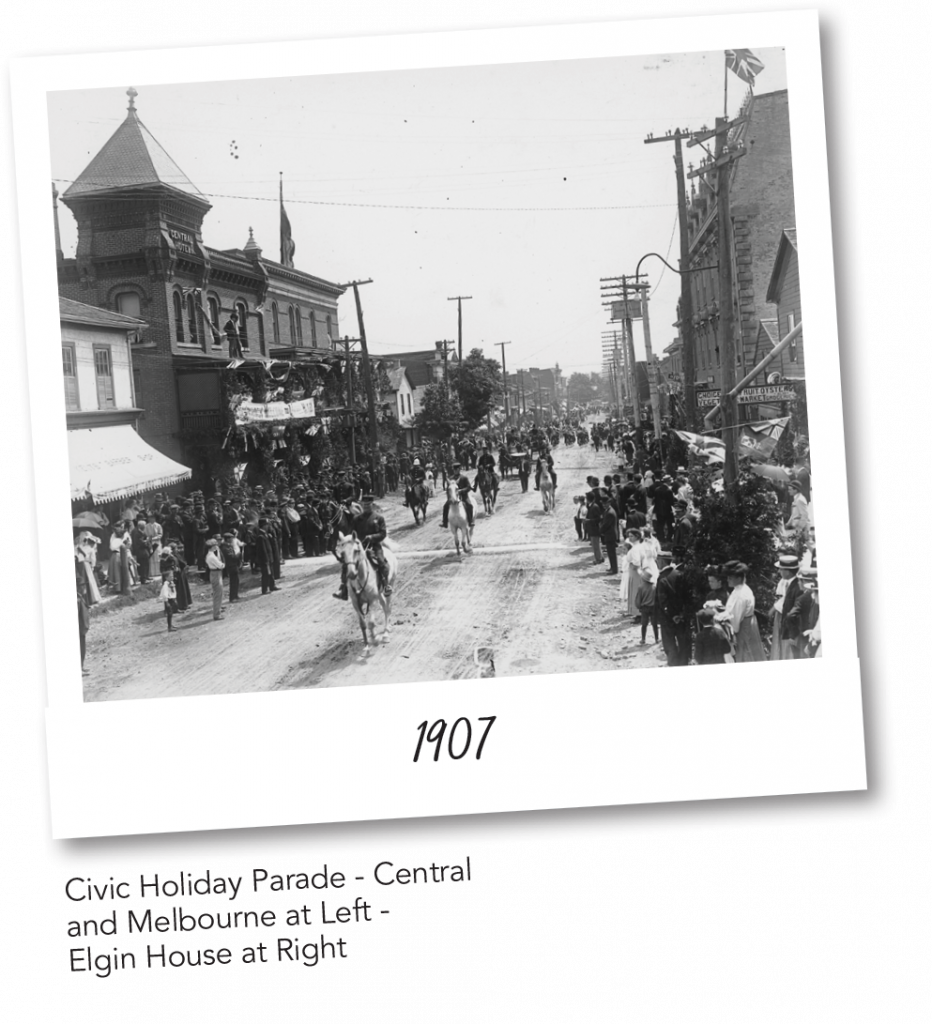
William McDonnell, an enterprising former peddler and hotel manager, erected the opulent Elgin House. His Scottish-style tavern was lauded as “the finest hotel west of York.” Two radical reformers, Dr. John Rolph and William Lyon Mackenzie, were guests at the hotel’s grand opening banquet on November 30, 1837.

“Elgin House opened before the town was even incorporated,” Strutt says. “It did amazingly well and the town spread around it.”

An arched recess beside the door allowed horses and carriages access to stables out back. The keystone atop the arch says, “Wm. McDonnell 1837.” A law office now occupies the building.

THE RED LION 
“This was one of the more infamous taverns,” Strutt says. “It was always getting busted for gambling, and for selling drinks on Sundays.”

The original building burned down in 1871 and was rebuilt in brick the following year. Temperance laws shut down the drinking establishment in 1916. It became the Wentworth Inn and, later, Dundas Café. 

The former Red Lion is currently home to Bangkok Spoon Deluxe restaurant. An archway built for horses and carriages now leads to a cozy patio. 

THE CENTRAL HOTEL AND MELBOURNE HOTEL
The Central and Melbourne Hotels, built in 1890 and 1899 respectively, represented a new turn-of-the-century style of hotel with large, modern amenities. Both were bars well into the late 20th century, and both still stand on the north side of King between Sydenham and Foundry. A decorative pyramid-topped tower still bears the name “The Central.”

THE RILEY HOUSE
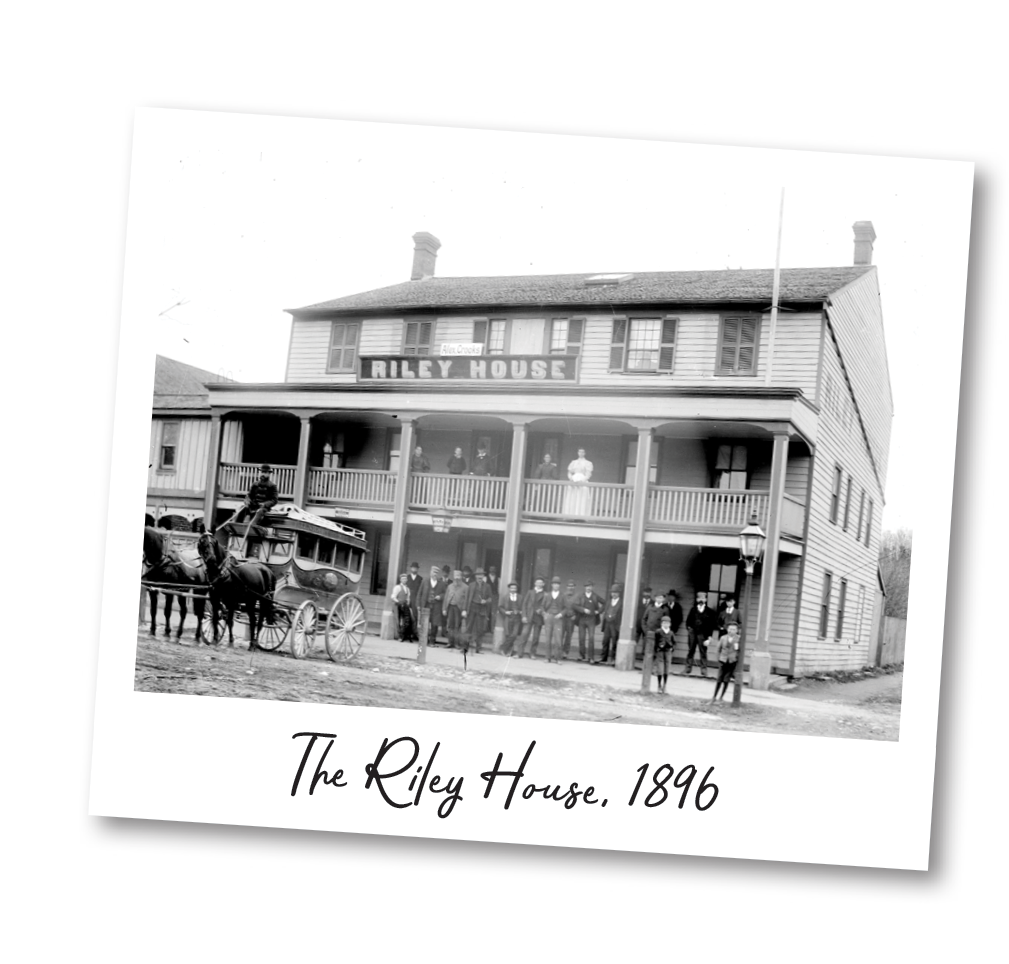
One of the longest operating taverns in Dundas, The Riley House on Main Street no longer stands. It was built in 1827, the largest inn west of York (Toronto). Known for its fine food and extensive stables, it operated under many owners until prohibition. The building was demolished in 1956 to make room for a parking lot.

“There were many drinking emporiums and groggeries sprinkled along Main, King, and York, consequently they used  to say that it took four days to travel from Galt to Hamilton, two of the days being needed to get through Dundas.”   

– T. Roy Woodhouse, Dundas Historian 

End of an Era
From the 1840s to the 1860s, a perfect storm of events brought the Dundas heyday to an end. Railways expanded. Ships got larger, rendering the shallow Desjardins Canal obsolete. Hamilton, with its deep water port, became the area’s commercial hub. 

Eventually, Dundas learned to embrace its small-town charm. In 1896, Town Council published a picture book, Picturesque Dundas, to promote its architecture and surrounding natural beauty. To this day, Dundas is a visually striking, peaceful community enfolded in a giant hug by the lush Niagara escarpment. 

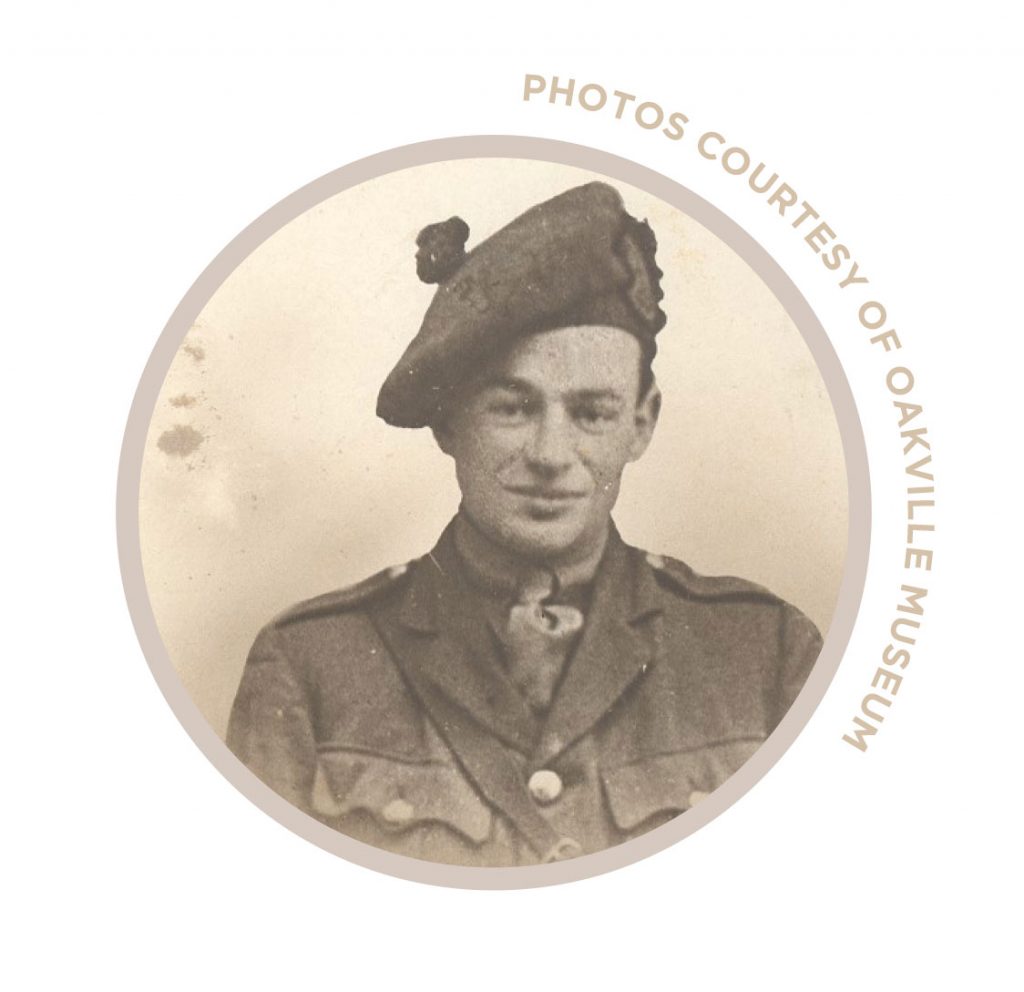
At this time of year, as we remember the great sacrifices and service of the men and women of our armed forces, George Brock Chisholm gives us an outstanding example of how a wartime experience, though harrowing, can spur an individual to do great good. Born on May 18, 1896, in Oakville, Ontario, he would serve many roles during his life, from dedicated soldier to contrarian children’s mental health advocate to visionary statesman.

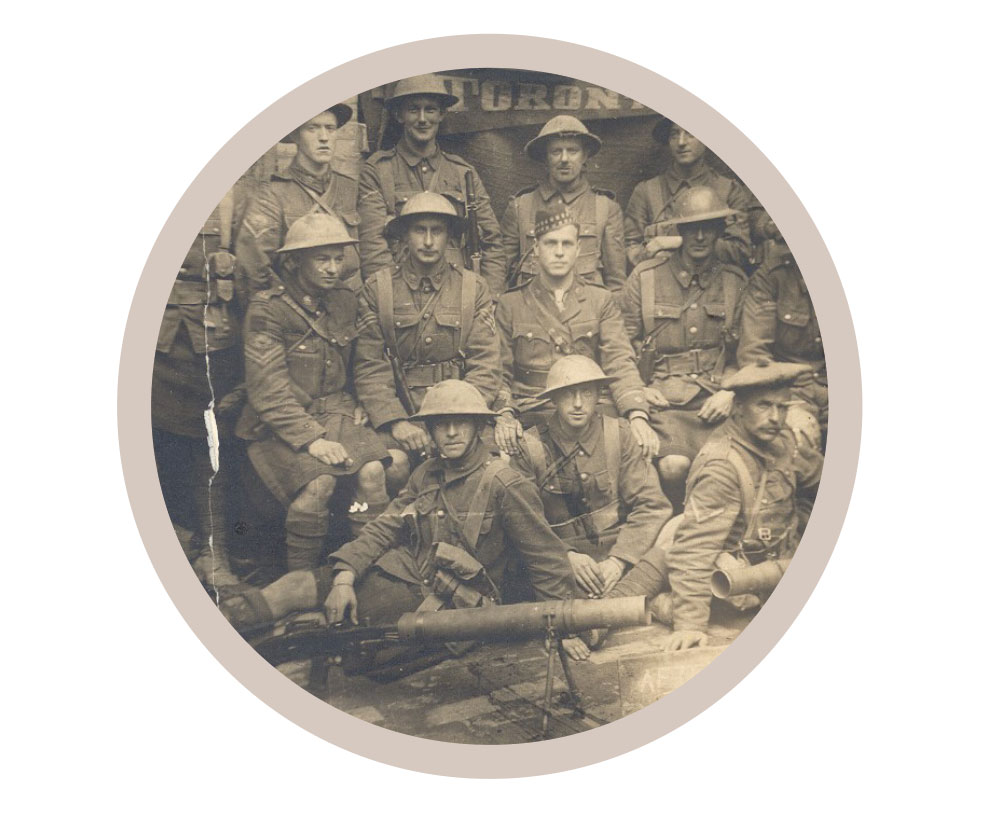
Enlisting as a private with the 48th Highlanders at the age of 19, the young Chisholm served valiantly during World War I, experiencing firsthand the horrors of warfare. Badly injured in the line of duty, he was awarded the Military Cross and Bar (his medals are held at Oakville Museum). His profound wartime experience propelled him towards a career devoted to peace, mental health and the betterment of society. Between the wars, Chisholm went to university, studied medicine and specialized in psychiatry, a choice that was likely informed by his own experience with shell shock – what we now call post-traumatic stress disorder (PTSD). Serving through World War II, Chisholm rose to the position of Director General of Medical Services and by the end of the war held the rank of Major General. 
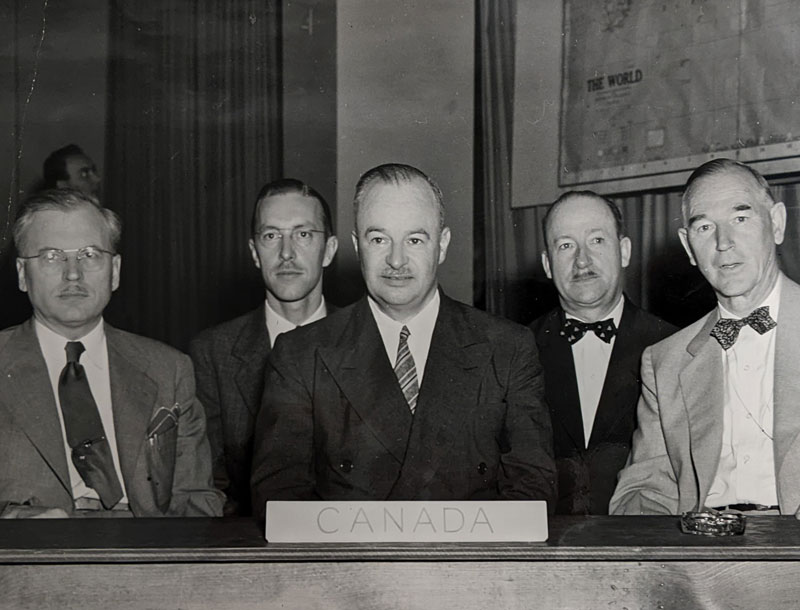
Following his key role in the war effort, Chisholm’s most significant contribution post-war was his role as the first Director General of the World Health Organization (WHO) from 1948 to 1953. During his tenure, he championed the notion that mental health is a fundamental human right, challenging the prevailing stigma associated with mental illness. His groundbreaking work laid the foundation for a more compassionate and inclusive approach to mental health care worldwide.

Chisholm’s impact extended far beyond his role at WHO. In his work with a number of Canadian mental health organizations, he spearheaded efforts to improve mental health services and promote understanding and acceptance of mental illness in Canada. His visionary leadership and tireless advocacy resulted in the establishment of psychiatric clinics, rehabilitation centres and community-based programs that continue to benefit countless individuals today. 

The life and legacy of George Brock Chisholm serve as a testament to the transformative power of individuals who have the conviction to follow their own compass. His unwavering dedication to improving mental health, advocating for peace and championing human rights continue to inspire generations of individuals to strive for a more compassionate and just world.

Having experienced war personally as a soldier in the First World War and later as a medical administrator in the Second World War, Chisholm was well aware of the destructive and merciless nature of war, having witnessed it from the perspectives of both a common soldier and a high-ranking officer. He helped to establish and subsequently led one of the most long-lasting and beneficial international organizations in history. He firmly believed in the potential of enlightened international collaboration and played a pivotal role in making it a reality in the field of global health care. 

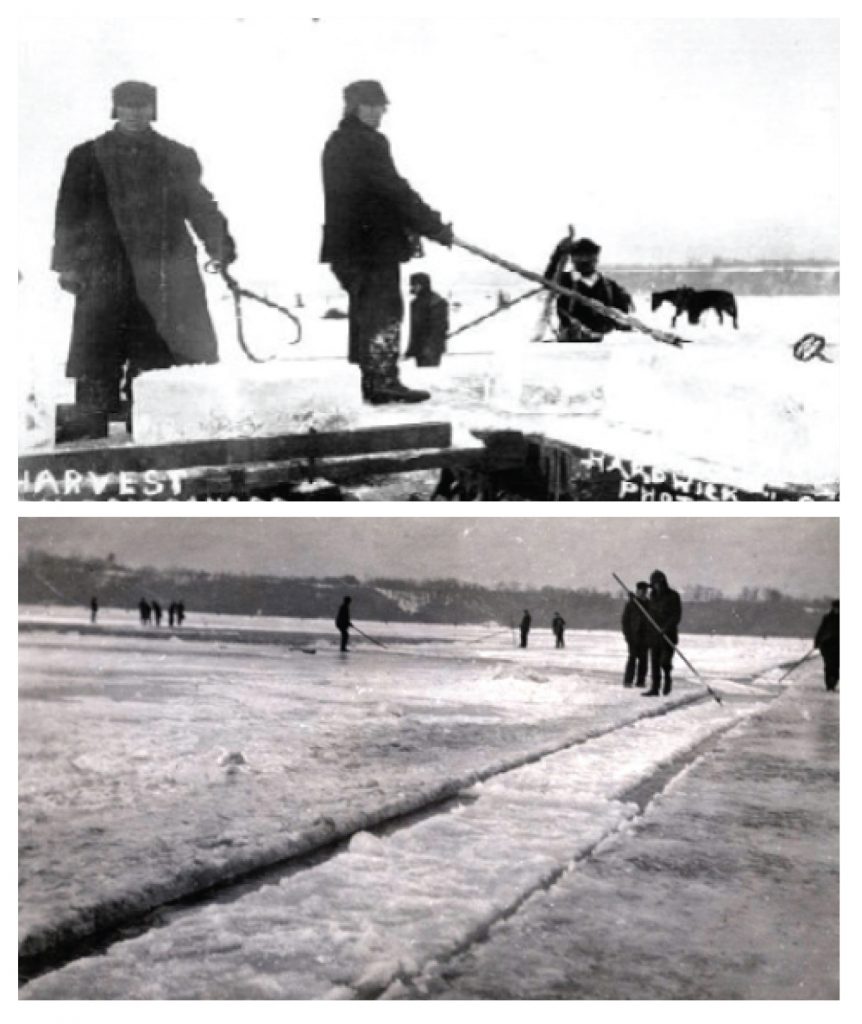
Kitty-corner to the bustling hub of McMaster University and Children’s Hospital, you’ll find 600 acres of preserved paradise. Birdwatchers flock to the boardwalk that meanders through the marshland, but back in the early 19th Century, hunters frequented the spot for its hearty waterfowl population. Captain Thomas Coote, a British naval officer, was one of those hunters. He spent many days pursuing the land for fowl in the 1780s. Rich in history and named in Captain Coote’s honour, “Cootes Paradise” is a crucial wildlife habitat and the only remaining wetland in western Lake Ontario. But there were other uses for this popular spot. Because of its sheltered location, accessibility, and tendency to freeze at a suitable depth, it was an ideal spot to harvest ice. Before the development of refrigeration, ice harvesting was an important activity for many communities across Ontario. It provided a much-needed income source and helped sustain local economies. The practice continued until well into the 20th century when artificial cold storage methods became more widespread.
Natural ice was used domestically to preserve food, and was also an essential element of commerce throughout the 19th and early 20th Centuries, with many industries relying on it for refrigeration. Breweries utilized extensive quantities to cool their wort before the advent of artificial means. Railway shipping used such a considerable volume that the Canadian National Railway maintained its own ice operation on Lake Simcoe, with steamboats packed full of natural ice to keep goods fresh while enroute.

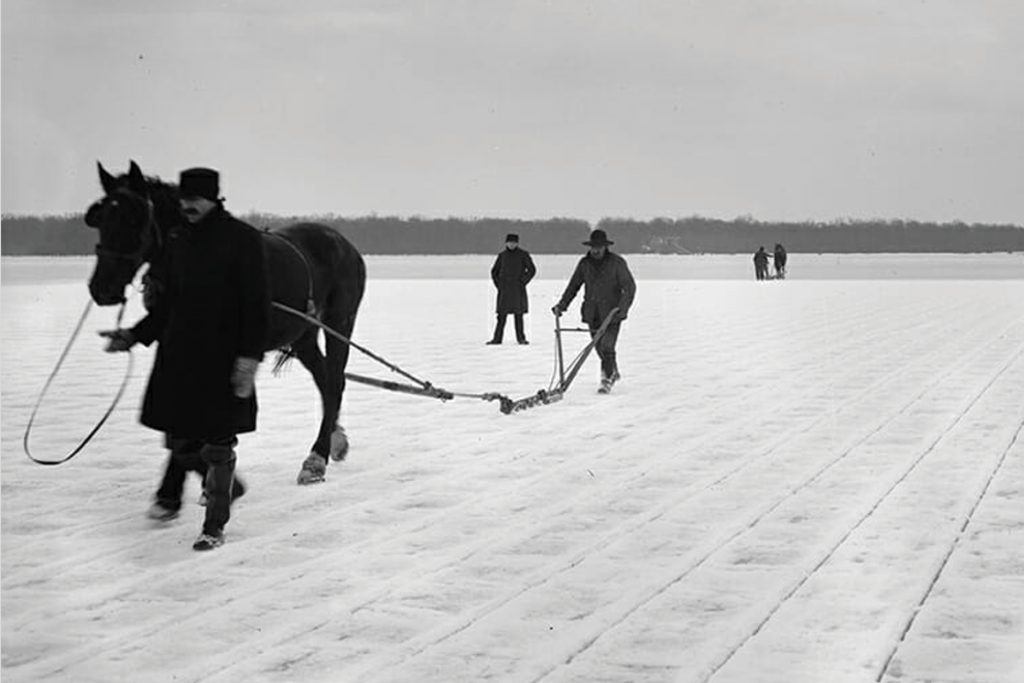
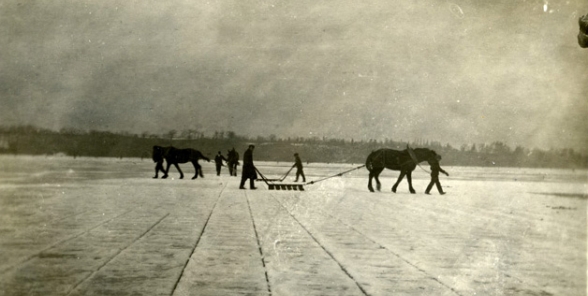
The harvesting process involved cutting large chunks of ice, called “cakes,” up to twenty inches thick, with longhandled saws and loading them onto sleds pulled by horses or oxen. The harvested blocks were then transported off the lake, packed in straw and sawdust, and stored in icehouses until sold off in the summer months. The practice was an arduous job that required a great deal of skill, effort, and perseverance. Drowning and hypothermia were a dangerous and very real possibility, as workers and animals risked falling through the ice.
For many years, ice harvesting from Cootes Paradise and the adjoining Burlington Bay, known now as Hamilton Harbour, was a significant source of employment for the local community and provided ice to many cities around Lake Ontario. At its peak in the early twentieth century, over 600 workers were employed in the trade, cutting ice daily while the conditions were favourable. Over 60,000 tons of ice were cut in a typical winter season.

Many ice harvesters were farmers, and there are strong parallels in the language and equipment used in the process. Ice blocks were referred to as “the winter crop” and cut with a specialized “ice plough”using the same draft animals used to work the land. An example of overlap between farming and ice harvesting was the Raspberry family, whose 1864 farmhouse still stands on the north side of the marsh. The Raspberrys had a dairy farm and operated an ice-cutting business in the winter. In her journal, then-teenage Elva Raspberry tells us how in the winter of 1912, one of her brothers bought his own ice cutter to help with the family business.

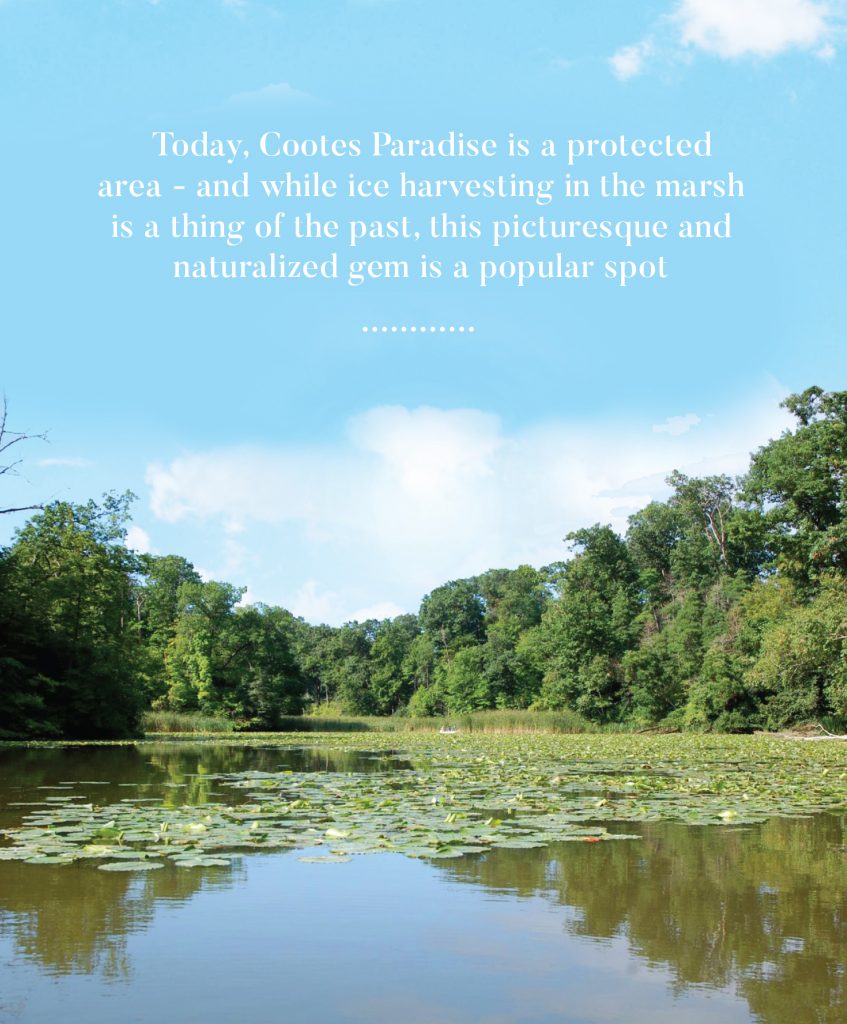
Today, Cootes Paradise is a protected area – and while ice harvesting in the marsh is a thing of the past, this picturesque and naturalized gem is a popular spot for leisure activities like canoeing, kayaking, and fishing. Cootes Paradise is owned and managed by the Royal Botanical Gardens (RBG), which plays an integral role in conserving and protecting these precious wetlands for generations to come. The Raspberry Farm is now the RGB Arboretum.

Ice harvesting is still occasionally practiced in Canada, serving as an important touchpoint with history and our continued dependence on the natural world. As we work towards a more sustainable future, it helps to remember our roots and the traditions that sustained us in the past.

by Julian Kingston

Museums carry more than just memories of the past, they can also provide a biography of someone’s talent, intellect, and ambition and the story of a life well-lived. 

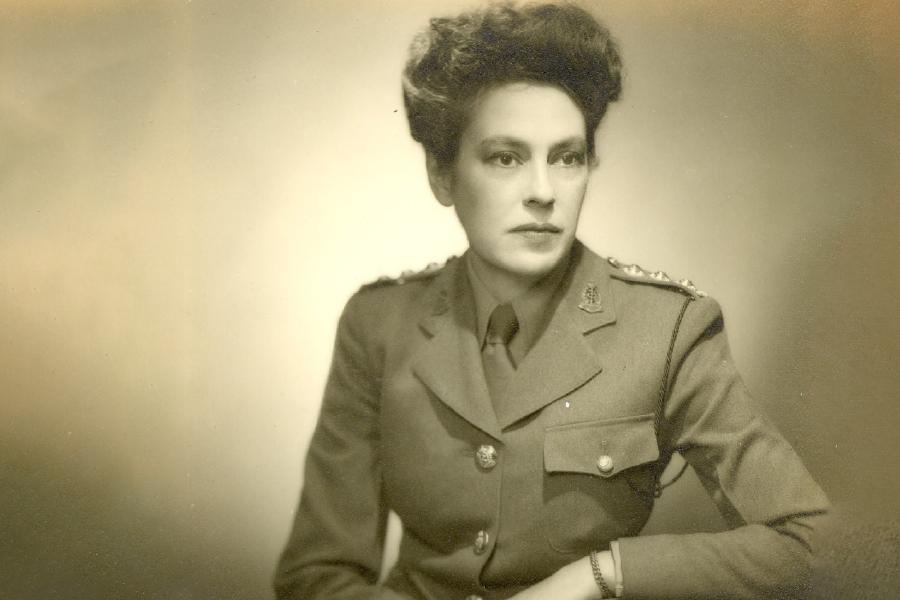
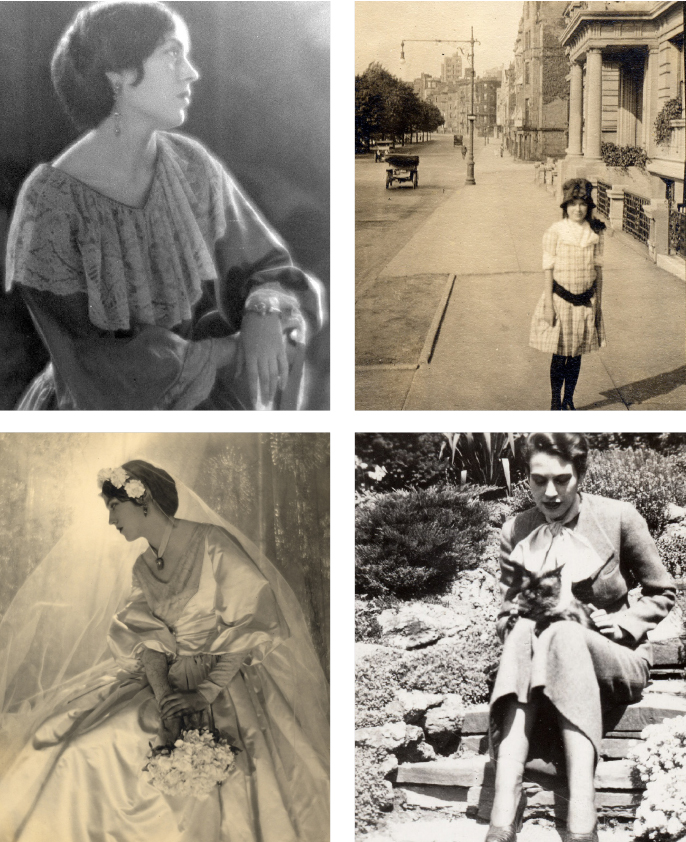
Artist, dancer, military officer, physician, and United Nations worker, Grace Juliet Chisholm is such an example.  Born in Oakville on July 17th, 1902, Juliet was great-granddaughter to Oakville’s founder, William Chisholm. Her father, John Alexander Chisholm Jr., was an inventor and businessman, and her mother, Emelda Beeler Chisholm, became an influential social leader and philanthropist. 

Widowed when Juliet was only an infant, Emelda purchased Oakville’s Erchless Estate to keep the property in the family and serve as a summer home for herself, Juliet, and Juliet’s older sister, Hazel.  

Talented and ambitious, Juliet studied at The Brearley School in New York City as a teenager, and was taught by influential artist, Kenneth Hayes Miller. However, this was just an early brush with high society and fame. In 1924, while enrolled at the prestigious Barnard College in Manhattan, she exhibited her work with artists Robert Henri, George Bellows, and Henri Matisse!

After graduating from Barnard College, Juliet travelled to Paris, where she studied at the École des Beaux-Arts. While in Paris, she mingled in the artistic atmosphere of contemporaries like Pablo Picasso, Ernest Hemingway, Gertrude Stein, and Simone de Beauvoir. In 1926, Juliet married playwright Robert Turney. In keeping with Emelda’s usual approach, the wedding spared no expense, with a ceremony at the American Cathedral followed by a reception at the Ritz Carlton Hotel. 

After several years together in France, Robert and Juliet separated amicably. Juliet, unconventional as ever, began a new path. She returned to the United States to take science courses in California. She eventually re-entered Barnard College to study Zoology before being admitted to McGill University’s Faculty of Medicine, graduating with a medical degree in 1940.  After completing her residency in pediatrics at The Hospital for Sick Children in Toronto in 1943, she enrolled in the Royal Canadian Medical Corps as a Captain and served for the remainder of the war years as a medical officer in Toronto, Ottawa, and Washington, D.C. 

Juliet recognized the need for civilian care in occupied areas during the war. She wrote to her second cousin, Brigadier General Dr. George Brock Chisholm, to suggest creating a special task force to help with this cause, and volunteered for such a posting. General Chisholm, who would later co-found the World Health Organization, knew that such an effort was being considered. Following the war, Juliet’s ambition was realized when she became the Acting Regional Medical Officer, United Nations Relief and Rehabilitation Administration (UNRRA) in Hunan, China, a province ravaged by post-war famine and disease. Ever the artist, while Juliet worked to alleviate suffering, she also captured the plight of the people through arresting black and white photography. 

Juliet returned to live at Erchless Estate in 1947, established a successful pediatric practice out of the Coach House, and was one of two women doctors in town at that time. Still an artist at heart, she continued to produce art and photography and followed other interests, including starting an experimental farm. 

When Juliet died in 1964, she left instructions that curators from the Royal Ontario Museum could review her possessions and make selections for the museum. Today, a fine lyra guitar that once graced Juliet’s home is on display in the ROM’s European Galleries. 

Juliet’s home and life are interwoven throughout what is now the Oakville Museum. The documents, pictures, and objects she left paint a striking portrait of her ambition, the force of her personality, and her keen sense of style, and they tell a powerful story of a women who made her way in the world on her own terms.

By Julian Kingston 

The name ‘La Salle’ can be found attached to everything from schools to entire cities. It probably conjures up an image of a “great explorer” but let’s dig a little deeper and uncover some of the risks in naming things after historical figures.

René-Robert Cavelier Sieur De La Salle was born in 1643 into a well-to-do merchant family in Rouen, France. Described by his Jesuit teachers as both talented and unquiet, he studied with them for several years before leaving the order, creating a rift between him and that powerful sect and an early showing of his talent for making enemies. 

Having few resources but many connections to New France, he made his way to the island of Montreal in 1667 where he obtained a seigneury from the Suplician Order of the Catholic Church. After a couple of years, he sold most of it back to the order, who had given it to him for nothing, netting a sum to fund his ambition of exploring the New World. He set out to find the Ohio River and what he thought would be a lucrative trading route to China, based on the prevalent hazy grasp of world geography. 

La Salle’s quest for the Ohio aligned with the missionary program of Suplician Dollier de Casson with whom he joined forces. That order, having assessed La Salle’s changeability, supplied one of their own, Bréhant de Galinée, as cartographer – although Galinée rated himself barely adequate for the task. Joining La Salle’s party was a Dutch interpreter, with little grasp of French, and so of little utility. Lacking a guide and with minimal experience in the woods, and as La Salle was an indifferent navigator, it is amazing that they got anywhere at all.  

They left Montreal in early July and had many challenges, yet by some wonder managed to reach Lake Ontario by August 10. One can reasonably assume that they had local Indigenous aid and guidance along the way. After some delays related to the Seneca having understandable misgivings about allowing the French access to the territories of their rivals, the party reached Burlington Bay in September 1669. Here La Salle came down with a fever which Galinée attributed to him being startled by three rattlesnakes he saw while climbing a rock. Not long after, La Salle informed the Suplicians that he was too ill to continue and would return to Montreal, except he didn’t return until at least ten months later.

It’s during this gap that La Salle’s biggest supporters claim he discovered the Ohio and Mississippi Rivers. Leaving aside the fact that these rivers were very well known to Indigenous Peoples and therefore didn’t need discovery, there’s no real evidence to support that he found either river between the fall of 1669 and the summer 1671 as has been claimed.

This is just the beginning of the stories of La Salle’s exploits, which ended in a series of tragedies and his eventual murder at the hands of his own men. Whatever his debatable accomplishments and skills as an explorer, it is indisputable that he had great perseverance and determination. It’s also clear that he was impulsive, erratic and often careless with the lives of his followers.

So why are so many places named after him? Essentially, his travels became the subject matter for popular histories, which were really adventure novels. The first was released in 1683 by Father Louis Hennepin, a missionary who had accompanied La Salle in person.  Even more influential were the late 19th century writings of Francis Parkman. The elevation of La Salle to legendary status, and the 254th anniversary of the man himself possibly being in the neighbourhood, was likely the impetus for local politicians deciding to change the name of Wabasso to La Salle Park in 1923.

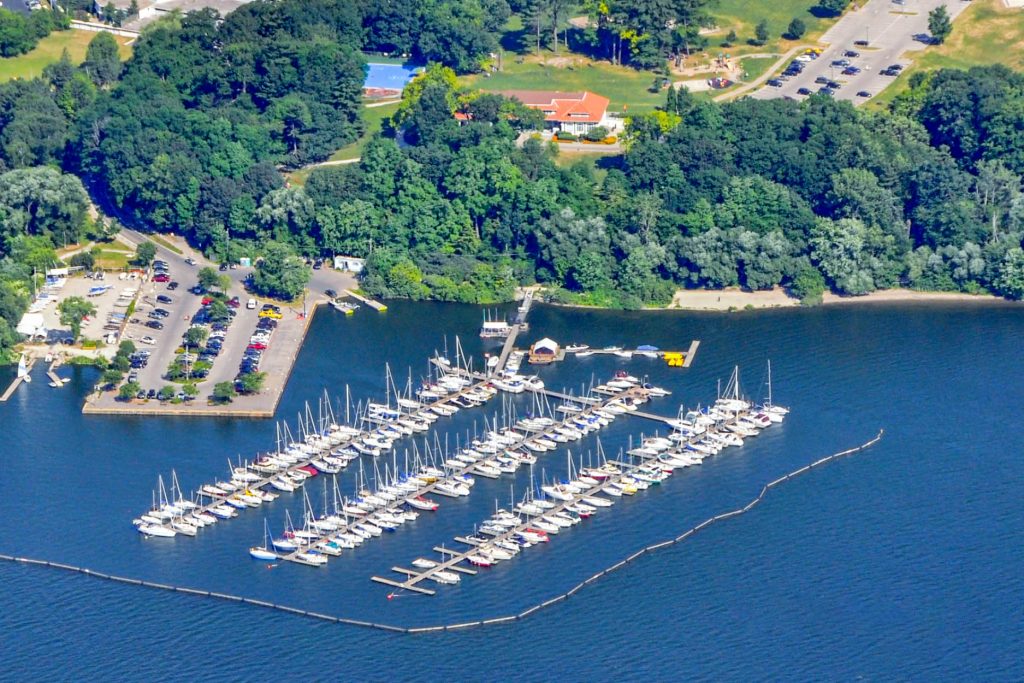
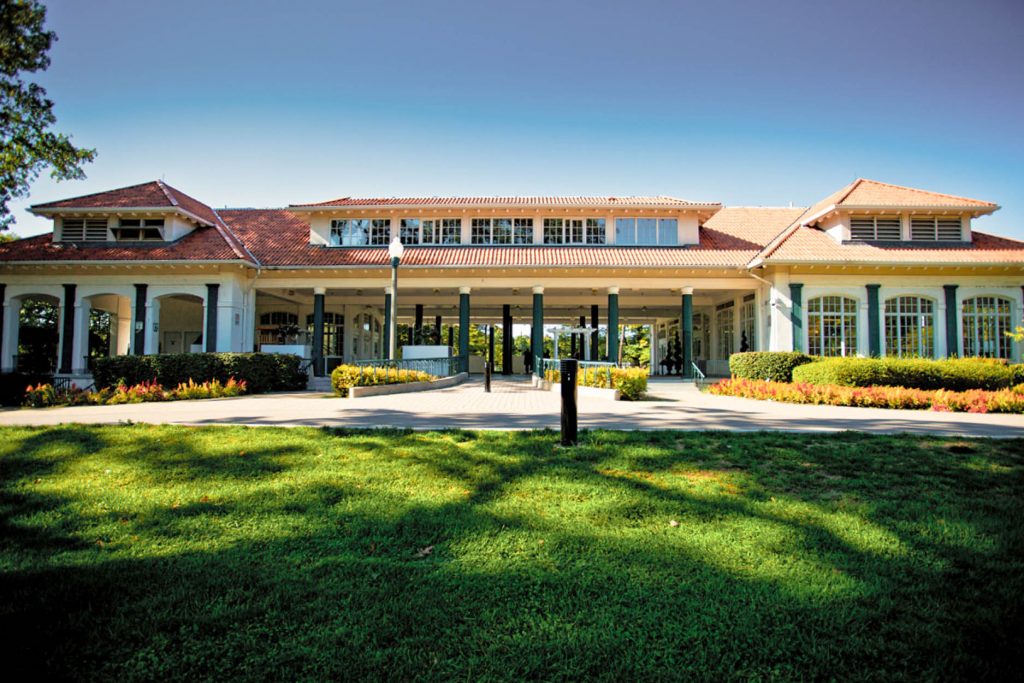
Leased by the City of Burlington today, visitors can enjoy the picturesque 1917 dancing pavilion, stately swans, hiking trails, and a kiddie splash pad. It’s definitely worth a visit even if there’s a lesser state of adventure than there was in 1669, as these days there’s no sign of rattlesnakes.